
There is nothing quite as inviting as the shimmering, crystal-clear azure of a backyard swimming pool on a hot summer day. It is the centerpiece of outdoor entertainment, a place for exercise, and a sanctuary for relaxation. However, maintaining that perfect, sparkling blue hue can sometimes feel like a mysterious science experiment. One day the water is pristine, and the next it looks cloudy, dull, or even a frightening shade of green.
If you are staring at murky water and wondering how to make my pool water blue again, you are not alone. This is a common challenge for homeowners, but the solution is straightforward once you understand the basics of pool chemistry and filtration. This comprehensive guide will strip away the confusion and provide you with a clear, actionable roadmap. We will walk you through the essential maintenance steps, chemical adjustments, and cleaning techniques needed to transform your pool from a swampy mess back into a refreshing oasis.
Maintaining a crystal-clear pool can feel overwhelming at first, especially when faced with cloudy or green water. However, by breaking the process into manageable steps, it’s entirely possible to regain that sparkling blue hue. The key lies in understanding the balance of chemicals, proper filtration, and consistent upkeep. With a little effort and the right approach, your pool can become a pristine, inviting spot for relaxation and fun once again.
Tools and Materials
To effectively maintain your pool and restore its clarity, you’ll need a few essential tools and materials. Start with a reliable pool skimmer to remove debris such as leaves and dirt from the surface. A durable pool brush is also crucial for scrubbing the walls and floor of the pool, preventing algae buildup. Invest in a water testing kit to monitor chemical levels, ensuring proper balance for safe and clean water.
Additionally, chemicals like chlorine, algaecide, and pH balancers are necessary to combat contaminants and maintain water quality. Other helpful items include a pool vacuum, filter cleaner, and a sturdy pool net. With these tools and materials at your disposal, you’ll be well-equipped to keep your pool in perfect condition.
Step-by-Step Guide on How to Make My Pool Water Blue
Step 1: Balance Water Chemistry
To achieve that crystal clear, inviting blue water in your pool, the first step is to ensure that your water chemistry is properly balanced. This involves maintaining the right levels of chlorine, pH, and alkalinity.
- Chlorine: The ideal range for chlorine in your pool should be between 1-3 parts per million (ppm). Too little chlorine can result in algae growth and cloudy water, while too much can cause skin irritation.
- pH: A neutral pH level for pool water is around 7.4-7.6. This ensures that the water is not too acidic or basic, which can also cause skin irritations.
- Alkalinity: The recommended range for alkalinity in your pool is between 80-120 ppm. Alkalinity acts as a buffer for the pH level, helping to keep it stable and preventing rapid fluctuations.
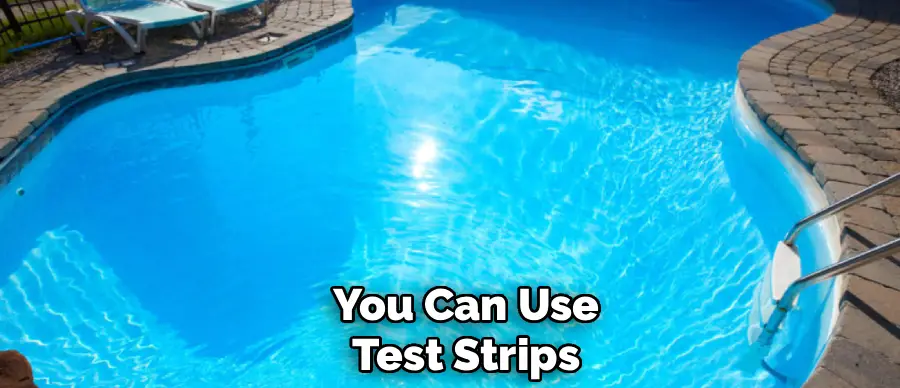
Proper testing and maintenance of these levels is essential for keeping your pool clean and safe to swim in. You can use test strips or a liquid test kit specifically designed for pools to check these levels regularly. It’s recommended to test your pool at least twice a week during heavy usage periods, such as summer, and once a week during off-seasons.
Step 2: Sanitize the Pool
In addition to balancing the chemicals in your pool, proper sanitation is crucial for keeping your pool clean and safe. This involves using a disinfectant, typically chlorine or bromine, to kill bacteria and other harmful organisms.
Chlorine is the most commonly used disinfectant as it is effective at killing bacteria, viruses, and algae. It comes in various forms such as tablets, granules, and liquid. Make sure to follow the instructions on the product label for dosage and application methods.
Bromine is an alternative to chlorine that is also effective at killing bacteria and other contaminants.
Step 3: Vacuum the Pool Thoroughly
After brushing, the water will likely look cloudier than before because you have disturbed all the sediment and algae. Now you need to remove that waste from the pool environment entirely. Set your filter valve to the “Waste” setting if you have a multiport valve; this bypasses the filter and sends the dirty water directly out of the drain line, preventing your filter from getting clogged immediately.
Vacuum the pool floor slowly and methodically, overlapping your strokes to ensure you capture the fine silt and dead algae. If you cannot vacuum to waste, use your standard filtration setting, but be prepared to stop and clean your filter cartridge or backwash your sand filter frequently as it fills up with gunk.
Step 4: Run the Filtration System Consistently
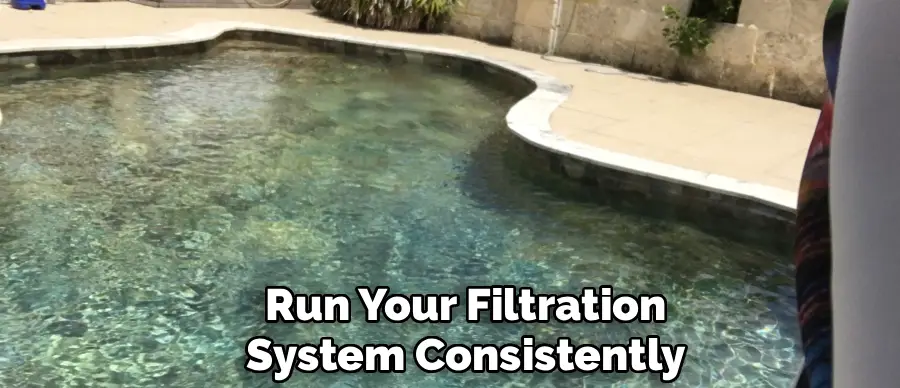
It is important to run your filtration system consistently to ensure proper circulation and filtration of the pool water. The recommended runtime for pool filters is typically 8-12 hours per day, but it can vary depending on the size of your pool and the type of filter you have.
Running the filtration system helps to remove any debris or contaminants in the water, keeping it clean and clear. It also distributes chemicals evenly throughout the pool, helping maintain proper chemical levels and preventing algae growth.
If you notice that your pool water is cloudy or has a strong chlorine smell, it may be a sign that your filtration system is not running long enough or not functioning properly.
Step 5: Brush and Vacuum Regularly
In addition to running the filtration system, it’s important to brush and vacuum your pool regularly. This helps remove any dirt or debris that may have settled on the bottom of the pool.
Use a pool brush with nylon bristles to scrub the walls and floor of your pool, paying extra attention to any areas that may be prone to algae growth. Vacuuming should also be done at least once a week to remove any larger debris that may not be caught by the filtration system.
Step 6: Use Clarifier (If Needed)
If you notice that your pool water is still cloudy or has a strong chlorine smell, it may be necessary to use a clarifier. Clarifiers help to bind small particles in the water together, making them easier for the filtration system to remove. This can help improve the overall clarity and cleanliness of your pool.
Some common types of clarifiers include floculants, which settle debris to the bottom of the pool where it can be vacuumed out, and enzyme-based clarifiers, which break down organic matter in the water. It’s important to carefully follow the instructions on any clarifier product you use to ensure it is used effectively and safely.
Step 7: Test and Adjust Calcium Hardness
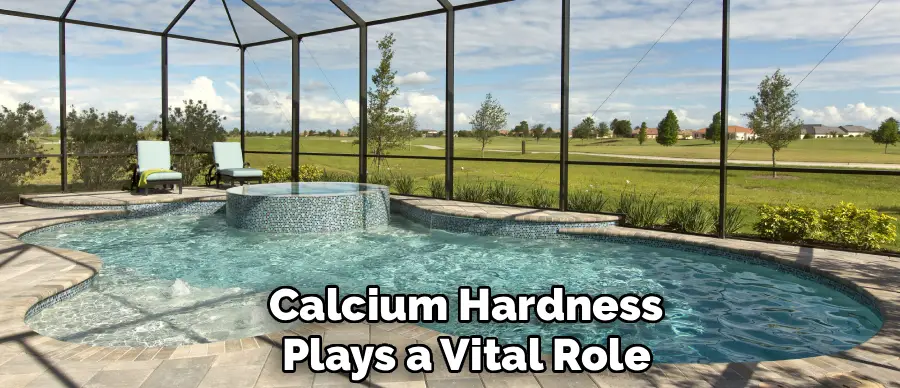
While often overlooked in favor of chlorine and pH, calcium hardness plays a vital role in water clarity and pool health. If calcium levels are too low, the water becomes aggressive and can etch plaster or corrode metal fittings. If levels are too high, the water becomes saturated, leading to cloudy water and scale formation on surfaces and equipment.
Test your calcium hardness level, aiming for a range of 200 to 400 ppm. If the calcium is too low, add a calcium hardness increaser (calcium chloride). If it is too high, the only effective way to lower it is to partially drain the pool and refill it with fresh water that has a lower mineral content.
Step 8: Use a Pool Flocculant or Clarifier
Sometimes, even after shocking and filtering, the water remains hazy. This is caused by microscopic particles that are too small for your filter to catch. This is where clarifiers and flocculants come in. A water clarifier works by coagulating these tiny particles into larger clumps that the filter can trap. It is great for mild cloudiness.
For severe murkiness, use a flocculant (floc). Floc causes the particles to bind together and sink to the bottom of the pool floor, creating a layer of silt. If you use floc, you must turn off the pump for 12-24 hours to let everything settle, and then vacuum the sediment to waste. This step is often the magic trick for achieving that polished look.
Step 9: Clean the Filter Chemically
Your filter has been working overtime to clear up the mess, and simply backwashing or rinsing it might not be enough to remove the deep-set oils, grease, and mineral deposits trapped in the media. A dirty filter cannot polish the water effectively. If you have a cartridge filter, soak the elements in a specialized filter cleaner solution overnight to break down the buildup.
For sand or DE filters, use a chemical filter cleaner that is poured into the skimmer or pump basket and allowed to soak inside the filter tank. This deep cleaning restores the filter’s efficiency and ensures it can trap the finest particles, which is essential for maintaining that sparkling blue appearance long-term.
Step 10: Establish a Routine Maintenance Schedule
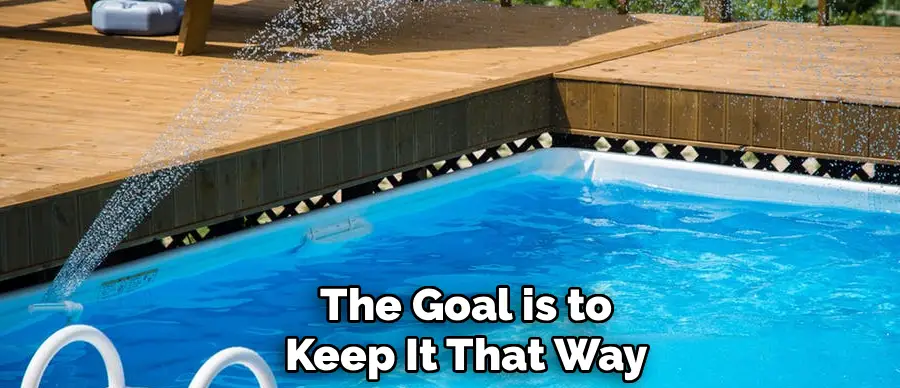
Once you have successfully restored the beautiful blue color, the goal is to keep it that way. Consistency is the secret to preventing future problems. Develop a weekly routine that includes skimming, brushing the walls, vacuuming, and testing the water chemistry. Keep your chlorine levels between 1 and 3 ppm at all times.
Shock the pool once a week or after heavy usage or rainstorms. Check your filter pressure regularly. By staying ahead of the curve and addressing small imbalances before they become full-blown algae blooms, you save yourself time, money, and stress. A clean, balanced pool is easy to maintain, while a neglected one is a constant headache.
Advanced Cleaning Technique
For those looking to take their pool maintenance to the next level, advanced cleaning techniques can help ensure pristine water quality and longevity for your pool equipment. One effective method is the use of fine-mesh skimmers to remove micro debris that standard tools might miss. Investing in a robotic pool cleaner can also automate deep cleaning tasks, reaching the tight corners and walls of your pool more effectively.
Additionally, utilizing enzyme-based cleaners can help prevent the buildup of oils and organic contaminants, reducing the strain on your filtration system. For sparkling clarity, consider using a pool clarifier to bind small particles together, allowing your filter to capture them more efficiently. These advanced techniques not only elevate your pool’s cleanliness but also contribute to its overall health and longevity.
Several Common Mistakes
While maintaining a pool can seem straightforward, there are several common mistakes that can lead to costly repairs or diminished water quality. One frequent error is neglecting to test and balance the water chemistry regularly, which can result in problems such as algae growth, cloudy water, or damage to pool surfaces and equipment. Another issue is overusing or improperly applying chemicals, such as adding too much chlorine, which can irritate swimmers’ skin and eyes.
Many pool owners also forget to clean their filters or backwash them as needed, causing the system to work inefficiently and leading to poor water circulation. Skipping routine brushing of pool surfaces is another oversight, as this allows dirt and algae to accumulate in harder-to-reach areas. By avoiding these common pitfalls and following a regular maintenance schedule, you can keep your pool in pristine condition year-round.
Frequently Asked Questions
Why Is My Pool Water Cloudy Even After Shocking?
Cloudy water after shocking usually indicates one of three things: dead algae, poor filtration, or improper chemical balance. When shock kills algae, the dead organic matter turns gray or white and suspends in the water, causing cloudiness. Your filter needs time to clear this out. Using a water clarifier can speed up the process. Alternatively, your pH, alkalinity, or calcium hardness might still be off, causing the cloudiness to persist.
How Long Does It Take for a Green Pool to Turn Blue?
The timeline depends heavily on the severity of the algae growth and the efficiency of your filtration system. For a mild green tint, you might see results in 24 to 48 hours. For a dark green, swamp-like pool, it can take 3 to 5 days of constant filtering, brushing, and shocking to fully restore the blue color. Patience and continuous circulation are key.
Can I Use Baking Soda to Clear My Pool Water?
Baking soda (sodium bicarbonate) is used primarily to raise total alkalinity, not directly to clear cloudy water. However, if your cloudiness is caused by low alkalinity or low pH, adding baking soda can help balance the water chemistry, which in turn allows your chlorine to work effectively and clear the water. It is not a substitute for chlorine or shock.
What Is the Difference Between Shock and Chlorine?
“Chlorine” typically refers to the daily sanitizer tablets or liquid used to maintain a steady baseline level of sanitation (1-3 ppm). “Shock” refers to a high dose of granular or liquid oxidizer used to spike the chlorine level drastically (up to 10 ppm or more) to break apart combined chlorine molecules (chloramines) and kill organic contaminants. Shock is a method, not just a product.
How Often Should I Test My Pool Water?
During the swimming season, you should test your chlorine and pH levels at least two to three times a week. Total alkalinity can be tested once a week, while calcium hardness and cyanuric acid (stabilizer) levels generally only need to be checked once a month. More frequent testing allows you to make small adjustments rather than dealing with large chemical swings.
Conclusion
Transforming a murky, green, or cloudy mess into a pristine swimming paradise is a process that requires patience, effort, and a little bit of chemistry know-how. By methodically removing debris, scrubbing surfaces, balancing your water chemistry, and ensuring your filtration system is running at peak performance, you can restore clarity to even the most neglected pools.
The key is not just to react to problems but to understand the ecosystem of your pool. Remember, regular maintenance is far easier than a full-scale restoration. Now that you have this detailed guide on how to make my pool water blue, you are equipped with the knowledge to reclaim your backyard oasis and

About
Outdoor Fixes is a distinguished figure in the world of Diy design, with a decade of expertise creating innovative and sustainable Diy solutions.
His professional focus lies in merging traditional craftsmanship with modern manufacturing techniques,
fostering designs that are both practical and environmentally conscious. As the author of diy,
outdoorfixes delves into the art and science of outdoorfixes-making, inspiring artisans and industry professionals alike.
Education RMIT University
(Melbourne, Australia) Associate Degree in Design (Outdoor Fixes) Focus on sustainable design, industry-driven projects,
and practical craftsmanship. Gained hands-on experience with traditional and digital manufacturing tools, such as CAD and CNC software.
Nottingham Trent University
(United Kingdom) Bachelor’s in outdoorfixes.com and Product Design (Honors) Specialized in product design with a focus on blending creativity with production
techniques. Participated in industry projects, working with companies like John Lewis and Vitsoe to gain real-world insights.
Publications and Impact
In diy, Outdoor Fixes his insights on indoor design processes, materials, and strategies for efficient production.
His writing bridges the gap between artisan knowledge and modern industry needs, making it a must-read for both budding designers and seasoned professionals.