
A sparkling, clean swimming pool is the centerpiece of any backyard oasis, offering a perfect escape for relaxation and fun. However, this idyllic scene can quickly be ruined by an invasion of leaves, turning your pristine water into a murky, uninviting mess. Keeping your pool free from leaves is more than just an aesthetic concern; it’s a crucial aspect of pool maintenance.
Maintaining a leaf-free pool ensures the water remains safe, balanced, and ready for enjoyment at a moment’s notice. It also protects your expensive pool equipment from clogs and damage, saving you time and money in the long run. Following a consistent cleaning routine can make this task manageable and preserve your pool’s health and beauty. In this guide on how to keep leaves out of pool water, we’ll cover effective strategies and tools to help you maintain a clean and inviting pool all year round.
Understanding the Problem
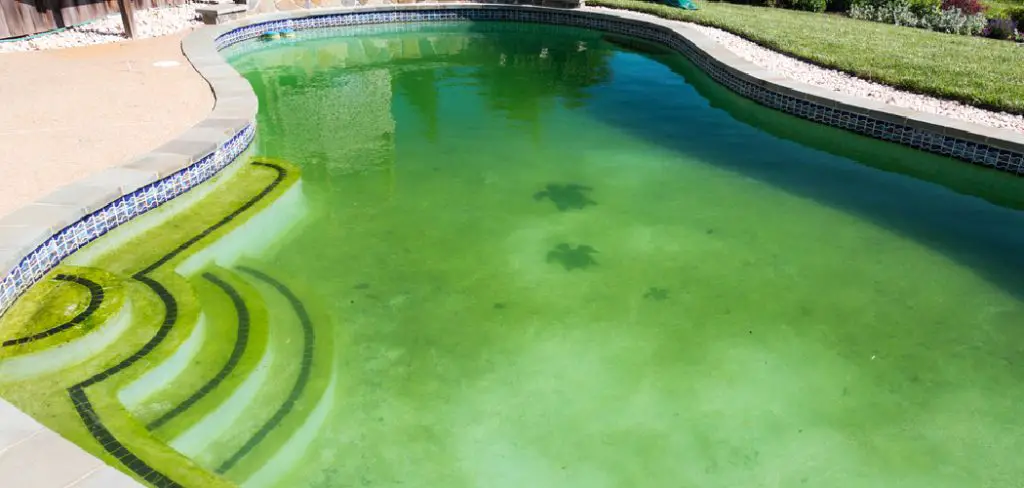
Leaves in a pool are more than just an eyesore; they create a cascade of issues that can affect your water chemistry, filtration system, and overall swimming experience. When leaves and other organic debris fall into the water, they begin to decompose. This process releases tannins, oils, and other organic compounds that can stain your pool’s surfaces, creating unsightly yellow or brown patches on the liner or plaster that are often difficult to remove. This decomposition also consumes chlorine, the primary sanitizer in your pool. As chlorine levels drop to combat the organic load, the water becomes more susceptible to algae and bacteria growth, turning your clear blue water into a cloudy green swamp.
Furthermore, the physical presence of leaves poses a significant threat to your pool’s circulation and filtration systems. Large quantities of leaves can quickly clog the skimmer baskets, restricting water flow to the pump. If left unchecked, this can cause the pump to run dry, leading to overheating and potentially catastrophic failure. Smaller leaf particles that bypass the skimmers can accumulate in the pump basket or clog the filter itself. A clogged filter is an inefficient one, leading to poor water circulation and clarity. This constant battle against debris requires more frequent backwashing or filter cleanings, increasing water usage and maintenance efforts.
Tools and Materials You May Need:
- Skimmer net
- Leaf rake
- Vacuum
- Filter cleaner or degreaser
- Water hose with spray nozzle
- Backwash hose (if applicable)
- Pressure gauge (if applicable)
8 Simple Step-by-step Guidelines on How to Keep Leaves Out of Pool
Step 1: Skim the Surface Daily
Regularly skimming the surface of your pool is the most fundamental and immediate action you can take to manage leaves. Performing this task daily, or even multiple times a day during windy periods or in the fall, prevents leaves from becoming waterlogged and sinking to the bottom. Once leaves sink, they become much harder to remove and begin to decompose, which negatively impacts your water chemistry. Using a long-handled skimmer net, make slow, deliberate passes across the entire surface of the pool to collect floating debris.
For best results, start at the shallow end and work your way toward the deep end, moving with the wind if possible to let it help you gather the leaves in one area. A deep-bag net is preferable to a flat skimmer, as it can hold a larger volume of leaves and prevents them from escaping back into the water as you work. This simple, five-to-ten-minute daily routine is a proactive measure that significantly reduces the workload for your filter and vacuum, keeping your water clearer and more inviting.

Step 2: Brush Your Pool Walls and Floor Regularly
While skimming handles the surface, brushing is essential for dealing with debris that has already settled or is clinging to the pool’s interior. Leaves and other fine organic matter can get stuck on steps, in corners, and along the walls, providing a food source for algae. By brushing these surfaces at least once a week, you dislodge this debris and push it into the water, where it can be circulated and captured by your filtration system or removed by a pool vacuum. This prevents stains and keeps your pool surfaces smooth and clean.
When brushing, start in the shallow end and work your way around the perimeter, pushing debris towards the main drain in the deep end. Be thorough and apply consistent pressure, paying extra attention to areas with poor circulation like corners, steps, and behind ladders. Using a brush that is appropriate for your pool’s surface type—nylon for vinyl-lined pools and stainless steel for plaster or concrete—is crucial to avoid causing damage while ensuring effective cleaning. This weekly task complements skimming and vacuuming to provide a comprehensive clean.
Step 3: Utilize an Automatic Pool Cleaner
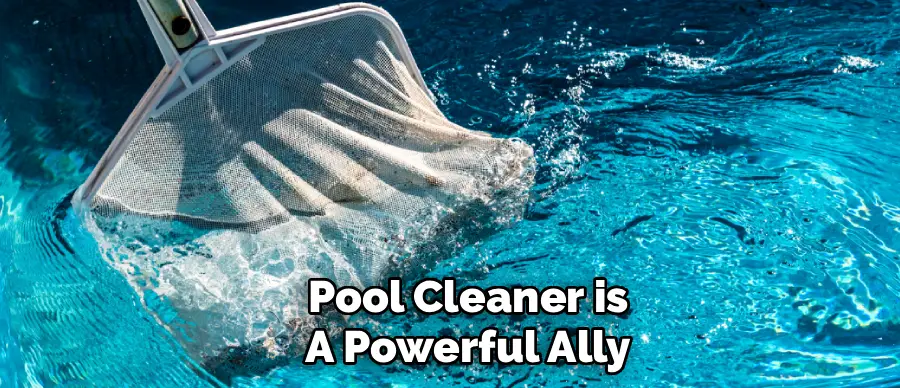
An automatic pool cleaner is a powerful ally in your fight against leaves, especially those that have already sunk to the bottom. These devices work tirelessly to vacuum up debris from the pool floor, and some models can even climb and scrub the walls. There are three main types: suction-side, pressure-side, and robotic cleaners. Suction-side cleaners attach to your skimmer and use the pool pump’s suction to move and vacuum. Pressure-side cleaners use a dedicated booster pump to propel themselves and push debris into a separate filter bag.
Robotic cleaners are the most advanced and efficient option. They are self-contained units with their own motor and filter, operating independently of your pool’s filtration system. They map out your pool’s layout and systematically scrub and vacuum every surface, capturing even fine debris in their internal filter cartridges. Running an automatic cleaner several times a week, or even daily during seasons with heavy leaf fall, will drastically reduce the amount of manual vacuuming you need to do and ensure your pool floor remains spotless.
Step 4: Invest in a Quality Pool Cover
A pool cover is arguably the most effective solution for keeping leaves and other debris out of your pool. By creating a physical barrier over the water’s surface, a cover stops leaves before they even have a chance to get in. This not only keeps your pool cleaner but also reduces water evaporation, chemical loss, and heating costs. There are several types of covers to consider, each with its own benefits. A standard winter cover is designed for off-season use, keeping the pool protected for months at a time.
For daily use, a solar cover can help heat the water while preventing some debris from entering. However, the ultimate solution is an automatic safety cover. With the push of a button, a sturdy vinyl cover glides across your pool, completely sealing it off from leaves, dirt, and unwanted visitors. While it is a significant upfront investment, an automatic cover saves countless hours of cleaning and provides an invaluable safety feature, making it a worthwhile addition for any pool owner serious about maintenance and protection.
Step 5: Keep Your Skimmer Baskets Clean
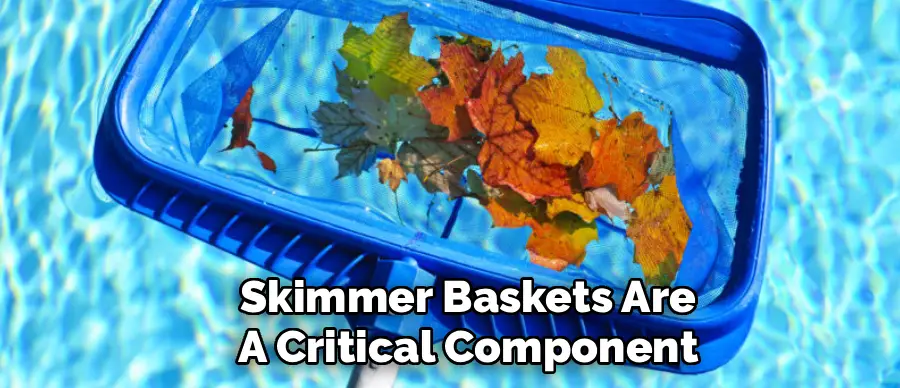
Your skimmer baskets are a critical component of your pool’s circulation system, acting as the first line of defense against debris. They are designed to catch large items like leaves, twigs, and bugs before they can travel to the pump and potentially cause a clog or damage the impeller. For the system to work effectively, these baskets must be emptied regularly. A full or clogged skimmer basket severely restricts water flow, which strains the pump motor and reduces filtration efficiency.
Make it a habit to check and empty your skimmer baskets at least two to three times per week, and daily during periods of heavy leaf fall. Simply lift the skimmer lid, remove the basket, and dump the contents. A quick rinse with a hose can remove any remaining small particles. Don’t forget to also check the pump basket, which is the secondary trap for debris. Cleaning this basket weekly ensures that your pump can operate at peak performance, maintaining strong circulation and keeping your pool water moving and clean.
Step 6: Trim Overhanging Trees and Shrubs
A proactive approach to leaf management involves addressing the problem at its source. If your pool is surrounded by trees and large shrubs, you are setting yourself up for a constant battle. Regularly trimming back any branches that overhang the pool area will significantly reduce the number of leaves that can fall directly into the water. This landscaping maintenance is most critical before the autumn season, when deciduous trees begin to shed their leaves in large quantities.
Focus on pruning trees that are known for heavy shedding and position yourself so that any cut branches fall away from the pool area. You can use long-handled pruning shears or a pole saw for higher branches. Beyond just trees, consider the placement of all plants and bushes around your pool deck. Creating a “no-plant zone” of a few feet around the pool’s edge can minimize the amount of dirt, mulch, and leaves that get blown or tracked into the water, simplifying your overall cleaning routine.
Step 7: Install a Leaf Net or Leaf Catcher
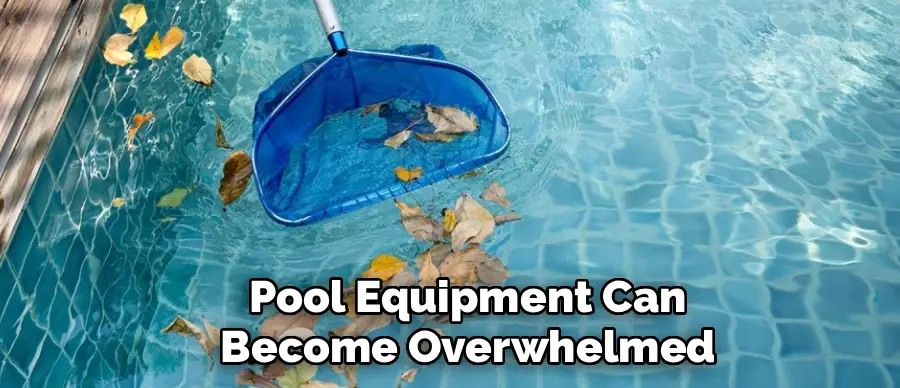
During seasons when leaf fall is particularly heavy, standard pool equipment can become overwhelmed. This is where specialized tools like a leaf net or an in-line leaf canister can be invaluable. A leaf net, also known as a leaf cover, is a lightweight mesh cover that is stretched over your primary pool cover (like a winter cover) or directly over the pool itself. It is designed specifically to catch leaves while allowing rainwater to pass through. You can easily remove the net, dispose of the leaves, and replace it, preventing a massive, decaying leaf pile from sitting on your main cover all winter.
An in-line leaf canister is another excellent tool, particularly for use with suction-side or manual pool vacuums. This device connects to the vacuum hose and features a large-capacity mesh bag that traps leaves and large debris before they can reach the skimmer and pump baskets. This prevents constant interruptions to empty clogged baskets and protects your pump from being starved of water flow during extensive vacuuming, making the cleanup of a leaf-filled pool floor much faster and more efficient.
Step 8: Maintain Proper Water Chemistry
While it may not seem directly related to removing leaves, maintaining balanced water chemistry is crucial for managing the effects of organic debris. When leaves and other organic materials enter the pool, they begin to decompose, a process that consumes a significant amount of your pool’s sanitizer (chlorine). This rapid depletion of chlorine creates an environment where algae and harmful bacteria can thrive, quickly turning your water cloudy and green. Furthermore, decaying leaves release phosphates into the water, which act as a primary food source for algae.
By regularly testing your water and keeping your chlorine, pH, and alkalinity levels within the ideal ranges, you ensure your pool has the power to combat the contaminants introduced by leaves. Shocking the pool weekly, especially after heavy leaf fall or a storm, helps to oxidize the organic waste and restore a healthy chlorine residual. A well-balanced pool can better handle a small amount of leaf debris without succumbing to an algae bloom, giving you more time to physically remove the leaves before they cause bigger problems.
Following these steps on how to keep leaves out of pool can greatly improve the overall health and cleanliness of your pool. However, it’s also important to regularly inspect and maintain your pool equipment to ensure that everything is functioning properly.
Implementing Seasonal Strategies
A one-size-fits-all approach to leaf prevention isn’t always effective, as each season presents unique challenges. In the spring, new growth on trees and flowering plants can lead to an influx of pollen, petals, and small leaves. During this time, it’s wise to run your pump and filter for longer periods, perhaps 10-12 hours a day, to ensure all this fine debris is captured. Frequent skimming is also essential.
Summer brings thunderstorms and high winds, which can deposit a large number of leaves and twigs into your pool in a short amount of time. After any storm, be prepared to skim, brush, and vacuum your pool immediately. Autumn is the most challenging season, with deciduous trees shedding their leaves constantly. This is when a leaf net becomes particularly useful. Using a pool cover whenever the pool is not in use is highly recommended. In winter, a securely fastened durable winter cover securely fastened is your best defense, but remember to periodically use a leaf rake or blower to remove accumulated leaves from the cover’s surface to prevent them from becoming a heavy, decaying mass.
Common Mistakes to Avoid:
Many well-intentioned pool owners make simple mistakes that hinder their efforts. A common error is letting leaves sink to the bottom, assuming the automatic cleaner will handle it all. This puts unnecessary strain on your equipment and affects water chemistry.
Another mistake is forgetting to empty the skimmer and pump baskets frequently, which restricts water flow and can damage the pump. Also, avoid using a brush with bristles that are too harsh for your pool’s surface, as this can cause permanent scratches. Finally, neglecting to trim overhanging branches is a missed opportunity to prevent the problem at its source.
Frequently Asked Questions:
Q1: How Do I Prevent Leaves From Entering My Pool?
A1: The most effective method is to use a physical barrier like a pool cover. An automatic safety cover provides the best protection, but even a simple solar cover can significantly reduce the amount of debris entering the water. Additionally, consistent landscape maintenance, such as trimming back trees and shrubs that hang over the pool, is a crucial preventative step that addresses the source of the problem.
Q2: How Often Should I Skim My Pool for Leaves?
A2: During seasons with heavy leaf fall, such as autumn, you should aim to skim your pool daily. This prevents leaves from becoming saturated and sinking to the bottom, where they are more difficult to remove and begin to affect your water chemistry. In other seasons, skimming every two to three days may be sufficient, but it’s always best to remove floating debris as soon as you see it.
Q3: Can Leaves in the Pool Damage My Equipment?
A3: Yes, leaves can cause significant damage. Large quantities of leaves can clog your skimmer baskets and pump baskets, which restricts water flow to the pump. This can cause the pump to run dry and overheat, leading to costly motor failure. Smaller particles can also clog your filter, reducing its efficiency and requiring more frequent, intensive cleaning or even replacement.
Q4: What Is the Fastest Way to Remove a Lot of Leaves From the Bottom of the Pool?
A4: The fastest way is to use a manual vacuum set to “waste.” This process vacuums the leaves directly out of the pool, bypassing the filter entirely. While you will lose some water that needs to be replaced, it is the most efficient method for removing a very large volume of sunken debris without clogging your filtration system. Alternatively, a leaf rake or deep-bag net can be used to manually scoop out the bulk of the leaves before vacuuming.
Conclusion
Keeping your swimming pool free from leaves is an ongoing but essential task for any pool owner. It goes beyond simple aesthetics, directly impacting your water quality, chemical balance, and the longevity of your valuable pool equipment. By combining daily habits like skimming with weekly routines such as brushing and vacuuming, you can stay ahead of the problem.
Investing in tools like an automatic cleaner and a quality pool cover, while also being proactive with landscaping, creates a multi-layered defense against debris. By implementing these strategies and avoiding common pitfalls, you can spend less time cleaning and more time enjoying the crystal-clear, inviting water of your beautiful backyard pool. A clean pool is a healthy pool, and a little consistent effort is all it takes to maintain your personal paradise. Thanks for reading this guide on how to keep leaves out of pool.

About
Outdoor Fixes is a distinguished figure in the world of Diy design, with a decade of expertise creating innovative and sustainable Diy solutions.
His professional focus lies in merging traditional craftsmanship with modern manufacturing techniques,
fostering designs that are both practical and environmentally conscious. As the author of diy,
outdoorfixes delves into the art and science of outdoorfixes-making, inspiring artisans and industry professionals alike.
Education RMIT University
(Melbourne, Australia) Associate Degree in Design (Outdoor Fixes) Focus on sustainable design, industry-driven projects,
and practical craftsmanship. Gained hands-on experience with traditional and digital manufacturing tools, such as CAD and CNC software.
Nottingham Trent University
(United Kingdom) Bachelor’s in outdoorfixes.com and Product Design (Honors) Specialized in product design with a focus on blending creativity with production
techniques. Participated in industry projects, working with companies like John Lewis and Vitsoe to gain real-world insights.
Publications and Impact
In diy, Outdoor Fixes his insights on indoor design processes, materials, and strategies for efficient production.
His writing bridges the gap between artisan knowledge and modern industry needs, making it a must-read for both budding designers and seasoned professionals.