
To safely dispose of an old leaf blower, you must first drain any residual gasoline or remove the lithium-ion battery. Next, disassemble the machine to separate metals, hard plastics, and electrical wiring. Finally, transport the hazardous materials and electronic components to a certified e-waste or municipal recycling center.
Getting rid of old yard equipment requires a bit of planning. You might assume the local sanitation crew will just toss your broken machine into the back of their truck. The reality appears to be far more complicated. These machines house heavy-duty lithium batteries, lingering fuel, and specialized plastic parts. Leaving these materials in a standard landfill could easily contaminate nearby soil and water systems.
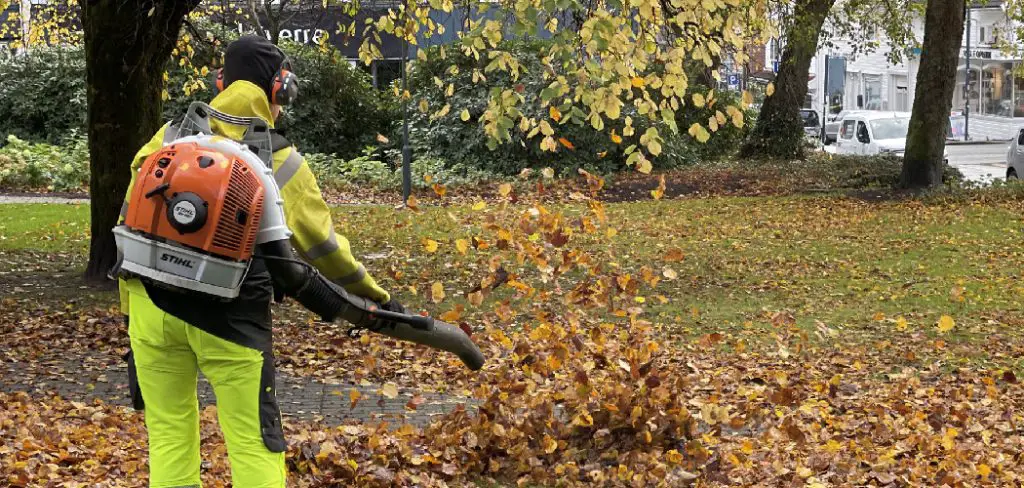
Taking a few minutes to handle the breakdown properly protects your neighborhood. It also ensures that viable metals and electronics get recycled appropriately. This guide on how to dispose of a leaf blower breaks down the entire process so you know exactly what to do with that dead machine taking up space in your garage.
We will walk through everything you need to know. You will learn how to evaluate your equipment before throwing it away. We will also cover a step-by-step breakdown of the dismantling process, alongside common mistakes that could lead to environmental fines.
Assessing the Leaf Blower for Repurposing or Donation
Before you decide to trash the equipment, take a moment to evaluate its current condition. A machine that feels worn out to you might still hold value for someone else. If the motor turns on and runs without major issues, donation or resale is worth exploring. Local community groups, Habitat for Humanity ReStores, and neighborhood buy-sell platforms often accept working yard tools.
If the unit only works intermittently, you could consider taking it to a small engine repair shop. Many local technicians will gladly accept old equipment for spare parts. Handing it off to a professional saves you the hassle of a full breakdown while giving the machine a second life. On the other hand, if the casing is cracked or leaking fuel, you should probably move on to formal disposal.
7 Simple Step-By-Step Guidelines on How to Dispose of a Leaf Blower
Step 1: Gather Your Safety Equipment
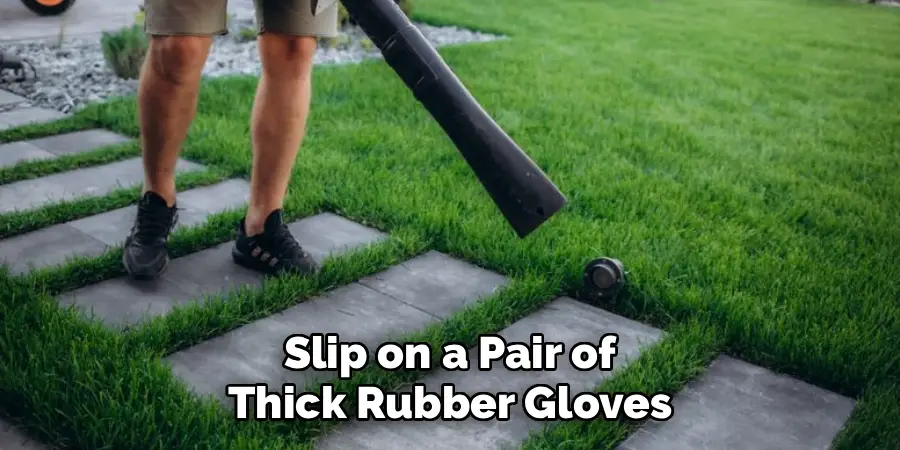
Protect yourself before handling any part of the dismantling process. Slip on a pair of thick rubber gloves and some safety goggles. Old clothing you don’t mind getting dirty is also highly recommended. Gas-powered models may still contain corrosive fuel residue. Battery-powered versions sometimes hold leaking lithium cells. Direct contact with these substances can cause immediate chemical burns.
Keep your workspace well-ventilated throughout the project. Working outdoors or in an open garage typically works best. Keeping a few sealed plastic bags nearby will help you safely store any hazardous materials you uncover during the teardown.
Step 2: Remove and Drain All Fuel
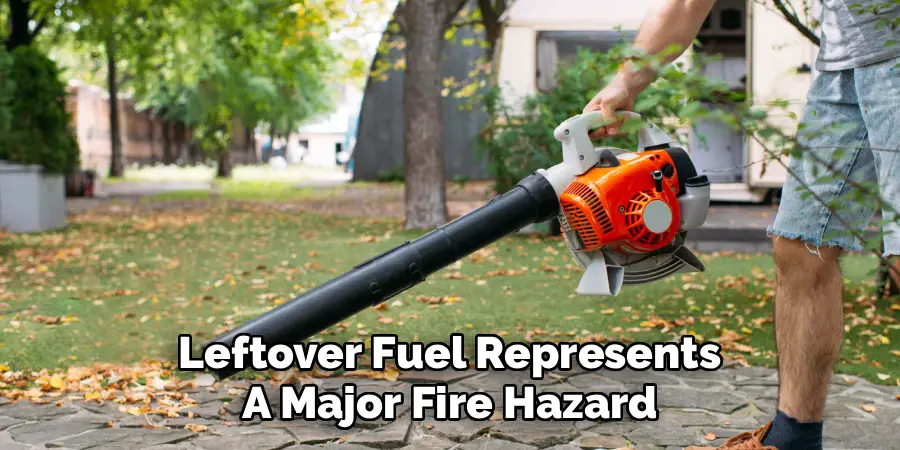
For gas-powered models, this requirement is entirely non-negotiable. Leftover fuel represents a major fire hazard and an environmental contaminant. You must remove it before doing anything else. Use a hand siphon pump to extract any remaining gasoline from the tank. Collect that liquid in an approved storage container.
Once drained, try running the engine briefly to burn off any residual droplets hiding in the carburetor. Never pour old gasoline down a residential drain. Instead, take it directly to a local hazardous waste facility. Many auto parts stores also accept used fuel for recycling at no cost.
Step 3: Remove the Battery (If Applicable)
Cordless units require the battery to be removed and handled separately. Lithium-ion packs are classified as hazardous waste in almost every state. They absolutely cannot go into regular trash bins. Carefully detach the power source according to the manufacturer’s printed instructions. Inspect the casing for swelling, cracks, or chemical leakage.
Store the isolated battery in a cool, dry place inside a sealed bag. Retailers like Best Buy, Home Depot, and Lowe’s commonly accept old lithium cells for proper recycling.
Step 4: Disassemble the Leaf Blower
With the dangerous fuel and batteries out of the picture, you can start pulling the machine apart. Grab a basic screwdriver set to remove the exterior housing panels. You want to separate the major internal components. The motor, blower tube, and air filter should all be completely detached from one another. Keep metal pieces separated from the plastic casing, since facilities process them through different recycling streams.
Taking photos as you go might help, especially if you plan to sell individual parts online. Labeling small gears with masking tape ensures nothing gets lost in the shuffle.
Step 5: Sort Components by Material Type
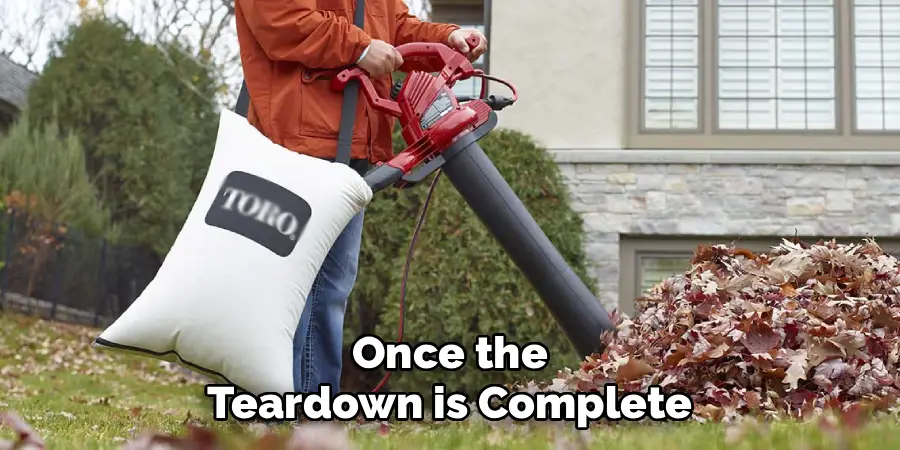
Once the teardown is complete, categorize everything into distinct piles. Sort out the metals, hard plastics, rubber seals, and electronic components. Doing this maximizes the amount of the unit that actually gets recycled.
Curbside recycling programs sometimes accept clean metal and hard plastic. You should verify this policy with your local waste management provider before dumping items in the bin. Electronic parts typically require specialized drop-off points, which leads us directly into the next phase.
Step 6: Take Electronic Parts to an E-Waste Facility
The primary motor and internal circuit boards are legally classified as electronic waste. Sending these pieces to a municipal landfill is illegal in many jurisdictions. You can easily locate a certified e-waste recycling facility near your home using resources like Earth911.com.
Many cities also hold free collection events during the spring and summer months. Some manufacturers even run take-back programs through the mail. Check the brand’s official website to see if a drop-off option exists for your specific model.
Step 7: Dispose of Non-Recyclable Parts Responsibly
After recycling the valuable materials, you will likely be left with a small pile of junk. Worn rubber seals, dirty filters, and degraded plastic fragments fall into this category. Place these remaining scraps in a sealed trash bag. They can usually go out with your general household waste. Before doing so, call your local waste authority to confirm whether fuel-contaminated plastics require special handling in your county.
Following these steps on how to dispose of a leaf blower, you can help prevent harm to the environment and ensure that your leaf blower is recycled or disposed of responsibly.
Common Mistakes to Avoid
Many homeowners unknowingly create massive problems by tossing yard tools carelessly. The absolute worst mistake is throwing the fully assembled unit straight into a residential trash can. Doing so contaminates municipal recycling streams and frequently sparks fires inside waste collection vehicles.
Another frequent error involves pouring old two-stroke fuel down a driveway drain. This introduces toxic chemicals directly into the local water supply. Placing lithium batteries in household recycling bins is equally dangerous and strictly prohibited nearly everywhere. Always separate the hazardous elements before disposal.
Disposal Options for Non-Recyclable Parts
Not every single gear inside your equipment can be recycled. That doesn’t mean those leftover pieces have to go straight to the local dump. Some alternative options worth exploring include:
- Hazardous Waste Drop-Off Centers: These specialized facilities accept contaminated filters and fuel-soaked plastic housing that standard programs refuse.
- Manufacturer Take-Back Programs: Specific brands like Husqvarna have sustainability initiatives allowing customers to mail back old equipment directly.
- Scrap Metal Dealers: Heavy, non-recyclable engine blocks may contain enough scrap aluminum that dealers will process it for a small payout.
Check your city’s official waste management website for local guidelines, as available services change wildly depending on where you live.
Eco-Friendly Alternatives to Traditional Leaf Blowers
Getting rid of a heavy gas-powered machine presents the perfect opportunity to upgrade to something greener. Battery-powered electric units have improved significantly over the past decade. Modern options from brands like EGO Power+ deliver tremendous clearing power without the exhaust fumes or messy oil mixtures.
For smaller properties, a traditional steel rake eliminates the need for motorized equipment altogether. Manual tools require zero electricity and produce zero noise pollution.
If you do decide to purchase a new electric model, try looking for one with replaceable battery packs and Energy Star certification. Several state governments currently offer tax rebates for switching from gas to electric yard tools.
Frequently Asked Questions
Can I Put a Leaf Blower in My Curbside Recycling Bin?
No, you should never place a whole leaf blower in a curbside recycling bin. These machines contain hazardous materials like lithium cells, leftover gasoline, and complex electronic boards. Tossing them in a municipal bin creates massive fire risks for sanitation workers. You need to disassemble the casing and dispose of each piece through its appropriate local channel.
How Do I Dispose of a Leaf Blower Battery Safely?
Lithium-ion power packs must be dropped off at a designated battery recycling location. Big-box retailers like Best Buy and Home Depot actively accept old lithium batteries at their customer service desks. You can also search for nearby drop-off points using the Earth911 registry. Never throw a damaged lithium cell in your kitchen trash, as degraded batteries can spontaneously ignite.
Is It Possible to Donate a Broken Leaf Blower?
A completely shattered leaf blower is not suitable for donation, but a partially functional machine might still hold value. Small engine repair technicians frequently accept non-working blowers for scrap parts. If the equipment runs but has minor cosmetic damage, community tool libraries or neighborhood exchange groups may gladly take it off your hands.

Make the Right Choice at the End of the Line
Scrapping yard equipment responsibly definitely takes a little more effort than just rolling a bin to the curb. The environmental payoff makes that extra twenty minutes worthwhile. Draining the oil, recycling the batteries, and sorting the scrap metal keep highly toxic materials out of our shared soil.
Use this teardown process as a turning point for your garage. Whether you switch to a quiet battery-powered model or go back to a trusty rake, every intentional choice adds up. Follow the breakdown steps on how to dispose of a leaf blower outlined above, and you will have that old machine cleared out safely.

About
Outdoor Fixes is a distinguished figure in the world of Diy design, with a decade of expertise creating innovative and sustainable Diy solutions.
His professional focus lies in merging traditional craftsmanship with modern manufacturing techniques,
fostering designs that are both practical and environmentally conscious. As the author of diy,
outdoorfixes delves into the art and science of outdoorfixes-making, inspiring artisans and industry professionals alike.
Education RMIT University
(Melbourne, Australia) Associate Degree in Design (Outdoor Fixes) Focus on sustainable design, industry-driven projects,
and practical craftsmanship. Gained hands-on experience with traditional and digital manufacturing tools, such as CAD and CNC software.
Nottingham Trent University
(United Kingdom) Bachelor’s in outdoorfixes.com and Product Design (Honors) Specialized in product design with a focus on blending creativity with production
techniques. Participated in industry projects, working with companies like John Lewis and Vitsoe to gain real-world insights.
Publications and Impact
In diy, Outdoor Fixes his insights on indoor design processes, materials, and strategies for efficient production.
His writing bridges the gap between artisan knowledge and modern industry needs, making it a must-read for both budding designers and seasoned professionals.