
Plants have a truly transformative power, capable of turning a plain, empty yard into a vibrant personal oasis. A backyard thoughtfully decorated with greenery can become a cherished extension of your home—a place for quiet relaxation, lively entertainment, and connection with nature. The process of using plants to design an outdoor space is a rewarding journey that adds immense beauty and value to your property. This guide will provide you with a comprehensive roadmap on how to decorate a backyard with plants, covering everything from initial planning and plant selection to creative arrangement ideas. You will learn the principles and techniques needed to cultivate a lush, beautiful sanctuary that reflects your personal style.
Planning Your Backyard Plant Paradise
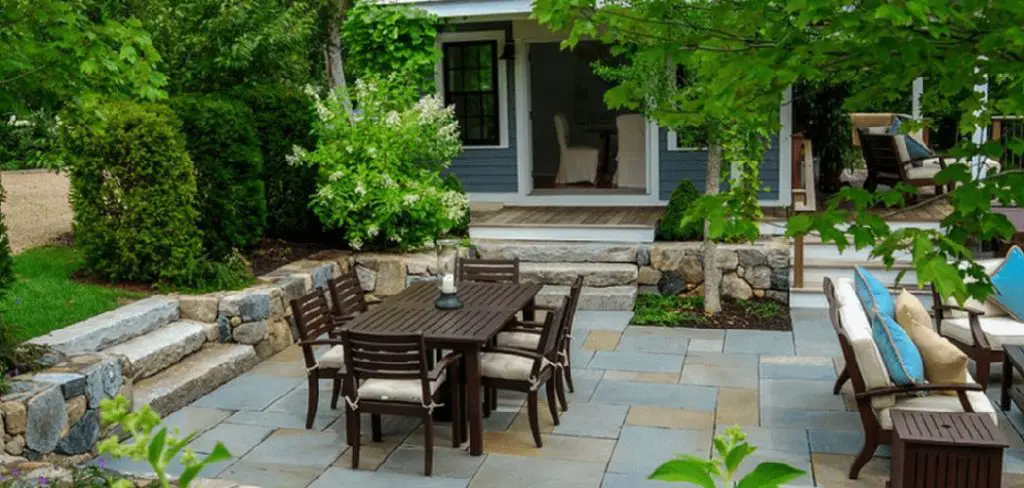
Before you head to the nursery and start filling a cart with beautiful plants, the most crucial step is to create a thoughtful plan. A well-considered plan saves time, money, and effort in the long run, ensuring the plants you choose will thrive in your specific environment. The first part of this process involves a careful assessment of your backyard’s conditions.
Consider the amount of sunlight different areas receive throughout the day, your regional climate zone, and the type of soil you have. At the same time, think about your personal style and how you envision using the space. Do you dream of a quiet corner for reading, a spacious area for dining, or a colorful backdrop for children to play?
Assessing Your Backyard’s Environment
To ensure your plants flourish, you must understand the microclimates within your yard. A simple way to do this is to map out the sunny and shady spots at different times of the day—morning, noon, and late afternoon. This will tell you which areas are full sun, partial shade, or full shade.
You can also perform a simple soil test to understand its composition, whether it is sandy, loamy, or clay-based, which will influence your plant choices. Furthermore, identifying your USDA Hardiness Zone is essential for selecting plants that can survive the winter temperatures in your region.
Defining Your Garden Style
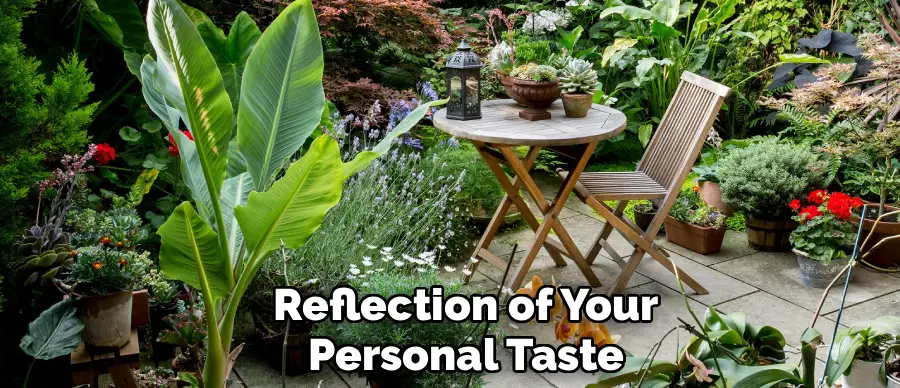
Your backyard should be a reflection of your personal taste and complement your home’s architecture. Defining a garden style provides a cohesive theme that guides your plant and decor choices. You might be drawn to the lush, bold foliage of a tropical oasis, the structured elegance of a formal English garden with its clean lines and classic roses, or the charming, relaxed feel of a rustic cottage garden overflowing with flowers.
Alternatively, a modern minimalist design featuring clean lines, simple color palettes, and sculptural plants might be more your speed. Choosing a style will help you create a unified and intentional look.
Essential Elements of Plant Design
Once you have a plan, you can begin to think like a landscape designer by incorporating fundamental design principles. Applying concepts like color theory, texture, and scale will help you create a backyard that is not only alive but also visually harmonious and engaging. These principles are the tools you will use to arrange plants in a way that feels balanced and professional.
Creating a Color Palette
Color is one of the most powerful tools in garden design. You can use a color wheel to create a specific mood. For instance, a monochromatic scheme using various shades of a single color, like purple, can create a sophisticated and serene look.
Complementary colors, which are opposite each other on the color wheel (like purple and yellow), produce a vibrant, high-energy feel. Cool colors such as blues, purples, and greens tend to recede, making a space feel larger and more tranquil. In contrast, hot colors like reds, oranges, and yellows advance toward the eye, creating a sense of excitement and making a large space feel more intimate.
Playing with Texture and Form
Beyond color, the texture and form of your plants add critical layers of depth and interest to your design. Texture refers to the surface quality of the leaves, which can be fine, coarse, smooth, glossy, or fuzzy. Combining different textures creates a rich tapestry.
For example, pairing the delicate, feathery fronds of a fern with the large, bold leaves of a hosta creates a beautiful contrast that draws the eye. Similarly, varying plant forms or shapes—such as upright, mounding, weeping, or spreading—add architectural structure and visual rhythm to your garden beds.
Step-by-Step Guide: How to Decorate a Backyard with Plants
With a plan and design principles in mind, you are ready to start the physical process of decorating. This primary section provides a practical, step-by-step guide to arranging plants for a lush, professional-looking result. Following this sequence will help you build your garden in layers, ensuring a cohesive and well-balanced design.
Step 1: Create a Focal Point
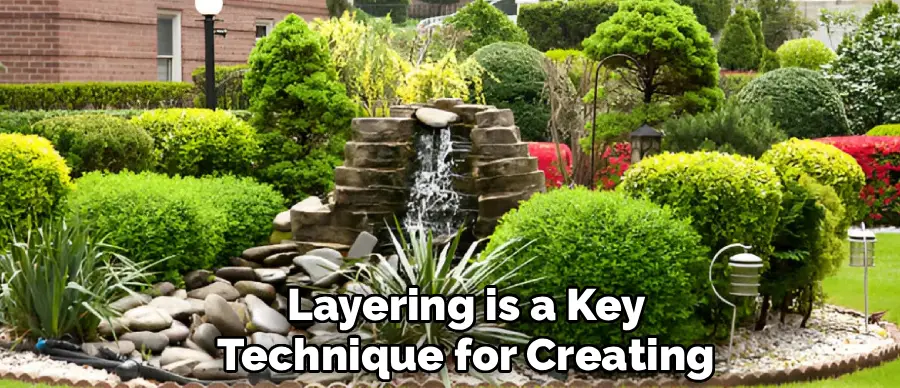
Every great design needs an anchor, and in the garden, this is known as a focal point. A focal point is a dominant feature that immediately draws the eye and gives it a place to rest. This could be a single, stunning ornamental tree with interesting bark or seasonal color, a bubbling water feature, a beautiful sculpture, or a large, dramatically planted container garden.
Placing a focal point strategically—for instance, at the end of a path or in the center of a view from a window—can guide how people experience your backyard and provide a strong starting point for the rest of your design.
Step 2: Establish Garden Beds and Borders
Next, you will need to define the areas where your plants will live. Establishing garden beds and borders along fences, patios, or walkways creates the structure of your garden. The shape of these beds will heavily influence the overall feel of your yard.
Gently curving lines create a soft, natural, and informal look that encourages the eye to wander through the space. In contrast, straight, geometric lines and right angles lend themselves to a more formal, modern, and structured design. Use a garden hose or rope to lay out the shapes on the ground and adjust them until you are happy with the flow.
Step 3: Layer Plants by Height
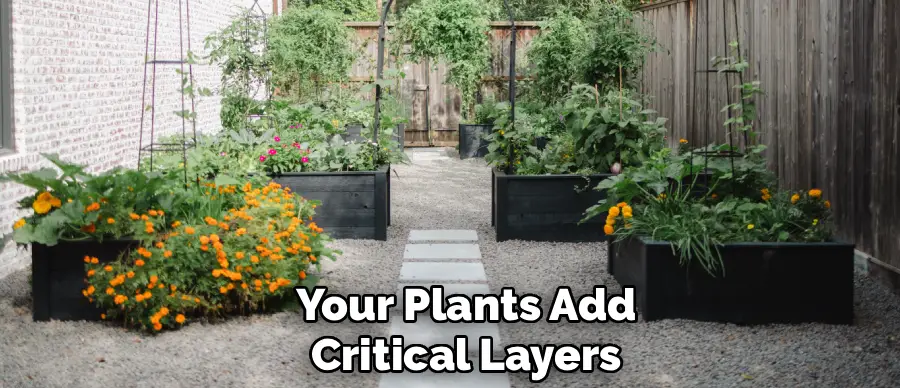
Layering is a key technique for creating a full, lush, and professional-looking garden bed. A popular and easy-to-remember layering method is the “thriller, filler, spiller” concept. Place your tallest, most dramatic plants (thrillers) at the back of the border to create a backdrop.
In front of them, add medium-sized, mounding plants (fillers) to flesh out the middle of the bed. Finally, at the very front edge, use low-growing or trailing plants (spillers) that will soften the border and cascade over the edges of the bed or onto a pathway. This creates visual depth and ensures that something is happening at every level.
Step 4: Group Plants in Odd Numbers
A simple but highly effective design rule is to group plants in odd numbers, such as clusters of three, five, or seven. Planting in odd-numbered groups creates a more natural and visually pleasing arrangement than planting in pairs or rigid, straight rows.
A single specimen plant can stand alone as a focal point, but when planting in multiples, an odd-numbered grouping encourages the eye to move around the cluster, creating a sense of natural harmony and avoiding the static, soldier-like appearance of even-numbered plantings.
Step 5: Incorporate a Variety of Plant Types
To ensure your backyard has visual interest throughout the year, it is important to incorporate a diverse mix of plant types. Perennials form the backbone of a garden, returning year after year, while annuals provide brilliant pops of color for a single season.
Shrubs, both evergreen and deciduous, add structure and winter interest. Ornamental grasses bring movement and texture, and bulbs can provide surprising bursts of color in spring and summer. By combining these different plant types, you create a dynamic garden that evolves with the seasons.
Creative Planting Ideas Beyond the Garden Bed
Even if you have limited ground space or simply want to add unique design elements, there are many creative ways to decorate your backyard with plants that go beyond traditional garden beds. These innovative ideas can add personality and greenery to any corner of your yard.
Vertical Gardening and Living Walls
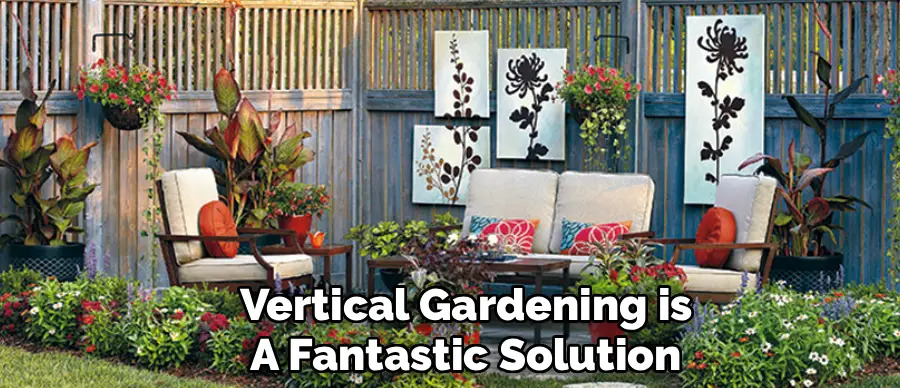
When you cannot build out, build up. Vertical gardening is a fantastic solution for small patios, balconies, or even bare, uninteresting walls. You can install a trellis and train climbing vines like clematis or jasmine to grow up it, creating a beautiful green curtain.
Another popular option is a living wall, which can be created using pocket planters or modular planting systems. These can be filled with a variety of herbs, succulents, or small annuals to create a stunning and space-saving vertical tapestry of green.
The Power of Container Gardening
Container gardening offers incredible flexibility and is an excellent way to decorate your backyard with plants. Using a variety of pots, containers, planters, and hanging baskets allows you to add color and life to any surface, including patios, decks, and front steps. Containers can be easily moved around to change the look of your space with the seasons, to catch better sunlight, or to highlight a plant that is in full bloom. Grouping containers of different sizes and styles can create a powerful design statement.
Choosing the Right Plants for Your Backyard
Making smart choices at the nursery is key to a successful and sustainable garden. Selecting plants based on their function and suitability for your specific needs will ensure your backyard not only looks good but also thrives with minimal intervention.
Plants for Privacy Screening
If your goal is to create a more secluded and private backyard, plants can serve as a beautiful and natural screen. Look for fast-growing evergreen shrubs or trees like Arborvitae or Leyland Cypress, which will provide a dense, year-round barrier along your property line. For a softer look, consider planting a row of tall, clumping ornamental grasses like Feather Reed Grass. These can create an effective screen during the summer and fall while adding gentle movement to the landscape.
Low-Maintenance Plants for Busy Homeowners
Not everyone has hours to spend on garden upkeep. If you are a busy homeowner, choose hardy and resilient plants that require minimal care once they are established. Drought-tolerant plants are an excellent choice, as they need less watering. Consider options like Sedum, which offers interesting textures and late-season flowers; Lavender, which provides beautiful color and fragrance; or native Coneflower, which attracts pollinators and stands up to heat and dry conditions with ease.
Using Plants to Define Outdoor “Rooms”
A truly sophisticated backyard design treats the space as an extension of the home, complete with distinct outdoor “rooms.” You can use plants as soft, living walls to define these different zones, creating functional areas for dining, lounging, or playing while maintaining an open, natural feel.
Creating a Secluded Reading Nook
To create an intimate and secluded spot perfect for reading a book, use plants to enclose a small area. Arrange tall ornamental grasses or a cluster of leafy shrubs around a comfortable bench or a single armchair. The foliage will create a sense of privacy and separation from the rest of the yard, making your nook feel like a secret garden escape. A small, fragrant flowering tree can also serve as a living canopy for your private retreat.
Framing a Patio or Dining Area
To make a patio or outdoor dining area feel more intentional and room-like, use plants to define its edges. A low, clipped hedge of boxwood can create a formal and elegant frame. For a more casual look, arrange a series of large potted plants around the perimeter of the seating area. This not only delineates the space but also surrounds you and your guests with greenery, making the experience of dining or relaxing outdoors more immersive and enjoyable.
Long-Term Care and Maintenance for a Beautiful Backyard
Once your backyard is decorated, a little ongoing care will ensure it continues to look its best and matures beautifully over time. Regular maintenance is key to keeping your plants healthy and encouraging them to flourish. This includes providing adequate water, especially for new plantings, and applying fertilizer as needed based on your plant choices and soil type. Periodic pruning helps to maintain the shape of shrubs and trees, while deadheading, or removing spent flowers, encourages many plants to produce more blooms.
Conclusion
Designing a beautiful outdoor space is an achievable and deeply rewarding project. By following a clear process of planning, applying basic design principles like color and texture, and layering your plantings, you can create a stunning backyard retreat.
We have explored how to assess your environment, choose a style, and build your garden with intention, from establishing focal points to selecting the right plants for privacy and low maintenance. Knowing how to decorate a backyard with plants empowers you to add immense value, beauty, and personal enjoyment to your home. We encourage you to start planning your own green sanctuary today and to savor the wonderful process of watching it grow and evolve.

About
Outdoor Fixes is a distinguished figure in the world of Diy design, with a decade of expertise creating innovative and sustainable Diy solutions.
His professional focus lies in merging traditional craftsmanship with modern manufacturing techniques,
fostering designs that are both practical and environmentally conscious. As the author of diy,
outdoorfixes delves into the art and science of outdoorfixes-making, inspiring artisans and industry professionals alike.
Education RMIT University
(Melbourne, Australia) Associate Degree in Design (Outdoor Fixes) Focus on sustainable design, industry-driven projects,
and practical craftsmanship. Gained hands-on experience with traditional and digital manufacturing tools, such as CAD and CNC software.
Nottingham Trent University
(United Kingdom) Bachelor’s in outdoorfixes.com and Product Design (Honors) Specialized in product design with a focus on blending creativity with production
techniques. Participated in industry projects, working with companies like John Lewis and Vitsoe to gain real-world insights.
Publications and Impact
In diy, Outdoor Fixes his insights on indoor design processes, materials, and strategies for efficient production.
His writing bridges the gap between artisan knowledge and modern industry needs, making it a must-read for both budding designers and seasoned professionals.