
TL;DR: Designing a backyard with a pool starts with a clear reading of the space you actually have, not the one you wish you had. From there, set a workable budget, choose a pool type that suits the way you live, and think carefully about layout, planting, safety, and permits. Done well, the result can be a backyard that feels attractive, usable, and easier to maintain over time.
A backyard pool can change the way an outdoor space is used. It may become the center of family weekends, a place to cool off after work, or simply something pleasant to look at from the kitchen window. For some homeowners, it can also strengthen resale appeal, though that depends on the market, the design, and how well the project fits the house rather than fighting it.
That is why the planning stage matters so much. A pool is not just a vessel filled with water; it sets off a chain of decisions about paving, drainage, fencing, privacy, lighting, and circulation. When those pieces are considered together from the beginning, the finished yard usually feels intentional. When they are not, even an expensive installation can feel awkward. In this guide on how to design a backyard with a pool, we will discuss some key factors to consider in the planning stage to ensure a successful and harmonious pool design.

How Should You Assess Your Backyard Space for a Pool?
Before any excavation begins, spend time studying the site as it exists. Look closely at the slope of the yard, the position of mature trees, areas where water tends to collect after rain, and any access limitations that might affect construction equipment. These are not minor details. They often shape the project more than homeowners expect.
Local rules matter too, sometimes more than aesthetics. Setback requirements, easements, utility lines, and zoning restrictions can narrow your options quickly. It is also wise to identify underground services early, since discovering them halfway through excavation can lead to delays and extra cost. In practice, the best location for a pool is not always the most obvious one. It is the spot that balances buildability, safety, sun exposure, and the way the yard will function afterward.
What is the Best Way to Set a Budget for a Backyard Pool?
A realistic budget should be built from the full scope of the project, not from the advertised price of the pool shell alone. Excavation, plumbing, electrical work, decking, fencing, drainage adjustments, and planting all add up. So do the quieter expenses that tend to appear later: permits, inspections, cleanup, and site-specific fixes that no one saw coming at the start.
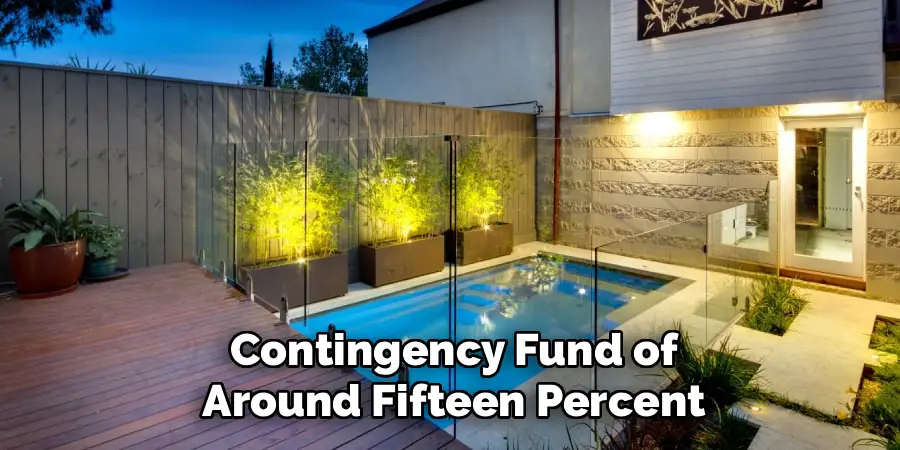
Then there is ownership. Water, chemicals, equipment servicing, seasonal opening or closing, and higher energy use can become part of the long-term cost of the pool. None of this means the project is unwise. It simply means the budget should reflect the whole life of the installation, not just construction week. A contingency fund of around fifteen percent is often sensible, especially because outdoor projects have a habit of encountering surprises once the ground is opened.
How to Choose the Right Type of Pool for Your Home?
Most homeowners end up comparing three common options: concrete, fiberglass, and vinyl liner. Each comes with trade-offs, and the right choice usually depends less on abstract quality than on priorities.
Concrete offers the most freedom in shape, depth, and custom detailing. That flexibility is appealing, especially for unusual sites or highly tailored designs, but it generally takes longer to install and may require more upkeep over time. Fiberglass pools arrive as pre-formed shells, which can shorten the installation schedule and provide a smoother surface that may discourage algae buildup. Vinyl liner pools often have the lowest upfront cost, though the liner will eventually need replacement, which should be treated as part of the ownership plan rather than an afterthought.
In other words, there is no universal best material. The better question is which option fits your timeline, maintenance tolerance, and budget without forcing compromises you will later regret.
7 Simple Step-by-step Guidelines on How to Design a Backyard With a Pool
Step 1: Define the Primary Purpose of Your Pool
Start with use. It sounds obvious, but many design problems trace back to skipping this question. A pool meant for young children will likely need different depths, clearer sightlines from the house, and more forgiving deck surfaces than one designed mainly for exercise. Someone who wants to swim laps every morning may care far more about uninterrupted length than about a dramatic freeform outline.
It helps to ask everyone in the household what they expect from the space. Not every wish can be accommodated, of course, and part of good design is deciding what matters most. Still, clarifying the pool’s main function early tends to sharpen every later decision. It becomes easier to spend money where it counts and decline features that look appealing in photos but add little to daily life.
Step 2: Determine the Ideal Pool Placement and Layout
Placement affects nearly everything: temperature, privacy, views, circulation, and even how often the pool is used. Watch how the sun moves across the yard. In many cases, a location with strong afternoon light can help keep the water more comfortable, though local climate and shade conditions will influence that.
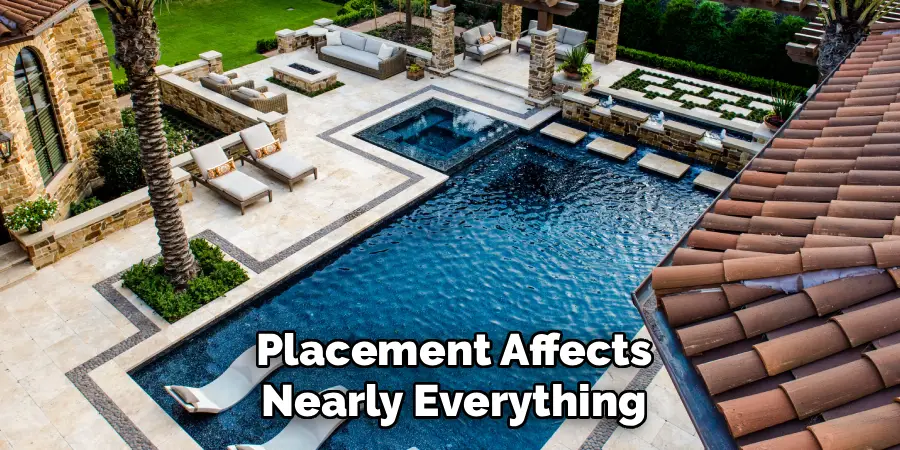
The view from inside the house deserves attention as well. A pool often reads as a major visual element all year, including months when no one is swimming. At the same time, the yard still needs to function around it. People need room to walk, sit, dine, supervise children, and move furniture without constantly squeezing past each other. That is where some plans go wrong: the pool is sized aggressively, and everything else is left to fend for itself. A slightly smaller pool with a better layout often produces a stronger yard.
Step 3: Select Complementary Decking and Hardscaping Materials
The area around the pool does more than frame it. It affects safety, comfort, maintenance, and the overall mood of the space. Common choices include natural stone, poured concrete, pavers, and wood or composite decking. Each has a different feel underfoot, a different visual weight, and a different maintenance profile.
Temperature matters here. So does slip resistance. A deck that looks elegant but becomes painfully hot or slick when wet may not age well in everyday use. The material should also make sense next to the house. If the pool deck feels disconnected from the patio, façade, or broader landscape, the whole backyard can read as a collection of parts rather than a single place. Matching tones, repeating materials selectively, or echoing existing architectural lines can help the transition feel more natural.
Step 4: Integrate Beautiful and Functional Landscaping
Planting does important visual work around a pool. It softens edges, breaks up hard surfaces, and can make a new installation feel settled into the yard rather than dropped onto it. Still, not every attractive plant belongs near water. Species that shed heavily, produce messy fruit, or attract too many insects can turn a pleasant setting into a maintenance headache.
For that reason, plant selection should be guided by climate and behavior, not just appearance. Ornamental grasses, evergreen structure, and in some regions palms or other broad-leaved plants can perform well, depending on local conditions. Privacy is another concern. Instead of relying solely on a tall fence, some homeowners use hedges, layered planting, or vine-covered screens to create an enclosure with a softer edge. That approach can feel less defensive and, in many ways, more convincing.

Step 5: Incorporate Appropriate Outdoor Lighting
Lighting extends the life of the space beyond daylight, but it should not be treated as decoration alone. Around a pool, it is also a safety system. Steps, edges, changes in level, and walkways need to be readable at night. Underwater LED fixtures can make the pool itself more inviting, and they do offer visual drama, though restraint usually helps. Too many competing effects can tip a backyard into looking more like a commercial venue than a home.
Outside the water, low landscape lighting can pick out trees, planting beds, or architectural features without flooding the yard with glare. Path lights, carefully placed spotlights, and modest ambient lighting over seating areas often work better than a single bright solution. The aim is not brightness everywhere. It is legibility, atmosphere, and a sense that the yard remains usable after sunset.
Step 6: Plan for Essential Safety Features and Fencing
Safety should be built into the design from the start rather than added later as a compliance exercise. Most local codes require a pool barrier, often a fence of at least four feet with a self-closing, self-latching gate. Those rules can feel restrictive at first, but they exist for obvious reasons.
There are also aesthetic decisions within those limits. Glass fencing, for example, can preserve views while still meeting code in many settings. In other cases, metal fencing or carefully designed enclosure walls may be more practical. Additional measures, such as automatic covers or surface motion alarms, may provide another layer of protection. None of these systems replaces active supervision, obviously, but together they can reduce risk in meaningful ways. A safe pool area should not feel like an afterthought. Ideally, it feels calm, clear, and well resolved.
Step 7: Add Custom Water Features and Accessories
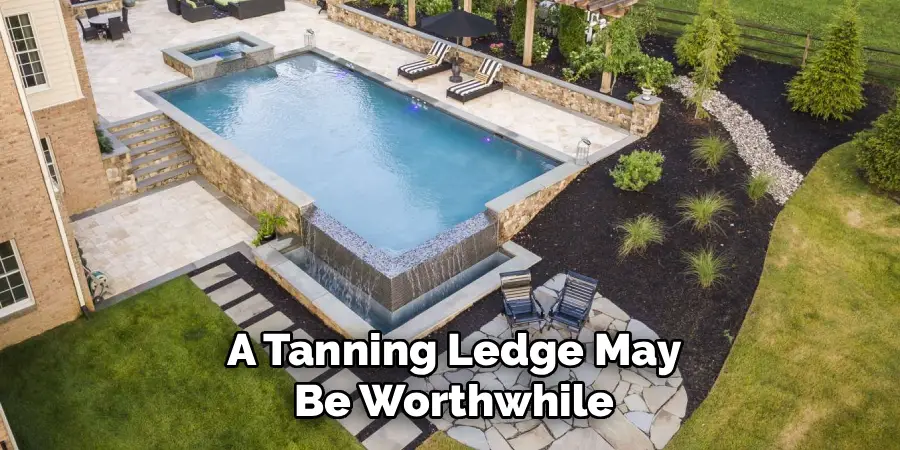
This is usually the stage where ambition starts to expand. Waterfalls, sheer descents, spillover spas, tanning ledges, built-in benches, and swim-up features can all change the experience of the pool. Some also change the soundscape, which may be useful if the goal is to mask nearby traffic or neighboring activity.
Still, not every add-on improves the design. Some features are expensive, visually busy, or fun only in theory. The better approach is usually selective. A tanning ledge may be worthwhile for a family that genuinely uses shallow lounging space; a spa may make sense if it will see regular use outside swimming season. The point is not to load the project with amenities. It is to choose the few that support the way the yard will actually be lived in.
Following these steps on how to design a backyard with a pool can help create a beautiful and functional space.
What Are the Common Backyard Pool Design Mistakes to Avoid?
One of the most common mistakes is giving all the attention to the pool itself and too little to the surrounding deck. Without enough usable paving, seating becomes cramped, circulation gets messy, and the yard may feel tighter than it is. Cost is another area where homeowners sometimes misjudge the project. Construction is only part of the expense, and maintenance can feel more substantial over time than expected.
Site planning errors are just as consequential. A pool placed under large deciduous trees may look pleasant on paper, but in daily life, it can mean constant debris in the water and more cleaning than most people want. There is also the issue of design coordination. When the pool, planting, and hardscape are handled separately without a clear overall vision, the result can feel pieced together. Consulting a skilled designer or landscape architect will not solve every problem, but it may prevent the most avoidable ones.
What Are Some Backyard Pool Ideas for Different Spaces?
Small urban backyards often benefit from restraint. A plunge pool or narrow lap pool placed along one side of the lot can preserve open space and keep the yard usable. Larger suburban properties have more room to experiment, and a freeform pool with rock elements and dense planting may create a looser, more natural atmosphere if that suits the house.
Sloped sites present a different challenge, but not necessarily a disadvantage. With the right engineering, retaining walls can support pools that take advantage of grade changes rather than fighting them. In some cases, that may lead to an infinity-edge effect and longer views across the landscape. If entertaining is the main priority, a more geometric pool layout tied closely to an outdoor kitchen, fire feature, and generous seating area often makes sense. The best idea, though, is rarely the most dramatic one. It is the one that fits the site without forcing it.
Frequently Asked Questions
Q1: How Long Does It Typically Take To Build A Backyard Pool?
A1: The schedule depends largely on the pool material, site conditions, contractor availability, and local permitting. In many cases, a fiberglass pool may be installed and ready for use in roughly three to four weeks. A custom concrete pool often takes longer—sometimes eight to twelve weeks, and occasionally more—because of forming, finishing, and curing requirements.
Q2: Do I Need A Permit To Build A Pool In My Backyard?
A2: In most jurisdictions, yes. Building permits and inspections are typically required before construction can begin. Homeowners are often asked to submit plans showing the pool location, barrier details, and electrical information so local officials can review the project for compliance with safety and zoning rules.
Q3: How Deep Should I Make My Backyard Swimming Pool?
A3: Depth should follow use. A family play pool often falls in the three-to-five-foot range, which tends to work well for wading, games, and general recreation. If a diving board is part of the plan, a much deeper end will usually be required to satisfy safety standards, often at least eight feet, depending on the design and local code.
Maximizing Your Outdoor Investment
Designing a backyard with a pool is a serious undertaking. It asks for patience, a fairly clear budget, and an honest reading of what the property can support. Yet when the planning is careful and the choices are grounded in actual use, the result can be far more satisfying than a design built around trends or impulse.
It is worth speaking with experienced pool builders and landscape professionals before final decisions are made. They can help interpret local regulations, flag site constraints early, and translate broad ideas into a workable plan. Done thoughtfully, a pool does more than fill part of the yard. It can reshape how the home is lived in, season after season. Thanks for reading this guide on how to design a backyard with a pool.

About
Outdoor Fixes is a distinguished figure in the world of Diy design, with a decade of expertise creating innovative and sustainable Diy solutions.
His professional focus lies in merging traditional craftsmanship with modern manufacturing techniques,
fostering designs that are both practical and environmentally conscious. As the author of diy,
outdoorfixes delves into the art and science of outdoorfixes-making, inspiring artisans and industry professionals alike.
Education RMIT University
(Melbourne, Australia) Associate Degree in Design (Outdoor Fixes) Focus on sustainable design, industry-driven projects,
and practical craftsmanship. Gained hands-on experience with traditional and digital manufacturing tools, such as CAD and CNC software.
Nottingham Trent University
(United Kingdom) Bachelor’s in outdoorfixes.com and Product Design (Honors) Specialized in product design with a focus on blending creativity with production
techniques. Participated in industry projects, working with companies like John Lewis and Vitsoe to gain real-world insights.
Publications and Impact
In diy, Outdoor Fixes his insights on indoor design processes, materials, and strategies for efficient production.
His writing bridges the gap between artisan knowledge and modern industry needs, making it a must-read for both budding designers and seasoned professionals.