
If you want fewer flying insects around your patio, start with the basics: remove standing water, run oscillating fans, and keep insect-averse plants such as citronella and lavender nearby. Screens can help. So can warm yellow LED bulbs, which tend to attract fewer insects than standard white lights. Used together, these measures often make an outdoor sitting area noticeably more comfortable.
A quiet evening on the patio can feel like one of the real rewards of having outdoor space. Then the mosquitoes show up. Or gnats drift into your drink. Or flies begin circling the table just as dinner is served. At that point, the whole scene changes, and fast. Knowing how to reduce that pressure from insects matters if you actually want to use your patio rather than glance at it through the window.
The good news is that you do not always need heavy pesticide use or a professional treatment plan to make a meaningful difference. In many cases, a few practical changes to airflow, moisture, lighting, and cleanup habits will cut insect activity quite a bit. None of this guarantees a perfectly bug-free yard—outdoor spaces are still outdoor spaces—but it can shift the balance in your favor and make the area far easier to enjoy over the course of a season. In this guide on how to keep flying insects away from patio and yard, we will discuss some practical tips to reduce flying insects’ presence in your outdoor space.
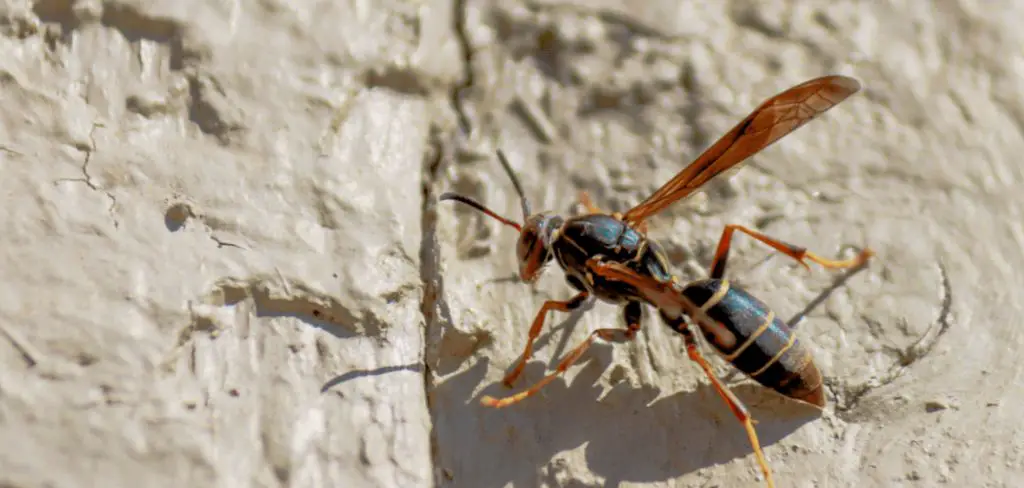
Identify the Types of Flying Insects
Before choosing a solution, it helps to know which insects are actually causing the problem. People often lump everything into “bugs,” but the triggers are not the same. Mosquitoes, for instance, are among the most disruptive patio pests. They thrive in humid conditions and can breed in surprisingly small amounts of still water. They also tend to be most active around dawn and dusk, when they home in on body heat and the carbon dioxide we exhale.
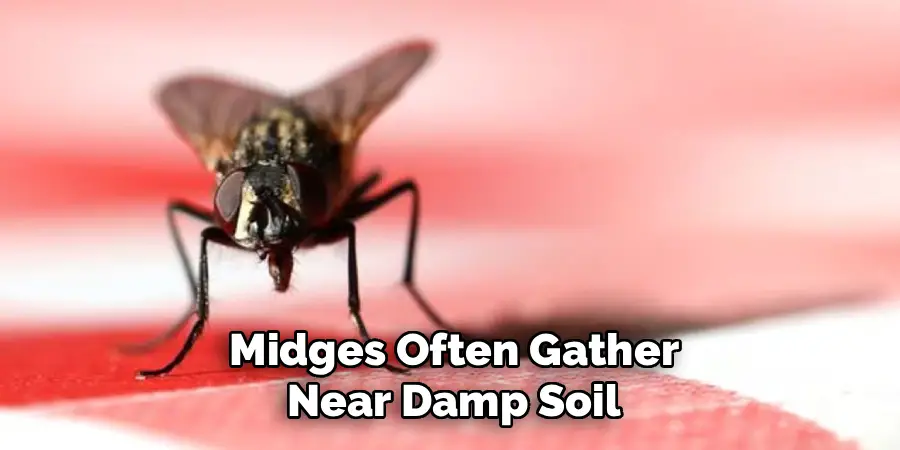
Flies operate differently. Houseflies and fruit flies usually respond to food waste, trash, sugary spills, or overripe produce left out after a meal. Gnats and midges often gather near damp soil, compost, or decaying plant matter, which is why they seem to hover in clouds near planters and garden edges. Wasps and yellow jackets are in another category altogether. They are less a nuisance than a threat, especially when sweet drinks, meat, or open garbage are involved. Once you know what is visiting your patio, your prevention efforts can be more targeted and usually more effective.
7 Simple Step-By-Step Guidelines on How to Keep Flying Insects Away From Patio
Step 1: Eliminate All Sources of Standing Water
For mosquitoes, standing water is the starting point. Without it, their breeding cycle is interrupted; with it, even a small container can become a problem. After rain, inspect the patio and the surrounding yard carefully. Check birdbaths, plant saucers, buckets, clogged gutters, watering cans, toys, and any low spots where water tends to sit. It does not take much.
Visible water is only part of the issue, though. Drainage matters too. If water repeatedly collects near the patio, the ground may need to be regraded so that runoff moves away from the house and seating area. Decorative water features deserve special attention. A fountain or small pump may help by keeping water in motion, and some homeowners use fish in larger features as a form of larvae control. The broader point is simple: if mosquitoes keep appearing, it is worth assuming there is water somewhere nearby, even if it is not obvious at first glance.
Step 2: Utilize Oscillating Fans to Disrupt Flight Paths
Fans are one of the more practical tools available, and they are often underestimated. Many small flying insects—especially mosquitoes and gnats—are weak fliers. A steady breeze can make it difficult for them to land, hover, or even remain in the area. That alone may reduce the number that reach your table.
Placement makes a difference. One fan pointed in the wrong direction will do less than two or three positioned to move air across the seating zone, including lower areas near legs and ankles where mosquitoes often bite. There is also a second benefit, and this one is easy to overlook: moving air disperses the carbon dioxide plume people naturally create. Since mosquitoes appear to use that signal to locate hosts, breaking it up may make the space less easy for them to track. As a result, fans can cool the patio and reduce insect activity at the same time, which is rare enough to be appreciated.
Step 3: Plant Bug-Repelling Flora Around the Perimeter
Plants are often presented as a complete answer to insect problems, which is probably overstated. Still, certain aromatic herbs and flowers may help, especially when they are part of a broader strategy. Citronella, lavender, rosemary, and marigolds are commonly used around patios because of their strong scent and because many homeowners find them easy to grow in containers.
Where you place them matters more than people sometimes assume. Pots near seating areas, doorways, and dining surfaces are usually more useful than plants set far out in the yard. Some gardeners also lightly crush or rub the leaves to release more fragrance while sitting outside. That may offer a modest benefit, though expectations should stay realistic. These plants are best thought of as supportive measures rather than stand-alone protection. Even so, they can make a patio feel more pleasant, and unlike many insect-control products, they contribute something aesthetically as well.
Step 4: Install the Proper Outdoor Lighting
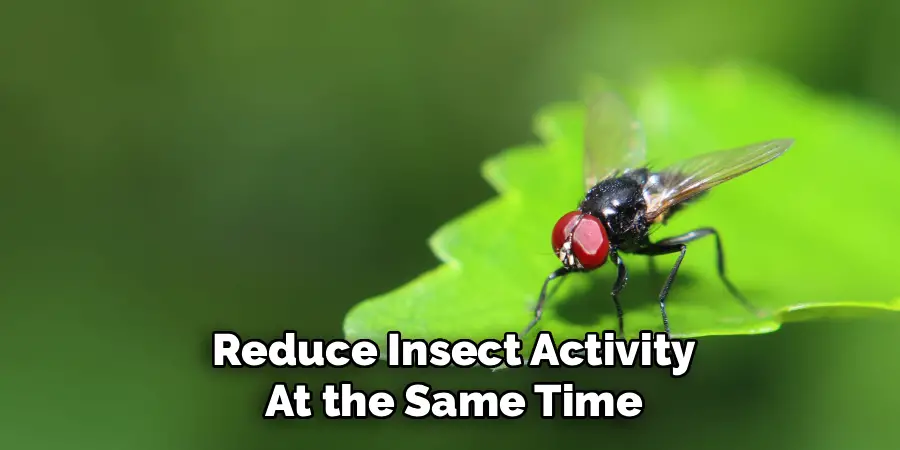
Lighting can make an insect problem worse without the homeowner realizing it. Traditional bulbs, particularly those with cooler white or bluish output, tend to draw moths, flies, beetles, and other night-active insects toward the patio. If the fixture is directly over a seating or dining area, that attraction becomes your problem almost immediately.
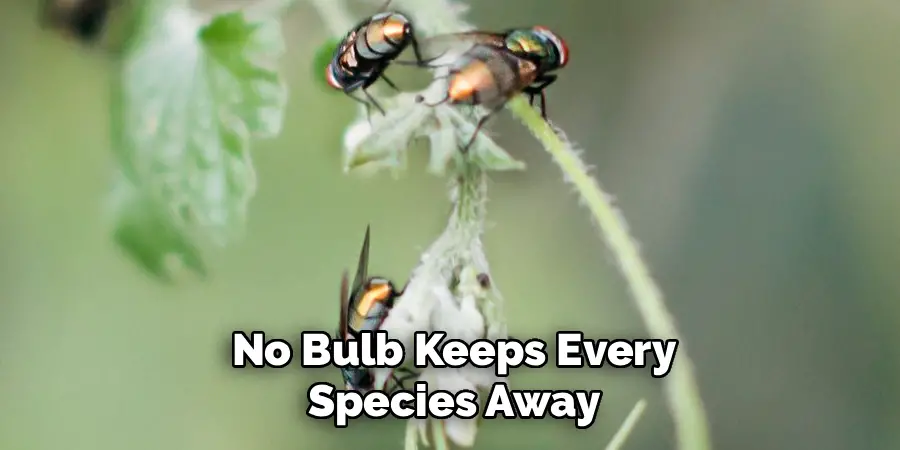
A switch to warmer yellow or amber-toned bulbs often helps reduce that effect. Bug lights marketed for outdoor use are built around the same idea: alter the wavelength profile so fewer insects are drawn in. Results vary, and no bulb keeps every species away, but the change is often noticeable. Another useful tactic is to place brighter lights farther from the patio itself, which may pull insect activity toward another part of the yard. It is a small design choice, but one with practical consequences.
Step 5: Apply Essential Oil Repellents Strategically
For homeowners who would rather avoid conventional sprays, essential oils are often the first alternative considered. Peppermint, eucalyptus, lemongrass, and tea tree are commonly used in homemade or commercially prepared repellents. Some people report good results, particularly in limited spaces or for short periods. That said, “natural” should not be confused with universally effective or risk-free. Skin sensitivity, pet exposure, and uneven performance are all worth considering.
If you use them, application strategy matters. A diluted perimeter spray for patio furniture, cushions, and surrounding surfaces may be more useful than casually misting the air and hoping for the best. Outdoor diffusers can also work in small seating areas by releasing scent continuously. Citronella candles and incense are another option, though their range tends to be limited, especially in the wind. In other words, essential oils may help, but usually as one layer in a larger plan rather than the whole plan.
Step 6: Maintain a Clean and Food-Free Patio Area
A patio that looks clean can still be highly attractive to insects. A few drops of soda, marinade on a table edge, grease near the grill, or an overflowing trash can is often enough. Flies will find it. So will wasps and yellow jackets, especially later in the season when food becomes scarcer, and competition intensifies.
The routine here is unglamorous but effective. Wipe surfaces after meals. Sweep up crumbs. Rinse sticky residue from cups, bottles, and outdoor counters. Trash cans should close tightly and, if possible, sit away from the main seating area. Recycling bins deserve attention too, especially when they contain beverage containers. Pet food is another common oversight. Leaving a bowl out after the animal has walked away may invite exactly the kind of insect traffic you are trying to avoid.
Step 7: Set Up Physical Barriers and Screens
When insect pressure is high, barriers are often the most reliable answer. Not elegant, perhaps, but reliable. Mosquito netting around an umbrella, gazebo, or pergola can create a clear, protected zone without much permanent construction. Good netting still allows airflow and visibility, which is important; otherwise, the cure starts to feel like its own inconvenience.
For a longer-term fix, screened patios and retractable screen systems offer stronger protection. They cost more, of course, and not every patio layout makes them practical. Even so, where they fit, they tend to outperform sprays, candles, and decorative deterrents simply because they block access directly. In areas with heavy mosquito or gnat populations, that level of separation may be the only approach that provides consistent relief.
Following these steps on how to keep flying insects away from patio areas can greatly improve your outdoor experience.

Seasonal Tips for Keeping Bugs Away
Insect patterns shift through the year, so the best response in April may not be the best response in August. Spring usually calls for close attention to water accumulation. Rainfall, mild temperatures, and fresh plant growth can create breeding conditions before people fully notice the problem. Summer often brings the highest activity, particularly around dawn and dusk, when mosquitoes seem to arrive all at once. That is usually the time to rely more heavily on fans, light management, and careful cleanup after meals outdoors.
Autumn has its own issues. Wasps and yellow jackets can become more aggressive or at least more persistent as food sources change, which makes open drinks, garbage lids, and food scraps harder to ignore. No seasonal rule is perfect in every climate, but adjusting your approach over time tends to work better than using the same tactic all year and expecting identical results.
Common Mistakes to Avoid
Some patio insect problems are, bluntly, self-created. Overwatered container plants are a common example. Damp soil can attract gnats, and repeated watering without proper drainage keeps that cycle going. Bug zappers are another frequent misstep. Many people buy them hoping for immediate relief, yet they often attract a broad range of insects into the area and may kill non-target species more readily than mosquitoes.
Outdoor grills are another weak spot. If grease traps are left dirty, flies will notice long before you do. Scent plays a role, too. Strong floral perfumes and fragranced lotions may draw the attention of bees or wasps, especially in warm weather. None of these mistakes is disastrous on its own, but together they can undermine every other measure you put in place.
Patio Design Ideas That Reduce Insects
If you are building or renovating a patio, some design decisions can make insect control easier from the start. Ground surfaces matter. Dense materials such as concrete or tightly laid stone are generally less likely to hold moisture than loose gravel or wood mulch near seating areas. That does not eliminate insects, obviously, but it can reduce damp pockets where they thrive.
Air movement is another design issue that deserves more attention than it usually gets. A ceiling fan under a pergola or covered patio may do more for comfort than a surprising number of decorative upgrades. Deck construction also matters. If there is a dark, damp space below, screening beneath the floorboards may help reduce mosquito breeding in that sheltered area. Sunlight can help as well. Seating zones that receive more direct light and natural breeze are often less hospitable to biting insects than still, shaded corners. Sometimes the best insect-control feature is simply not placing the dining set in the worst possible spot.
Frequently Asked Questions
What Are the Best Plants for Repelling Flying Insects?
Citronella, lavender, peppermint, lemongrass, and marigolds are among the plants most often used for this purpose. Their fragrance may help make a patio less appealing to certain insects, particularly when the plants are placed close to where people sit. Still, they tend to work best as part of a layered approach rather than a complete solution on their own.
How Does Outdoor Lighting Affect Bug Populations?
Lighting can shape insect activity more than many homeowners expect. Standard bright white or blue-toned bulbs often attract flying insects to the patio area, especially at night. Warmer yellow, amber, or bug-specific LED bulbs may reduce that attraction and, in some settings, lead to fewer insects clustering near doors, tables, and overhead fixtures.
Are Chemical Bug Sprays Safe to Use Around the Patio?
They can be effective, but safety depends on the product, the application method, and who uses the space. Sprays containing DEET or permethrin should be handled carefully, particularly around children, pets, and outdoor dining areas. For those who prefer a lower-chemical approach, plant-based or essential-oil repellents may be worth trying, though they often need more frequent reapplication. In either case, the label matters. It should be read.
Enjoying a Pest-Free Outdoor Lifestyle
A patio does not have to be overrun by flying insects, but keeping it comfortable usually takes more repetition than magic. Remove the water sources. Move the air. Clean up food residue before it becomes bait. Adjust the lighting. Add screens if the problem is persistent. None of these steps is especially complicated, yet together they can change how usable the space feels.
That, really, is the goal. Not perfection. Just a patio where you can sit outside, eat dinner, or read in the evening without swatting constantly at the air. For most households, that is achievable with steady maintenance and a few well-chosen interventions. Thanks for reading this guide on how to keep flying insects away from patio.

About
Outdoor Fixes is a distinguished figure in the world of Diy design, with a decade of expertise creating innovative and sustainable Diy solutions.
His professional focus lies in merging traditional craftsmanship with modern manufacturing techniques,
fostering designs that are both practical and environmentally conscious. As the author of diy,
outdoorfixes delves into the art and science of outdoorfixes-making, inspiring artisans and industry professionals alike.
Education RMIT University
(Melbourne, Australia) Associate Degree in Design (Outdoor Fixes) Focus on sustainable design, industry-driven projects,
and practical craftsmanship. Gained hands-on experience with traditional and digital manufacturing tools, such as CAD and CNC software.
Nottingham Trent University
(United Kingdom) Bachelor’s in outdoorfixes.com and Product Design (Honors) Specialized in product design with a focus on blending creativity with production
techniques. Participated in industry projects, working with companies like John Lewis and Vitsoe to gain real-world insights.
Publications and Impact
In diy, Outdoor Fixes his insights on indoor design processes, materials, and strategies for efficient production.
His writing bridges the gap between artisan knowledge and modern industry needs, making it a must-read for both budding designers and seasoned professionals.