
To effectively operate a lawn spreader, first verify your material and calibrate the equipment dial to match manufacturer specifications. Fill the hopper over a paved surface, establish a steady walking pace before opening the baffle, and overlap passes slightly. Always clean the unit thoroughly to prevent mechanical corrosion.

Achieving a vibrant stretch of turf demands a bit more than arbitrary watering. It requires a systematic approach to distributing seeds, fertilizers, and pest management materials. A mechanical lawn spreader often serves as the primary instrument for this task. Using one properly appears to indicate the difference between a thriving residential micro-ecology and an uneven patch of struggling vegetation.
Operating this equipment without an underlying strategy might yield unintended consequences. You could encounter chemical burns on your grass. You might also waste expensive materials. Developing a mechanical familiarity with your specific spreader model tends to mitigate these risks. It turns an otherwise unpredictable weekend chore into a highly calculated agricultural intervention.
By analyzing the mechanics of your equipment and adopting a methodical walking pattern, you can assert a greater degree of control over your soil’s nutritional profile. This guide on how to use a spreader explores the foundational techniques required to optimize your application process.
Understanding The Types Of Spreaders
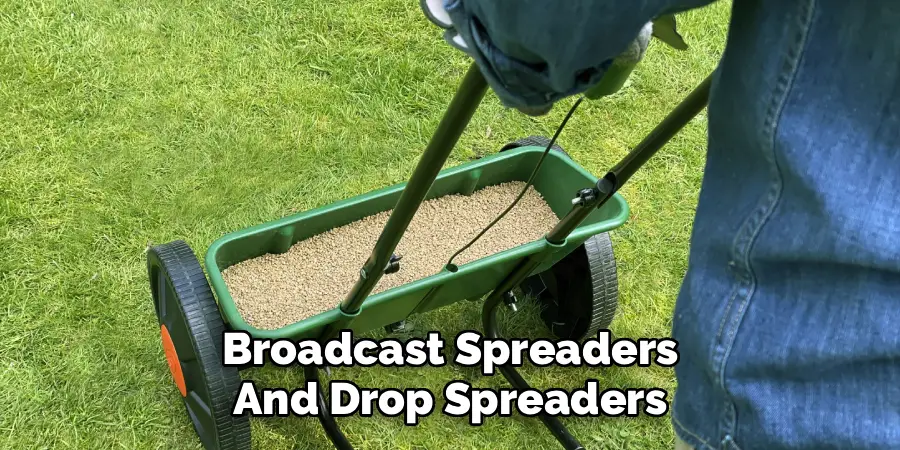
Before you load any material, taking inventory of your available hardware seems prudent. Lawn spreaders typically occupy two distinct categories: broadcast spreaders and drop spreaders. Broadcast models—frequently referred to as rotary spreaders—utilize a spinning plate that ejects granules outward in a wide arc. These machines are exceptionally efficient for expansive properties because they distribute material rapidly. They do, however, sacrifice a degree of perimeter precision.
Drop spreaders take a far more literal approach to distribution. They release material straight down through a series of apertures located directly between the wheel base. This configuration offers significant accuracy. If you manage a modest yard or navigate around complex floral installations, a drop spreader might represent the most logical choice. Identifying your specific machine dictates your eventual walking trajectory and helps shield vulnerable garden foliage from accidental exposure.
7 Simple Step-By-Step Guidelines On How To Use A Spreader
Step 1: Read The Product Label And Calibrate Your Spreader
Effective turf management starts well before the equipment touches the grass. Every commercial bag of fertilizer or seed includes a detailed panel of application parameters. Locating this baseline data is paramount. Disbursing an excessive volume of synthetic nitrogen could severely damage your soil ecosystem. Conversely, an insufficient application rate frequently leaves the turf entirely unbothered by the nutrients.
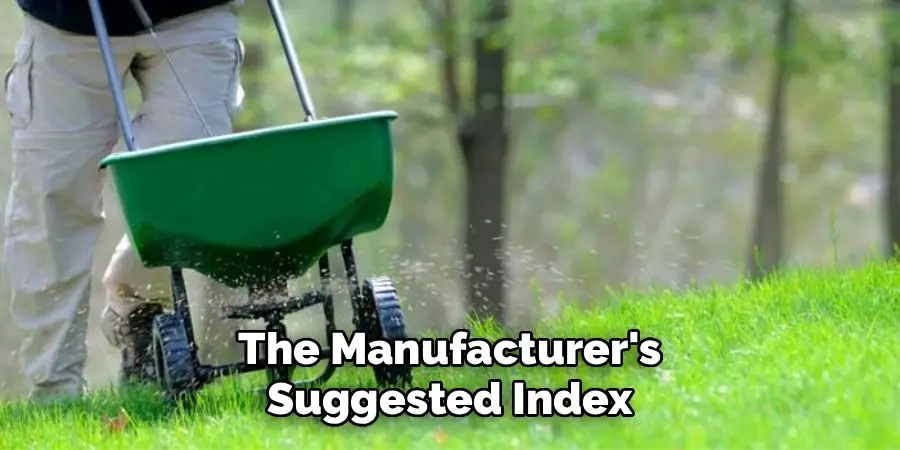
After locating the required application rate, adjust the mechanical dial on your spreader to align with those figures. Most contemporary units incorporate a numeric gauge near the primary handle. Set that mechanism to correspond with the manufacturer’s suggested index. Properly configuring this physical limitation helps ensure that you distribute an exact dosage across the landscape.
Step 2: Fill The Hopper On A Hard, Flat Surface
Homeowners frequently make the tactical error of loading their equipment while parked on the lawn itself. Spilling concentrated agricultural chemicals directly onto grass blades will almost invariably cause localized toxicity. Maneuver the device onto a concrete driveway or brick patio before tearing open any packaging.
Pour the granular substance slowly into the plastic hopper. This cautious approach limits airborne dust. Should a spill occur on the pavement, you can simply sweep up the stray granules with a standard dustpan. Reintroducing that spilled material back into the hopper limits financial waste while simultaneously preventing aggressive phosphates from washing down municipal storm drains.
Step 3: Establish A Header Strip Around The Perimeter
You should create a calculated buffer zone around your property edges to guarantee complete coverage without accidentally dumping material into neighboring garden beds. Push the spreader along the absolute border of the grass. Dispense your material to form a continuous perimeter boundary. If your lawn resembles a basic rectangle, this might involve two horizontal passes or a single lap around the entire boundary.
These outer strips essentially function as designated turning areas. As you navigate the interior of the lawn, you will disengage the release lever upon entering the header strip. You can then pivot the machine safely. Re-engage the trigger only as you exit the turning zone, which effectively prevents severe chemical overlaps in the corners.
Step 4: Walk At A Steady, Consistent Pace
Your pedestrian velocity directly dictates the volume of product deposited onto the soil. Manufacturers typically calibrate their baseline settings under the assumption that an operator walks roughly three miles per hour. A sluggish stroll allows the hopper to deposit an excessive concentration of fertilizer. Breaking into a light jog spreads the material far too thin.
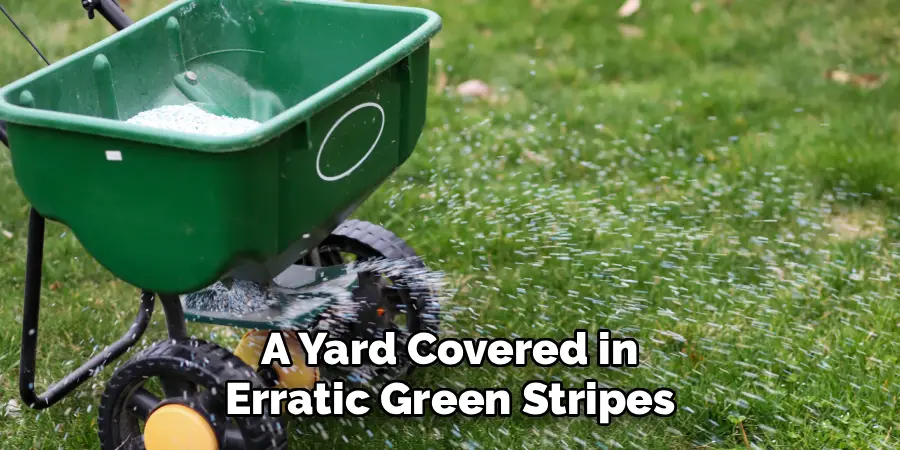
Attempt to hold a steady stride throughout the entire application. Focus your visual attention on the horizon rather than staring down at the wheels. Looking forward intuitively straightens your walking path. Keeping a uniform physical rhythm may suggest the most reliable defense against cultivating a yard covered in erratic green stripes.
Step 5: Open The Baffle Only While Moving
A fundamental rule of spreader operation dictates that you should never open the bottom dispensing mechanism while standing completely still. Take at least one full step forward before squeezing the handlebar trigger. This slight physical momentum ensures the material disperses outward immediately. It prevents a concentrated chemical mound from accumulating under your shoes.
You must also close that same baffle just before halting your forward progress. Release the trigger a fraction of a second before executing a sharp directional turn. Shutting off the flow during corners stops the interior wheel from dumping surplus fertilizer while the exterior wheel travels a wider arc. Developing this specific start-and-stop cadence remains highly beneficial for residential turf management.
Step 6: Overlap Your Passes Slightly
Systematically overlapping your trajectories ensures that zero square footage escapes treatment. When utilizing a drop spreader, place your interior wheel directly over the faint track left by your previous pass. This precise alignment merges the chemical boundaries seamlessly. It minimizes the probability of untreated gaps.
Broadcast spreaders require a slightly altered geometry due to their radial throwing pattern. You must position your walking path so the outermost edge of the flying granules lightly touches your previous wheel tracks. You are essentially overlapping the dispersal zones by fifty percent. This mathematical overlap successfully compensates for the inherent thinning of material at the extreme edges of a rotary throw.
Step 7: Clean And Store Your Equipment Properly
The application process concludes only after the physical hardware receives adequate maintenance. Return any leftover product to its original packaging. Tightly secure the bag. Abandoning synthetic fertilizer inside a plastic hopper often invites atmospheric humidity, which forces the granules to fuse into solid, impenetrable blocks.
Wash the entire spreader architecture with a standard garden hose. Commercial ice melts and turf builders harbor aggressive salts that aggressively corrode steel axles. Allow the newly rinsed machine to dry beneath direct sunlight. Storing a completely dry device in an enclosed garage preserves its mechanical integrity for subsequent growing seasons.
Following these steps on how to use a spreader, you can ensure that your lawn and garden maintenance is done efficiently and effectively.
Common Mistakes To Avoid
Novice operators occasionally neglect to consult regional weather data before distributing expensive treatments. Applying a water-soluble fertilizer hours before a torrential thunderstorm essentially flushes the investment straight into the local watershed. Wind velocity also deserves careful scrutiny.
Disbursing lightweight seed via a rotary spreader during high wind frequently blows the material into adjacent driveways. Waiting for an entirely calm afternoon appears to yield the most predictable results.
Troubleshooting Common Spreader Issues
If distinct, alternating stripes suddenly materialize across your grass, your overlap technique or walking speed likely lacks consistency. A jammed hopper mechanism generally indicates that ambient moisture has compromised the granular integrity of your material. You must empty the chamber entirely to manually fracture the chemical clumps.
Should a rotary model begin ejecting fertilizer exclusively to the right side, inspect the lower impeller plate for debris and verify your tire pressure.
Environmental Considerations And Best Practices
Conscientious property management involves tracking chemical locations long after they exit the hopper. Sweep any stray fertilizer off the asphalt to prevent ecological contamination of municipal waterways.
When treating turf immediately adjacent to a pond or fragile ecological boundary, deploying a drop spreader drastically limits the potential for aquatic chemical intrusion.
Frequently Asked Questions
Q1: Can I Use The Same Spreader For Seed, Fertilizer, And Ice Melt?
You certainly can cycle various materials through a single machine, assuming you implement a rigorous cleaning protocol. Winter salts trigger rapid oxidation on unprotected metal components. Thoroughly flushing the unit with fresh water prevents structural failure. The hopper must then become entirely devoid of moisture before you introduce grass seed; otherwise, the organic matter will instantly stick to the damp plastic walls.
Q2: How Do I Know What Setting To Use If My Product Isn’t Listed?
Certain niche agricultural products may omit exact calibration settings for your specific hardware. You can establish a baseline by isolating a 100-square-foot testing zone on a paved driveway. Set the dial to a conservative metric and walk the area. Collect the dispersed material with a broom, weigh it, and incrementally adjust the physical dial until your output matches the bag’s prescribed ratio.
Q3: Should I Mow The Lawn Before Or After Using A Spreader?
Cutting the grass a day or two prior to a chemical application generally provides superior outcomes. A shorter turf canopy permits the descending granules to physically contact the topsoil layer. Postponing your next mowing session for several days after the application prevents the rotary mower blade from vacuously extracting the freshly deposited material.

Final Thoughts On Lawn Application Dynamics
Fostering a resilient residential landscape does not require advanced agricultural degrees. It primarily relies on deploying basic mechanical tools with a degree of calculated precision. Taking the time to understand your spreader’s dispersal patterns drastically reduces common application errors.
Prioritize equipment maintenance, observe local weather variables, and refine your walking mechanics. Implementing these pragmatic techniques routinely pushes a struggling yard toward long-term ecological stability. Thanks for reading this guide on how to use a spreader.

About
Outdoor Fixes is a distinguished figure in the world of Diy design, with a decade of expertise creating innovative and sustainable Diy solutions.
His professional focus lies in merging traditional craftsmanship with modern manufacturing techniques,
fostering designs that are both practical and environmentally conscious. As the author of diy,
outdoorfixes delves into the art and science of outdoorfixes-making, inspiring artisans and industry professionals alike.
Education RMIT University
(Melbourne, Australia) Associate Degree in Design (Outdoor Fixes) Focus on sustainable design, industry-driven projects,
and practical craftsmanship. Gained hands-on experience with traditional and digital manufacturing tools, such as CAD and CNC software.
Nottingham Trent University
(United Kingdom) Bachelor’s in outdoorfixes.com and Product Design (Honors) Specialized in product design with a focus on blending creativity with production
techniques. Participated in industry projects, working with companies like John Lewis and Vitsoe to gain real-world insights.
Publications and Impact
In diy, Outdoor Fixes his insights on indoor design processes, materials, and strategies for efficient production.
His writing bridges the gap between artisan knowledge and modern industry needs, making it a must-read for both budding designers and seasoned professionals.