
There are few things more satisfying than looking back at a perfectly mowed lawn with crisp stripes and not a stray grass clipping in sight. But too often, that satisfaction is ruined by trails of clumps, missed patches of grass, or a bagger that refuses to fill up. The culprit isn’t always your mowing technique; it is often poor airflow.
Your lawn mower is essentially a large fan. The blades create a vacuum that lifts the grass upright for a clean cut and then propels the clippings out of the deck. When that suction is compromised, the cut quality suffers immediately. Maintaining strong suction is critical not just for aesthetics, but for the health of your turf. Poor cutting leaves ragged edges that invite disease, while clumping can smother the grass beneath.
In this guide on how to improve lawn mower suction, we will break down exactly how to maximize the airflow under your mower deck to achieve that professional finish every homeowner wants.
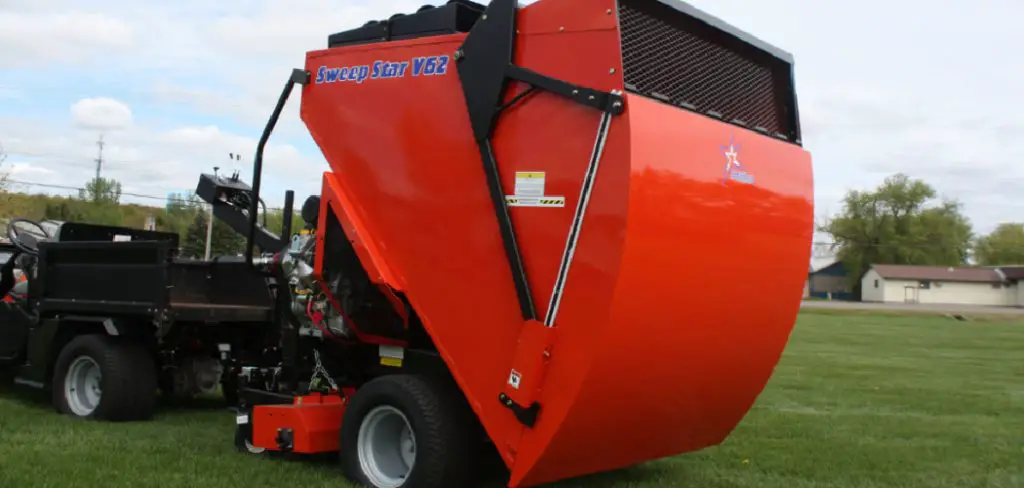
What Will You Need?
Before you start tinkering with your machine, gather these tools and materials to ensure the process goes smoothly.
- Safety Gear: Heavy work gloves and eye protection.
- Socket Wrench Set: To remove blades and adjust deck bolts.
- Scraper or Putty Knife: For removing caked-on grass.
- Wire Brush: For scrubbing the underside of the deck.
- Blade Sharpener or File: To restore the cutting edge.
- High-Lift Blades (Optional): If your current blades are standard or worn.
- Deck Leveling Gauge or Ruler: To measure blade height.
- RPM Tachometer (Optional): To check engine speed.
10 Easy Steps on How to Improve Lawn Mower Suction
Follow these steps to diagnose airflow issues and restore your mower to peak performance.
Step 1: Deep Clean the Mower Deck
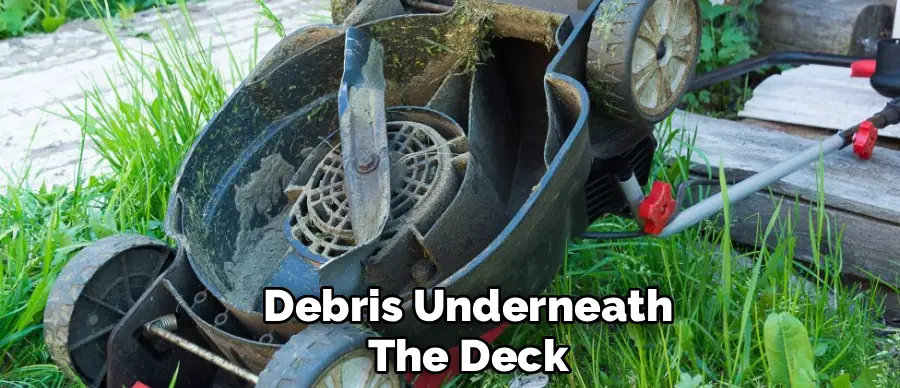
The most common reason for loss of suction is a buildup of old, dried grass, mud, and debris underneath the deck. Manufacturers design the shell of your mower with specific curves to channel air efficiently. When layers of “turf concrete” coat the underside, it disrupts the aerodynamic flow.
Tilt your mower (carburetor side up to prevent oil leaks) and inspect the deck. Use a scraper or putty knife to chip away every bit of hardened debris. Once the bulk is removed, use a wire brush and a hose to scrub it down to the bare metal. A smooth surface allows air to circulate faster, creating a stronger vacuum effect that lifts the grass.
Step 2: Inspect and Sharpen Your Blades
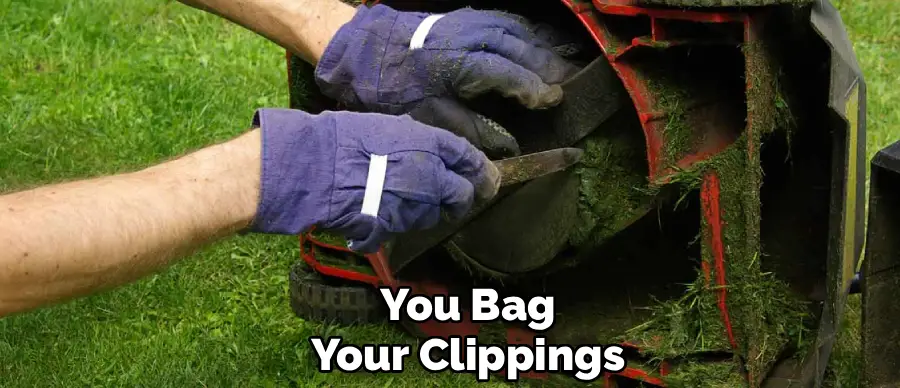
A dull blade does more than just tear grass; it disrupts the balance of the mower and reduces the speed at which the blade tips travel. The speed of the blade tip is directly responsible for generating lift. If your blade has nicks, gouges, or dull edges, it creates turbulence rather than a smooth air current.
Remove your blades and inspect them. If they are relatively new, sharpen them using a file or a bench grinder, ensuring you maintain the factory angle. A sharp blade slices through the air and grass efficiently, maintaining the high velocity needed for strong suction. If the metal is thin or cracked, discard them immediately.
Step 3: Install High-Lift Blades
If you are serious about suction, standard “all-purpose” blades might not cut it. Standard blades often prioritize a balance between mulching and discharging. However, specific “high-lift” blades feature larger, steeper “wings” on the back edge of the blade.
These wings act like aggressive fan paddles. They scoop more air with every rotation, creating a powerful vortex that stands the grass up tall and blasts clippings out of the chute with force. While high-lift blades require more engine power and can be noisier, they are the single best upgrade for improving vacuum performance, especially if you bag your clippings.
Step 4: Check and Adjust Engine RPM
Your mower is designed to run at a specific Revolutions Per Minute (RPM) to generate optimal blade tip speed. Over time, throttle cables stretch, and governor springs wear out, causing the engine to run slower than intended. Even a small drop in RPM results in a massive drop in suction power.
Consult your owner’s manual for the correct RPM setting (usually around 3000-3300 RPM for walk-behind mowers). You can use an inexpensive digital tachometer to check the current speed. If it is low, you may need to adjust the throttle cable tension or bend the governor tab slightly. Bringing the engine back to full speed ensures the “fan” is spinning fast enough to work.
Step 5: Level the Mower Deck
A mower deck that is tilted incorrectly allows air to escape, breaking the vacuum seal. If the front of the deck is pitched too high, air rushes out the front rather than circulating underneath. Conversely, if one side is lower, it disrupts the internal airflow patterns.
Park your mower on a flat, level surface like a driveway. Measure the distance from the blade tip to the ground on both sides and from front to back. Generally, the deck should be perfectly level side-to-side. For front-to-back pitch, most manufacturers recommend the front blade tip be 1/8 to 1/2 inch lower than the rear. This “pitch” creates a seal at the front, forcing air to be pulled in from the back and sides, enhancing lift.
Step 6: Adjust Cutting Height
Many homeowners believe that cutting lower produces a cleaner lawn, but cutting too low suffocates the mower. To generate suction, the deck needs to pull air in. If the metal skirt of the deck is pressed tight against the turf, there is no intake space for air to enter.
Raise your cutting height. Ideally, you should cut only the top one-third of the grass blade. By raising the deck, you allow a sufficient volume of air to rush under the edges. This influx of air is what the blades use to create the vacuum. Experiment with raising your deck one or two notches; you will likely find that the discharge becomes stronger and the cut cleaner.

Step 7: Clear the Discharge Chute and Bagger
If the exit is blocked, the vacuum fails. It is simple physics: air cannot come in if it cannot get out. Even a partial obstruction in the discharge chute or the mesh of the grass catcher bag creates back pressure that kills suction.
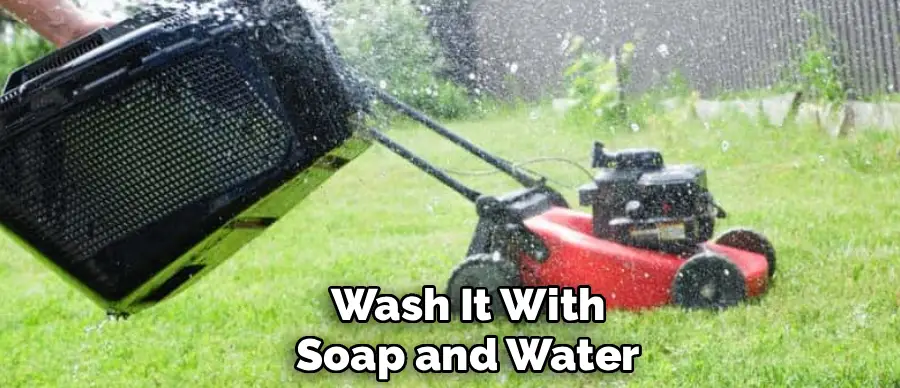
Check the plastic chute for sap buildup or grass that has dried in the corners. Clean it thoroughly. Furthermore, inspect the fabric of your grass catcher bag. The bag works by allowing air to pass through the mesh while trapping the grass. If the mesh is clogged with dust and dirt, it acts like a solid balloon, and air stops flowing. Wash your bagger with a pressure washer to open up the mesh pores again.
Step 8: Replace or Clean Air Filters
An engine that can’t breathe can’t produce power. A clogged air filter restricts oxygen to the combustion chamber, causing the engine to bog down under load. When the engine bogs, the blade speed drops, and suction vanishes.
Check your air filter before every mow. If it is a paper filter and looks dirty, replace it—they are inexpensive and vital for performance. If it is a foam filter, wash it with soap and water, let it dry, and re-oil it if required. A clean filter ensures the engine maintains high torque even when hitting thick patches of grass, keeping the vacuum strong.
Step 9: Check the Belt Tension (Riding Mowers)
For riding mowers and zero-turns, the blades are driven by a belt. Over time, these belts stretch, glaze over, or crack. A loose belt will slip on the pulleys, especially when the mower encounters resistance from tall grass.
When the belt slips, the blades slow down momentarily, even if the engine sounds fine. This fluctuation kills suction instantly. Inspect your belt for fraying or slack. Ensure the tensioner spring is strong and the pulleys are spinning freely. If the belt looks worn or feels loose, replace it to ensure 100% of the engine’s power is transferred to the blades.
Step 10: Mow Only When Dry
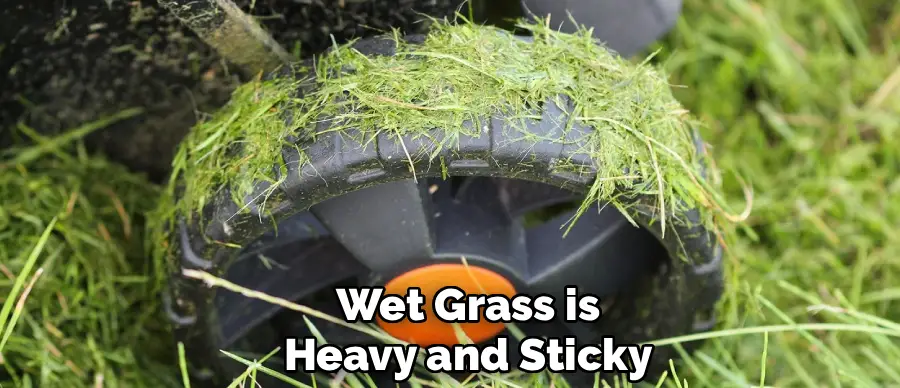
While not a mechanical adjustment, this is the most critical operational step for suction. Wet grass is heavy and sticky. The moisture causes clippings to adhere to the underside of the deck immediately, disrupting the aerodynamic curves we cleaned in Step 1.
Furthermore, water weighs down the grass blades, making them harder for the vacuum to lift. For maximum suction, wait until the dew has evaporated. Dry grass is lighter, stands up easier, and flows through the chute without sticking. If you must mow when it’s damp, spray the underside of your clean deck with a silicone lubricant or non-stick cooking spray to help debris slide off.
5 Things You Should Avoid
To keep your mower functioning like a high-performance vacuum, steer clear of these common pitfalls.
- Ignoring the Deck Wash Port: Many modern mowers have a wash port, but relying on it exclusively often fails to remove hardened clumps. Don’t avoid manual scraping; the wash port is for maintenance, not deep cleaning.
- Using Mulching Blades for Bagging: Mulching blades are designed to circulate grass downward to cut it repeatedly. Avoid using them if you are trying to bag grass, as they fight against the lift you need.
- Mowing Too Fast: Rushing reduces the time the vacuum has to lift the grass. Avoid high ground speeds, which overwhelm the deck’s capacity to process air and clippings.
- Overlooking Tire Pressure: On riding mowers, uneven tire pressure throws off the deck level. Avoid assuming tires are fine; check them to ensure the deck pitch remains accurate.
- Cutting Overgrown Grass in One Pass: If the grass is tall, avoid cutting it all at once. The volume of clippings will choke the airflow. Cut high first, then lower the deck for a second pass.
Conclusion
How to improve lawn mower suction doesn’t always require a trip to the repair shop or an expensive new machine.
Often, the solution lies in routine maintenance and understanding the aerodynamics of how your mower works. By keeping the deck clean, the blades sharp, and the airflow unobstructed, you can transform a struggling machine into a precision tool.
Take a detailed look at your mower this weekend. Run through the ten steps outlined above, and you will likely see a dramatic improvement in your lawn’s appearance. A clean cut promotes a healthier lawn, and strong suction is the key to achieving it.

About
Outdoor Fixes is a distinguished figure in the world of Diy design, with a decade of expertise creating innovative and sustainable Diy solutions.
His professional focus lies in merging traditional craftsmanship with modern manufacturing techniques,
fostering designs that are both practical and environmentally conscious. As the author of diy,
outdoorfixes delves into the art and science of outdoorfixes-making, inspiring artisans and industry professionals alike.
Education RMIT University
(Melbourne, Australia) Associate Degree in Design (Outdoor Fixes) Focus on sustainable design, industry-driven projects,
and practical craftsmanship. Gained hands-on experience with traditional and digital manufacturing tools, such as CAD and CNC software.
Nottingham Trent University
(United Kingdom) Bachelor’s in outdoorfixes.com and Product Design (Honors) Specialized in product design with a focus on blending creativity with production
techniques. Participated in industry projects, working with companies like John Lewis and Vitsoe to gain real-world insights.
Publications and Impact
In diy, Outdoor Fixes his insights on indoor design processes, materials, and strategies for efficient production.
His writing bridges the gap between artisan knowledge and modern industry needs, making it a must-read for both budding designers and seasoned professionals.