
A well-maintained lawn is a source of pride, but mowing can be a time-consuming chore, especially with a large yard. You might find yourself wishing your trusty hydrostatic lawn mower had a bit more get-up-and-go. While these mowers are prized for their smooth operation and variable speed control, there are ways to safely and effectively increase their top speed.
This guide on how to make a hydrostatic lawn mower faster will walk you through the process, covering simple maintenance tasks and more advanced adjustments that can help you cover more ground in less time.
Whether you’re looking to boost your productivity or just enjoy a faster ride, a few key tweaks can make a significant difference. We’ll explore the benefits, the tools you’ll need, and a step-by-step process to get your mower moving more quickly.
What are the Benefits?
Increasing your mower’s speed isn’t just about the thrill of a faster ride. The primary advantage is a significant boost in efficiency. A faster mower allows you to complete your lawn care routine in less time, freeing up your weekend for other activities. This is especially beneficial for those with large properties, where shaving even a few minutes off each pass can add up to substantial time savings.
Furthermore, a well-tuned mower that operates at its optimal speed often provides a cleaner, more uniform cut. By ensuring all components are in top condition, you not only increase speed but also enhance the overall performance and longevity of your machine.
What Will You Need?
Before you begin, gather the necessary tools and materials to ensure a smooth process. Having everything on hand will prevent interruptions and help you complete the job efficiently.
- Socket and wrench set
- Screwdrivers (Phillips and flat-head)
- Pliers (standard and needle-nose)
- Air compressor or canned air
- Clean rags or shop towels
- New air filter
- New fuel filter
- New spark plug(s)
- Engine oil (type specified by your mower’s manufacturer)
- Tire pressure gauge
- Safety glasses and gloves
10 Easy Steps on How to Make a Hydrostatic Lawn Mower Faster
Follow these steps to tune up your mower and adjust its settings for increased speed. Always consult your owner’s manual before making any adjustments, as procedures can vary between models.
Step 1: Clean or Replace the Air Filter
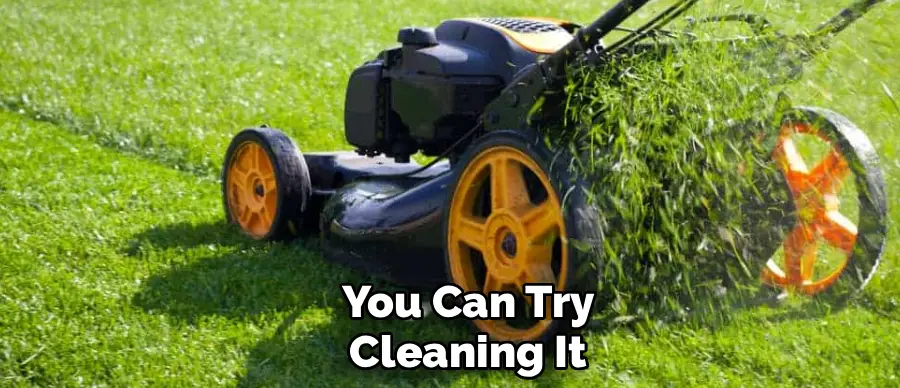
A clogged air filter is a common culprit for a slow mower. It restricts airflow to the engine, reducing power and speed. Locate the air filter housing, remove the cover, and inspect the filter. If it’s dirty, you can try cleaning it with compressed air. For paper filters, it’s often best to simply replace them. A clean filter ensures the engine can breathe properly, providing an instant performance boost.
Step 2: Change the Spark Plug
A fouled or worn-out spark plug can cause weak ignition, leading to poor engine performance. Disconnect the spark plug wire, and use a spark plug socket to remove the old plug. Check it for signs of wear or buildup. It’s an inexpensive part, so replacing it is a good maintenance practice. Ensure the new plug is gapped correctly according to your owner’s manual before installation.
Step 3: Replace the Fuel Filter
Over time, sediment and debris can clog your fuel filter, restricting the flow of gasoline to the engine. A starved engine can’t run at full power. Locate the fuel filter along the fuel line between the gas tank and the engine. Use pliers to pinch the fuel line clamps and slide them off. Remove the old filter and install the new one, making sure it’s oriented correctly.
Step 4: Change the Engine Oil
Clean oil is vital for engine health and performance. Old, dirty oil loses its lubricating properties, increasing friction and reducing efficiency. Run the mower for a few minutes to warm the oil, then turn it off. Locate the drain plug, place a pan underneath, and remove the plug to drain the old oil. Replace the oil filter if your model has one, then refill the engine with the correct type and amount of fresh oil as specified by the manufacturer.

Step 5: Check Tire Pressure
Underinflated tires create more rolling resistance, which forces the engine and hydrostatic transmission to work harder, slowing you down. Use a tire pressure gauge to check the pressure in all four tires. Inflate them to the recommended PSI, which is usually printed on the tire’s sidewall. Properly inflated tires reduce drag and can provide a noticeable increase in speed.
Step 6: Clean the Mower Deck
A buildup of grass clippings, dirt, and debris under the mower deck creates drag and puts extra strain on the engine. It also leads to a poor quality cut. Tilt your mower securely or use a mower lift to access the underside of the deck. Scrape away all the caked-on grass and grime. A clean, smooth deck reduces resistance, allowing the mower to move more freely.

Step 7: Inspect and Adjust the Governor
The governor is a small mechanical device that regulates engine speed. While adjusting it can increase speed, this step should be done with caution, as setting it too high can damage the engine. Locate the governor arm and the springs attached to it. Making very small adjustments to the spring tension can increase the engine’s RPMs. Move the spring to a different hole on the arm or slightly bend the tab it connects to. Make only minor changes and test the mower after each adjustment.
Step 8: Adjust the Transmission Linkage
The hydrostatic transmission is controlled by a linkage connected to the speed control pedal or lever. Over time, this linkage can become loose or fall out of adjustment, preventing the mower from reaching its full potential speed. Inspect the linkage for any loose bolts or worn parts. You can often tighten the linkage or adjust the control rod to ensure that pressing the pedal fully engages the transmission for maximum speed. Refer to your service manual for model-specific instructions.
Step 9: Adjust the Pulley System
Some hydrostatic mowers have a pulley system that can be adjusted. A smaller pulley on the transmission or a larger pulley on the engine will increase the mower’s ground speed. Swapping pulleys is a more advanced modification and may require specialized tools. If you choose this route, ensure the new pulley is compatible with your mower and that the belt tension is set correctly to avoid slippage or excessive wear.
Step 10: Upgrade to High-Performance Blades
While this won’t directly increase ground speed, using high-performance or mulching blades can reduce the engine’s workload. These blades are designed to be more aerodynamic and efficient at cutting and discharging grass. With less power being diverted to the cutting deck, more power is available to drive the wheels, which can result in a slight increase in overall operating speed.

5 Things You Should Avoid
- Over-Revving the Engine: Never adjust the governor to a point where the engine sounds like it is straining. Exceeding the manufacturer’s recommended RPM limit can lead to catastrophic engine failure.
- Disabling Safety Features: Do not bypass or remove any safety features, such as the seat switch or blade shut-off mechanism. These are in place to protect you from injury.
- Using the Wrong Fuel or Oil: Always use the fuel type and oil grade specified in your owner’s manual. Using incorrect fluids can damage the engine and transmission.
- Neglecting Your Owner’s Manual: Your mower’s manual is the best source of information. Ignoring its guidance on maintenance and adjustments can lead to mistakes and damage.
- Making Drastic Adjustments at Once: When tuning your mower, make small, incremental changes. This allows you to safely gauge the effect of each adjustment without risking damage to the machine.
Frequently Asked Questions
- Will Making My Mower Faster Void My Warranty?
Performing standard maintenance like changing filters or spark plugs will not void your warranty. However, more significant modifications, such as adjusting the governor beyond factory settings or changing pulleys, could potentially void the warranty, especially if the modification leads to engine or transmission failure. - Is It Safe to Mow at a Higher Speed?
Mowing at a higher speed can be safe on flat, open terrain. However, you should always slow down on slopes, near obstacles, or when making tight turns to maintain control and prevent tipping. A faster speed also reduces the quality of the cut, so you may need to find a balance between speed and performance. - How Much Faster Can I Realistically Make My Mower?
Through proper maintenance and minor adjustments, you can typically expect a speed increase of 1 to 3 MPH. More advanced modifications like changing pulleys can yield greater speed gains, but they also carry more risk. The exact increase will depend on your mower’s model, condition, and the specific changes you make.
Conclusion
How to make a hydrostatic lawn mower faster is an achievable goal that can save you valuable time.
By focusing on fundamental maintenance tasks like cleaning filters, changing fluids, and ensuring proper tire pressure, you can unlock lost performance. For those comfortable with more technical adjustments, fine-tuning the governor and transmission linkage can provide an additional speed boost.
Always prioritize safety and follow your manufacturer’s guidelines. With a few careful tweaks, you can have your mower running faster and more efficiently, turning a long chore into a quick and satisfying task.

About
Outdoor Fixes is a distinguished figure in the world of Diy design, with a decade of expertise creating innovative and sustainable Diy solutions.
His professional focus lies in merging traditional craftsmanship with modern manufacturing techniques,
fostering designs that are both practical and environmentally conscious. As the author of diy,
outdoorfixes delves into the art and science of outdoorfixes-making, inspiring artisans and industry professionals alike.
Education RMIT University
(Melbourne, Australia) Associate Degree in Design (Outdoor Fixes) Focus on sustainable design, industry-driven projects,
and practical craftsmanship. Gained hands-on experience with traditional and digital manufacturing tools, such as CAD and CNC software.
Nottingham Trent University
(United Kingdom) Bachelor’s in outdoorfixes.com and Product Design (Honors) Specialized in product design with a focus on blending creativity with production
techniques. Participated in industry projects, working with companies like John Lewis and Vitsoe to gain real-world insights.
Publications and Impact
In diy, Outdoor Fixes his insights on indoor design processes, materials, and strategies for efficient production.
His writing bridges the gap between artisan knowledge and modern industry needs, making it a must-read for both budding designers and seasoned professionals.