
You step outside with your morning coffee, expecting to enjoy a peaceful moment on your porch. Instead, you find a messy, unappealing disaster covering your railings, furniture, and floor. Bird droppings can turn a beautiful outdoor sanctuary into a frustrating cleaning chore in no time.

While we all appreciate nature, sharing our immediate living space with a flock of messy birds is far from ideal. The constant cleanup is tiring, and it often feels like you are fighting a losing battle against these flying visitors.
Let’s dive into how to stop birds from pooping on my porch.
What are the Benefits?
Keeping your porch free from bird droppings provides several distinct advantages that go well beyond just keeping things looking neat.
First, there is a major health benefit. Bird droppings can harbor dangerous bacteria, fungi, and parasites. Diseases like histoplasmosis can transmit to humans when droppings dry out and the spores become airborne. Keeping the area clean protects you, your family, and your pets from unnecessary health risks.
Second, you will save on maintenance and repair costs. Bird droppings are highly acidic. Over time, this acid eats away at wood finishes, stains concrete, and permanently damages outdoor fabrics. By stopping the birds, you extend the life of your porch materials and patio furniture.
Finally, the aesthetic benefit is clear. You want a welcoming space where you can entertain guests, read a book, or simply relax. A clean, spotless porch creates a comfortable environment that you can actually enjoy without stressing over sudden messes.
What Will You Need?
Before we dive into the steps, gather a few basic supplies. You do not need all of these at once, but having a mix of options will help you build a layered defense.
- Heavy-duty cleaning supplies (scrub brush, soap, and a hose)
- Reflective tape, old CDs, or small mirrors
- Visual deterrents like decoy owls or rubber snakes
- Auditory deterrents like wind chimes or a small radio
- Bird spikes or bird wire for railings
- Natural bird repellent spray (peppermint or citrus-based)
- Bird netting (for extreme cases)
10 Easy Steps on How to Stop Birds From Pooping on My Porch
Step 1: Deep Clean the Existing Mess
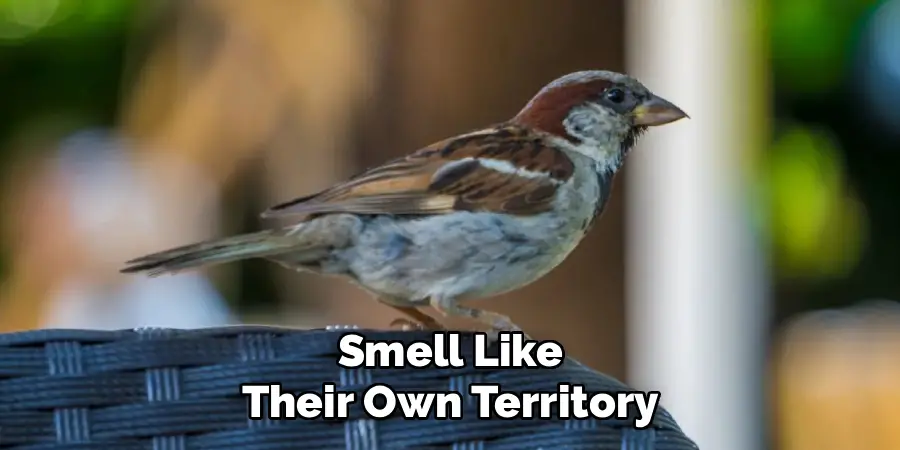
Before you do anything else, you must completely remove the current mess. Birds are drawn to areas that look and smell like their own territory. If they see droppings, they assume it is a safe, established roosting spot. Put on some gloves and a mask, then use warm soapy water and a stiff scrub brush to clean all surfaces. Hose the porch down thoroughly. Removing their scent marks the first critical step in breaking their daily habit.
Step 2: Remove All Food Sources
Birds usually hang around porches because they have found a reliable food source nearby. Look closely at your yard and patio. Are you leaving pet food out? Do you have open garbage cans? Even a bird feeder meant for the far end of the yard might be drawing them too close to your house. Sweep up any spilled seeds or crumbs from your outdoor dining table. When you eliminate the free buffet, birds have much less incentive to stick around and leave a mess.
Step 3: Eliminate Standing Water
Just like food, water acts as a massive magnet for local wildlife. A thirsty bird will always stop at a birdbath, a clogged gutter, or even a forgotten bucket of rainwater. Inspect your porch and the immediate surrounding area for any standing water. Empty out saucers sitting under potted plants and ensure your drainage systems work properly. If you remove their favorite drinking and bathing spots, the flock will naturally move on to a more accommodating environment.
Step 4: Install Visual Deterrents
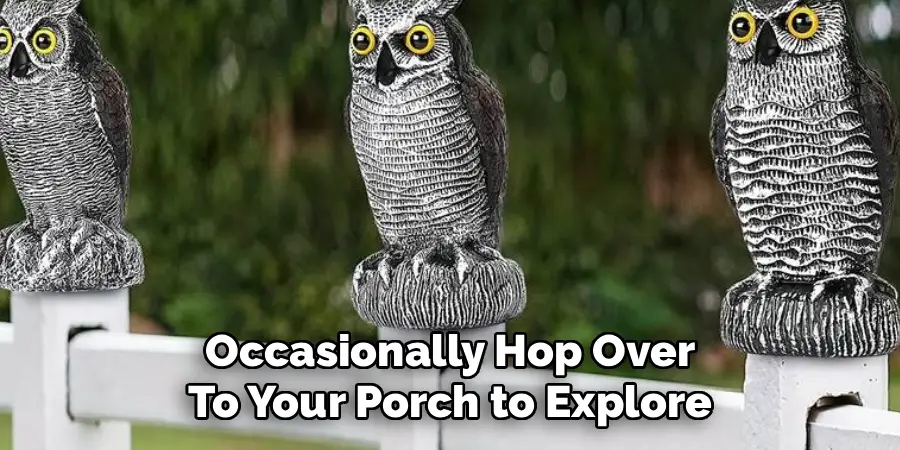
Birds have excellent eyesight, and they constantly watch for predators. You can use this natural instinct to your advantage by placing visual deterrents around the porch. Decoy owls, hawks, or even rubber snakes placed strategically on railings can scare smaller birds away. However, birds are smart. If the plastic owl never moves, they will eventually figure out it poses no threat. Move your decoys around every few days to keep the birds guessing and fearful.
Step 5: Hang Reflective Objects
Bright, flashing lights confuse and disorient birds in flight, making it hard for them to land comfortably. You can easily create a hostile landing zone by hanging reflective items around the perimeter of your porch. Buy specialized reflective bird tape and tie strips to your awning or posts. Alternatively, string up a few old, scratched CDs or small mirrors on fishing line. As the wind blows, these items will spin and catch the sunlight, creating a dazzling display that keeps birds away.

Step 6: Use Auditory Deterrents
Sound provides another excellent way to disrupt a peaceful roosting environment. Birds prefer quiet areas where they can easily hear approaching predators. You can disturb their peace by hanging metal wind chimes near their favorite perches. The random clanking noises startle them. For a more modern approach, you can purchase ultrasonic bird repellers that emit high-frequency sounds. These sounds are largely undetectable to human ears but remain highly annoying to our feathered friends.
Step 7: Apply Natural Repellent Sprays
Birds strongly dislike certain smells and tastes, particularly strong essential oils and spicy elements. You can mix up a homemade deterrent spray using water, peppermint oil, and a dash of cayenne pepper. Spray this mixture heavily along railings, the tops of light fixtures, and any other flat surfaces where they like to sit. The strong scent irritates their senses, encouraging them to find a more pleasant spot. Reapply the spray every few days and after any heavy rainstorms.
Step 8: Install Bird Spikes on Railings
If birds stubbornly refuse to leave a specific railing or ledge, physical barriers are incredibly effective. Bird spikes sound medieval, but they are completely humane. They consist of blunt plastic or metal prongs pointing upward. They do not harm the birds; they simply make it physically impossible for them to land and balance. You can glue or zip-tie these strips to the top of your porch beams, ceiling fans, or handrails to instantly eliminate flat landing zones.

Step 9: Prune Nearby Trees and Shrubs
Sometimes the problem starts right next to the porch. If you have large trees, overgrown bushes, or vines right next to your deck, you are giving the birds a perfect staging area. They sit in the branches, feel safe, and occasionally hop over to your porch to explore. Trim back any branches that hang directly over your patio roof or railings. Removing this dense cover forces them out into the open, making your porch a much less attractive hangout.
Step 10: Set Up Bird Netting for Stubborn Areas
When all else fails and you have a severe infestation, bird netting provides the ultimate physical barrier. This works exceptionally well if birds are nesting in the rafters or high corners of a covered porch. Staple or drape lightweight, nearly invisible mesh netting across the open spaces where they enter. While it takes a little more effort to install, netting guarantees that birds cannot physically access the protected space, solving your dropping problem permanently.
5 Things You Should Avoid
- Do Not Use Toxic Poisons: Never use lethal chemicals to handle a bird problem. It is dangerous to neighborhood pets, harmful to the environment, and often illegal depending on the bird species.
- Avoid Leaving Decoys in One Spot: As mentioned earlier, placing a fake owl on a post and leaving it there all summer will not work. Birds catch on quickly if the predator never moves.
- Do Not Use Sticky Gels: Some stores sell sticky bird repellents meant to trap or annoy their feet. These gels are cruel, trap dirt, look terrible, and can seriously injure smaller birds.
- Avoid Shooting at Them: Never use BB guns, pellet guns, or slingshots. This is dangerous in a residential area, inhumane, and usually illegal under local wildlife protection laws.
- Do Not Ignore the Mess: Leaving the poop to bake in the sun encourages more birds to visit, permanently stains your wood, and increases the chance of airborne diseases spreading to your family.
Frequently Asked Questions
- Are Bird Droppings Really That Dangerous to My Health?
Yes, dried bird droppings can carry several harmful diseases.
When you sweep or step on dry droppings, microscopic spores launch into the air.
Breathing in these airborne spores can lead to severe respiratory infections.
You should always wet the droppings before cleaning to prevent the dust from rising.
Wearing a standard mask and gloves provides an excellent layer of protection. - Will Wind Chimes Bother My Neighbors?
Wind chimes can sometimes cause noise complaints if they are extremely large and loud.
To avoid annoying your neighbors, opt for smaller, high-pitched metal chimes.
You only need a moderate amount of noise to startle the birds, not a booming gong.
You can also take the chimes down during particularly windy nights.
Checking in with your neighbors beforehand is always a polite and helpful step. - Do I Have to Reapply the Natural Repellent Spray Often?
Natural sprays are highly effective, but they do break down relatively quickly outdoors.
The sun evaporates the essential oils, and rain will easily wash the mixture away.
You should plan to spray your porch railings and beams at least twice a week.
If you experience a heavy thunderstorm, you must reapply the spray immediately afterward.
Consistency is the secret to making scent-based deterrents work over the long term.
Conclusion
How to stop birds from pooping on my porch is annoying, but it is an entirely solvable problem.
By understanding what attracts birds and removing those temptations, you take the first major step toward a clean patio. Using a combination of visual, auditory, and physical deterrents creates a layered defense that even the most stubborn birds will avoid. Remember to clean up existing messes promptly and stick to humane methods that keep nature safe while protecting your property.
With a little patience and consistency, you can easily reclaim your porch and enjoy a beautiful, spotless outdoor space all season long.

About
Outdoor Fixes is a distinguished figure in the world of Diy design, with a decade of expertise creating innovative and sustainable Diy solutions.
His professional focus lies in merging traditional craftsmanship with modern manufacturing techniques,
fostering designs that are both practical and environmentally conscious. As the author of diy,
outdoorfixes delves into the art and science of outdoorfixes-making, inspiring artisans and industry professionals alike.
Education RMIT University
(Melbourne, Australia) Associate Degree in Design (Outdoor Fixes) Focus on sustainable design, industry-driven projects,
and practical craftsmanship. Gained hands-on experience with traditional and digital manufacturing tools, such as CAD and CNC software.
Nottingham Trent University
(United Kingdom) Bachelor’s in outdoorfixes.com and Product Design (Honors) Specialized in product design with a focus on blending creativity with production
techniques. Participated in industry projects, working with companies like John Lewis and Vitsoe to gain real-world insights.
Publications and Impact
In diy, Outdoor Fixes his insights on indoor design processes, materials, and strategies for efficient production.
His writing bridges the gap between artisan knowledge and modern industry needs, making it a must-read for both budding designers and seasoned professionals.