
Quick answer: If you want to attract bats to your yard, start with a well-built wooden bat house mounted about 12 to 20 feet high. Place it where it can catch morning sun—usually a south- or southeast-facing spot works best. From there, make the yard more useful to bats: grow night-blooming native plants that attract insects, keep a shallow water source available, and stop using chemical pesticides.
Bats can be remarkably effective insect hunters. In the right conditions, they consume large numbers of night-flying insects, including mosquitoes, moths, and beetles, which may reduce the pressure to rely on chemical pest control. That matters not just for comfort on summer evenings, but for the broader health of a backyard ecosystem as well.
Still, attracting bats is not as simple as hanging a box and waiting. They need suitable roosting space, reliable access to food and water, and a setting that feels safe. When those pieces come together, a yard can function as a useful habitat—without inviting bats into the house itself. In this guide on how to attract bats to your backyard, we have outlined the steps to take in order to create a safe and welcoming environment for these essential creatures.
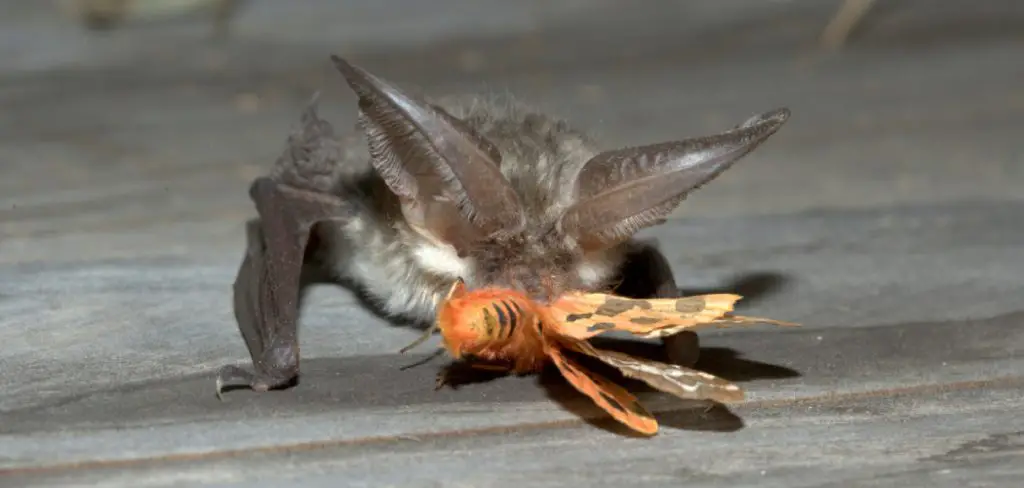
What Do Bats Need to Survive and Thrive in a Backyard?
Before changing anything in your yard, it helps to think in biological terms rather than decorative ones. Bats do not respond to habitat features because they look appealing to us. They respond to shelter, temperature, food availability, and risk. In most cases, a backyard that attracts bats provides three basic things: a secure place to roost during the day, enough nocturnal insects to feed on at night, and dependable access to fresh water.
The details matter. Many common backyard species seem to favor narrow, warm crevices that resemble the spaces they would naturally find beneath loose bark or in rock cracks. Roost temperature is especially important during the maternity season, when females gather to raise young. Internal temperatures in the range of roughly 85 to 100 degrees Fahrenheit are often considered favorable. If a site stays too cool, remains heavily shaded, lacks insect activity, or leaves bats exposed to predators such as raccoons or owls, they may simply move on and roost elsewhere.
How Do Local Laws Affect Backyard Bat Conservation?
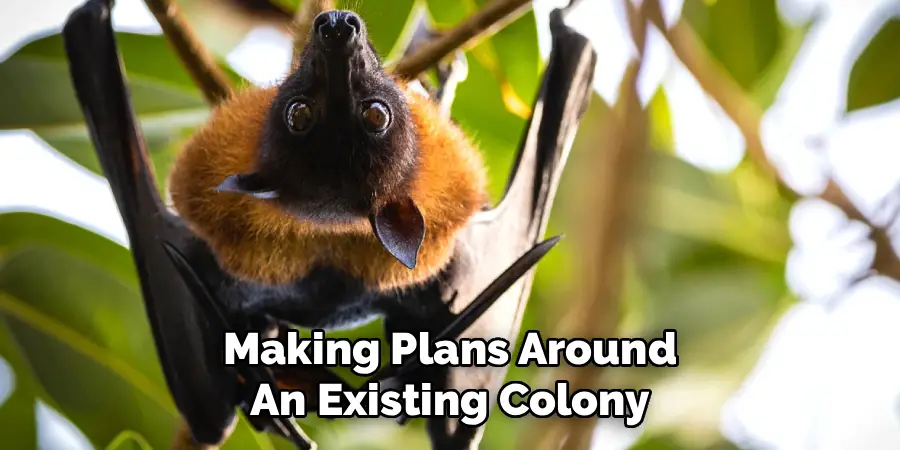
This part is easy to overlook, but it should not be skipped. Before installing a bat house or making plans around an existing colony, check local wildlife regulations and municipal rules. In many places, bats are protected, and disturbing an occupied roost—even on private property—can lead to legal consequences. That is particularly true where threatened or endangered species may be present.
There may also be more ordinary constraints. Some homeowners’ associations, for example, regulate visible yard structures and may have rules about placement, color, or size. It is worth contacting your state or local wildlife agency, department of natural resources, or a comparable conservation office for guidance specific to your area. They can often tell you which species are common locally and whether there are seasonal restrictions or best practices you should follow. A few phone calls early on can prevent problems later.
7 Step-by-step Guidelines on How to Attract Bats to Your Backyard
Step 1: Choose or Build the Right Bat House
The bat house itself is usually the centerpiece of the effort, and quality matters more than many people expect. A house that is too small, poorly sealed, or badly designed may never be used at all. In general, a good bat house is at least 24 inches tall and 14 inches wide, with a roughened landing area below the chambers so bats can grip the surface as they enter. Inside, the chambers should be narrow—often about three-quarters of an inch to one inch apart—so the animals can cluster together and retain warmth.
That is one reason many small, single-chamber models sold in large retail stores perform poorly. They often do not hold enough heat, particularly for maternity colonies. A better option is a multi-chamber house made from rough-sawn cedar or exterior-grade plywood, assembled with exterior screws and sealed with non-toxic caulk. The goal is straightforward: keep the interior dark, dry, and free of drafts while maintaining stable temperatures through spring and summer weather, which is not always predictable.
Step 2: Mount the House at the Correct Height
Height is not an aesthetic choice. It affects safety and usability. Bats need open space beneath a roost so they can drop into flight, and mounting the house well above the ground also helps reduce access by predators. A minimum of 12 feet is commonly recommended, though 15 to 20 feet is often considered better.
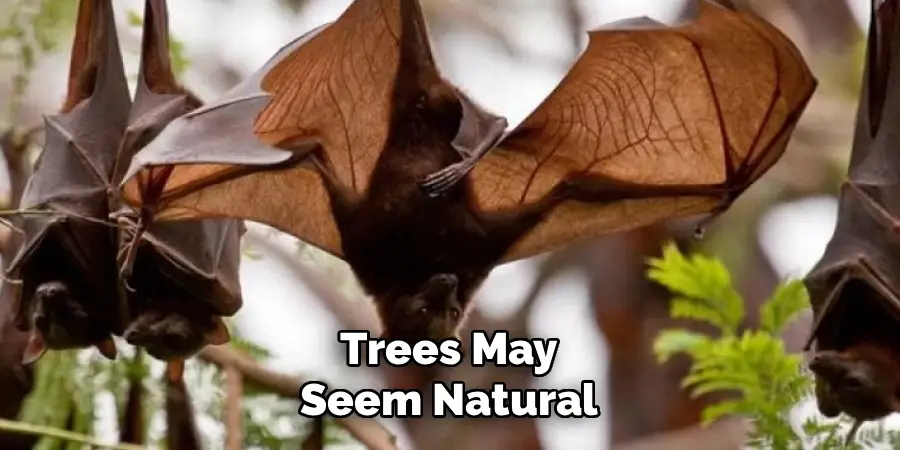
Equally important is where not to put it. Trees may seem natural, but in practice, they are usually a poor mounting surface. Their shade can keep the house too cool, and the trunk gives climbing predators—cats, raccoons, even snakes in some areas—easy access. A building wall, a tall pole, or a steel pipe set securely into the ground tends to work much better. If you mount the house on a building, placing it under the eaves may offer some protection from heavy rain without blocking the sunlight the house still needs.
Step 3: Pick the Perfect Sunny Location
Sun exposure can make or break a bat house. Bats, especially mothers with pups, appear to prefer warm roosts, which means the house needs consistent direct sunlight. A location receiving six to eight hours a day is often recommended. In many yards, a south-, southeast-, or east-facing orientation works well because it catches morning light and begins warming early in the day.
Climate complicates this a little. In cooler northern regions, darker exterior paint—such as black or dark brown, assuming it is non-toxic and water-based—may help the house absorb more heat. Farther south, that same choice could push temperatures too high in midsummer, so lighter shades like gray or tan may be safer. Conditions also change over time. A spot that is sunny now may become shaded later as trees grow or nearby structures go up, so it is worth reassessing placement from year to year.
Step 4: Provide a Consistent Water Source
Bats do not usually land beside a dish and drink the way birds do. Many species drink while flying, skimming low over water and taking small mouthfuls in motion. Because of that, the shape of the water source—and the open space around it—matters more than people sometimes realize.
A pond, slow stream, or lake nearby is ideal, but not everyone has that. In a backyard setting, a large birdbath, shallow water garden, or broad fountain may still help, provided the area is open enough for bats to approach and pass over safely. Keep the water clean, and do not let it become stagnant. Adding a small ramp or a floating piece of cork is also a sensible precaution in case a young bat or another small animal falls in. During dry periods, a dependable water source may make a yard much more attractive than the surrounding landscape.

Step 5: Plant Night-Blooming Flowers
Because most backyard bats feed on nocturnal insects, planting decisions affect food supply indirectly but substantially. The aim is not to feed bats with flowers, of course. It is to attract the moths, beetles, and other night-flying insects they hunt.
Plants such as evening primrose, moonflower, night-blooming phlox, and fragrant herbs like mint or lemon balm can help with that, especially if they are native or well-suited to the local environment. Grouping them in clusters tends to be more effective than scattering them thinly across a lawn, since dense patches concentrate insect activity. Light-colored blooms may also be easier for insects to locate after dark. None of this guarantees a resident bat colony, but it can make the yard more biologically active in the way bats seem to prefer.
Step 6: Eliminate Artificial Night Lighting
Many bat species avoid brightly lit areas, and for good reason. Artificial light can alter insect behavior, expose bats to predators, and interfere with normal hunting patterns. A yard that is flooded with light may look secure to people while feeling risky to wildlife.
So take a hard look at exterior lighting. If floodlights stay on all night, switch them to motion sensors. If you need low-level lighting along a path or porch, amber or red-toned LEDs may be less disruptive than bright white bulbs. It also helps to use shielded fixtures aimed downward rather than outward or upward into open airspace. The point is not to make the yard unusable for people. It is to reduce unnecessary glare and preserve darker corridors where bats can move and forage.
Step 7: Avoid Chemical Pesticides entirely
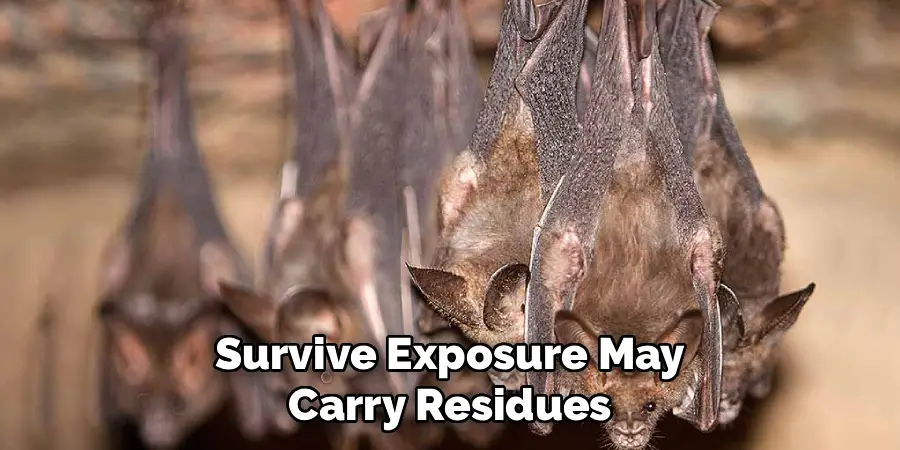
This is one of the clearest trade-offs in the whole process. If you want insect-eating bats, you need insects. Broad-spectrum pesticides remove the very food base that would otherwise support them. Worse, insects that survive exposure may carry residues, which could then move up the food chain when bats consume them.
For that reason, a shift toward organic or lower-impact garden practices usually makes sense. That does not mean tolerating every pest outbreak without response, but it does mean being cautious and selective. Once bats begin using an area, they may help suppress some insect populations on their own. Even so, a perfectly tidy, bug-free yard is not likely to double as good bat habitat. There is no way around that tension.
Following these steps on how to attract bats to your backyard, you can create a welcoming environment for these beneficial creatures.
What Are the Health and Safety Rules for Backyard Bats?
Bats are valuable animals, but they are still wild mammals, and they should be treated with appropriate caution. Never try to pick up, catch, or handle a live bat. If frightened, it may bite in self-defense. Rabies in bats is relatively uncommon overall, but the possibility is serious enough that direct contact should always be avoided.
Pets matter here, too. Keep dogs and cats current on rabies vaccinations, and discourage them from investigating grounded wildlife. If you find a sick or injured bat, do not handle it barehanded. Cover it with a container, keep children and pets away, and call animal control or a licensed wildlife rehabilitator for guidance. Admiration is fine. Physical contact is not.
What Common Mistakes Prevent Bats From Roosting?
A few mistakes come up repeatedly. One of the most common is mounting a bat house on a shaded tree trunk, where it stays cool and remains easy for predators to reach. Another is buying a very small, inexpensive single-chamber house that lacks the thermal stability bats seem to need, especially for raising young.
Impatience is another problem, though it is less often admitted. Even a well-placed house may sit empty for one to three years before bats begin using it. That delay does not necessarily mean failure. Sometimes it just means the house has not yet been found, or found by the right species at the right time.
What Are the Biggest Benefits of Having Bats in Your Backyard?
The most obvious benefit is insect control, and in many cases, it is substantial. A single small brown bat can consume large numbers of mosquito-sized insects in an hour—figures of up to 1,000 are often cited—which may make evenings outdoors noticeably more comfortable. In gardens, bats may also reduce populations of moths, beetles, and other insects that damage vegetables and ornamental plants.
There is another benefit, though it is less practical and perhaps more interesting. Watching bats at dusk can change how people think about them. Their flight is quick, erratic to the eye, almost playful. For children, especially, that first close observation of a misunderstood animal can become an entry point into broader conversations about habitat loss, conservation, and the difference between folklore and biology.
Why Aren’t Bats Moving Into Your New Bat House?
If two full seasons pass with no activity, the first thing to reconsider is placement. The house may not be receiving enough direct sun to maintain suitable internal temperatures. It may also have an obstructed flight path. A few branches growing beneath the entrance can be enough to make the site less attractive.
There are also smaller, more mundane issues. Wasps and mud daubers sometimes nest inside unused bat houses, which can discourage bats from entering. During winter, when bats are not using the structure, inspect it with a flashlight and remove any insect nests if needed. At that point, minor adjustments—a sunnier location, better clearance, or simple maintenance—may improve your chances considerably.
Frequently Asked Questions About Backyard Bats
Q1: Will Attracting Bats Increase the Risk of Them Moving Into My Attic?
A1: Usually, no. In fact, a well-designed outdoor bat house may reduce the appeal of your attic by offering a better alternative. Bats generally prefer warm, secure roosts that do not require navigating a house interior. That said, it is still wise to seal gaps near rooflines and vents as part of routine home maintenance. A bat house is not a substitute for basic exclusion work.
Q2: Do Backyard Bats Pose a Danger to My Dogs and Cats?
A2: In most cases, direct conflict is rare. Bats tend to avoid larger animals and spend most of their active time in flight. Problems are more likely if a cat catches a grounded bat or if an injured bat ends up where pets can reach it. Bringing pets indoors around dusk, when bat activity often increases, is a reasonable precaution. Keeping vaccinations current is non-negotiable.
Q3: How Do I Clean or Maintain a Bat House Once It Is Installed?
A3: Very little routine cleaning is needed if the house is occupied. Most bat houses are designed so guano drops out through the open bottom rather than accumulating inside. The larger concern is timing. Do not open, repair, or disturb an active bat house in summer, particularly if young bats may be present and unable to fly. If repainting or repairs are necessary, late winter is usually the safest window, when the bats have moved to other seasonal roosts.
Next Steps for Welcoming Backyard Bats
Attracting bats requires patience more than luck. You can build the right house, mount it at the proper height, plant the right flowers, and still wait a season—or several—before anything happens. That is normal. Wildlife does not operate on a homeowner’s timeline.
In the meantime, improve the habitat you can control. Replace invasive plants with native night-bloomers. Keep water available. Cut back on pesticides and excessive lighting. Those changes help whether bats arrive quickly or not. And if they do, your yard may become something more than just a managed outdoor space. It may start functioning as a small, genuinely useful refuge for animals that are often feared, and very often misunderstood. Thanks for reading this guide on how to attract bats to your backyard.

About
Outdoor Fixes is a distinguished figure in the world of Diy design, with a decade of expertise creating innovative and sustainable Diy solutions.
His professional focus lies in merging traditional craftsmanship with modern manufacturing techniques,
fostering designs that are both practical and environmentally conscious. As the author of diy,
outdoorfixes delves into the art and science of outdoorfixes-making, inspiring artisans and industry professionals alike.
Education RMIT University
(Melbourne, Australia) Associate Degree in Design (Outdoor Fixes) Focus on sustainable design, industry-driven projects,
and practical craftsmanship. Gained hands-on experience with traditional and digital manufacturing tools, such as CAD and CNC software.
Nottingham Trent University
(United Kingdom) Bachelor’s in outdoorfixes.com and Product Design (Honors) Specialized in product design with a focus on blending creativity with production
techniques. Participated in industry projects, working with companies like John Lewis and Vitsoe to gain real-world insights.
Publications and Impact
In diy, Outdoor Fixes his insights on indoor design processes, materials, and strategies for efficient production.
His writing bridges the gap between artisan knowledge and modern industry needs, making it a must-read for both budding designers and seasoned professionals.