
If you want your backyard to feel more like a getaway than a patch of grass, begin with the layout. Carve the space into clear zones for lounging, eating, and spending time with people. Then layer in the details that actually make outdoor spaces usable: comfortable seating, softer lighting, dense planting, and at least one feature—water, fire, shade, or all three—that changes the mood and extends the hours you can enjoy it.
There is something appealing about having a place to retreat without packing a bag or booking a weekend away. A well-designed backyard can do some of that work. Not all of it, obviously. You are still at home, and the neighbor may still start mowing at the worst possible moment. Even so, a thoughtfully arranged outdoor space can make ordinary evenings feel slower, easier, and more intentional.
That is really the point here. Turning a plain backyard into something that feels resort-like is less about chasing luxury for its own sake and more about shaping an environment you will actually use. The strongest spaces usually are not the most expensive ones. They are the ones planned with care. If you focus on layout, comfort, texture, and atmosphere, even a fairly ordinary yard can begin to feel private, inviting, and distinct from the rest of daily life. In this guide on how to turn a backyard into a mini resort, we will explore practical tips and creative ideas to help you transform your outdoor space into a relaxing oasis.
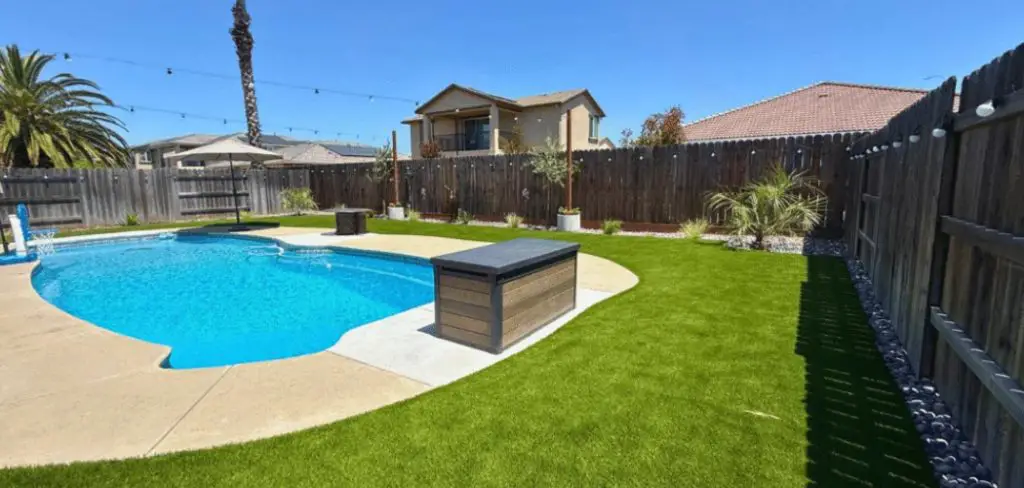
What Tools and Materials Will You Need for This Project?
Before you start moving furniture or pricing pavers, it helps to gather the basics. The exact list will depend on how ambitious the project is. A small patio refresh needs far less than a full backyard overhaul. Still, most upgrades draw from the same general kit: a few measuring tools, some landscaping equipment, and materials that can handle weather without looking tired after one season.
Measurement and Planning Tools:
A tape measure, landscape stakes, marking paint, and a spirit level will help you map the space and check that any hardscaping sits properly. This part is not glamorous, but skipping it often causes the problems people notice later.
Landscaping Equipment:
Round-point shovels, metal garden rakes, gloves, a wheelbarrow, and a power drill are useful for moving soil, assembling furniture, and installing simple structures.
Core Materials:
Outdoor furniture made from teak or powder-coated aluminum, weather-resistant rugs, and UV-resistant cushions form the backbone of the space.
Ambience Pieces:
Heavy-duty string lights, solar path lights, a portable fire pit or tabletop fountain, potting soil, and large planters help the yard feel finished rather than merely furnished.
7 Simple Step-By-Step Guidelines on How to Turn a Backyard Into a Mini Resort
Step 1: Plan Your Resort Layout and Define Distinct Zones
Most successful outdoor spaces begin with restraint. Not decoration. Not shopping. Layout.
If everything is placed wherever it happens to fit, the yard tends to feel scattered, even when the individual pieces are attractive. Start by measuring the space and sketching a rough plan on paper or in a landscaping app. You do not need architectural precision, but you do need a sense of proportion. A dining area, a lounge zone, and perhaps a cooking or recreation space usually give the yard enough structure without making it feel chopped up.
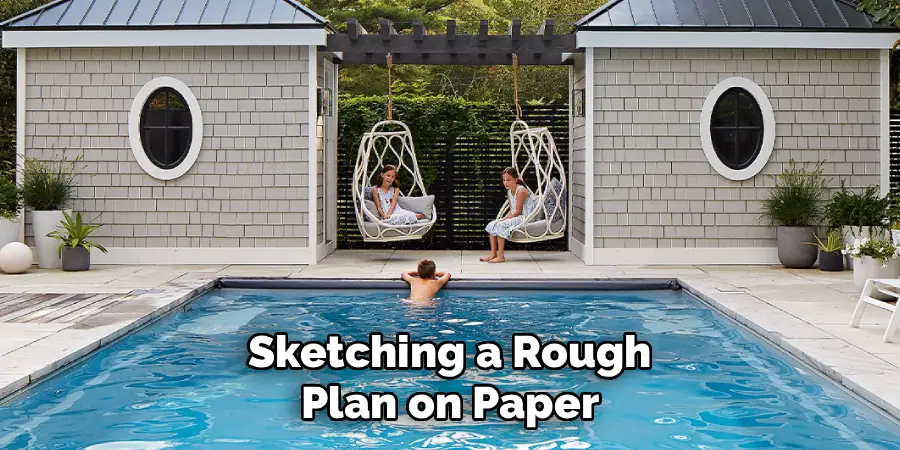
This zoning matters more than people expect. It helps the space read clearly. It also changes how people move through it. Guests should be able to walk from the back door to the table or seating area without sidestepping planters and chair legs. Outdoor rugs, planter boxes, or slight changes in elevation can help separate one zone from another without building permanent barriers. If you host large groups often, a more open plan may make sense. If quiet evenings are the priority, smaller enclosed pockets may feel better.
Step 2: Upgrade Your Hardscaping and Flooring Surfaces
A resort look is difficult to achieve if the furniture is sitting on patchy grass or cracked concrete. The ground sets the tone. People notice it, even if only subconsciously.
If you already have a deck or patio, begin there. A deep cleaning and a fresh coat of sealant or stain may do more than you expect. Older surfaces often look worse than they actually are. If you are starting from the lawn, consider pavers, stamped concrete, or composite decking. Each creates a more stable base for seating and dining furniture, and each tends to make the space feel intentional rather than temporary.
For smaller budgets, interlocking deck tiles and large outdoor rugs can still shift the mood quite a bit. They cover worn surfaces, soften the visual edges of concrete, and make the yard feel closer to an outdoor room than an improvised setup. Polypropylene rugs are especially practical because they dry quickly, resist mold reasonably well, and can usually be cleaned with a hose. It is not the most exciting purchase, perhaps, but the surface underfoot quietly determines whether the rest of the design feels convincing.
Step 3: Invest in High-Quality, Resort-Style Furniture
Furniture is where many backyard makeovers either come together or fall apart. A beautiful yard with uncomfortable seating does not feel luxurious for very long. It just looks good in photos.
If your budget allows for selective splurging, this is often where it makes sense to do it. Deep outdoor sofas, chaise lounges, and substantial dining chairs tend to make the space feel settled and usable. Flimsy furniture rarely does. Teak is a strong option if you want longevity and do not mind the higher upfront cost. Powder-coated aluminum works well for a cleaner, more contemporary look and is easier to move around.
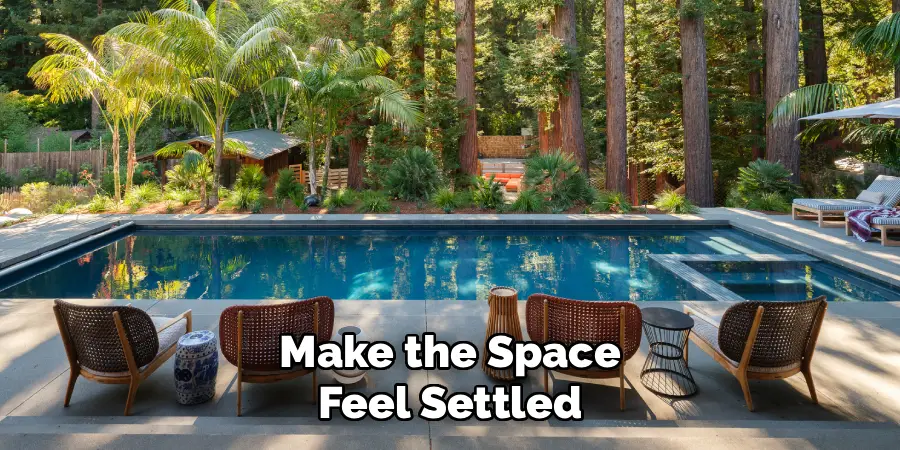
The cushions matter just as much as the frames. Perhaps more. Look for performance fabrics such as solution-dyed acrylics that can stand up to sun and moisture without fading too quickly or developing mildew. Add pillows and lightweight blankets if you want the space to encourage longer evenings outside. There is a fine line here, though. Too many accessories can make outdoor furniture feel staged rather than lived in. Comfort should lead; decoration should support it.
Step 4: Incorporate Lush Landscaping and Greenery
Resort spaces tend to feel enveloped by planting. That sense of softness and enclosure is part of what makes them feel separate from everyday life. It is not only about color. It is about depth, screening, and the visual rhythm created by different heights and leaf shapes.
One practical approach is to build from the outside in. Use evergreen shrubs or tall ornamental grasses along the perimeter to create a backdrop that holds through much of the year. Then layer in mid-height perennials and small ornamental trees where you want more texture or definition. This can make fences look less harsh and the whole yard feel less exposed.
If in-ground planting is not realistic, container gardening can still produce a surprisingly strong effect. Large planters grouped near seating areas often create that resort feeling faster than scattered flowerpots ever will. Tropical-looking plants such as palms, Bird of Paradise, or elephant ears can work especially well if the climate supports them or if you are treating them as seasonal accents. Self-watering planters may also be worth considering. They are not romantic, exactly, but they can reduce the chance that everything looks stressed by midsummer.
Step 5: Install Ambient Outdoor Lighting for Evening Appeal
A backyard may look lovely at 4 p.m. and completely flat by 8 p.m. Lighting is what closes that gap.
The goal is not brightness. In fact, too much brightness usually ruins the effect. Floodlights tend to erase atmosphere and make a patio feel exposed. Softer, layered lighting works better. String bistro lights over a seating or dining area to create a canopy effect. That one move, simple as it is, often changes the space immediately.
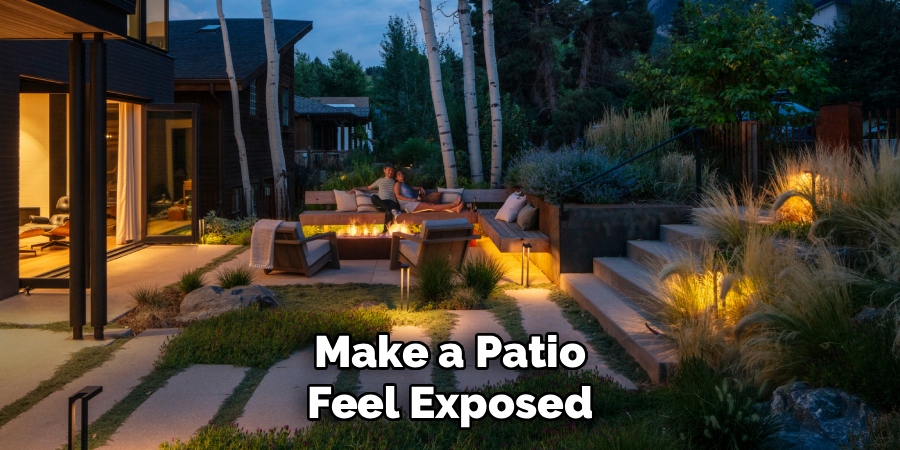
From there, think in levels. Low-voltage pathway lights can make the yard safer and more navigable after dark. Uplighting at the base of a tree, fence feature, or architectural element adds shape and shadow. Lanterns, flameless candles, and small solar accents on side tables or planters help the light feel less overhead and more distributed. The result is not dramatic in a theatrical sense. It is quieter than that. But quiet is often what makes people want to stay outside longer.
Step 6: Add a Calming Water Feature or Fire Pit
Good outdoor spaces engage more than the eye. They work through sound, temperature, and habit. That is why water and fire tend to matter so much.
A water feature can soften the background noise of traffic, neighbors, or nearby streets. It does not need to be large. In many yards, a small stone fountain, bubbling birdbath, or pondless waterfall is enough to introduce movement and a steady, calming sound. The effect may be modest, but it is noticeable. Especially in suburban spaces where complete quiet is unrealistic.
A fire feature creates a different kind of draw. People gather around it almost automatically. A propane fire table offers a cleaner, lower-maintenance option, which may be useful if the feature sits near dining furniture or in a compact patio area. Wood-burning fire pits have a more informal appeal and, for some people, a stronger emotional pull. They also require more cleanup and more tolerance for smoke. So the better choice is not universal; it depends on how you want the space to function.
Step 7: Introduce Privacy Elements and Climate Control
Even a well-furnished backyard can feel unfinished if it lacks privacy. Comfort is partly physical, but it is also psychological. People relax more easily when they do not feel watched.
Privacy screens, trellises with climbing plants, outdoor curtains, or tall container plantings can all help block direct sightlines from neighboring windows or fences. Bamboo in long trough-style planters is one option people often use for a cleaner, more modern screen, though its suitability may depend on local conditions and maintenance tolerance. The exact method matters less than the outcome: the space should feel enclosed enough to be restful without becoming boxed in.
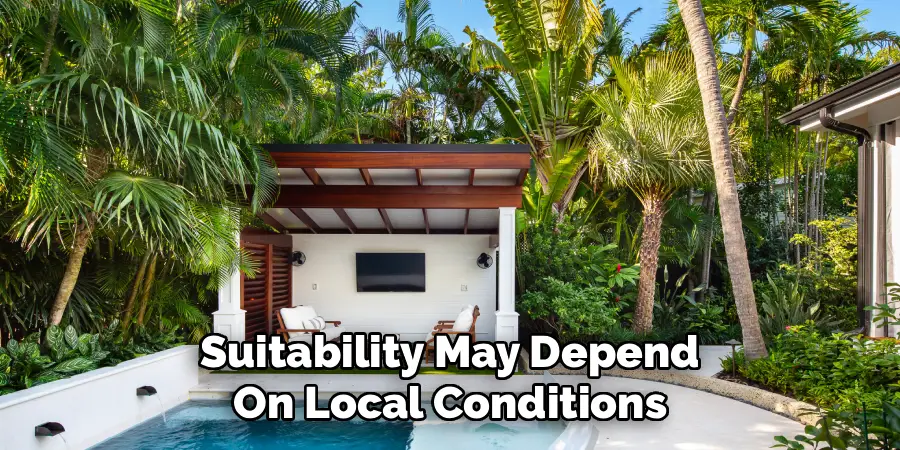
Climate control is just as important, and often more practical. Shade structures such as pergolas, cantilever umbrellas, or retractable awnings make a major difference during hot afternoons. If summer heat is intense where you live, a ceiling fan or misting setup may make the yard usable at times when it otherwise would not be. Once evening sets in, patio heaters can extend the season well beyond late summer. None of these elements is especially glamorous on its own, but together they make the space far more livable. Following these steps on how to turn a backyard into a mini resort can greatly enhance your outdoor living experience.
What Are the Most Common Mistakes to Avoid?
The first mistake is usually scale. People buy furniture before measuring carefully, then discover too late that the chairs barely pull out or the sectional dominates the patio. It is a common problem, and an expensive one.
Another issue is ignoring the climate. Materials that look appealing in a showroom may perform poorly in intense sun, heavy rain, or freeze-thaw conditions. Cushions fade. Metal rusts. Plants struggle. What works beautifully in one region may be a headache in another.
Lighting is also frequently treated as optional when it probably should be considered part of the core plan. Without it, the yard loses much of its usefulness after sunset, which limits how often you will actually enjoy the investment.
How Much Will It Cost to Build a Backyard Resort?
The cost varies widely, largely because “backyard resort” can mean anything from a polished patio refresh to a full landscape renovation with permanent built-ins.
A basic DIY update—say, mid-range furniture, string lights, one outdoor rug, and a collection of potted plants—will often fall somewhere between $1,000 and $3,500. That range can shift, of course, but it is a reasonable starting point for a lighter transformation. Mid-range projects that include paver work, a higher-end fire feature, and professional landscaping often land between $5,000 and $15,000.
At the upper end, expenses rise quickly. A built-in outdoor kitchen, custom pergola, or in-ground plunge pool can push a project past $30,000 to $50,000 with little difficulty. For that reason, it usually makes sense to prioritize the pieces that affect daily use most directly: shade, seating, and layout. Decorative upgrades can come later if the budget allows.
Frequently Asked Questions About Backyard Mini Resorts
Q1: How Long Does It Take to Build a Backyard Resort?
A1: A simple refresh can happen fast. If you are mainly adding furniture, planters, and lighting, you may be able to finish in a weekend or over two or three days. Larger projects involving hardscaping, built-in structures, or extensive planting usually take longer—often three to eight weeks. Permits for pergolas, pools, or other substantial additions may stretch that timeline further.
Q2: What Is the Best Furniture Material for an Outdoor Oasis?
A2: It depends on your climate and how much maintenance you are willing to do. Teak lasts well and naturally resists rot, though it needs periodic oiling if you want to preserve its original color. Powder-coated aluminum is lighter, resists rust effectively, and requires very little upkeep, which makes it a practical choice for many households.
Q3: Does Upgrading a Backyard Increase Property Value?
A3: In many cases, yes. A functional, well-designed backyard can improve both curb appeal and perceived living space. According to the National Association of Realtors, outdoor features such as patios and professional landscaping may return roughly 80% to 100% of their cost. Even when the exact return varies, buyers often respond positively to outdoor areas that feel finished and easy to imagine using.
Final Thoughts on Designing Your Personal Oasis
Creating a backyard that feels like a small resort is not really about copying a hotel. It is about borrowing the parts that make those places appealing—comfort, atmosphere, privacy, and a sense that the space has been thought through.
If you define clear zones, choose durable furniture, add planting with some depth, and pay close attention to lighting and shade, the yard can begin to function as more than an afterthought behind the house. It becomes a place you gravitate toward. A place you use. That, more than any decorative flourish, is what makes the transformation feel successful.
A practical first step is simple: measure the space, sketch a rough plan, and decide how you actually want to spend time out there. The rest becomes much easier once that part is honest. Thanks for reading this guide on how to turn a backyard into a mini resort.

About
Outdoor Fixes is a distinguished figure in the world of Diy design, with a decade of expertise creating innovative and sustainable Diy solutions.
His professional focus lies in merging traditional craftsmanship with modern manufacturing techniques,
fostering designs that are both practical and environmentally conscious. As the author of diy,
outdoorfixes delves into the art and science of outdoorfixes-making, inspiring artisans and industry professionals alike.
Education RMIT University
(Melbourne, Australia) Associate Degree in Design (Outdoor Fixes) Focus on sustainable design, industry-driven projects,
and practical craftsmanship. Gained hands-on experience with traditional and digital manufacturing tools, such as CAD and CNC software.
Nottingham Trent University
(United Kingdom) Bachelor’s in outdoorfixes.com and Product Design (Honors) Specialized in product design with a focus on blending creativity with production
techniques. Participated in industry projects, working with companies like John Lewis and Vitsoe to gain real-world insights.
Publications and Impact
In diy, Outdoor Fixes his insights on indoor design processes, materials, and strategies for efficient production.
His writing bridges the gap between artisan knowledge and modern industry needs, making it a must-read for both budding designers and seasoned professionals.