
TL;DR: If grass or weed growth is taking over your pond, start by figuring out exactly what plant you are dealing with. From there, remove as much visible growth as you can by hand with a pond rake or similar tool, and use an aquatic herbicide only if the problem is too established to manage mechanically. Long-term control usually depends less on a single treatment and more on changing the pond conditions that allowed the growth in the first place—especially excess nutrients, poor circulation, and heavy organic buildup.
A pond can go from clear and attractive to clogged and stagnant faster than many owners expect. Once aquatic grass and weeds get ahead of you, they may slow water movement, reduce oxygen available to fish, and create sheltered conditions that mosquitoes and other pests tend to exploit.
That said, there is rarely a true one-step fix. In most cases, lasting control comes from a combination of accurate identification, careful removal, and follow-up maintenance. The aim is not simply to kill visible plants, but to restore a more stable balance in the water. This guide on how to get rid of grass in a pond walks through that process in practical terms and points out where pond owners often make the problem worse without realizing it.
How Do You Identify the Type of Grass or Aquatic Weed?
Before you treat anything, you need to know what is actually growing in the pond. That sounds obvious, yet it is where many people go wrong. Aquatic weeds are often grouped into three broad types: emergent, submerged, and floating. Emergent plants—cattails and torpedo grass are common examples—usually root near the shoreline and rise above the water’s surface. Submerged species, including hydrilla and certain pondweeds, grow mostly or entirely underwater and may snag fishing lines or propellers. Floating plants such as duckweed and water hyacinth stay on the surface, where they can shade the water below.
Misidentification costs time. It also tends to lead to the wrong treatment plan. A product intended for floating duckweed, for instance, may do very little against a deeply rooted shoreline grass. For that reason, it helps to take close-up photos of leaves, stems, and roots if you can collect a sample safely. Then compare what you see with your local agricultural extension resources or ask a pond management professional for confirmation. It may feel like an extra step, but it usually saves effort later and makes it far more likely that whatever control method you choose will actually work.
7 Simple Step-By-Step Guidelines on How to Get Rid of Grass in a Pond
Step 1: Assess the Pond Environment Before Action
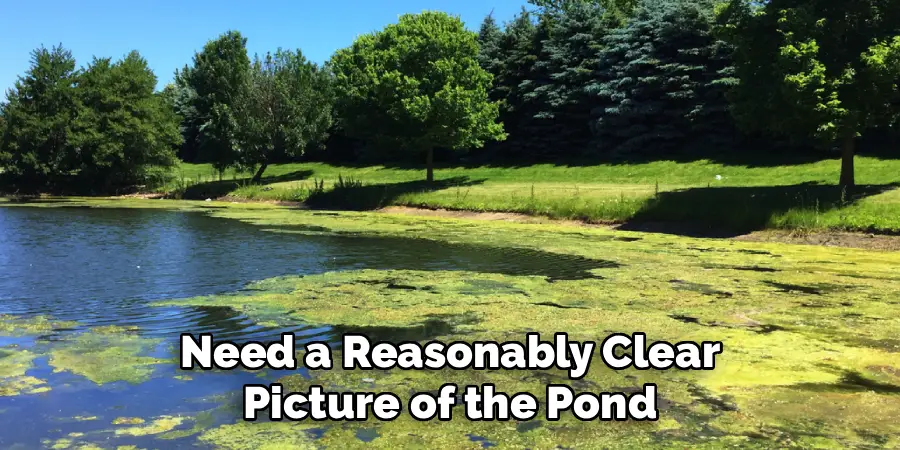
The first job is not removal. It is an assessment. You need a reasonably clear picture of the pond itself before deciding how aggressive to be. Start with the basics: surface area, approximate average depth, and the general extent of the infestation. Those details matter because they shape everything that follows, especially if chemical treatment becomes necessary.
You should also pay attention to what else is living there. Fish, turtles, frogs, and beneficial insects all place practical limits on what you can do safely. Then look beyond the water. If the pond receives runoff from fertilized lawns, farm fields, or storm drains, that may help explain why the grass keeps returning. This kind of baseline review is not glamorous, but it matters. Without it, people often overtreat, miscalculate dosage, or trigger oxygen crashes that can lead to fish loss.
Step 2: Manually Remove the Visible Grass
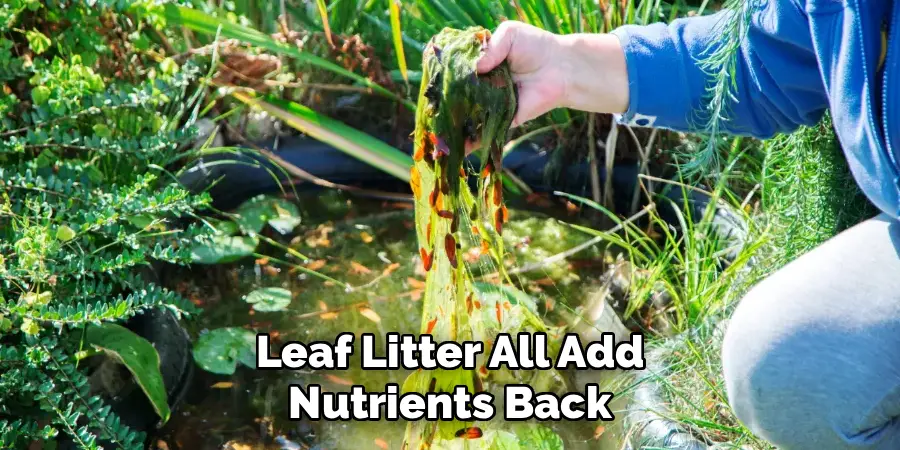
In many ponds, the fastest visible improvement comes from physical removal. It is hard work, yes, but often worth doing first. A pond rake, weed cutter, or long-handled skimmer can help you pull or cut back thick mats of vegetation, especially around the edges where growth is easiest to reach.
Work slowly and in sections rather than tearing up everything at once. Pull the material onto shore, then move it well away from the pond for disposal or composting. Leaving cut vegetation near the bank may undo much of your effort. Seeds, fragments, and nutrient-rich plant matter can wash right back in after a rain. Manual removal will not always solve the whole problem, particularly with rooted or aggressive species, but it can reduce the plant mass immediately and lower the amount of decaying material left behind if you later use herbicide.
Step 3: Select an Appropriate Aquatic Herbicide
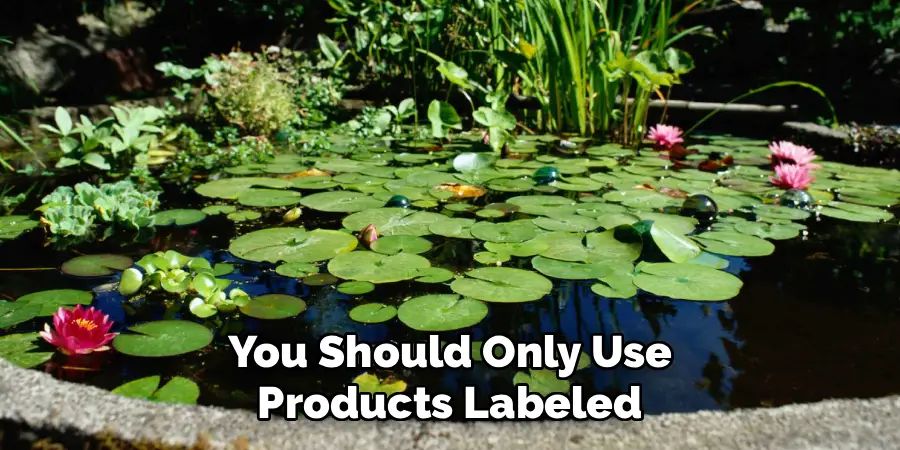
If hand removal is not enough, an aquatic herbicide may be the next step. The keyword is aquatic. You should only use products labeled and approved for use in ponds or similar water bodies. Different active ingredients target different plants, so the herbicide has to match the species you identified earlier. Products containing glyphosate, fluridone, or diquat are often used for aquatic weed control, but they do not all behave the same way and are not interchangeable.
This is also where restraint matters. Standard lawn or agricultural weed killers should not be substituted. Many contain surfactants or other ingredients that may be harmful to fish, amphibians, and non-target aquatic life. Read the label carefully—not just the front panel, but the use instructions and restrictions. Pay attention to whether there are waiting periods for irrigation, swimming, or livestock access. Those details are easy to skim past, but they are often the difference between safe treatment and avoidable damage.
Step 4: Apply the Herbicide Properly and Safely
Application is where good intentions can go sideways. Even an appropriate product can cause problems if it is applied too broadly, too heavily, or under poor conditions. Wear the protective gear listed on the label, which usually includes gloves, eye protection, and clothing that limits skin exposure. For most pond owners, a backpack sprayer or similar setup gives better control than trying to improvise.
One rule is especially important: do not treat the whole pond at once. It may seem efficient, but it often creates a second problem. As large amounts of vegetation die and decompose, oxygen in the water can drop sharply. Fish kills sometimes follow. A safer approach is to treat no more than about one-third of the pond at a time, then wait—often at least two weeks—before treating the next section. That slower pace can be frustrating, though it is usually far less risky for the pond as a living system.
Step 5: Install a Subsurface Pond Aeration System
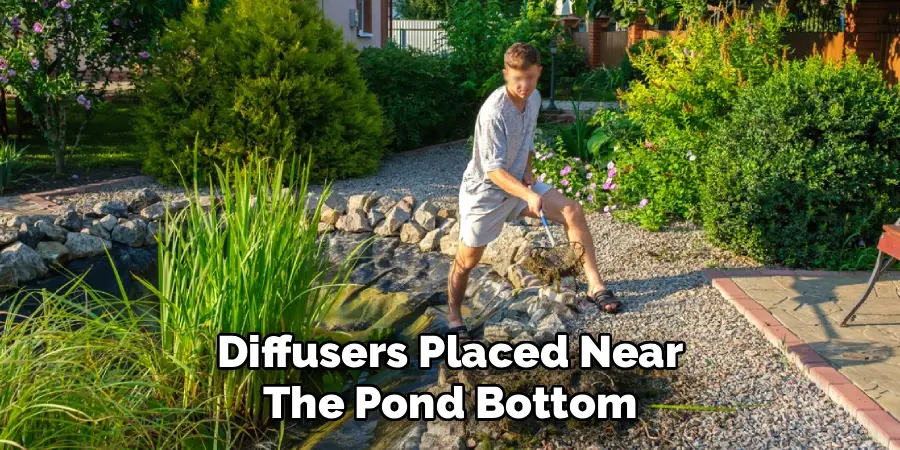
If the pond stays stagnant, weed problems often return. That is why aeration is less of an add-on and more of a long-term management tool. A subsurface aeration system moves oxygen through the water column using a shore-mounted compressor, weighted airline tubing, and diffusers placed near the pond bottom. As fine bubbles rise, they help circulate water from top to bottom.
This circulation may make the pond less favorable for certain nuisance plants, and it often improves overall water quality as well. Better oxygen levels can support the breakdown of bottom muck and decaying organic matter—the very material that tends to feed future growth. Aeration does not remove weeds by itself, and it should not be treated as a miracle cure. Still, in many ponds, it appears to be one of the more reliable ways to reduce the conditions that allow overgrowth to keep coming back.
Step 6: Use Beneficial Bacteria Treatments
Beneficial bacteria treatments are often marketed aggressively, so a little caution is useful here. They are not magic. Even so, they can play a helpful supporting role, particularly in ponds with heavy organic buildup. These products are designed to help break down accumulated waste such as fish waste, leaf debris, and nutrient-rich sludge. In theory, and often in practice, that can reduce the nitrogen and phosphorus available to nuisance plants.
Most pond owners apply these treatments during warmer months, when microbial activity is naturally higher. They are usually sold in liquid, powder, or slow-release forms. Results tend to be gradual rather than dramatic. When paired with proper aeration, though, bacteria treatments may help clear murky water, reduce odor, and lessen the dependence on harsher interventions over time. I would treat them as part of a maintenance plan, not as a substitute for removal or nutrient control.
Step 7: Monitor the Pond and Maintain the Water
The truth is simple: pond weed control is ongoing. You do not “finish” it once and walk away. After treatment, inspect the shoreline and shallow margins regularly for regrowth. Small patches are far easier to remove than a full return of the infestation.
Water testing also helps, especially if the pond has recurring issues. Keep an eye on pH, ammonia, nitrites, and dissolved oxygen if you have the tools to do so. At the same time, look at the surrounding land. Grass clippings, fertilizer runoff, and leaf litter all add nutrients back into the system. Maintenance is not especially exciting, but it is usually what separates a pond that stays manageable from one that slips back into the same cycle every season.
Following these steps on how to get rid of grass in a pond can help maintain a healthy and balanced aquatic ecosystem.
What Are the Most Common Mistakes to Avoid When Clearing Pond Grass?
One of the most damaging mistakes is treating the entire pond with herbicide in a single round. That approach often leads to a large mass of dead vegetation decomposing at once, which can strip oxygen from the water and stress or kill fish. Another common error is using ordinary lawn herbicides near or in the pond. Products made for land use may contain ingredients that are unsafe for aquatic environments.
Misidentifying the weed is another frequent problem, and it tends to set off a chain of bad decisions. People buy the wrong product, apply it incorrectly, then assume nothing works. Just as important, many pond owners focus only on what is visible above the surface and ignore the nutrient load driving the growth. If runoff, sludge, and poor circulation are left in place, the grass often comes back the next season, sometimes thicker than before.
When Do You Need to Use Help From Others for Pond Maintenance?
There is a point at which a pond becomes more than a do-it-yourself project. If the water body is over an acre, manual removal and consumer sprayers may become impractical very quickly. The same is true when the pond supplies livestock, irrigation, or some other essential use, because treatment decisions then carry higher stakes and often stricter legal requirements.
Professional help also makes sense if you see a sudden fish kill, severe algae blooms alongside the grass problem, or plant growth you cannot identify with confidence. In those cases, guessing can make matters worse. A licensed pond management service may be able to assess water quality, identify the species correctly, and apply treatment in a way that is safer for the pond overall. Not every problem requires outside help, but some absolutely do.
Frequently Asked Questions
Q1: Will Removing Pond Grass Harm Fish and Wildlife?
A1: Mechanical removal is usually the safer option, especially if you work gradually and avoid tearing up the entire pond bottom at once. Problems tend to arise when large areas are disturbed or when chemical treatments are applied too aggressively. If too much vegetation dies at the same time, decomposition can lower dissolved oxygen enough to stress fish or even cause suffocation. For that reason, small treatment zones and products approved specifically for aquatic use are the safer route.
Q2: How Long Does It Take to Clear Grass From a Pond?
A2: That depends on the method and on how established the growth is. Manual removal changes the pond’s appearance right away, though it can be physically demanding and may need repeating. Aquatic herbicides often take around 10 to 14 days to show full results on the target plants. Improving the broader condition of the pond through aeration, nutrient reduction, and bacterial treatments is slower. In many cases, noticeable improvement unfolds over several months rather than days.
Q3: Can You Use Vinegar to Kill Aquatic Weeds Naturally?
A3: In a garden bed, horticultural vinegar may act as a contact herbicide. In a pond, it is a poor choice. It is unlikely to solve a rooted aquatic weed problem, and adding enough vinegar to matter could shift the water’s pH in ways that harm fish and beneficial microbes. So while it sounds like a “natural” fix, it is not a particularly safe or effective one for ponds. Mechanical removal or approved aquatic products are the better options.
Final Thoughts on Maintaining a Weed-Free Pond
Getting pond grass under control usually takes patience more than force. The best results tend to come from identifying the plant correctly, removing it in a measured way, and addressing the pond conditions that allowed it to spread in the first place. That may include reducing nutrient inputs, improving circulation, and keeping organic buildup from accumulating year after year.
A clear pond is rarely the result of one dramatic intervention. More often, it comes from steady management and a willingness to adjust your approach when conditions change. If you stay attentive to the pond as a system—not just as a patch of weeds to eliminate—you are much more likely to keep it healthy and manageable over the long term. Thanks for reading this guide on how to get rid of grass in a pond.

About
Outdoor Fixes is a distinguished figure in the world of Diy design, with a decade of expertise creating innovative and sustainable Diy solutions.
His professional focus lies in merging traditional craftsmanship with modern manufacturing techniques,
fostering designs that are both practical and environmentally conscious. As the author of diy,
outdoorfixes delves into the art and science of outdoorfixes-making, inspiring artisans and industry professionals alike.
Education RMIT University
(Melbourne, Australia) Associate Degree in Design (Outdoor Fixes) Focus on sustainable design, industry-driven projects,
and practical craftsmanship. Gained hands-on experience with traditional and digital manufacturing tools, such as CAD and CNC software.
Nottingham Trent University
(United Kingdom) Bachelor’s in outdoorfixes.com and Product Design (Honors) Specialized in product design with a focus on blending creativity with production
techniques. Participated in industry projects, working with companies like John Lewis and Vitsoe to gain real-world insights.
Publications and Impact
In diy, Outdoor Fixes his insights on indoor design processes, materials, and strategies for efficient production.
His writing bridges the gap between artisan knowledge and modern industry needs, making it a must-read for both budding designers and seasoned professionals.