
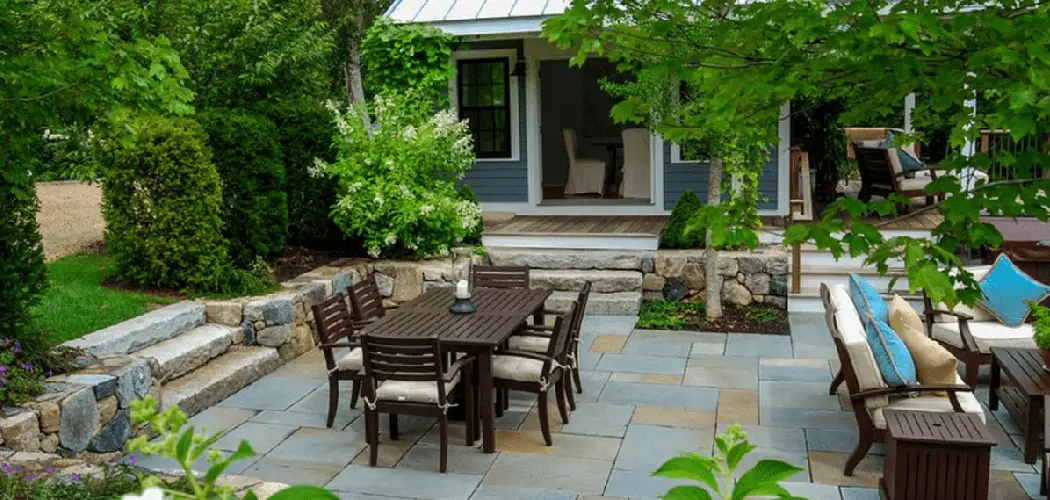
Transforming your outdoor space into a personal retreat gives you a private sanctuary right outside your back door. Designing a backyard oasis requires thoughtful planning, a clear vision, and a commitment to creating a space that serves your specific lifestyle needs.
Whether you have a sprawling lawn or a compact urban courtyard, you can cultivate an environment that promotes relaxation and joy. A well-designed outdoor area serves as an extension of your home, blending comfort with the beauty of the natural world.
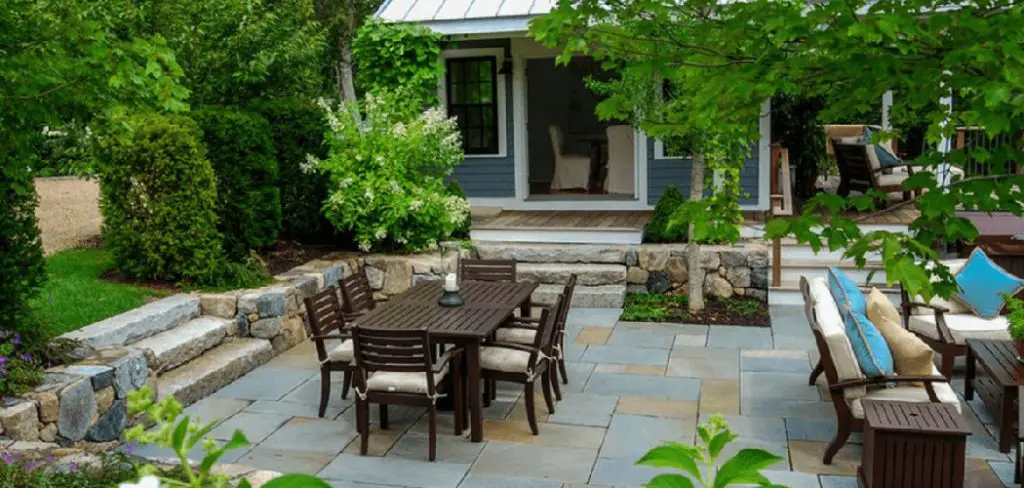
This guide on how to design a backyard oasis provides a complete, actionable roadmap to help you navigate the process of building a functional and breathtaking backyard oasis. By following these structured guidelines, you will turn an ordinary yard into an extraordinary haven where you can unwind, entertain, and reconnect with nature.
What Will You Need?
Before breaking ground, you must gather the essential tools, materials, and planning resources. Proper preparation prevents costly delays and ensures a smooth design process.
Planning Resources:
- Graph paper, pencils, and an eraser for sketching your layout.
- A long measuring tape to accurately record your yard’s dimensions.
- A camera to take “before” photos and track sun exposure throughout the day.
- A comprehensive budget spreadsheet to track expenses for materials, labor, and decor.
Landscaping and Construction Materials:
- Hardscaping materials such as pavers, natural stone, or decking boards for your foundation.
- High-quality topsoil, mulch, and compost to nourish your plants.
- A selection of native plants, shrubs, and trees suited to your specific climate zone.
- Outdoor lighting fixtures, including solar pathway lights and low-voltage spotlights.
- Structural elements like a pergola, umbrella, or shade sail for sun protection.
Essential Tools:
- Sturdy shovels, rakes, and a wheelbarrow for moving dirt and materials.
- Gardening gloves, pruning shears, and a trowel for planting.
- A level and a rubber mallet for laying pavers or stepping stones.
- If you plan to hire professionals, you will need a list of vetted local contractors, landscapers, and electricians.
10 Easy Steps on How to Design a Backyard Oasis
Step 1: Assess Your Space and Needs
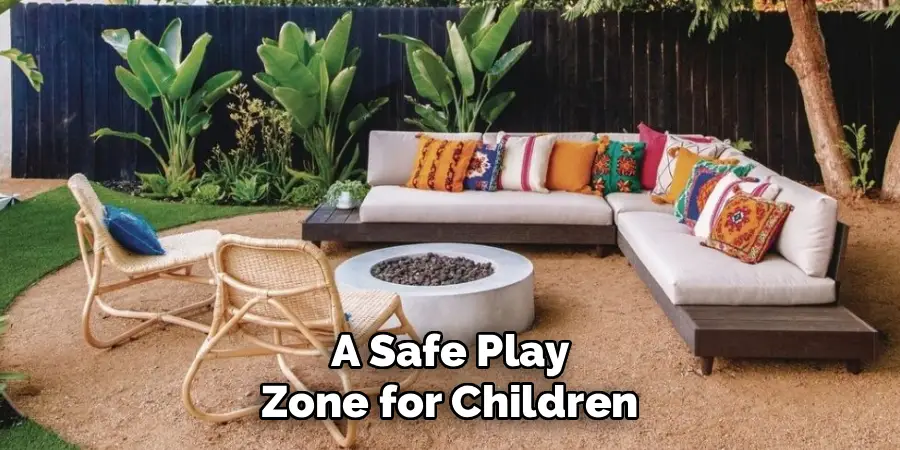
Before buying any materials or plants, take time to thoroughly evaluate your current outdoor space. Measure the precise dimensions of your yard and note any existing features you want to keep or remove. Observe the sunlight patterns throughout the day, as this will dictate where you place seating areas and specific plant varieties. Next, define exactly how you intend to use the space. Decide if you want a quiet reading nook, a lively entertainment area with an outdoor kitchen, or a safe play zone for children. Identifying your primary needs upfront ensures that every design choice you make serves a distinct, functional purpose.
Step 2: Set a Realistic Budget
Establishing a clear and realistic budget is a critical step that dictates the scope of your entire project. Determine the absolute maximum amount you are willing to spend and break that total down into specific categories like hardscaping, plants, furniture, and labor. Research the average costs of materials in your area to ensure your expectations align with market realities. Always build a contingency fund of at least fifteen to twenty percent into your budget to cover unexpected expenses, such as hidden drainage issues or sudden material price increases. A well-planned budget keeps your project on track and prevents financial stress.
Step 3: Create a Design Plan
Translate your ideas and measurements into a cohesive visual plan. Use graph paper or digital landscape design software to map out the different zones of your yard, such as the dining area, lounging space, and garden beds. Pay close attention to the flow of traffic, ensuring there are clear, unobstructed pathways between each zone and the entrances to your home. Designating specific areas for different activities creates a sense of order and purpose. A solid master plan acts as your blueprint, guiding all future decisions and keeping the final aesthetic unified and harmonious.
Step 4: Focus on Privacy
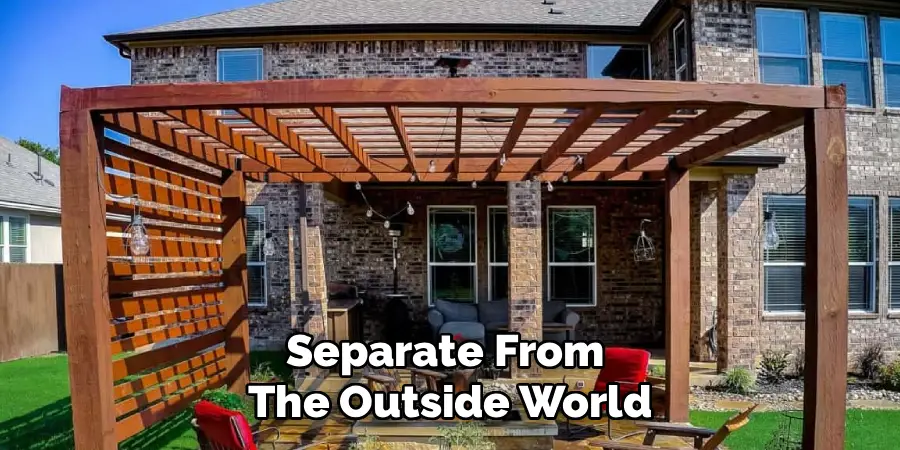
A true oasis must feel secluded and separate from the outside world. Assess the sightlines from neighboring properties and determine where you need to establish visual barriers. You can achieve this privacy through a variety of methods, depending on your style and budget. Install tall wooden fences, build elegant stone walls, or use living screens like dense hedges and climbing vines on trellises. Strategically placing large potted plants or outdoor curtains around a pergola can also create intimate, shielded corners. Prioritizing privacy allows you to fully relax without feeling exposed to onlookers.
Step 5: Choose the Right Plants
Selecting the appropriate flora is essential for creating a vibrant and sustainable outdoor retreat. Research your local hardiness zone and prioritize native plants, as they require less water and are naturally resistant to local pests. Aim for a diverse mix of evergreens, perennials, and seasonal blooms to ensure your yard looks lively throughout the year. Consider the mature size of every tree and shrub to prevent overcrowding down the line. Layer your landscaping by placing taller trees in the back, medium shrubs in the middle, and colorful ground cover in the front for a rich, textured appearance.
Step 6: Incorporate Water or Fire Features
Adding a focal point like a water or fire feature elevates the sensory experience of your backyard. The gentle sound of running water from a fountain, small pond, or cascading waterfall drowns out neighborhood noise and promotes deep relaxation. Conversely, a fire pit or outdoor fireplace creates a warm, inviting gathering spot that extends the usability of your yard into the chilly autumn and winter months. Choose a feature that fits the scale of your space and aligns with your overall aesthetic, ensuring it becomes a natural centerpiece rather than an overwhelming obstruction.
Step 7: Design Comfortable Seating Areas
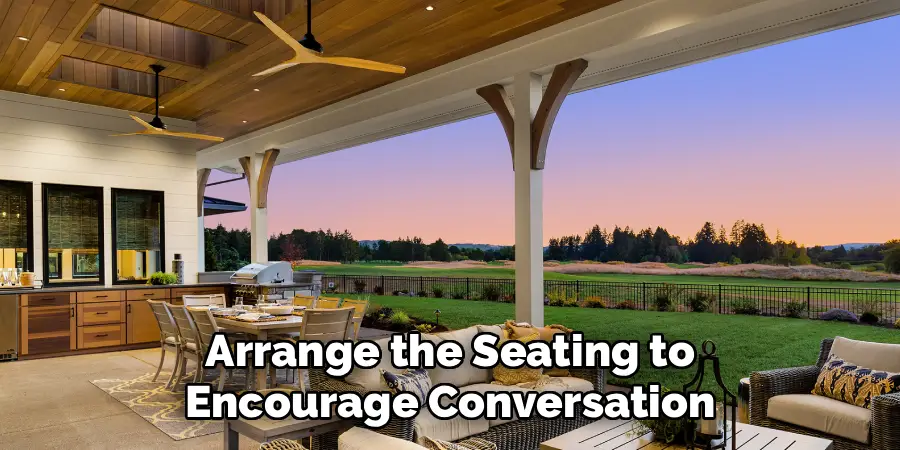
Your oasis needs comfortable, durable places for you and your guests to sit and unwind. Invest in high-quality, weather-resistant outdoor furniture that can withstand sun, rain, and wind. Arrange the seating to encourage conversation and relaxation, perhaps centering couches and chairs around a focal point like a fire pit or a beautiful garden view. Include a mix of seating options, such as a large dining table for meals, plush lounge chairs for sunbathing, and cozy hammocks or hanging chairs for reading. Add outdoor rugs and weather-proof cushions to bring indoor comfort outside.
Step 8: Install Outdoor Lighting
Proper lighting transforms your backyard oasis from a daytime retreat into a magical evening sanctuary. Layer your lighting to serve both functional and aesthetic purposes. Use bright, focused spotlights to highlight architectural features, large trees, or water elements. Install soft, low-voltage pathway lights to ensure safe navigation through the yard after dark. Drape string lights overhead across patios or pergolas to create a warm, festive ambiance. Incorporating smart lighting systems or timers allows you to effortlessly control the mood and energy usage, ensuring your yard is always perfectly illuminated when you need it.
Step 9: Add Shade Structures
Providing relief from the harsh summer sun is vital for a comfortable outdoor experience. Evaluate your yard to determine where shade is most needed during the hottest parts of the day. You can build permanent structures like a wooden pergola or a solid-roofed gazebo to create dedicated, shaded living rooms. For more flexible or budget-friendly options, consider installing retractable awnings, heavy-duty shade sails, or large cantilever umbrellas over seating and dining areas. Integrating climbing plants like wisteria or ivy over a pergola can provide natural, dappled shade while adding lush greenery to your design.
Step 10: Personalize with Decor
The final step is to infuse your personal style into the space through carefully chosen decor. Treat your outdoor area exactly as you would an indoor room by adding layers of texture and color. Hang weather-resistant art on exterior walls or fences, and strategically place sculptures or garden ornaments among the plant beds. Use decorative throw pillows, cozy blankets, and patterned outdoor rugs to tie your color scheme together. Add wind chimes, bird feeders, or customized planters to reflect your unique tastes. These finishing touches give your backyard its distinct personality and welcoming charm.
5 Things You Should Avoid
1. Ignoring Your Local Climate:
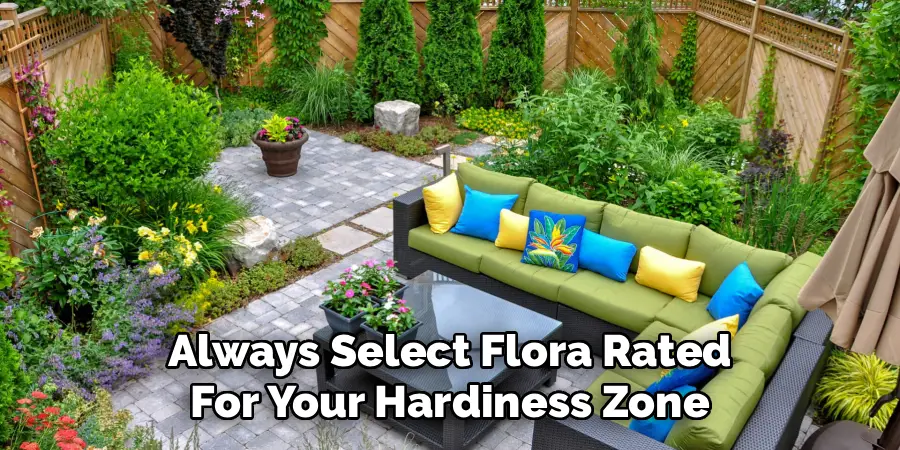
Failing to account for your specific weather patterns leads to dead plants and ruined furniture. Always select flora rated for your hardiness zone and choose materials that can survive your local extremes, whether that involves freezing winters or scorching summers.
2. Overcomplicating the Design:
Cluttering your yard with too many features, pathways, and contrasting materials creates visual chaos. A successful oasis relies on tranquility and flow. Stick to a cohesive color palette and limit the number of focal points to maintain a serene atmosphere.
3. Neglecting Proper Drainage:
Poor drainage can ruin your hardscaping, drown your plants, and flood your home’s foundation. Always grade the soil away from your house and consider installing French drains or retaining walls if your yard has significant slopes or water pooling issues.
4. Underestimating Maintenance:
Every plant and feature requires ongoing care. Avoid planting high-maintenance gardens or installing complex water features if you do not have the time or budget to maintain them. Choose low-maintenance alternatives like native shrubs and composite decking if you prefer a hands-off approach.
5. Skipping Necessary Permits:
Building decks, adding electrical lines, or constructing large pergolas often requires approval from your local municipality or homeowners’ association. Bypassing this step can result in hefty fines and force you to tear down your hard work. Always check local regulations before building.
Conclusion
How to design a backyard oasis is a highly rewarding endeavor that fundamentally changes how you experience your home.
By taking the time to assess your space, establish a realistic budget, and follow a structured design plan, you can build a stunning environment tailored exactly to your needs. Remember to focus on creating comfortable seating, ensuring adequate privacy, and adding personal touches that reflect your unique style. Avoid common pitfalls like ignoring drainage or neglecting maintenance to ensure your retreat remains beautiful for years to come.
With careful planning and a bit of effort, you can create a spectacular outdoor sanctuary that offers daily relaxation, joy, and a perfect escape from the outside world.

About
Outdoor Fixes is a distinguished figure in the world of Diy design, with a decade of expertise creating innovative and sustainable Diy solutions.
His professional focus lies in merging traditional craftsmanship with modern manufacturing techniques,
fostering designs that are both practical and environmentally conscious. As the author of diy,
outdoorfixes delves into the art and science of outdoorfixes-making, inspiring artisans and industry professionals alike.
Education RMIT University
(Melbourne, Australia) Associate Degree in Design (Outdoor Fixes) Focus on sustainable design, industry-driven projects,
and practical craftsmanship. Gained hands-on experience with traditional and digital manufacturing tools, such as CAD and CNC software.
Nottingham Trent University
(United Kingdom) Bachelor’s in outdoorfixes.com and Product Design (Honors) Specialized in product design with a focus on blending creativity with production
techniques. Participated in industry projects, working with companies like John Lewis and Vitsoe to gain real-world insights.
Publications and Impact
In diy, Outdoor Fixes his insights on indoor design processes, materials, and strategies for efficient production.
His writing bridges the gap between artisan knowledge and modern industry needs, making it a must-read for both budding designers and seasoned professionals.