
To clean a pondless waterfall, turn off the pump, drain the basin, remove and scrub the pump, clear debris from the gravel reservoir, scrub the rocks from top to bottom, rinse and reassemble the system, then restart and observe performance. A full clean takes two to four hours and should be done at least once or twice a year.
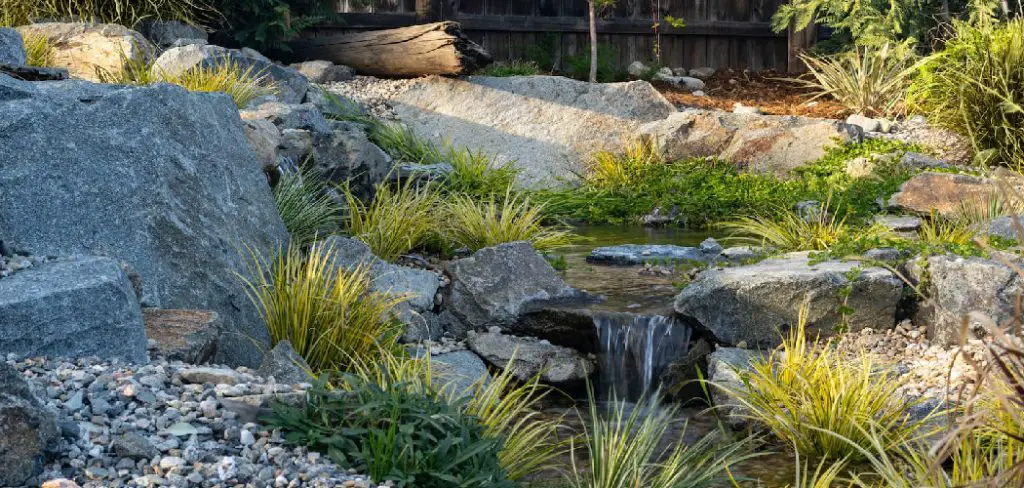
A neglected pondless waterfall doesn’t fail dramatically—it just slowly gets worse. The stream weakens. The rocks darken. A faint smell starts drifting up from the basin. By the time most homeowners notice something’s wrong, the pump is already working twice as hard as it should.
The good news is that cleaning a pondless waterfall is genuinely manageable, even for first-timers. You don’t need specialized equipment or professional help—just a free afternoon, a garden hose, and a clear sense of what you’re doing.
This guide on how to clean a pondless waterfall walks through the entire process: how the system works, the warning signs to watch for, a step-by-step cleaning method, seasonal maintenance tips, and the mistakes most people make without realizing it.
How Does a Pondless Waterfall System Actually Work?
A pondless waterfall recirculates water through a closed loop. Water flows down over rocks and disappears into a gravel-filled underground reservoir—no open pond, no standing water. A submersible pump sits at the bottom of that reservoir and pushes water back up through a pipe to the top of the falls, where the cycle starts again.
Because the reservoir is hidden and the water moves continuously, pondless systems require less upkeep than traditional ponds. There’s no fish waste to manage, no water surface to skim daily. That said, debris still finds its way in. Leaves decompose in the gravel. Algae colonize the rocks. Mineral deposits crust around the pump intake. Left alone long enough, these issues compound—and what was a five-minute rinse job becomes a half-day project.
Tools and Materials You’ll Need
Before you start, gather the following:
- Garden hose with a spray nozzle
- Wet/dry vacuum or small utility pump (for draining)
- Stiff-bristled scrub brush
- Rubber gloves
- Soft brush for the pump
- White vinegar or a pond-safe cleaner
- Replacement filter pads (if your pump uses them)
- Bucket
- Pond-safe algaecide (optional, for persistent growth)
7 Simple Steps on How to Clean a Pondless Waterfall
Step 1: Turn Off the Pump and Disconnect the Power
Start here, always. Switch off the pump and unplug it from its power source before touching anything else. It’s a step people skip when they’re in a hurry, and it’s a meaningful safety risk—not a formality.
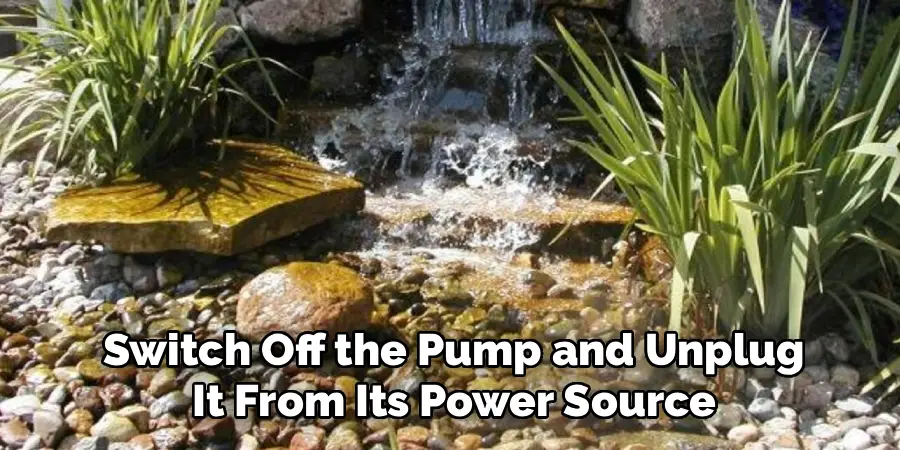
Once the power is off, let the water settle for a few minutes. With the movement stopped, you’ll get a clearer look at what’s sitting at the bottom of the basin. While you’re waiting, check the pump cord and any visible connections for fraying or damage. A quick visual inspection now could prevent a more serious problem later.
Step 2: Remove Excess Water From the Basin
You don’t need to drain the reservoir completely, but getting the water level down significantly makes everything easier. Use a wet/dry vacuum or a small utility pump to pull out the majority of the water.
Rather than dumping it down a drain, consider directing it toward nearby garden beds. Water from a pondless reservoir is typically nutrient-rich from organic decomposition—it functions reasonably well as a mild liquid fertilizer.
Step 3: Remove and Clean the Pump
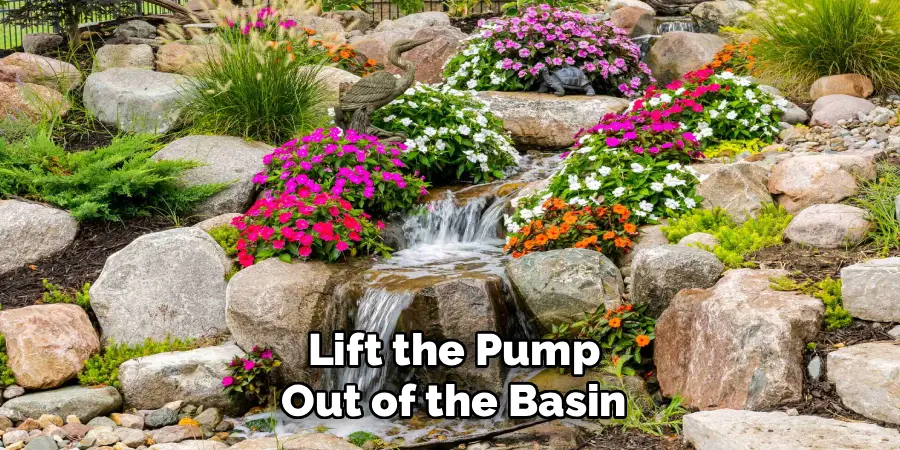
Lift the pump out of the basin and set it somewhere clean. Remove the intake cover or screen and rinse off any visible debris under running water. Use a soft brush to work through the impeller housing and intake ports—these spots tend to collect mineral scale and compacted algae.
If your pump uses a foam filter pad, assess its condition honestly. A pad that’s clogged but intact can be rinsed and reused. One that’s deteriorating or won’t come clean should be replaced. A marginally functioning filter isn’t protecting your pump the way it should.
Set the pump aside on a clean surface and move on.
Step 4: Clear Debris From the Basin
This is the least glamorous part of the job. With the pump removed and the water level low, reach into the gravel and start pulling out accumulated debris—leaves, twigs, sediment, decomposed organic matter. Rubber gloves are non-negotiable here.
Work through the gravel systematically, loosening material as you go. Then use the garden hose to flush the basin from the top down, pushing debris toward a low point where it can drain away. You may need to do this two or three times before the runoff looks reasonably clear.
Step 5: Scrub the Rocks and Waterfall Stream
Start at the top of the waterfall and work your way down toward the basin. A stiff-bristled brush handles most algae and mineral deposits well. For heavier buildup, a diluted white vinegar solution—roughly one part vinegar to three parts water—breaks things down without leaving behind anything harmful.
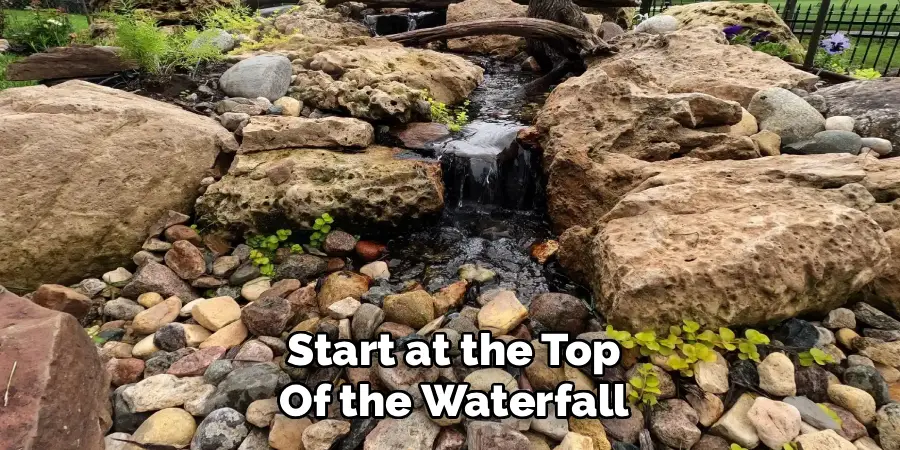
Rinse each section as you go. One important note: skip the bleach and standard household cleaners entirely. These disrupt the beneficial bacteria that help regulate the system naturally, and the residue can harm birds and other wildlife that interact with the water.
Step 6: Rinse and Reassemble
Give the entire system a final rinse once the scrubbing is done. Reinstall the pump, making sure the intake is fully unobstructed and the pump is properly seated. Replace filter pads, reconnect the tubing, and check that all fittings are secure before doing anything else.
Before plugging in, refill the basin with fresh water to the appropriate level. Running a pump dry—even briefly—can damage the motor. A properly filled reservoir ensures the pump can operate safely the moment it powers on.
Step 7: Restart the System and Observe
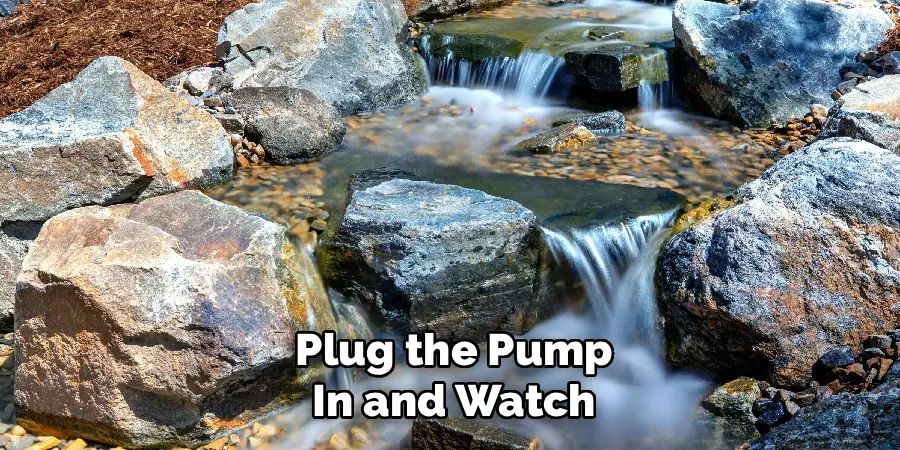
Plug the pump in and watch. Give the waterfall several minutes to stabilize before drawing any conclusions. Check the flow strength, listen for unusual sounds, and confirm that water is returning cleanly to the basin.
If the flow seems weak even after a thorough cleaning, check for kinks in the tubing or air trapped in the line. Disconnecting and reconnecting the tube usually releases any air pockets. It can take a few minutes for the system to fully prime itself—some patience here is warranted.
Once everything looks and sounds right, you’re done. Following these steps on how to clean a pondless waterfall will help ensure that your waterfall stays beautiful and functional for years to come.
Seasonal Cleaning Tips
Spring — Do a full deep clean after winter. Debris accumulates under ice and snow throughout the colder months, and the pump will thank you for starting the season with a clean system.
Summer — Check the basin every two to three weeks and skim visible surface debris. Algae growth accelerates in warm weather and can get ahead of you quickly if left unchecked.
Fall — Clean more frequently as leaves begin dropping. A mesh leaf net over the basin opening reduces the volume of debris considerably and saves a lot of manual effort.
Winter — In climates where temperatures drop below freezing, drain the system and bring the pump indoors for storage. Freeze damage to pump components is common and entirely preventable.
Common Mistakes That Shorten Your Waterfall’s Lifespan
Using harsh chemicals — Bleach and standard cleaners kill beneficial bacteria and can be toxic to surrounding wildlife. Pond-safe products exist for a reason.
Neglecting the pump — Skipping pump maintenance is the single most common cause of early system failure. The pump does all the work; it needs regular attention.
Cleaning too infrequently — Waiting for visible problems to appear means the debris load has already grown larger than it should. Light, regular maintenance is far easier than periodic emergency sessions.
Overfilling the basin — Too much water creates overflow that gradually erodes the surrounding landscaping.
Ignoring seasonal shifts — Each season brings different challenges. A maintenance routine that works in summer won’t be sufficient in the fall.
Troubleshooting Common Pondless Waterfall Problems
Pump won’t start — Check the power connection first, then inspect the impeller for debris. A jammed impeller is one of the most frequent mechanical issues.
Water level dropping quickly — This usually indicates a leak in the tubing or liner. Inspect all connections and liner edges carefully. In hot weather, evaporation can also account for more water loss than expected.
Persistent algae growth — If algae returns within days of cleaning, increasing shade around the feature or installing a UV clarifier in the pump line may help control spore counts more effectively.
Weak flow after cleaning — Air locked in the tubing is the likely cause. Disconnect and reconnect the line to release it.
Cloudy water in a recently cleaned system — A newly cleaned reservoir may stay cloudy for a few days while beneficial bacteria reestablish. This typically resolves on its own without intervention.
Pump running hot — Usually caused by low water levels or a partially blocked intake. Verify the basin is filled correctly, and the pump screen is clear.
Frequently Asked Questions
How Often Should You Clean a Pondless Waterfall?
A full deep clean is recommended at least once or twice a year—spring and fall are the natural inflection points. Between those sessions, light maintenance like skimming debris and rinsing the pump screen should happen every two to four weeks during active seasons. How often you actually need to clean depends largely on how many trees overhang the feature and how quickly organic matter accumulates in the basin.
Can You Use Bleach to Clean a Pondless Waterfall?
No. Bleach kills the beneficial bacteria that break down organic debris naturally, disrupts the microbial balance in the surrounding soil, and can be toxic to birds and wildlife that come into contact with the water. White vinegar or a pond-safe cleaner are the appropriate alternatives—they’re effective without carrying those risks.
How Do You Stop Algae From Growing in a Pondless Waterfall?
Reducing direct sunlight on the water feature is the most effective starting point, since algae thrives in warm, bright conditions. Monthly beneficial bacteria treatments create natural competition that limits algae’s ability to establish itself. A UV clarifier installed in the pump line kills algae spores before they can colonize rocks and basin surfaces—a worthwhile addition for features in particularly sunny locations.
What Is the Best Time of Year to Do a Deep Clean?
Spring is generally the better of the two annual cleaning windows. Winter debris has fully settled by then, temperatures are mild enough to work comfortably outside, and getting the system into good condition before the heavy summer algae season begins pays dividends for months afterward.
Keep Your Waterfall Running Smoothly Year-Round
A clean pondless waterfall performs better, lasts longer, and costs less to maintain over time. None of the steps on how to clean a pondless waterfall above require expertise—just a bit of patience and a willingness to get your hands dirty twice a year.
If this is your first cleaning session, spring is the right moment to start. Work through the steps methodically, note what you find (pump condition, debris volume, algae levels), and use that information to set a maintenance schedule that makes sense for your specific feature. After a session or two, the process becomes second nature.

About
Outdoor Fixes is a distinguished figure in the world of Diy design, with a decade of expertise creating innovative and sustainable Diy solutions.
His professional focus lies in merging traditional craftsmanship with modern manufacturing techniques,
fostering designs that are both practical and environmentally conscious. As the author of diy,
outdoorfixes delves into the art and science of outdoorfixes-making, inspiring artisans and industry professionals alike.
Education RMIT University
(Melbourne, Australia) Associate Degree in Design (Outdoor Fixes) Focus on sustainable design, industry-driven projects,
and practical craftsmanship. Gained hands-on experience with traditional and digital manufacturing tools, such as CAD and CNC software.
Nottingham Trent University
(United Kingdom) Bachelor’s in outdoorfixes.com and Product Design (Honors) Specialized in product design with a focus on blending creativity with production
techniques. Participated in industry projects, working with companies like John Lewis and Vitsoe to gain real-world insights.
Publications and Impact
In diy, Outdoor Fixes his insights on indoor design processes, materials, and strategies for efficient production.
His writing bridges the gap between artisan knowledge and modern industry needs, making it a must-read for both budding designers and seasoned professionals.