
Maintaining a lush, healthy lawn takes more than regular watering and mowing. It takes the right nutrients, applied in the right amounts, at the right time of year. Compost is one of the most effective natural ways to deliver them.
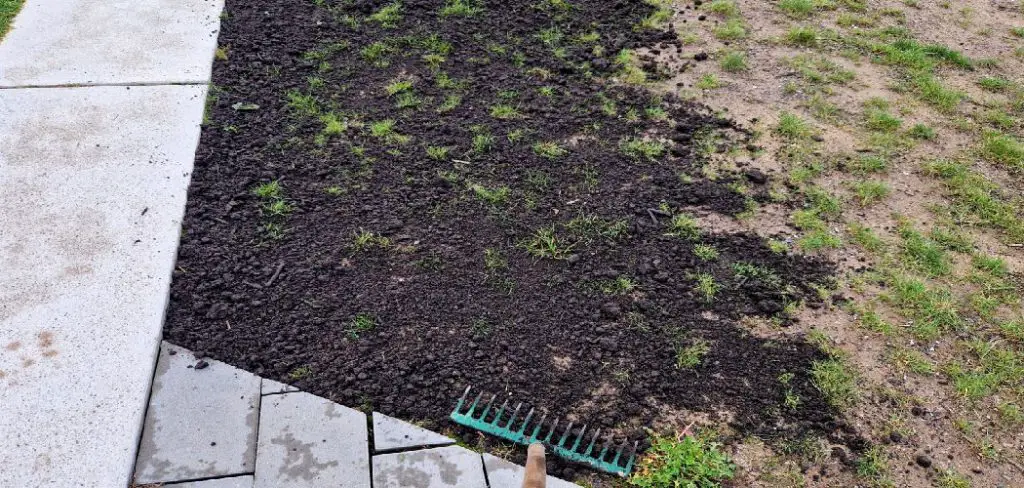
Spreading compost across a large lawn can feel daunting at first glance. The sheer scale makes it seem like a project reserved for professionals with expensive equipment. But with a clear plan, the right tools, and a realistic sense of what to expect, it’s entirely manageable—even for beginners tackling it for the first time. This guide on how to spread compost on large lawn covers everything from understanding why compost works so well for lawns to troubleshooting the problems that most commonly trip people up along the way.
Understanding the Benefits of Compost for Lawns
Compost is decomposed organic matter—vegetable scraps, yard waste, grass clippings—that has broken down into a dark, nutrient-dense material. Applied to a lawn, it functions as a slow-release fertilizer, feeding your grass steadily over weeks rather than delivering a short burst of nutrients that fades quickly.
The benefits go well beyond basic nutrition. Compost improves the physical structure of soil: it loosens compacted clay, helps sandy soils hold moisture, and encourages the growth of beneficial microorganisms that keep the broader lawn ecosystem functioning. Over time, regular application may significantly reduce dependence on synthetic fertilizers—cutting costs while supporting a more sustainable approach to lawn care.
Assessing Whether Your Lawn Actually Needs Compost
Before spreading anything, take stock of what your lawn is telling you. Large lawns vary considerably—a compacted, clay-heavy yard calls for a different approach than a sandy, drought-prone one.
Start with a basic soil test. Most garden centers and local agricultural extension offices carry affordable kits that reveal pH levels and nutrient deficiencies. Thinning grass, poor drainage, and sluggish growth are all signs that compost could help. Early spring or fall tends to be the best time to assess, when conditions are right for soil amendments to take hold.
Choosing the Right Compost for Large Lawns
Not all compost performs equally. For large areas, you’ll generally choose between homemade compost and commercially purchased bulk compost. Producing enough homemade material to cover thousands of square feet takes considerable time—bulk compost from a local supplier is usually the more practical option.
Whatever source you use, look for compost that’s fully mature. It should be dark and crumbly, smelling earthy rather than sour or sharp like ammonia. Avoid products with high concentrations of wood chips or uncomposted material; these can temporarily lock up soil nitrogen, which may slow grass growth in the short term. For very large areas, ordering by the cubic yard and arranging delivery directly to your property tends to be the most efficient approach.
6 Simple Steps on How to Spread Compost on Large Lawn
Step 1: Mow and Prepare Your Lawn
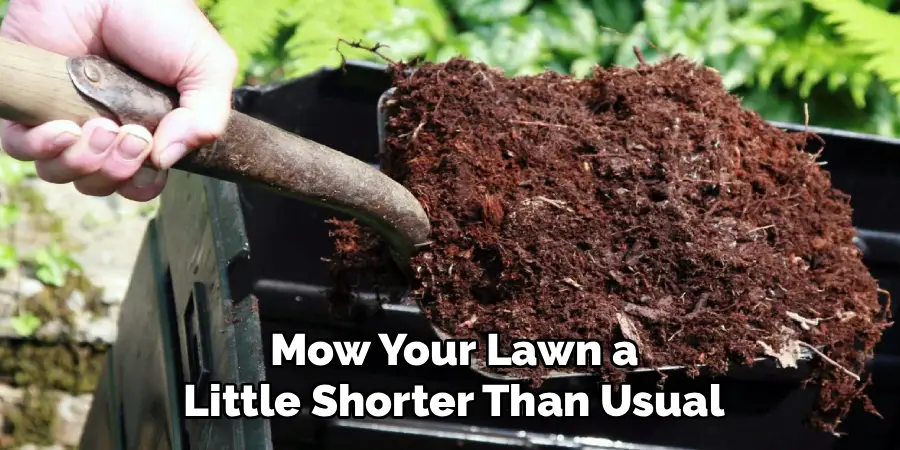
Mow your lawn a little shorter than usual—around 1.5 to 2 inches. Shorter grass allows the compost to make better contact with the soil surface, which improves absorption. After mowing, clear any debris: fallen leaves, sticks, or built-up thatch. A clean surface ensures even spreading and prevents compost from clumping in dead material where it can’t do much good.
Step 2: Aerate the Soil for Better Absorption
Aeration is one of the most important steps before applying compost, and it’s often skipped. Using a core aerator—available at most equipment rental companies—punch holes approximately 3 inches deep across the entire lawn. These channels allow compost to penetrate deeper into the soil rather than sitting on the surface where it’s vulnerable to washout.
For large lawns, a tow-behind aerator attached to a riding mower or ATV can save hours. This step matters most for compacted or clay-heavy soils where nutrients struggle to reach grass roots at all.
Step 3: Calculate How Much Compost You Need
Getting the quantity right makes a real difference. Too little compost won’t deliver meaningful results; too much can smother grass and create conditions for fungal disease.

For a topdressing application, aim for approximately ¼ to ½ inch of compost spread evenly across the surface. As a practical rule, one cubic yard of compost covers roughly 1,200 square feet at a ¼-inch depth. Measure your lawn area carefully and calculate before ordering. Underestimating is a common mistake—and running short mid-application leads to patchy, uneven results.
Step 4: Spread the Compost Evenly
Hand-spreading compost across a large lawn is impractical. A mechanical top-dresser, a compost spreader, or a broadcast spreader designed for bulk material will make the job far faster and more consistent. Many equipment rental companies carry top-dressers specifically built for this purpose.
Work in overlapping rows across the lawn, paying extra attention to bare patches or thin areas where a slightly thicker layer may help. Break up any large clumps as you go with a rake—uneven application shows up in the lawn’s growth patterns weeks later, and it’s worth taking care during this step.
Step 5: Work the Compost Into the Surface
Once spread, use a lawn leveling rake—or the back of a standard garden rake—to work the compost lightly into the grass. The goal is to get it settled into the aeration holes and into solid contact with the soil, rather than sitting loosely on top of the grass blades.

For very large areas, a drag mat or leveling bar attached to a lawn tractor speeds this process considerably. After raking, your grass blades should still be visible above the compost layer. If they’re fully buried, you’ve applied too much—remove some before continuing.
Step 6: Water Thoroughly and Monitor Progress
After spreading and raking, water your lawn deeply. This helps compost settle into the soil and activates the microbial activity that makes it so beneficial in the first place.
Water regularly over the following two to three weeks. Most lawns show visible improvements in color and density within four to six weeks of application. For best results, plan to topdress once or twice annually—early spring and early fall are generally the most effective windows.
Following these steps on how to spread compost on large lawn areas can help improve your lawn’s health and overall appearance.
Troubleshooting Common Problems
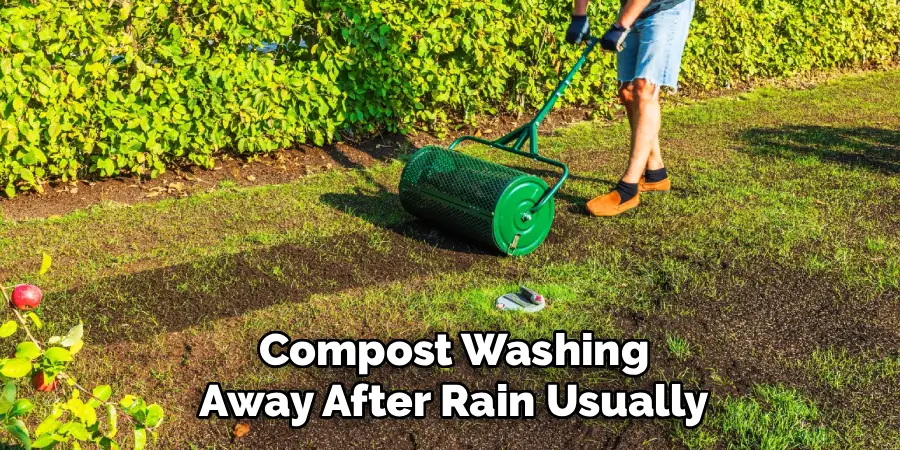
Even with careful preparation, a few issues may appear. Yellow grass after application often points to immature compost, which can temporarily deplete soil nitrogen. Compost washing away after rain usually means it was applied too thickly, or that slope drainage wasn’t addressed beforehand.
Patchy, uneven growth patterns tend to reflect inconsistent spreading—something that can be corrected in future applications by working more carefully across overlapping sections.
Sustainable Practices in Large-Scale Compost Application
Applying compost at scale is also an opportunity to build genuinely sustainable lawn care habits. Sourcing compost locally reduces transportation emissions, and partnering with municipal composting programs diverts organic waste from landfills. Timing applications to coincide with peak grass growth maximizes effectiveness while minimizing waste.
For larger properties, an on-site compost system using grass clippings, leaf litter, and organic kitchen waste can supplement purchased compost over time—reducing long-term costs and creating a closed-loop nutrient cycle. Paired with practices like rainwater harvesting or native planting, compost application becomes one piece of a broader, lower-impact approach to lawn management.
Frequently Asked Questions
How Often Should You Apply Compost to a Large Lawn?
For most lawns, once or twice a year appears sufficient to maintain healthy soil and strong grass growth. Spring application replenishes nutrients depleted over winter; fall application supports recovery from summer stress and prepares the soil for colder months. Lawns with particularly poor or compacted soil may benefit from more frequent applications during the first two to three years, with frequency tapering off as soil quality improves.
What Is the Best Time of Year to Spread Compost on a Large Lawn?
Early spring and early fall are the two most effective windows. Spring compost feeds grass as it enters its most active growth phase, supporting root development and color. Fall application replenishes nutrients and improves soil structure ahead of winter dormancy. Spreading compost during peak summer heat or during frost tends to limit microbial activity and reduce its overall effectiveness.
Can You Over-Apply Compost on a Large Lawn?
Yes—and it’s a more common mistake than most people expect. Layers thicker than half an inch can smother grass, restrict airflow to the soil, and create the moist conditions that encourage fungal disease. Stick to the recommended ¼ to ½ inch depth and give your lawn adequate time to absorb each application before adding more.
Give Your Lawn the Foundation It Deserves
Spreading compost across a large lawn is one of the most rewarding investments you can make in your outdoor space. Done consistently, it improves soil health, strengthens grass roots, reduces reliance on synthetic fertilizers, and produces results that show up within weeks.
Follow the six steps on how to spread compost on large lawn in this guide, address problems as they arise, and commit to a consistent annual schedule. Start with a soil test, source quality compost, and work through the lawn one section at a time. The cumulative effect, built up over seasons, is what transforms a struggling lawn into something genuinely worth maintaining.

About
Outdoor Fixes is a distinguished figure in the world of Diy design, with a decade of expertise creating innovative and sustainable Diy solutions.
His professional focus lies in merging traditional craftsmanship with modern manufacturing techniques,
fostering designs that are both practical and environmentally conscious. As the author of diy,
outdoorfixes delves into the art and science of outdoorfixes-making, inspiring artisans and industry professionals alike.
Education RMIT University
(Melbourne, Australia) Associate Degree in Design (Outdoor Fixes) Focus on sustainable design, industry-driven projects,
and practical craftsmanship. Gained hands-on experience with traditional and digital manufacturing tools, such as CAD and CNC software.
Nottingham Trent University
(United Kingdom) Bachelor’s in outdoorfixes.com and Product Design (Honors) Specialized in product design with a focus on blending creativity with production
techniques. Participated in industry projects, working with companies like John Lewis and Vitsoe to gain real-world insights.
Publications and Impact
In diy, Outdoor Fixes his insights on indoor design processes, materials, and strategies for efficient production.
His writing bridges the gap between artisan knowledge and modern industry needs, making it a must-read for both budding designers and seasoned professionals.