
To harvest passion flower correctly, wait until the blooms are fully open or the fruit has turned deep purple or yellow, then cut stems cleanly with sterilized scissors. Harvest in the morning for peak potency, handle gently to preserve delicate petals, and dry or use your harvest promptly for best results.
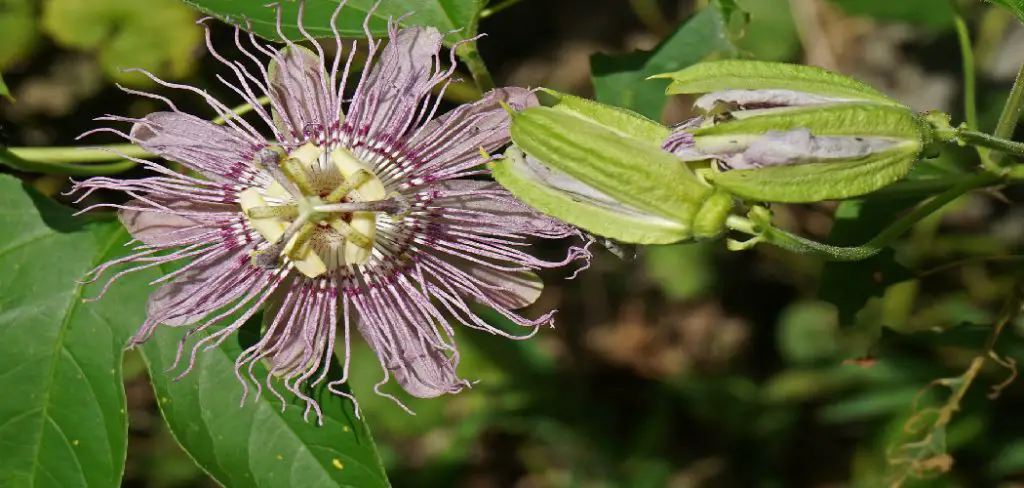
Passion flower (Passiflora incarnata) is one of the more striking plants you can grow—and one of the more rewarding to harvest. Its layered, otherworldly blooms have made it a garden staple, while its leaves, stems, and fruit have been woven into herbal traditions across centuries and continents.
Knowing when and how to harvest, though, makes all the difference. Get the timing wrong, and you’ll miss peak potency. Handle the plant carelessly, and you risk setting back future growth. This guide on how to harvest passion flower walks you through everything you need to know—from understanding the plant’s growth cycle to a clear, seven-step harvesting process that applies whether you’re after the flowers, the leaves, or the fruit.
Understanding Passion Flower
Passion flower is a fast-growing perennial vine native to the southeastern United States and parts of South America. The plant produces layered blooms with a distinctive corona of purple-and-white filaments—hard to mistake, impossible to ignore. Beyond the aesthetics, its aerial parts (leaves, stems, and flowers) are widely used in herbal teas, tinctures, and supplements.
There are over 500 species of Passiflora, but Passiflora incarnata is the most commonly cultivated for both ornamental and practical purposes. It thrives in warm climates, climbs vigorously along fences and trellises, and blooms from mid-summer through early fall. Knowing its growth cycle helps you time your harvest well.
When Is the Best Time to Harvest Passion Flowers?
Timing is everything here. For flowers, harvest when the blooms are fully open—ideally in the morning, after the dew has dried but before the afternoon heat sets in. Passion flowers open for just one day, so daily checks during peak season are non-negotiable.
For leaves and stems, the active growing season (late spring through summer) is your window. Avoid taking more than one-third of the plant at any one time; stripping too much in a single session can stress the vine considerably.
For passion fruit (Passiflora edulis), patience pays off. Wait until the fruit has fully ripened and transitioned from green to deep purple or yellow, depending on the variety. Fully ripe fruit often separates from the vine naturally—a reliable sign that it’s ready.
Tools and Materials You’ll Need
Before you begin, gather the following:
- Sharp pruning shears or scissors, sterilized with rubbing alcohol
- Clean gardening gloves
- A shallow harvest basket or tray (plastic bags trap moisture and should be avoided)
- Paper bags or drying racks for post-harvest processing
- Labels and a marker for identifying batches
7 Simple Steps on How to Harvest Passion Flower
Step 1: Inspect the Plant Before Harvesting
Start with a thorough visual check of the vine. Yellowing leaves, spotted petals, and wilting stems are red flags. Harvesting from a stressed plant rarely yields quality material—and cutting can weaken an already struggling vine further.

Walk the perimeter of the plant. Identify which flowers are at peak bloom, which leaves look vibrant and firm, and which stems can be cut without disturbing the main structure. A few extra minutes at this stage saves you from collecting subpar material later.
Step 2: Sterilize Your Tools
Wipe the blades of your shears thoroughly with rubbing alcohol and allow them to dry briefly before cutting. This step prevents the transfer of bacteria or fungal spores—either from other plants or from one section of the vine to another.
Dull tools are just as problematic as dirty ones. A clean, sharp cut heals faster and causes less trauma to the plant. If your shears feel like they’re tearing rather than slicing cleanly, sharpen or replace them before proceeding.
Step 3: Harvest Flowers at Peak Bloom
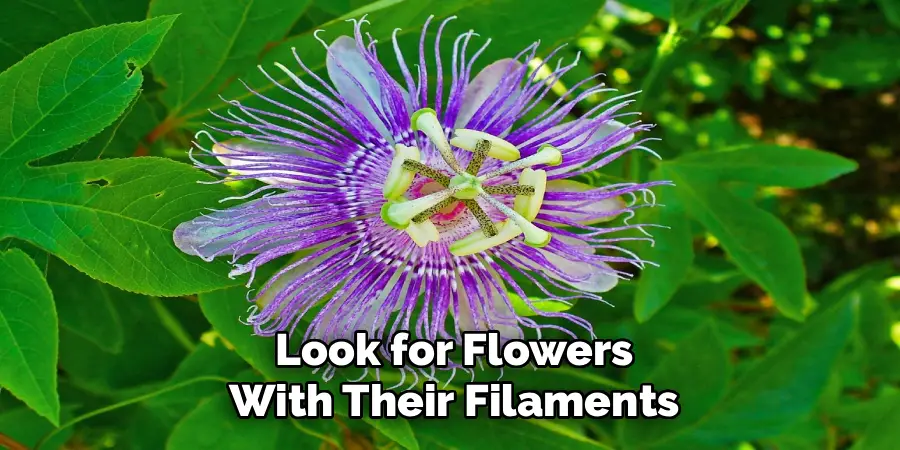
Look for flowers with their filaments fully fanned out and petals spread wide. Using your sterilized shears, cut the flower stem close to the base, leaving a short stub to preserve the node where future growth may emerge.
Handle freshly cut blooms carefully and place them face-up in a shallow basket. Stacking or crowding them causes bruising. If you’re harvesting for tea or tinctures, aim to collect flowers at a similar stage of maturity—this leads to more consistent drying and potency across your batch.

Step 4: Collect Leaves and Stems Mindfully
Select young, vibrant leaves from actively growing sections of the vine. Older, yellowing leaves at the base tend to carry lower concentrations of beneficial compounds and are more likely to harbor mold or pests.
Cut stems just above a leaf node to encourage branching. Never strip an entire branch bare. Leaving at least two-thirds of each stem intact helps the plant maintain its energy reserves and continue producing through the season.
Step 5: Harvest Passion Fruit When Fully Ripe
Ripe passion fruit feels slightly heavy for its size and gives a little under gentle pressure. The skin should have fully transitioned to its ripe color—deep purple for Passiflora edulis or bright yellow for the golden variety.
If the fruit doesn’t come free with a gentle twist, it likely needs a few more days. Don’t force it. Fully ripe fruit often drops on its own, so check the base of the plant daily during fruiting season and collect any that have fallen.
Step 6: Sort and Clean Your Harvest
Once you’ve finished collecting, sort through your haul right away. Remove bruised petals, damaged leaves, and any overripe sections of fruit. For flowers and leaves, gently shake off insects or debris—avoid rinsing with water if you plan to dry them, since excess moisture leads quickly to mold.
Fruit can be rinsed lightly under cool water, then patted dry. Sorting at this stage directly improves the quality of whatever you’re making—whether that’s a dried tea blend, a tincture, or something fresh for the kitchen.
Step 7: Dry and Store Properly
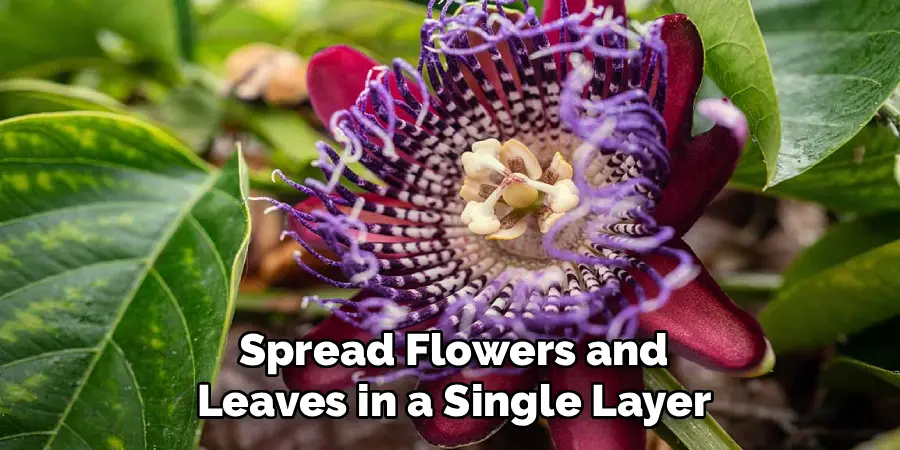
Spread flowers and leaves in a single layer on drying racks or paper-lined trays. A warm, well-ventilated area away from direct sunlight works best—UV exposure can degrade the plant’s active compounds. Drying typically takes 7 to 14 days, depending on humidity.
Once fully dry, store your harvest in airtight glass jars, away from heat and light. Label each jar with the harvest date and plant part. Properly dried and stored passion flower material could retain its quality for up to 12 months.
Following these steps on how to harvest passion flower can ensure that you have a bountiful supply of this beautiful and beneficial plant throughout the year.
Common Mistakes to Avoid
When harvesting and drying passion flowers, there are several common mistakes that can compromise the quality and effectiveness of the final product. One major error is not ensuring the plant material is thoroughly clean before drying, as dirt or contaminants can affect the purity of the end result. Another frequent mistake is overcrowding the drying racks, which can restrict airflow and lead to uneven drying or mold growth. Additionally, exposing the flowers and leaves to direct sunlight during the drying process can degrade potent active compounds and reduce their therapeutic value.
Lastly, improper storage, such as using non-airtight containers or placing jars in humid or sunny areas, can cause the material to lose its potency or spoil prematurely. Avoiding these pitfalls will help ensure that your passion flower harvest remains fresh and effective for the longest time possible.
Frequently Asked Questions
Can You Harvest Passion Flower Leaves Year-Round?
Passion flower leaves are best harvested during the active growing season, which typically runs from late spring through early fall. In cooler climates, the plant enters dormancy in winter, and leaf production slows considerably. Harvesting during this period stresses the plant and yields lower-quality material. In warmer climates where the vine stays active year-round, light harvesting outside peak season is possible—but should still be done sparingly.
How Do You Know When Passion Flower Is Ready to Harvest?
A fully bloomed passion flower will have its petals spread wide open and its corona of filaments fully extended. For leaves, look for a vibrant green color and firm texture, and avoid anything yellowing or spotted. Passion fruit is ready when the skin has deepened to its ripe color—purple or yellow, depending on the variety—and the fruit detaches easily from the vine with a gentle twist.
Is It Safe to Use Harvested Passion Flower for Herbal Remedies?
Passion flower has a long history in herbal medicine, and dried aerial parts are generally considered safe for most healthy adults when used in moderation. That said, consulting a qualified healthcare professional before using it as a remedy is advisable—particularly if you’re pregnant, nursing, or taking prescription medications. Passion flower may interact with sedatives or anti-anxiety medications, so professional guidance is the safest approach.
Grow, Harvest, and Enjoy With Confidence
Harvesting passion flower doesn’t need to be complicated. With the right timing, clean tools, and a careful approach, you can collect quality blooms, leaves, and fruit suited to a wide range of purposes—from a calming evening tea to a vibrant fruit dessert.
Check your vine daily during peak season, harvest mindfully, and dry your material properly. Do that consistently, and your passion flower plant will reward you with generous yields throughout the growing season—and for many seasons to come. Thanks for reading this guide on how to harvest passion flower.

About
Outdoor Fixes is a distinguished figure in the world of Diy design, with a decade of expertise creating innovative and sustainable Diy solutions.
His professional focus lies in merging traditional craftsmanship with modern manufacturing techniques,
fostering designs that are both practical and environmentally conscious. As the author of diy,
outdoorfixes delves into the art and science of outdoorfixes-making, inspiring artisans and industry professionals alike.
Education RMIT University
(Melbourne, Australia) Associate Degree in Design (Outdoor Fixes) Focus on sustainable design, industry-driven projects,
and practical craftsmanship. Gained hands-on experience with traditional and digital manufacturing tools, such as CAD and CNC software.
Nottingham Trent University
(United Kingdom) Bachelor’s in outdoorfixes.com and Product Design (Honors) Specialized in product design with a focus on blending creativity with production
techniques. Participated in industry projects, working with companies like John Lewis and Vitsoe to gain real-world insights.
Publications and Impact
In diy, Outdoor Fixes his insights on indoor design processes, materials, and strategies for efficient production.
His writing bridges the gap between artisan knowledge and modern industry needs, making it a must-read for both budding designers and seasoned professionals.