
Centipede grass is a favorite among homeowners who want a lush, low-maintenance lawn without endless hours of upkeep. Known as the “lazy man’s grass,” it thrives in warm climates and sandy, acidic soils where other grasses struggle. Still, many people wonder how to make centipede grass spread faster so it fills in bare patches and creates that thick, carpet-like look everyone loves. The good news is that with a little patience and the right care, you can encourage this slow-growing grass to expand naturally across your yard.

This grass spreads using above-ground runners called stolons, which creep along the soil and root as they go. By giving these runners the right conditions, you help them stretch farther and root deeper. Whether you are starting a brand-new lawn or trying to thicken an existing one, understanding the basics makes all the difference. In this guide, you will learn simple, proven steps that work for lawns of every size and skill level, so you feel confident every step of the way.
Why Encouraging Centipede Grass Growth Matters
A fuller centipede lawn does more than look beautiful. Thick, healthy turf naturally crowds out weeds, which means less time spent pulling unwanted plants and fewer chemicals in your yard. Dense growth also protects the soil from erosion and helps it hold moisture during hot, dry stretches, saving you money on watering.
When your grass spreads evenly, it covers bare spots that would otherwise turn muddy or dusty. This creates a safer, softer surface for kids and pets to play on. A vigorous lawn also resists pests and disease better, since strong plants recover from stress more quickly. Best of all, centipede grass needs little fertilizer and mowing once established, so a thriving lawn rewards you with beauty and free time all season long.
Step-by-Step Guide to How to Make Centipede Grass Spread
Step 1: Test and Adjust Your Soil
Before anything else, get to know your soil. Centipede grass loves slightly acidic conditions, ideally with a pH between 5.0 and 6.0. You can grab an inexpensive testing kit from a garden center or send a sample to your local extension office for detailed results. If your soil tests too high, adding sulfur can gently lower the pH over time. Healthy soil gives runners the nutrients they need to stretch and root. Skipping this step often leads to slow, patchy growth, so take a little time here to set a strong foundation for everything that follows.

Step 2: Water Deeply and Consistently
Water is one of the most powerful tools for encouraging your grass to creep across bare areas. Instead of light, daily sprinkles, water deeply once or twice a week so moisture reaches the roots. Aim for about one inch of water per session, including any rainfall. Deep watering trains the roots to grow downward, which makes the entire lawn stronger and more drought-tolerant. Early morning is the best time, since it gives the blades a chance to dry before evening and reduces disease risk. Consistent moisture keeps stolons active and helps them root quickly wherever they touch the soil.
Step 3: Feed Lightly With the Right Fertilizer
Centipede grass is sensitive to overfeeding, so a gentle touch works best. Choose a fertilizer low in phosphorus and apply it sparingly during the growing season, usually late spring through summer. A slow-release nitrogen blend supports steady, even growth without forcing a burst that the plant cannot sustain. Too much fertilizer can actually weaken this grass and invite disease, so always follow the label and resist the urge to add extra. When you feed correctly, the runners gain just enough energy to spread outward and fill in thin spots naturally, giving you a thicker lawn over the weeks ahead.
Step 4: Learning Through Smart Mowing
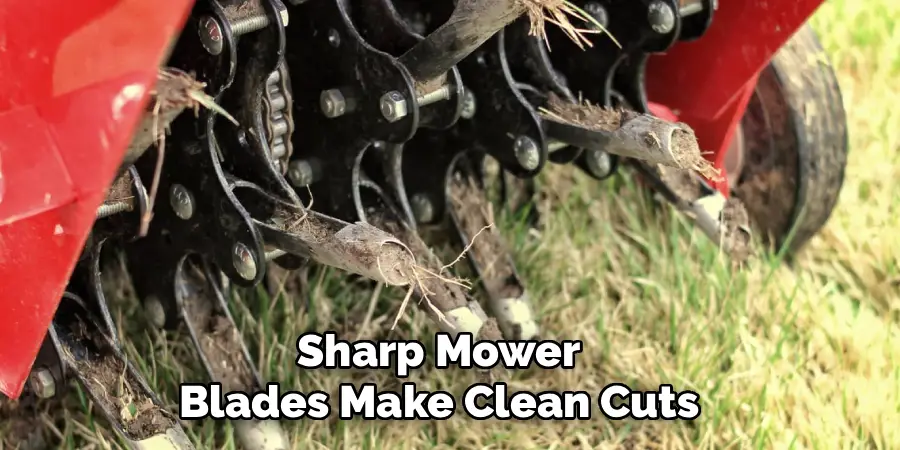
Mowing height plays a surprising role in how quickly your lawn fills in. Keep your mower set between one and two inches, and never remove more than a third of the blade at one time. Cutting too short stresses the grass and slows the runners, while letting it grow too tall encourages thatch buildup. Sharp mower blades make clean cuts that heal fast, so sharpen them at least once a season. Regular, gentle mowing actually signals the plant to send out more horizontal runners, which is exactly what you want when trying to cover open ground.
Step 5: Control Weeds Without Harming the Grass
Weeds compete with your lawn for water, sunlight, and nutrients, slowing the spread of your turf. Pull large weeds by hand when the soil is moist, since this removes the entire root. For broader problems, choose a herbicide labeled safe for centipede grass, because many common products can damage it. Always read directions carefully and apply during the recommended season. Keeping weeds in check frees up space and resources, allowing your runners to creep into newly cleared areas. A clean, weed-free surface gives your grass the open room it needs to expand confidently.
Step 6: Encourage Runners With Light Topdressing
Topdressing means spreading a thin layer of quality soil or compost over your lawn, usually no more than a quarter inch deep. This simple trick covers exposed stolons just enough to encourage them to root while still letting sunlight through. Use a sandy, slightly acidic mix that matches your existing soil for the best results. Spread it evenly with a rake and water lightly afterward. Topdressing also smooths out small bumps and improves soil structure over time. With consistent moisture and warmth, those covered runners will anchor down and push outward, steadily thickening your lawn.
Step 7: Patience and Seasonal Care to Make Grass Spread
Centipede grass is naturally slow, so steady care beats quick fixes every time. During the active growing months of late spring and summer, keep up with watering, light feeding, and careful mowing. As cooler weather arrives, ease off fertilizer and let the grass prepare for dormancy. Avoid heavy foot traffic on thin areas so young runners can establish without being trampled. Each season, your lawn will grow a little fuller as the stolons reach farther. By repeating these habits year after year, you give your grass the consistent support it needs to spread and flourish.

Frequently Asked Questions
How Long Does Centipede Grass Take to Spread?
Centipede grass grows slowly compared to other warm-season turfs, so patience is key. Under ideal conditions with proper watering, feeding, and mowing, you may see noticeable filling within one growing season. Larger bare areas can take a full year or more to cover completely. Consistent care speeds the process, while neglect slows it dramatically. Think of it as steady progress rather than overnight results, and your reward will be a thick, durable lawn.
What Is the Best Season to Encourage Growth?
Late spring through summer is the prime window, since warm soil and longer days fuel active growth. During these months, the grass sends out runners most aggressively, making it the perfect time to water deeply and feed lightly. Avoid major lawn projects in fall or winter, when the grass slows down and enters dormancy. By focusing your efforts during the warm season, you give every runner the best chance to root and reach across open soil.
Can I Use Seed or Sod to Fill Bare Spots?
Yes, both options work well depending on your timeline and budget. Seeding is affordable but slow, requiring warm soil and steady moisture to germinate over several weeks. Sod offers instant coverage and blends quickly with existing turf, though it costs more upfront. Plugs are another great middle-ground choice. Whichever method you pick, prepare the soil first and keep the new area consistently moist until it establishes and begins connecting with surrounding grass.
Why Is My Centipede Grass Not Spreading?
Several factors can stall growth, including poor soil pH, compacted ground, too much shade, or improper watering. Overfertilizing is another common culprit, since this grass dislikes heavy feeding. Start by testing your soil and checking your watering routine. Make sure the lawn receives plenty of sunlight, as deep shade weakens runners. Once you correct these issues and stay consistent, you should see your grass begin to recover and creep outward again.
Does Aeration Help the Grass Fill In?
Aeration can help, especially if your soil is heavily compacted. Pulling small plugs of soil loosens the ground, improves airflow, and lets water and nutrients reach the roots more easily. This creates healthier conditions for runners to root and spread. Aerate during the active growing season so the grass recovers quickly. Avoid overdoing it, though, since gentle, occasional aeration is enough for most lawns and prevents unnecessary stress on your turf.

Conclusion
Growing a thick, healthy centipede lawn comes down to consistency and a few smart habits. By testing your soil, watering deeply, feeding lightly, mowing at the right height, and keeping weeds under control, you create the perfect environment for runners to stretch and root. Topdressing and patient seasonal care add the finishing touches that turn thin, patchy turf into a lush green carpet over time. Each small effort builds on the last, rewarding you with a lawn that practically takes care of itself once established.
Now that you understand how to make centipede grass spread, you have everything you need to transform your yard with confidence. Start with one or two steps this week, then build a simple routine you can stick with through the growing season. Stay patient, trust the process, and watch your lawn grow fuller, healthier, and more beautiful with every passing month.

About
Outdoor Fixes is a distinguished figure in the world of Diy design, with a decade of expertise creating innovative and sustainable Diy solutions.
His professional focus lies in merging traditional craftsmanship with modern manufacturing techniques,
fostering designs that are both practical and environmentally conscious. As the author of diy,
outdoorfixes delves into the art and science of outdoorfixes-making, inspiring artisans and industry professionals alike.
Education RMIT University
(Melbourne, Australia) Associate Degree in Design (Outdoor Fixes) Focus on sustainable design, industry-driven projects,
and practical craftsmanship. Gained hands-on experience with traditional and digital manufacturing tools, such as CAD and CNC software.
Nottingham Trent University
(United Kingdom) Bachelor’s in outdoorfixes.com and Product Design (Honors) Specialized in product design with a focus on blending creativity with production
techniques. Participated in industry projects, working with companies like John Lewis and Vitsoe to gain real-world insights.
Publications and Impact
In diy, Outdoor Fixes his insights on indoor design processes, materials, and strategies for efficient production.
His writing bridges the gap between artisan knowledge and modern industry needs, making it a must-read for both budding designers and seasoned professionals.