
St. Augustine grass gives your yard that lush, carpet-like look many homeowners dream about. It spreads through above-ground runners, grows in warm climates, and handles heat and shade better than most warm-season grasses. But it also has a few quirks that make mowing different from other lawns. Cut it wrong, and you risk scalping, browning, and weak, patchy growth.

Learning how to cut st augustine grass the right way is one of the simplest ways to keep your lawn green, dense, and resistant to weeds. This grass prefers a taller cut than fescue or Bermuda, and small mistakes with blade height or timing can stress the whole lawn.
In this beginner-friendly guide, we’ll walk through why proper mowing matters, a clear seven-step process anyone can follow, and answers to the most common questions homeowners ask. Whether you’re new to lawn care or just want healthier results, you’ll find practical, expert-backed advice you can apply this weekend. Let’s turn your mowing routine into something that genuinely strengthens your turf.
Why Cutting St. Augustine Grass the Right Way Matters
Mowing isn’t just about keeping things tidy. The way you cut this grass directly shapes how thick, healthy, and weed-free it becomes. St. Augustine stores energy in its leaf blades, so cutting too short removes that energy supply and weakens the roots. A proper mowing height keeps the lawn shaded at soil level, which blocks weed seeds from sprouting and helps the ground hold moisture longer.
Good mowing habits also reduce disease, encourage denser runners, and give you a softer, more even surface to walk on. When you mow at the right height with a sharp blade, you support the grass instead of stressing it. The payoff is a resilient lawn that needs less water, fewer chemicals, and less fixing over time.
Step-by-Step Guide to How to Cut St Augustine Grass
Follow these seven steps to mow confidently and protect your turf. Each step builds on the last, so work through them in order for the best results.
Step 1: Set the Right Mowing Height
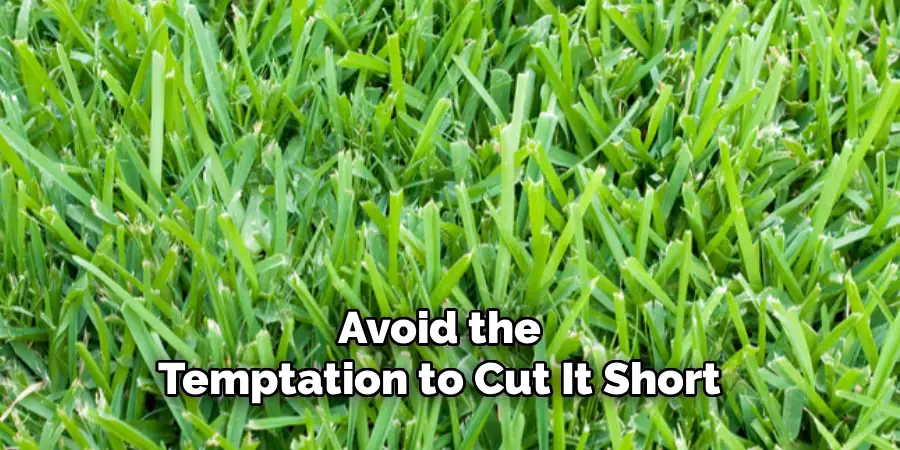
Height is the single most important factor for this grass. Aim to keep it between 3 and 4 inches tall, which is higher than most lawns you’ve seen. Taller blades shade the soil, crowd out weeds, and protect the roots from heat stress. Set your mower deck to the upper range during summer or in shaded areas, and slightly lower in full sun. Avoid the temptation to cut it short to “save time” between mows. Knowing how to cut st augustine grass starts with respecting this height, because scalping a low cut weakens the lawn fast and invites bare spots.
Step 2: Sharpen Your Mower Blade
A dull blade tears grass instead of slicing it cleanly. Torn tips turn brown, lose moisture, and open the door to fungal disease. Before mowing season begins, inspect your blade and sharpen it if the edge looks rounded or nicked. Most homeowners should sharpen at least twice per growing season, or more often with a large lawn. A clean cut heals quickly and keeps the lawn looking crisp and green. Run your finger along the edge carefully, and if it feels smooth rather than defined, it’s time to sharpen or replace it.
Step 3: Mow When the Grass Is Dry
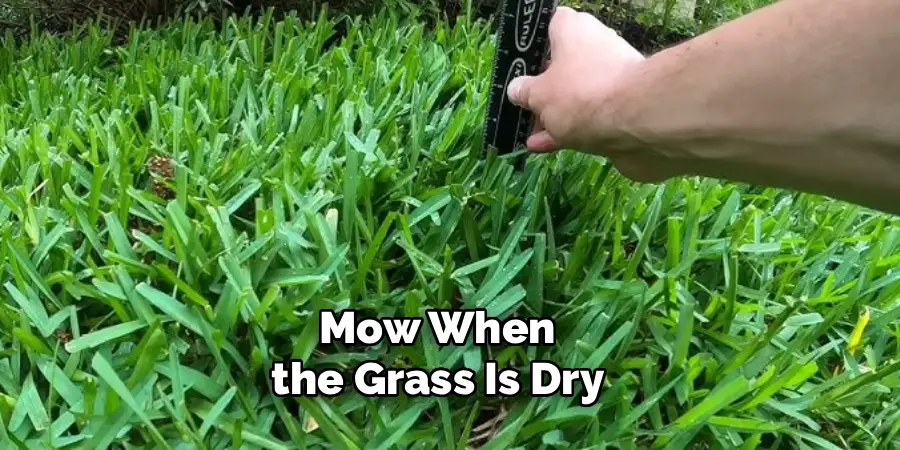
Timing matters more than people expect. Wet grass clumps, clogs your mower, and cuts unevenly, leaving messy patches behind. Damp blades also bend instead of standing upright, so you get an inconsistent height across the lawn. Wait until morning dew has dried or mow in the early evening when the sun is less intense. Dry conditions give you a cleaner cut and reduce the risk of spreading disease from one section to another. If rain is unavoidable in your schedule, simply wait a day rather than forcing a soggy, frustrating mow.
Step 4: Follow the One-Third Rule
Never remove more than one-third of the blade height in a single mow. If your grass is 4 inches tall, cut no lower than roughly 2.7 inches. Removing too much at once shocks the plant, exposes the soil, and slows recovery. When your lawn gets overgrown, lower the deck gradually across two or three mowing sessions instead of scalping it all at once. This gentle approach keeps the grass strong and green. Understanding how to cut st augustine grass means treating each mow as maintenance, not a dramatic reset that stresses your turf.
Step 5: Vary Your Mowing Pattern
Mowing in the same direction every time creates ruts and trains the grass to lean one way. Over time this leads to compacted soil and uneven growth. Change your pattern with each session by mowing north to south one week, then east to west the next, or working in diagonal lines. Alternating directions helps the blades stand upright, encourages even growth, and gives your lawn a fuller appearance. It’s a small habit that makes a noticeable difference. Just keep your turns gentle to avoid tearing runners near the edges of the yard.
Step 6: Handle the Clippings Wisely
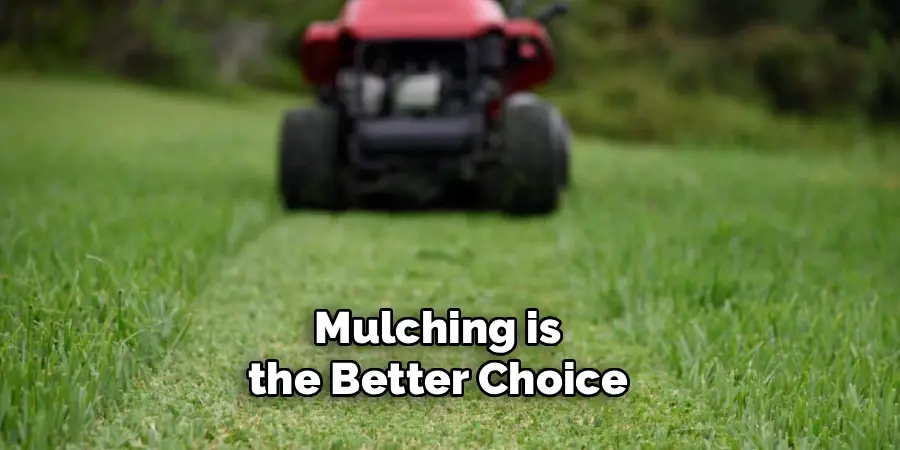
Short clippings are good for your lawn, so resist the urge to bag everything. When you mow regularly and remove only a small amount, the clippings break down quickly and return nitrogen to the soil. This natural feeding is called grasscycling, and it reduces how much fertilizer you need. If the clippings are long and clumpy from an overdue mow, rake or bag them so they don’t smother the grass underneath. A mulching mower works especially well here, chopping clippings finely so they settle out of sight and feed the roots.
Step 7: Maintain a Consistent Schedule
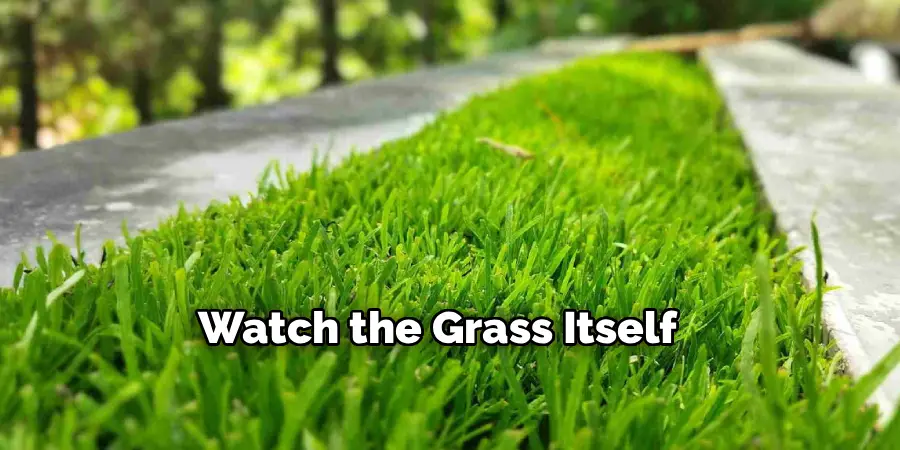
Consistency keeps everything else easy. During peak growing months, you’ll likely mow every five to seven days, while cooler periods may stretch to ten days or more. Watch the grass itself rather than the calendar, and mow once it climbs above your target height. A steady rhythm prevents overgrowth, supports the one-third rule, and keeps your lawn looking polished. After each session, rinse your mower deck to remove buildup and check the blade. Small, regular efforts beat occasional heavy cuts every time, and your turf will reward you with thicker, healthier growth.
Frequently Asked Questions
How Often Should I Mow St. Augustine Grass?
During the warm growing season, plan to mow every five to seven days, since this grass grows quickly in heat and sunshine. In cooler months or shaded areas, you can stretch that to ten days or more. The best approach is to watch the height rather than counting days. Once it grows past four inches, it’s time to mow and keep that lush, even look.
What Height Is Best for This Grass?
Most lawns thrive when kept between 3 and 4 inches tall. Set your mower toward the higher end in full sun, shaded spots, or during peak summer heat. Taller blades protect the roots, shade out weeds, and hold moisture better. Cutting shorter than 2.5 inches usually causes scalping, browning, and bare patches, so err on the taller side whenever you’re unsure about the right height.
Can I Use a Regular Lawn Mower?
Yes, a standard rotary mower works perfectly fine as long as the blade is sharp and the deck adjusts high enough. Reel mowers struggle with this grass because of its thick, coarse runners, so a rotary model is usually the better choice. Make sure your mower can reach at least four inches, then keep the blade sharp for clean cuts and a tidy, healthy finish.
Why Is My Grass Turning Brown After Mowing?
Browning usually points to one of three issues. You may be cutting too low and scalping the lawn, your blade might be dull and tearing the tips, or you could be mowing while the grass is wet. Check your deck height first, sharpen the blade, and only mow on dry days. Correcting these habits often restores the green color within a week or two.
Should I Bag or Mulch the Clippings?
For routine mowing, mulching is the better choice. Short clippings decompose fast and feed nitrogen back into the soil, cutting your fertilizer needs. Only bag the clippings when they’re long, wet, or clumpy after an overdue mow, since heavy piles can smother the grass below. A mulching mower handles this well, chopping clippings small enough to disappear into the lawn naturally.
Conclusion
A thick, green St. Augustine lawn comes down to a few simple habits done consistently. Keep your mowing height between 3 and 4 inches, sharpen your blade, mow when the grass is dry, and follow the one-third rule so you never remove too much at once. Vary your pattern, mulch your clippings, and stick to a steady schedule that matches how fast your grass is growing.
Once you understand how to cut st augustine grass with care, mowing stops being a chore and becomes a real tool for building a healthier yard. The payoff is fewer weeds, less watering, and a lawn that looks great year after year. Start this week by adjusting your mower height and checking your blade, then build from there. Your turf will respond quickly, and you’ll see the difference in just a few mows.

About
Outdoor Fixes is a distinguished figure in the world of Diy design, with a decade of expertise creating innovative and sustainable Diy solutions.
His professional focus lies in merging traditional craftsmanship with modern manufacturing techniques,
fostering designs that are both practical and environmentally conscious. As the author of diy,
outdoorfixes delves into the art and science of outdoorfixes-making, inspiring artisans and industry professionals alike.
Education RMIT University
(Melbourne, Australia) Associate Degree in Design (Outdoor Fixes) Focus on sustainable design, industry-driven projects,
and practical craftsmanship. Gained hands-on experience with traditional and digital manufacturing tools, such as CAD and CNC software.
Nottingham Trent University
(United Kingdom) Bachelor’s in outdoorfixes.com and Product Design (Honors) Specialized in product design with a focus on blending creativity with production
techniques. Participated in industry projects, working with companies like John Lewis and Vitsoe to gain real-world insights.
Publications and Impact
In diy, Outdoor Fixes his insights on indoor design processes, materials, and strategies for efficient production.
His writing bridges the gap between artisan knowledge and modern industry needs, making it a must-read for both budding designers and seasoned professionals.