
That old garden hose in your shed—cracked, kinked, leaking from three places—has finally given up. Now what? You might assume it belongs in the recycling bin alongside your bottles and cans. It doesn’t. Garden hoses are made from materials most recycling facilities simply can’t process, and tossing one in the wrong bin can actually cause real headaches down the line.
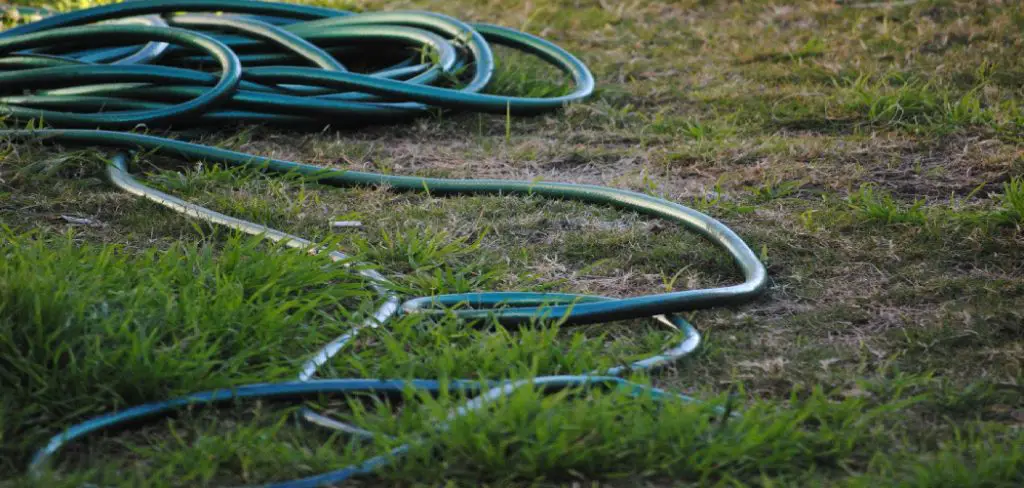
Here’s the thing. Disposing of a hose responsibly isn’t complicated, but it does take a few minutes of thought. This guide on how to dispose of garden hose covers how to size up your old hose, seven practical steps for getting rid of it, some surprisingly useful ways to repurpose it, and the slip-ups that cost you money and add to the landfill pile. Let’s get into it.
Identify the Type and Condition of the Hose
Before deciding anything, take a proper look at what you’ve got. Garden hoses come in a handful of materials—vinyl, rubber, reinforced polyurethane—and each one behaves differently when it comes to recycling or reuse. Knowing which type you own may point you toward the smartest option.
Then there’s the condition. Is the hose just a little short for your garden, or is it genuinely shot, full of cracks and stubborn kinks? Minor damage doesn’t always spell the end. A hose that’s only slightly worn could still earn its keep elsewhere in the yard. But if it’s brittle, moldy, or coming apart in your hands, it’s probably time to let it go. A quick inspection now saves you from second-guessing later.
7 Simple Step-by-step Guidelines on How to Dispose of Garden Hose
Doing this properly takes a little planning. These seven steps on how to dispose of garden hose will help you handle the job cleanly, safely, and in a way that goes a bit easier on the planet.
Step 1: Drain and Clean the Hose
Start by getting rid of any water trapped inside. Stretch the hose out across your lawn or driveway, lift one end, and let gravity do the work. Water left sitting in a coiled hose can turn into a quiet little breeding ground for bacteria, mold, and mosquitoes—especially if it’s been stored away for months.
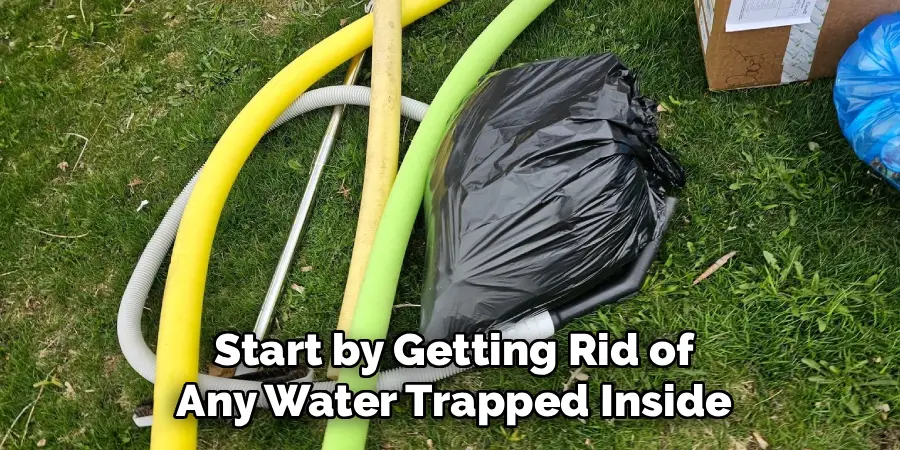
Once it’s drained, wipe off the dirt and grime. A clean hose is just nicer to handle and far more appealing if you’re planning to donate or reuse it. This small bit of effort makes everything that comes next smoother.
Step 2: Inspect for Possible Repairs
Before you write it off completely, ask whether the hose can actually be saved. A lot of leaks happen right at the connector ends, and those are cheap to replace with a repair kit from any hardware store. Even a small puncture in the middle can often be patched.
Fixing a hose costs a fraction of what a new one costs and it keeps usable material out of the trash. If the damage is limited to one spot, a quick repair might buy you several more seasons. Only move on to disposal once you’re sure the hose is past saving.
Step 3: Cut the Hose Into Manageable Sections
If the hose really is destined for the bin or a repurposing project, cutting it into shorter pieces makes the whole thing easier to manage. A sharp utility knife or heavy-duty scissors works well—just cut on a stable surface so the blade doesn’t slip.
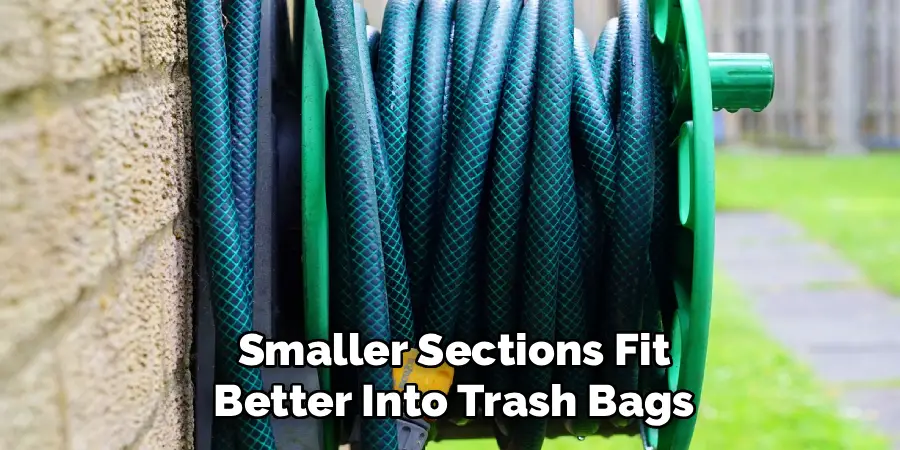
Smaller sections fit better into trash bags, drop-off containers, or storage bins if you’re keeping some for reuse. Wear gloves here. Hose edges can be sharp, and there’s sometimes hidden debris lurking inside. Slow, controlled cuts give you the cleanest results.
Step 4: Check Local Recycling Guidelines
Most curbside recycling programs turn down garden hoses, mainly because they tangle in sorting machinery and can damage expensive equipment. That said, some specialized facilities do take them, so it’s worth a quick check rather than assuming the worst.
Call your local waste management office or dig around on their website for guidance. A few communities run special collection days for tricky items like this. Understanding the rules where you live keeps your recycling bin clean and makes sure the hose ends up somewhere it can actually be handled.
Step 5: Explore Repurposing Ideas
A retired hose can be weirdly useful. Cut sections make good protective sleeves for sharp tool edges, padding for bucket handles, or guards that stop tree ties from biting into bark.
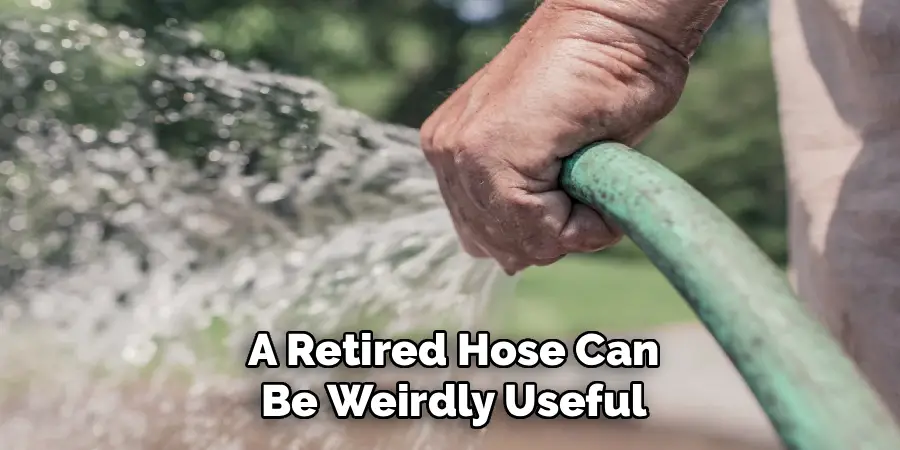
Gardeners often repurpose hose pieces into makeshift soaker lines or supports for climbing plants. A bit of imagination keeps the material in service and delays its trip to the landfill. What looks like junk can quietly solve a handful of everyday problems around the house and garden.
Step 6: Find a Donation or Drop-Off Spot
If the hose still works but no longer suits you, chances are someone nearby would gladly take it. Community gardens, schools, animal shelters, and small farms often need usable hoses for watering and cleaning.
You could also post it on a free-cycling platform or a community marketplace. Donating extends the hose’s life and saves a neighbor the cost of buying a new one. Reach out before tossing it—one short message could turn your unwanted item into someone else’s handy tool.
Step 7: Dispose of It Responsibly as a Last Resort
When repair, reuse, and donation are all off the table, the trash becomes your final option. Bag the cut sections securely so they won’t tangle with other waste or pose a hazard for sanitation workers.
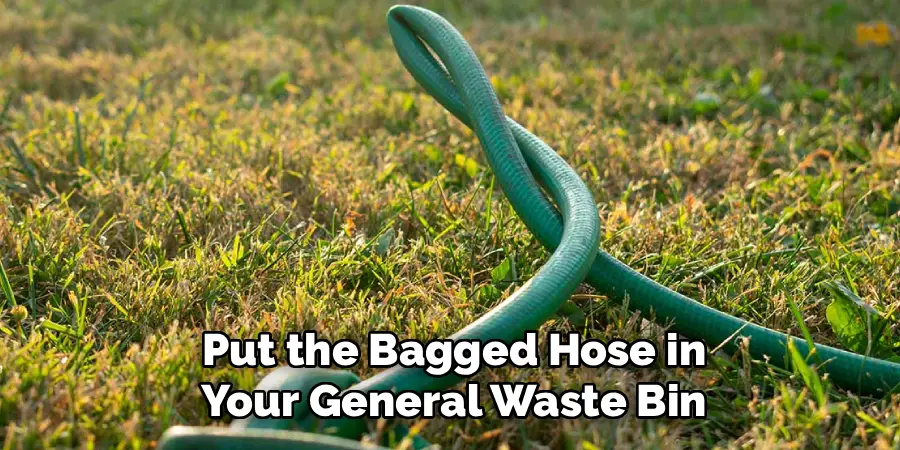
Put the bagged hose in your general waste bin, not the recycling. The landfill isn’t ideal, sure, but doing it this way prevents contamination of recycling streams and keeps the process tidy. Treat this as a genuine last resort—only after you’ve honestly looked at the greener routes first.
Eco-Friendly Alternatives to Disposal
Throwing a hose in the trash should always be the last card you play. Repurposing ranks among the greenest choices, turning old sections into plant ties, tool protectors, or a DIY soaker setup. These little projects cost nothing and keep tough, durable material in circulation.
Compost bin protectors, gardening knee pads, even homemade dog toys—the list of possible uses runs longer than you’d expect. Thinking creatively cuts down on waste and squeezes extra value from something already sitting in your shed. Every reuse means one more piece of plastic or rubber that doesn’t end up buried.
Community and Donation Options
Your unwanted hose might be exactly what someone else has been hunting for. Local community gardens lean on donated equipment to keep their plots alive, and schools running garden programs frequently need extra supplies. Animal shelters put hoses to work daily, cleaning enclosures and topping up water troughs.
Platforms like Freecycle, Buy Nothing groups, and Facebook Marketplace make giving it away simple. A quick photo with a short description can connect you to a grateful neighbor within hours. Donating builds a bit of goodwill in your area while keeping useful items out of the waste stream.
Common Mistakes to Avoid
The biggest slip-up? Dropping a hose straight into the curbside recycling bin, where it tangles machinery and contaminates everything around it. People also throw away hoses that just need a cheap connector or a quick patch. Skipping the drain step is another one—that leaves moldy water and a stale smell behind.
Some folks forget to cut the hose into sections, which makes disposal awkward and messy. And plenty of people never think to check donation options, sending a perfectly good hose to the landfill when a neighbor would have jumped at it.
Cost and Convenience Factors
Getting rid of a garden hose doesn’t have to cost anything if you think ahead. Repurposing is completely free, and it often saves money by replacing things you’d otherwise buy, like tool guards or plant ties. Donating costs nothing beyond the few minutes it takes to post a listing or drop the hose somewhere local.
Specialized recycling can be a different story. It may carry a small fee or require a drive to a drop-off center, which makes it less convenient for some. Repairing tends to be the most budget-friendly route of all, since a basic kit runs only a few dollars. Weighing cost against convenience helps you land on the option that actually fits your week and your wallet—and more often than not, the greenest choice happens to be the cheapest one too.
Environmental Benefits of Proper Disposal
Handling your hose the right way pays off for the planet in ways that aren’t always obvious. Garden hoses are made from plastics and rubber that can take decades, possibly centuries, to break down in a landfill. Keeping them in use through repair or repurposing chips away at that long-term pile of waste.
Proper disposal also protects recycling systems. A single hose can jam sorting equipment and ruin an entire batch of otherwise recyclable material. Reusing and donating, meanwhile, lowers the demand for new hoses, which trims the energy and raw materials needed to make them. Each responsible choice shrinks your footprint a little. Over time, those small actions add up to something that genuinely matters for your community and the wider environment.
Frequently Asked Questions
Can I Put a Garden Hose in My Recycling Bin?
No—a garden hose doesn’t belong in your curbside recycling bin. Hoses are what facilities call “tanglers,” wrapping around sorting machinery and causing expensive damage. They’re also built from mixed materials that standard programs can’t process. Check with specialized recycling centers in your area instead, and look into repurposing or donation before the hose ever reaches general waste.
How Do I Know If My Hose Can Be Repaired?
Take a close look to pin down the actual problem. Leaks at the connector ends are the simplest to fix, since replacement fittings are cheap and easy to find. A single puncture or a small split in the middle can usually be patched with a repair kit. But if the hose is brittle, cracked in several places, or crumbling apart, repair likely isn’t worth the trouble, and disposal becomes the smarter move.
Where Can I Donate a Used Garden Hose?
Plenty of places welcome a hose that still holds water. Community gardens, schools with gardening programs, animal shelters, and small local farms tend to need extra equipment. You can also pass it along through Freecycle, Buy Nothing groups, or Facebook Marketplace. A quick post with a photo usually finds a taker fast, keeping your hose useful and out of the landfill.
Make the Greener Choice for Your Old Hose
Disposing of a garden hose the right way asks for only a little extra effort, and the return is well worth it. By inspecting the hose, trying a repair, repurposing the material, or passing it to someone who needs it, you keep stubborn waste out of landfills and spare local recycling systems a real headache.
Start with the condition check today. If the hose can be saved, grab a repair kit. If it’s beyond help, cut it down, get inventive with reuse, or hand it off to a community garden nearby. Modest, thoughtful choices like these leave a lasting mark—on your wallet and on the world around you. Thanks for reading this guide on how to dispose of garden hose.

About
Outdoor Fixes is a distinguished figure in the world of Diy design, with a decade of expertise creating innovative and sustainable Diy solutions.
His professional focus lies in merging traditional craftsmanship with modern manufacturing techniques,
fostering designs that are both practical and environmentally conscious. As the author of diy,
outdoorfixes delves into the art and science of outdoorfixes-making, inspiring artisans and industry professionals alike.
Education RMIT University
(Melbourne, Australia) Associate Degree in Design (Outdoor Fixes) Focus on sustainable design, industry-driven projects,
and practical craftsmanship. Gained hands-on experience with traditional and digital manufacturing tools, such as CAD and CNC software.
Nottingham Trent University
(United Kingdom) Bachelor’s in outdoorfixes.com and Product Design (Honors) Specialized in product design with a focus on blending creativity with production
techniques. Participated in industry projects, working with companies like John Lewis and Vitsoe to gain real-world insights.
Publications and Impact
In diy, Outdoor Fixes his insights on indoor design processes, materials, and strategies for efficient production.
His writing bridges the gap between artisan knowledge and modern industry needs, making it a must-read for both budding designers and seasoned professionals.