
A duck pond brings life and charm to any backyard, but it can quickly turn murky if you don’t give it some regular attention. Ducks are messy by nature, and all that splashing, dabbling, and waste can cloud the water in just a few days. If you’ve ever wondered how to keep a duck pond clean without spending every weekend scrubbing, you’re in the right place.
The good news is that pond care doesn’t need to be complicated or expensive.

With a few smart habits and the right tools, you can maintain fresh, clear water that keeps your ducks healthy and happy. Clean water means fewer parasites, less odor, and a far more pleasant view from your window. Whether you keep two ducks or a whole flock, this beginner-friendly guide walks you through everything step by step, so you feel confident managing your pond from day one and avoid the common mistakes that trip up most new duck owners.
Why Keeping Your Duck Pond Clean Matters
Clean water is more than a cosmetic perk. It directly affects the health of your flock and the surrounding environment. Dirty ponds become breeding grounds for harmful bacteria, algae blooms, and parasites that can make your ducks sick or even spread disease to other animals.
A well-maintained pond also smells better and looks far more inviting. When waste builds up, it releases ammonia and other gases that irritate both ducks and people nearby. On top of that, clean water supports beneficial organisms that keep the ecosystem balanced naturally. By staying on top of maintenance, you reduce the risk of costly problems down the road and create a thriving space where your ducks can swim, forage, and play safely throughout every season of the year.
Step-by-Step Guide to How to Keep a Duck Pond Clean
Step 1: Install a Reliable Filtration System
A good filter is your first line of defense against cloudy, smelly water. Ducks produce far more waste than fish, so a standard pond filter often won’t cut it. Look for a system rated for at least double your pond’s volume to handle the heavy bioload that ducks create.
You’ll want both a mechanical filter to trap solid debris and a biological filter to break down harmful waste. Position the filter where water circulates easily, and clean the media regularly so it keeps working at full strength. A properly sized filter dramatically reduces how often you’ll need to drain and refill the whole pond.
Step 2: Add a Pump to Keep Water Moving
Stagnant water turns green and foul fast, so movement matters. A submersible pump keeps water circulating, which prevents algae from settling and helps oxygen reach every corner of the pond. Moving water also discourages mosquitoes from laying eggs on the surface.
Choose a pump that matches your pond size and run it for several hours each day, or continuously if you can. Pair it with a small waterfall or fountain feature if you want extra aeration and a pleasant sound. The constant flow keeps debris suspended so your filter can capture it, rather than letting muck sink and rot at the bottom where it causes problems.
Step 3: Removing Debris Daily
Daily debris removal is one of the simplest habits that makes the biggest difference. Use a long-handled net to skim leaves, feathers, droppings, and uneaten food off the surface each morning. This stops organic matter from breaking down and clouding the water.
Pay special attention to feeding areas, since leftover food rots quickly and fuels algae growth. If you notice sludge gathering on the bottom, a pond vacuum makes quick work of it. Spending just five minutes a day on this task prevents waste from piling up, which means you’ll face far fewer deep cleans and enjoy clearer water all week long.
Step 4: Control Algae Growth Naturally
Algae thrives on sunlight and excess nutrients, so tackling both keeps it in check. Adding floating plants like water lilies provides shade that limits the light algae needs to spread. Submerged plants also absorb the nutrients algae would otherwise feast on.
For a natural boost, barley straw is a popular and safe option that slowly releases compounds that suppress algae as it decomposes. Avoid harsh chemical treatments, since these can harm your ducks. If algae becomes stubborn, reduce feeding and check that your filter is working properly. A balanced pond with healthy plants rarely struggles with serious algae problems once it settles into a rhythm.
Step 5: Manage Feeding to Reduce Waste
How and where you feed your ducks has a huge impact on water quality. Overfeeding leaves uneaten food that decays and pollutes the pond, so offer only what your ducks finish within a few minutes. Feeding on land rather than in the water keeps a surprising amount of mess out of the pond entirely.
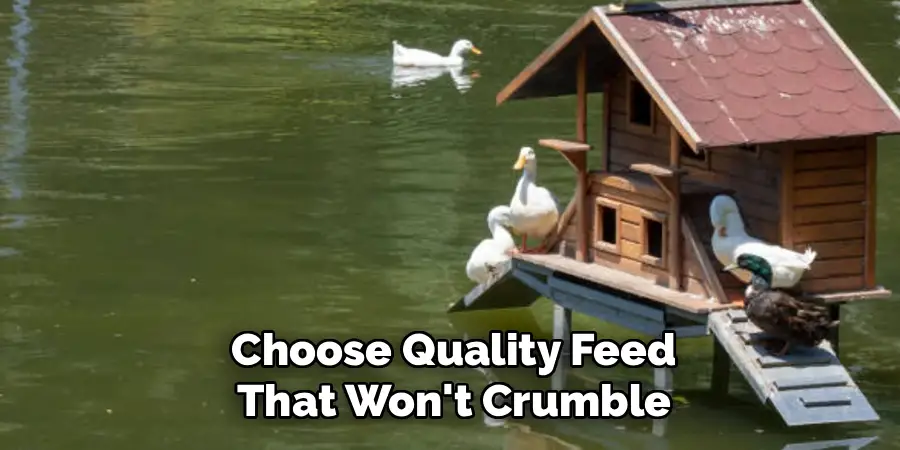
Choose quality feed that won’t crumble into a cloudy mush, and remove any leftovers promptly. Clean feed also means firmer droppings, which are easier to filter out. By adjusting your feeding routine, you cut down on the waste load at its source and make every other cleaning step far easier and more effective.
Step 6: Regular Water Changes
Even with great filtration, you’ll need to refresh the water from time to time. Partial water changes work better than full drains because they preserve the beneficial bacteria that keep your pond balanced. Aim to replace around twenty to thirty percent of the water every week or two.
Use a hose to siphon out water from the bottom, where waste concentrates, then top up with fresh, dechlorinated water. Treat tap water if it contains chlorine, since that can harm pond life. Regular partial changes dilute built-up nutrients and keep everything fresh without shocking the ecosystem you’ve worked hard to establish.
Step 7: Schedule a Seasonal Deep Clean
A few times a year, your pond benefits from a thorough deep clean. Spring and autumn are ideal, since temperatures are mild and you can move your ducks to a temporary enclosure while you work. Drain the pond, scrub the liner gently, and remove any accumulated sludge from the base.
Rinse your filter media in pond water rather than tap water so you don’t kill the helpful bacteria. Inspect the pump, liner, and any features for damage while everything is empty. Refill slowly and let the pond settle before returning your ducks. This seasonal reset keeps long-term buildup under control and extends the life of your equipment.
Frequently Asked Questions
How Often Should I Clean My Duck Pond?
Daily skimming of debris keeps surface waste under control, while partial water changes every week or two maintain freshness. A full deep clean is usually only needed two to four times a year, depending on how many ducks you keep and the size of your pond. Smaller ponds with more ducks need more frequent attention, so adjust your routine based on how quickly the water cloudies.
Do Ducks Need a Filter for Their Pond?
While ducks can survive without a filter, your pond will become dirty and smelly very quickly without one. Ducks produce a large amount of waste, so a filter rated for at least double your pond’s volume is strongly recommended. A filter reduces how often you need to drain and refill the pond, saving you time and keeping your ducks healthier and more comfortable.
Can I Use Chemicals to Clean Duck Pond Water?
Most chemical pond treatments are unsafe for ducks and can cause serious health problems. Stick to natural solutions like barley straw, beneficial bacteria supplements, and live plants that absorb excess nutrients. If you must use any product, confirm it is specifically labeled safe for waterfowl. Natural methods may take a little longer to show results, but they protect your flock and keep the pond ecosystem balanced.
Why Does My Duck Pond Smell Bad?
A foul odor usually points to too much waste breaking down in the water. Common causes include overfeeding, poor filtration, lack of water movement, and accumulated sludge on the bottom. Improve aeration with a pump, remove debris daily, and check that your filter is sized correctly. Reducing how much you feed and performing regular partial water changes will clear most odor issues within a week or two.
What Plants Help Keep a Duck Pond Clean?
Floating plants like water lilies and duckweed provide shade that limits algae growth, while submerged oxygenating plants absorb excess nutrients. Marginal plants around the edges, such as rushes and irises, also help filter the water naturally. Keep in mind that ducks love to nibble plants, so protect young growth with netting until established or choose hardy varieties that can withstand a curious flock.
Conclusion
Maintaining a healthy pond is far easier when you break it into small, manageable habits rather than tackling everything at once. From installing a strong filter and keeping the water moving to skimming debris daily and scheduling seasonal deep cleans, each step builds on the last to give you consistently clear water. Manage your feeding wisely, lean on natural algae control, and refresh the water regularly, and you’ll spend far less time fighting murky, smelly conditions.
Now that you know how to keep a duck pond clean, you can put these steps into action with confidence. Start with the basics today, adjust your routine to suit your flock, and watch your pond transform into a fresh, inviting space your ducks will love. Your effort pays off in healthier birds, cleaner water, and a backyard feature you’ll enjoy for years to come.

About
Outdoor Fixes is a distinguished figure in the world of Diy design, with a decade of expertise creating innovative and sustainable Diy solutions.
His professional focus lies in merging traditional craftsmanship with modern manufacturing techniques,
fostering designs that are both practical and environmentally conscious. As the author of diy,
outdoorfixes delves into the art and science of outdoorfixes-making, inspiring artisans and industry professionals alike.
Education RMIT University
(Melbourne, Australia) Associate Degree in Design (Outdoor Fixes) Focus on sustainable design, industry-driven projects,
and practical craftsmanship. Gained hands-on experience with traditional and digital manufacturing tools, such as CAD and CNC software.
Nottingham Trent University
(United Kingdom) Bachelor’s in outdoorfixes.com and Product Design (Honors) Specialized in product design with a focus on blending creativity with production
techniques. Participated in industry projects, working with companies like John Lewis and Vitsoe to gain real-world insights.
Publications and Impact
In diy, Outdoor Fixes his insights on indoor design processes, materials, and strategies for efficient production.
His writing bridges the gap between artisan knowledge and modern industry needs, making it a must-read for both budding designers and seasoned professionals.