
There are few simple pleasures like watering a garden on a warm day, but that peace can be instantly shattered by a sudden stop in water flow. The culprit is almost always a stubborn kink in the garden hose. This common frustration not only interrupts your work but can also lead to permanent damage, creating weak spots that eventually split and leak. Many people resort to yanking on the hose, which often makes the twist even tighter and more damaging. Fortunately, there is a better way. Dealing with a tangled hose does not require brute force or buying a new one. With a bit of patience and the right technique, you can easily restore full water pressure and prolong the life of your essential gardening tool. This guide will walk you through exactly how to unkink a hose and provide strategies to prevent it from happening again.
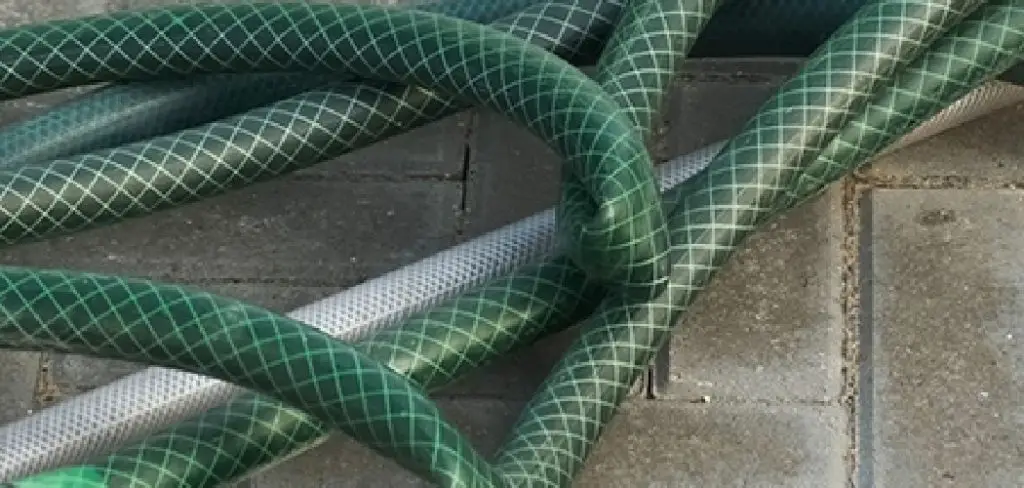
A tangled or kinked hose can be a frustrating obstacle, especially when you’re eager to get your gardening or cleaning tasks done. However, with the proper approach, you can address this common issue quickly and effectively. Taking a few preventative steps can also save you time and effort in the long run, ensuring your hose remains in good working condition.
Why Does a Hose Kink?
Understanding why a hose kinks is key to addressing and preventing the issue. Hoses are typically made from flexible materials like rubber or vinyl, which allow them to bend and coil easily. However, this flexibility can also make them prone to twisting and folding over, especially when improperly stored or stretched too tightly. Additionally, temperature changes, wear and tear, and low-quality materials can contribute to a hose losing its shape and becoming more susceptible to kinks. Recognizing these factors can help you take proactive steps to maintain your hose and keep it functioning perfectly.
Recognizing Potential Issues
It’s important to regularly inspect your hose for any signs of damage or potential issues, such as kinks, twists, and folds. These can often be caused by improper storage or handling, so it’s important to pay attention to how you store and use your hose.
Temperature changes can also affect the flexibility of a hose. Extreme heat or cold can cause materials like rubber or vinyl to become stiff and less pliable, making them more likely to develop kinks. If you live in an area with extreme temperature fluctuations, it may be worth investing in a higher quality hose that is designed to withstand these conditions.
Wear and tear is another factor that can contribute to the lifespan of a hose. Constantly dragging or pulling on your hose, running it over with heavy equipment, or storing it in a cramped and tangled mess can all weaken the materials and lead to premature damage.
Step-by-Step Guide: How to Unkink a Hose
Step 1: Turn Off the Water and Relieve Pressure
Before you attempt any fixes, the first and most crucial step is to stop the flow of water at its source. Go to the spigot and turn the handle clockwise until it is completely shut off. A hose that is still under pressure is much stiffer and more difficult to manipulate, making the kink harder to work out. Once the spigot is off, walk to the nozzle end of the hose and squeeze the handle to release any trapped water and residual pressure.
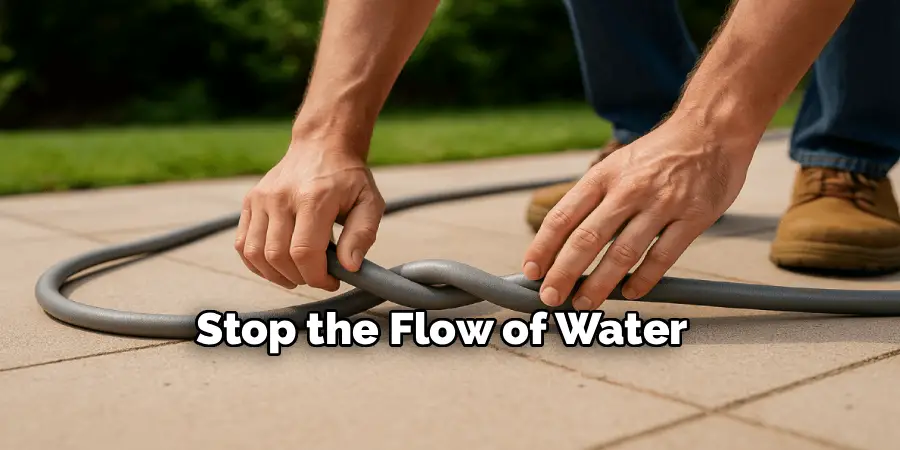
You should hear a final spray of water and a hiss of air, after which the hose will become noticeably more flexible. This simple preparatory step makes the entire process safer and easier, allowing you to work with a pliable tube rather than fighting against a rigid, water-filled pipe.
Step 2: Straighten the Hose Completely
With the pressure relieved, your next task is to lay the hose out in as straight a line as possible. This might require you to pull it off the hose reel or uncoil it from its storage spot. Walk the entire length of the hose, pulling it away from the spigot across your lawn, driveway, or patio. By removing all the loops and coils, you can easily identify the exact location and severity of the kink. Sometimes, simply straightening the hose is enough to resolve a minor twist. This step also prevents new kinks from forming while you are trying to fix the original one. It gives you a clear view of the problem and sets the stage for more targeted interventions if the crease remains.
Step 3: Use the “Flip” Technique
For a simple, common kink where the hose has just folded over on itself, the “flip” or “twist” technique is highly effective. Stand near the kink and examine which way the hose has twisted to create the blockage. Grab the hose on both sides of the kink. Instead of trying to pull it straight, which tightens the knot, you need to work with the twist. Gently push the two sides towards each other to create some slack, then rotate or “flip” the loop in the opposite direction of the fold. You will often find the hose wants to naturally untwist itself once you guide it. It is like untangling a necklace; you have to coax the knot out rather than forcing it. This method resolves the vast majority of everyday kinks without causing any stress to the hose material.
Step 4: Apply Gentle Heat from the Sun
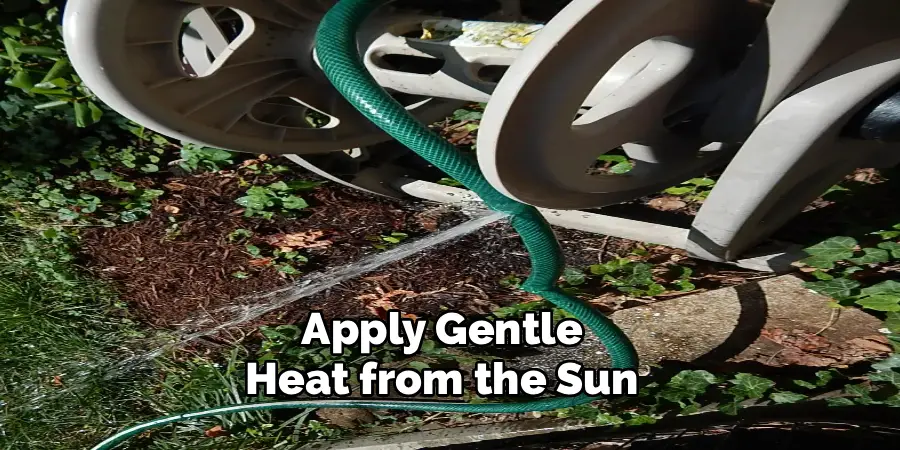
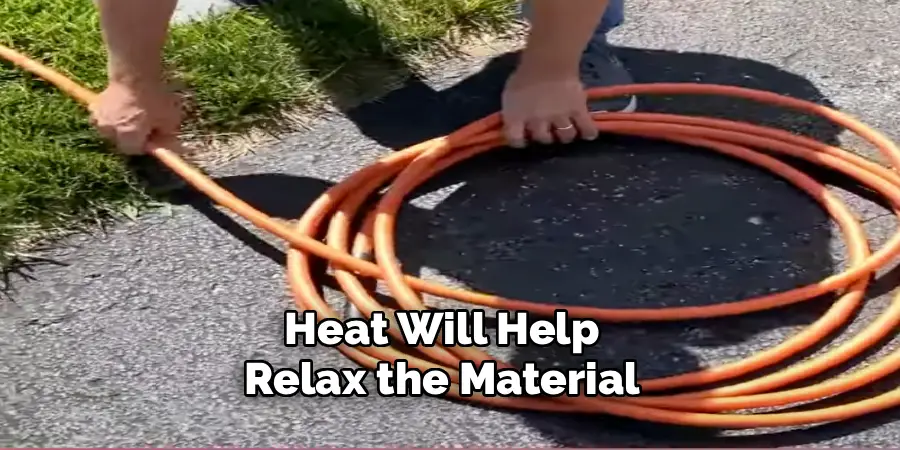
If you are dealing with a more stubborn kink that has developed a “memory” in the hose material, especially in older vinyl hoses, heat can be your best friend. After straightening the hose as much as possible, leave it lying flat in a sunny spot in your yard for a few hours. The warmth from the sun will soften the plastic or rubber, making it much more pliable. Once the material has warmed up, the kink will be significantly easier to work out by hand or with the flip technique. This is a gentle, passive approach that uses natural energy to do most of the work for you. It is particularly effective for hoses that have been coiled tightly in cold storage for a long time and have developed semi-permanent creases.
Step 5: Use a Hairdryer for Targeted Heat
For a faster or more targeted approach than relying on the sun, you can use a hairdryer. First, ensure the hose is completely empty of water. Set the hairdryer to a low or medium heat setting—never high, as excessive heat can melt or weaken the hose material. Hold the hairdryer several inches away from the kinked area and move it back and forth continuously to warm the section evenly. After a minute or two of gentle heating, the material will become noticeably softer. At this point, you can turn off the hairdryer and manually work the kink out with your hands. This method is an excellent example of how to unkink a hose that has a deep, set-in crease from being stored improperly.
Step 6: Use a Splint for Damaged Areas
Sometimes, a kink is so severe or has been there for so long that it creates a permanent weak spot in the hose wall, even after you straighten it. This area is now highly prone to kinking again and will likely be the first place a leak develops. To prevent this, you can apply a simple splint. You can use two small, straight pieces of wood or plastic, placing one on either side of the weakened section. Secure them tightly with waterproof tape, zip ties, or small hose clamps. This external reinforcement prevents the hose from being able to fold at that specific weak point. While not the most elegant solution, it is a practical way to salvage an otherwise good hose and prevent a recurring problem spot.
Step 7: Prevention Through Proper Storage
The best way to deal with kinks is to prevent them from happening in the first place. This comes down to coiling and storing your hose correctly after every use. Never just drop the hose in a pile. Instead, use a hose reel, a hose pot, or a wall-mounted hanger. When coiling the hose by hand, create large, uniform loops of about three feet in diameter. Avoid twisting the hose as you coil it; let it lay naturally. Some gardeners even twist the hose slightly in the opposite direction with each loop to counteract its natural memory. Storing your hose in these large, neat coils prevents the tight bends that form the foundation of future kinks and dramatically extends the life of your equipment.
Common Hose Maintenance Issues
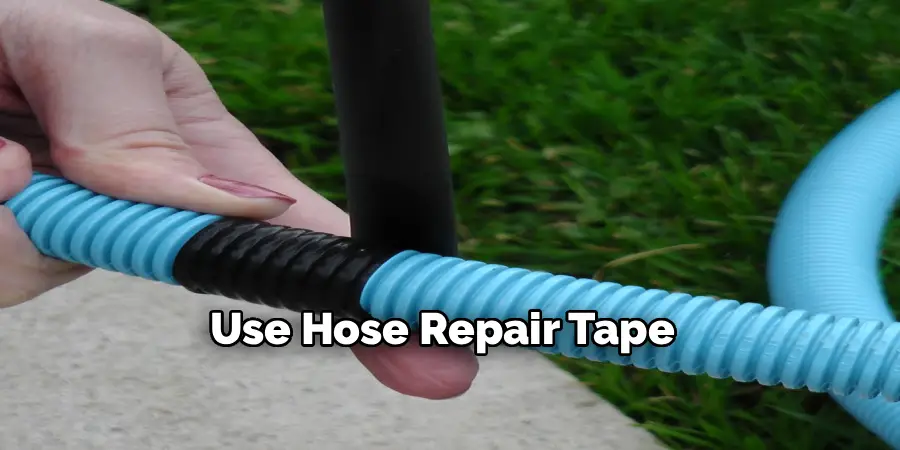
One common hose maintenance issue is leaks. Leaks can occur due to small punctures, wear and tear, or improper connections to the spigot or nozzle. Regularly inspect your hose for any visible damage or weak spots, and repair small holes using hose repair tape or a hose repair kit. Another frequent issue is kinking, which can weaken the hose over time and lead to cracking. To prevent kinks, always store the hose properly in large coils and avoid dragging it around sharp edges. Additionally, exposure to harsh weather conditions—such as prolonged sun exposure or freezing temperatures—can cause the hose material to degrade. To mitigate this, store the hose in a shaded area during the summer and bring it indoors during colder months. With proper maintenance, many of these common issues can be avoided, extending the life and utility of your garden hose.
Proper Maintenance of Garden Tools
Proper maintenance of garden tools is essential for ensuring their longevity and effectiveness. Start by cleaning your tools after each use to remove dirt, sap, and other residues. This can be done with a simple solution of water and mild soap, followed by thorough drying to prevent rust. For cutting tools like pruners and shears, keep the blades sharp using a sharpening stone or file; dull blades can damage plants and make your work more strenuous. Regularly inspect wooden handles for cracks or splinters and sand them down as needed, then apply linseed oil to keep the wood conditioned. Moving parts, such as those on pruning shears or hedge clippers, should be lubricated periodically to ensure smooth operation. Proper storage is also crucial—store tools in a dry, sheltered place such as a shed or garage, and consider using hooks or racks to keep them off the ground. With consistent care, your garden tools will remain reliable and functional for years to come.
Frequently Asked Questions
What Type of Hose Is Least Likely to Kink?
The material and construction of a hose play a huge role in its resistance to kinking.
- Rubber Hoses: Heavy-duty rubber hoses are generally the most kink-resistant due to their flexibility and thick walls.
- Hybrid Polymers: Hoses made from hybrid polymer blends offer a good balance of flexibility, light weight, and kink resistance.
- Avoid Vinyl: The cheapest vinyl hoses are the most prone to kinking and developing a “memory” for creases, especially in cold weather.
Can I Leave My Hose Kinked for a Long Time?
It is highly recommended not to. Leaving a hose kinked, especially under pressure or in the sun, can cause permanent damage. The folded material is stretched on the outside and compressed on the inside, which weakens the structural integrity of the hose wall. Over time, this weak point will become a permanent crease that is prone to splitting and leaking. Always try to straighten out kinks as soon as you notice them to maintain the health and longevity of your hose.
Does Water Pressure Affect How a Hose Kinks?
Yes, it does. A hose under high water pressure is much stiffer and more rigid than an empty one. This rigidity can sometimes help it resist minor kinking as you pull it around a corner. However, if a kink does form while the hose is pressurized, it will be much tighter and harder to undo. This is why the first step to unkinking a hose is always to turn off the water and release the pressure, making the material more pliable and easier to work with.
Why Does My New Hose Kink So Much?
New hoses, particularly those made of vinyl or hybrid materials, often have a “package memory” from being tightly coiled in their packaging. They are prone to kinking along these factory-set coils. The best way to deal with this is to lay the new hose out straight in the sun for a full day before its first use. The heat will help relax the material and erase the packaging memory, making it behave much more like a normal, flexible hose from the start.
Is There a Tool to Help Prevent Kinking at the Spigot?
Yes, there is an excellent and inexpensive accessory called a “hose saver,” “hose protector,” or “gooseneck.” This is a short, rigid, often spring-reinforced tube that attaches directly to the spigot. You then connect your main hose to it. This device prevents the hose from making a sharp 90-degree bend right at the connection point, which is one of the most common places for a damaging kink to form. It is a highly recommended accessory for any gardener.
Conclusion
A kinked garden hose is a universal annoyance, but it does not have to be a source of constant battle or equipment damage. By understanding the simple principles of pressure, heat, and proper handling, you can resolve even the most stubborn twists with ease. Whether you are using a quick flip, a patient sunbath, or a targeted blast of heat, the power to restore water flow is in your hands. More importantly, adopting preventative habits like coiling your hose in large loops and using a hose reel will save you time and frustration in the long run. Now that you have learned how to unkink a hose, you are fully equipped to keep your gardening tools in top condition, ensuring a smooth, steady stream of water whenever your plants need it most.

About
Outdoor Fixes is a distinguished figure in the world of Diy design, with a decade of expertise creating innovative and sustainable Diy solutions.
His professional focus lies in merging traditional craftsmanship with modern manufacturing techniques,
fostering designs that are both practical and environmentally conscious. As the author of diy,
outdoorfixes delves into the art and science of outdoorfixes-making, inspiring artisans and industry professionals alike.
Education RMIT University
(Melbourne, Australia) Associate Degree in Design (Outdoor Fixes) Focus on sustainable design, industry-driven projects,
and practical craftsmanship. Gained hands-on experience with traditional and digital manufacturing tools, such as CAD and CNC software.
Nottingham Trent University
(United Kingdom) Bachelor’s in outdoorfixes.com and Product Design (Honors) Specialized in product design with a focus on blending creativity with production
techniques. Participated in industry projects, working with companies like John Lewis and Vitsoe to gain real-world insights.
Publications and Impact
In diy, Outdoor Fixes his insights on indoor design processes, materials, and strategies for efficient production.
His writing bridges the gap between artisan knowledge and modern industry needs, making it a must-read for both budding designers and seasoned professionals.