
Quick answer: Building a backyard patio usually comes down to four main jobs: planning the layout, digging out the area, building a compacted gravel-and-sand base, and then setting pavers or pouring concrete. A DIY project often lands somewhere between $1,500 and $5,000 and may take one or two weekends, depending on size, weather, and how prepared you are. If there is one thing that tends to matter more than people expect, it is drainage and careful leveling. Get those wrong, and the patio may start showing problems much sooner than you hoped.
An underused backyard can feel like wasted square footage. A patio changes that. It creates a place for weekend meals, early coffee, or simply sitting outside without dragging chairs onto uneven grass and hoping for the best.
Doing the work yourself also gives you far more control over the layout, finish, and budget. That freedom is part of the appeal. So is avoiding labor costs, which can rise quickly. This guide on how to build a backyard patio walks through the tools, materials, and steps involved in building a patio that looks good and holds up.
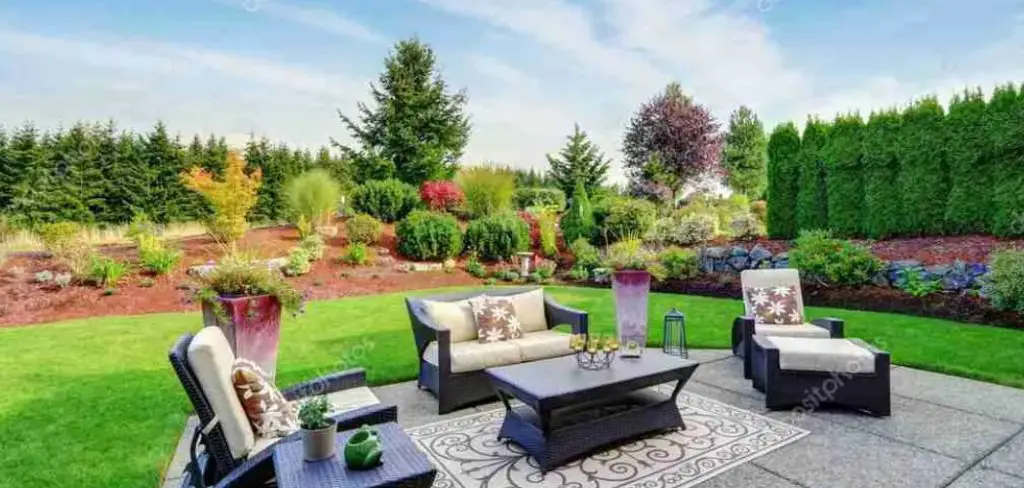
Tools and Materials You’ll Need
Before you start digging, gather everything in advance. It sounds obvious, but stopping mid-project because you forgot edge restraints or do not have a tamper plan is the sort of thing that turns a manageable weekend job into a dragged-out annoyance.
Tools:
- Tape measure and marking paint
- Wooden stakes and a string line
- Shovel and hard rake
- Wheelbarrow
- Plate compactor (available for rent at most hardware stores)
- Rubber mallet
- 4-foot carpenter’s level
- Push broom
Materials:
- Landscape fabric
- Crushed gravel (paver base)
- Leveling sand (paver sand)
- Patio pavers, bricks, or flagstone
- Polymeric sand
- Edge restraints and spikes
8 Simple Step-By-Step Guidelines on How to Build a Backyard Patio
Step 1: Plan and Measure the Patio Area
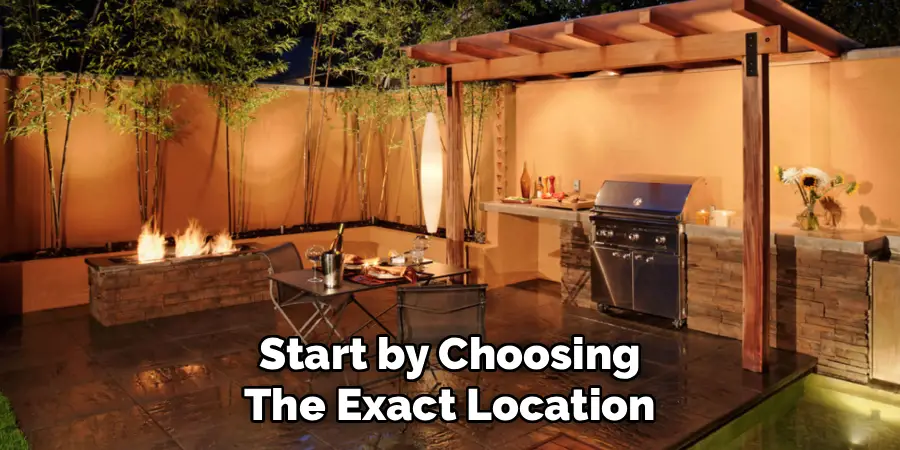
A patio usually succeeds or fails long before the first paver goes down. The planning stage is where most of the hidden problems show up, at least if you give them a chance to. Start by choosing the exact location, paying attention to trees, roots, property lines, and the distance from your house. Drainage matters here. The finished surface should slope slightly away from the home, generally about one inch for every four to eight feet, so water does not collect near the foundation.
Once you have the shape in mind, mark the perimeter with paint and drive stakes into the corners. Run string lines between them to show the finished height of the patio. That line becomes your reference point for almost everything that follows. It also helps expose small layout mistakes before they become expensive ones. To check whether the layout is square, measure diagonally from corner to corner. If both measurements match, you are in good shape. It is not glamorous work, but careful setup now tends to save a lot of frustration later.
Step 2: Excavate the Designated Space
Now comes the tiring part. Excavation is straightforward in theory, less so when the ground is hard and the wheelbarrow keeps filling faster than you expected.
You need to dig deep enough for the gravel base, the sand layer, and the pavers themselves. For a standard foot-traffic patio, that often means excavating seven to eight inches. Remove the sod and topsoil as cleanly as you can, then haul it away or reuse it elsewhere in the yard if that makes sense.
As you work, keep checking depth against the string line so the trench stays consistent. Try to preserve the slight slope away from the house throughout the dig rather than fixing it at the very end. That usually goes better. Once the area is opened up, rake the soil smooth and pull out roots, rocks, and other debris that might interfere with a stable base. After that, compact the exposed ground with a plate compactor. Some DIY builders skip this because the soil already “feels firm.” It is usually a mistake.
Step 3: Install the Landscape Fabric
Landscape fabric is not the most exciting part of the job, and because of that, people sometimes treat it as optional. In many cases, it is worth using. Spread a geotextile fabric over the compacted soil so it covers the entire excavation area. It serves two practical purposes: it helps limit weeds pushing up through the joints, and it keeps the gravel base from gradually sinking into the soil below.
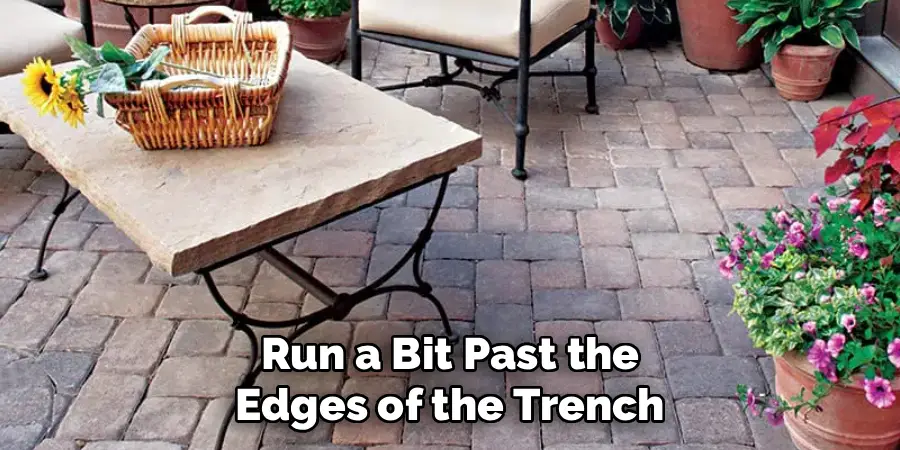
Let the fabric run a bit past the edges of the trench, and overlap seams by six to twelve inches so weak points do not open up later. If the material shifts while you work, pin it in place with landscape staples. It is a small step, but one that may reduce maintenance headaches over time. Not every shortcut shows up immediately. Some wait until the second rainy season.
Step 4: Add and Compact the Gravel Base
The gravel base is what gives the patio its stability. If the base is poor, the surface may look fine at first and still fail later. Spread crushed gravel, often sold as paver base, evenly over the landscape fabric with a rake. For a backyard patio, a compacted depth of four to six inches is typical.
Do not dump the whole amount in at once if you can avoid it. Add it in roughly two-inch lifts, lightly dampen each layer if needed, and compact before adding the next. This takes more time, yes, but it usually produces a denser, more reliable base. Run the plate compactor in overlapping passes until the surface feels firm and even. Check the slope often with a level. A patio that is perfectly level may sound ideal, though in practice it often means water has nowhere sensible to go.
Poor compaction is one of the most common reasons patios settle unevenly. There is not much romance in compacting gravel. Still, this is the part doing most of the structural work.
Step 5: Spread the Leveling Sand
Once the gravel base is in place, you need a smooth bedding layer for the pavers. Spread about one inch of coarse paver sand over the compacted base. The goal here is not to create a thick cushion. It is to create a consistent setting bed.
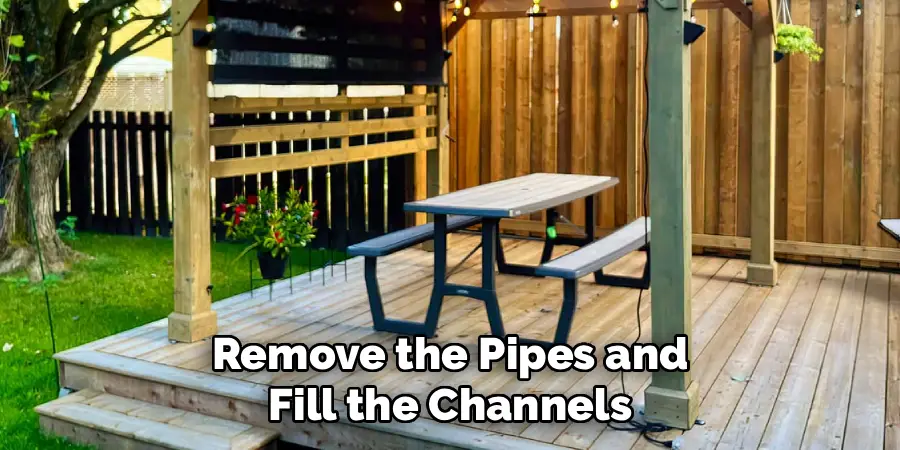
A common method is to place two parallel PVC pipes on the gravel, pour sand over them, and drag a straight 2×4 across the top in a screeding motion. That leaves a flat, even layer between the pipes. After leveling a section, remove the pipes and fill the channels with sand, then smooth them carefully with a trowel or your hand.
One note matters more than people expect: do not walk on the leveled sand once it is screeded. Even small footprints can telegraph through to the finished surface. At that point, a patio starts inheriting tiny errors that become visible every time the light hits at an angle.
Step 6: Lay Down the Patio Pavers
This is usually the moment when the project starts to look like something. Start at a 90-degree corner, ideally one near the house or along the most visible edge, and place each paver straight down into the sand. Avoid sliding them into place, since that can disturb the bedding layer underneath.
Tap each unit gently with a rubber mallet so it sits snugly and lines up with the surrounding pavers. Then keep working outward, checking alignment every few rows with a straight edge or string line. Patterns can drift in subtle ways. You may not notice it at first, then suddenly an entire edge is off.
If you need to trim pavers, use a masonry saw or a hammer and chisel, depending on the material and the finish you want. Keep checking both level and slope as you go. Small adjustments are normal. In fact, they are part of the job. A little added sand under one corner or a slight reset of a single paver can prevent a larger problem from spreading through the field.
Step 7: Install the Edge Restraints
Edge restraints are not flashy, but they do a lot of quiet work. Once all the pavers are in place and any cuts are finished, clear away extra sand along the outside edges until the gravel base is visible. Then set the restraints directly against the paver border.
Most systems use rigid plastic or metal edging, anchored with long galvanized spikes driven into the base. Place the spikes through the provided holes and space them roughly 12 to 18 inches apart. The goal is simple: keep the pavers from creeping outward over time.
Without good edge support, the joints may begin to open, especially after repeated use, seasonal movement, or heavy rain. That outward spread can be slow enough to ignore at first. Then one day, the border looks loose, and by then the repair is more annoying than it needed to be.
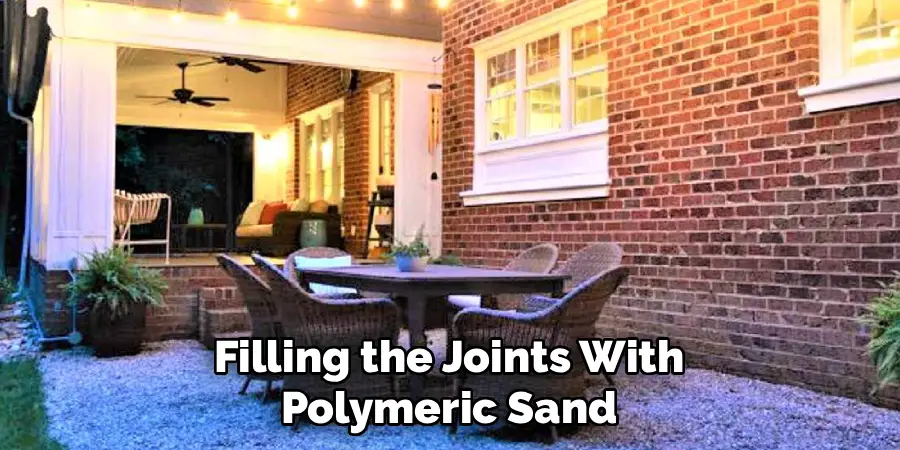
Step 8: Fill the Joints with Polymeric Sand
The last major step is filling the joints with polymeric sand. This material contains additives that harden when watered, helping lock the pavers together while also discouraging weeds and insects.
Sweep the sand over the patio with a push broom and work it into every joint. After that, run a plate compactor over the surface using a protective pad so you do not scuff the pavers. Sweep in more sand as needed until the joints are full. This usually takes more than one pass.
When the joints are packed, remove all remaining dust and loose sand from the surface. A leaf blower on a low or idle setting often works well for this. Be thorough. If polymeric sand stays on top of the pavers and then gets wet, it can leave a haze or stain that is difficult to remove. Once the surface is clean, mist the patio gently with a hose to activate the binders. Then let it cure for 24 to 48 hours before walking on it or moving furniture back into place. Following these steps on how to build a backyard patio will ensure a successful and long-lasting project.
Common Mistakes to Avoid
Skipping compaction is one of the easiest ways to end up with a patio that settles unevenly. Ignoring the slope can leave water standing near the house, which is not a minor issue if drainage is already poor. Leaving out landscape fabric may invite weed growth and gradual base contamination.
Using dirt or loose topsoil instead of crushed gravel for the base almost always causes movement later, sometimes after the first heavy rain. And rushing the layout stage tends to produce the sort of crooked lines and awkward edge cuts that keep bothering you long after the job is finished.
Do You Need To Use Professionals?
For many homeowners, a patio is a realistic DIY project. It does not necessarily require advanced technical knowledge, but it does require patience, physical effort, and a willingness to deal with repetitive, heavy work. That last part is easy to underestimate until you are halfway through moving gravel.
Hiring professionals may make more sense if the patio is especially large, the site has steep grade changes, or the design includes features such as outdoor kitchens, retaining walls, or other built-in structures. Contractors also have access to heavier equipment and usually move through excavation much faster. If the labor, time, or margin for error feels bigger than you want to manage, bringing in help could be the more sensible option. DIY can save money. It does not always save strain.
How Much Will It Cost?
Cost depends mostly on size, material choice, and whether you are doing the labor yourself. For a standard 200-square-foot paver patio, a DIY build often falls in the $1,500 to $5,000 range. Basic concrete pavers and base materials are generally more affordable, while natural stone such as flagstone or travertine will push the budget higher.
Tool rental also adds up. A plate compactor, masonry saw, and delivery fees for heavy materials can shift the total more than first-time builders sometimes expect. If you hire a contractor instead, pricing often lands between $10 and $25 per square foot for labor and materials combined. In some regions or for more detailed installs, the number may run higher, but that range is a useful starting point.
Frequently Asked Questions
Q1: What Is The Best Material For A Backyard Patio?
A1: The best material depends on your budget, preferred appearance, and how much installation complexity you are willing to take on. Concrete pavers remain a common choice because they are durable, relatively affordable, and fairly manageable for DIY work. Natural stone, including flagstone or slate, offers a more irregular, high-end look, though it usually costs more and can be harder to install evenly. Poured concrete is also durable, but in freeze-thaw climates, it may be more vulnerable to cracking over time.
Q2: How Deep Should I Dig For A Paver Patio?
A2: For a typical pedestrian patio, excavating seven to eight inches is usually appropriate. That depth allows room for a four- to six-inch compacted gravel base, around one inch of leveling sand, and pavers that are often two to three inches thick. If the surface will support vehicles or unusually heavy loads, you will likely need a deeper excavation and a thicker base.
Final Thoughts on Your New Outdoor Space
Building a backyard patio from scratch takes planning, labor, and more attention to grade and base prep than most people expect at the beginning. Still, the payoff is real. If the groundwork is done carefully, especially the compaction and drainage, the finished patio may last for many years with relatively little trouble.
And once it is done, the reward is immediate. Set out the chairs. Light the grill. Sit outside for a minute and notice that the space feels different now, not because the yard changed completely, but because you finally gave it a purpose. Thanks for reading this guide on how to build a backyard patio.

About
Outdoor Fixes is a distinguished figure in the world of Diy design, with a decade of expertise creating innovative and sustainable Diy solutions.
His professional focus lies in merging traditional craftsmanship with modern manufacturing techniques,
fostering designs that are both practical and environmentally conscious. As the author of diy,
outdoorfixes delves into the art and science of outdoorfixes-making, inspiring artisans and industry professionals alike.
Education RMIT University
(Melbourne, Australia) Associate Degree in Design (Outdoor Fixes) Focus on sustainable design, industry-driven projects,
and practical craftsmanship. Gained hands-on experience with traditional and digital manufacturing tools, such as CAD and CNC software.
Nottingham Trent University
(United Kingdom) Bachelor’s in outdoorfixes.com and Product Design (Honors) Specialized in product design with a focus on blending creativity with production
techniques. Participated in industry projects, working with companies like John Lewis and Vitsoe to gain real-world insights.
Publications and Impact
In diy, Outdoor Fixes his insights on indoor design processes, materials, and strategies for efficient production.
His writing bridges the gap between artisan knowledge and modern industry needs, making it a must-read for both budding designers and seasoned professionals.