
It is a heartbreaking and deeply frustrating experience for any pond owner: discovering beloved fish floating lifelessly on the surface of the water. A backyard pond is meant to be a source of beauty and tranquility, a delicate ecosystem teeming with life. A sudden, mass die-off, known as a fish kill, can turn that oasis into a source of distress. These events are rarely random or without cause.
In most cases, they are the result of predictable and preventable environmental factors, with the primary culprit being a sudden depletion of dissolved oxygen in the water. This comprehensive, science-backed guide will explain how to prevent fish kill in the pond. By understanding the root causes of this issue and implementing proactive, consistent maintenance, you can create a stable, thriving environment where your fish can flourish for years to come.
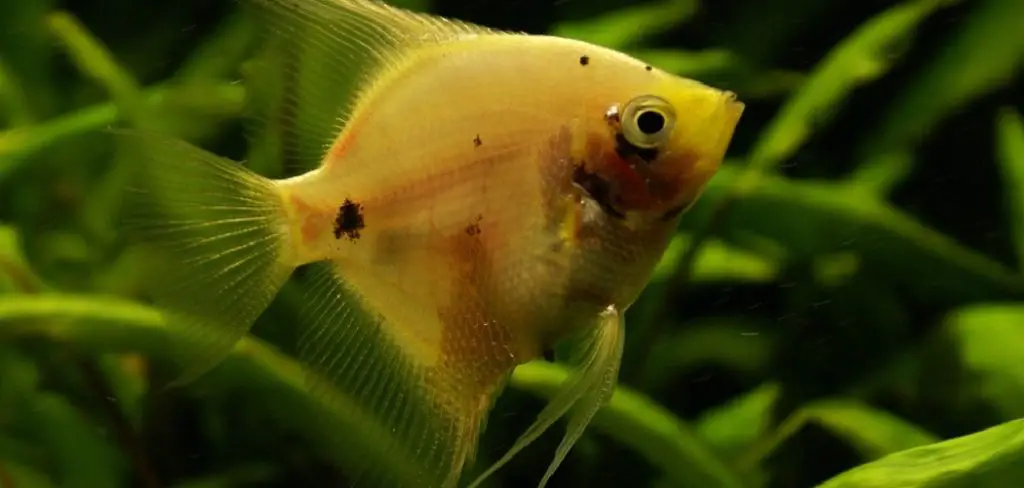
Understanding Why Fish Kills Happen
Before you can effectively prevent a problem, you must first understand its cause. While factors like disease or toxic runoff can certainly cause fish to die, the vast majority of large-scale fish kills in backyard ponds are due to hypoxia, or a severe lack of dissolved oxygen. Fish, like all animals, need oxygen to survive, and they breathe the oxygen that is dissolved in the water. The amount of oxygen that water can hold is directly related to its temperature; cool water can hold significantly more dissolved oxygen than warm water. This is why the hot summer months represent a particular danger zone for pond owners.
The Oxygen Cycle and Depletion
Oxygen enters a pond through two primary mechanisms: photosynthesis from aquatic plants and algae during the day, and atmospheric exchange at the water’s surface, which is aided by wind and water movement. This oxygen is then consumed by the fish through respiration, as well as by the vast number of aerobic bacteria that work to decompose organic matter like fallen leaves, fish waste, and dead algae. A fish kill occurs when the rate of oxygen consumption exceeds the rate of oxygen production. This imbalance can happen quickly, often overnight, leading to a catastrophic oxygen crash that can suffocate the entire fish population.
The Danger of Algal Blooms
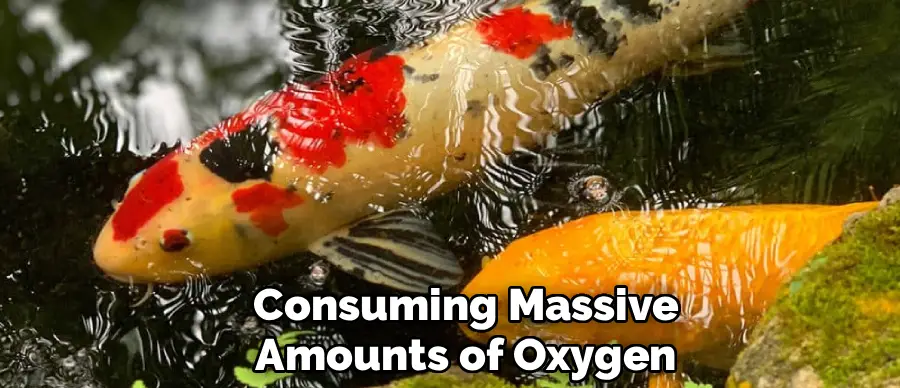
Algae can be a particularly deceptive threat. It is a common misconception that a pond full of green algae must be full of oxygen. While it is true that algae produce a great deal of oxygen via photosynthesis during sunny days, they do the exact opposite at night, consuming massive amounts of oxygen through respiration. An even greater danger occurs when a large algal bloom suddenly dies off, either naturally or due to a chemical treatment. As this massive amount of organic matter sinks and begins to decompose, the bacteria responsible for the decay consume nearly all the available dissolved oxygen in the water, creating a lethal, oxygen-depleted environment for the fish.
Recognizing Early Warning Signs
Fortunately, a pond rarely crashes without first showing signs of distress. By learning to recognize these early warning signs, you can take action to correct the imbalance before it becomes a disaster. Your fish’s behavior is often the most immediate and telling indicator that something is wrong with the water quality.
Fish Behavior to Watch For
The most classic and alarming sign of low oxygen is a behavior known as “piping.” This is when you see your fish congregating at the surface, gasping for air with their mouths. They are trying to breathe the thin, oxygen-rich layer of water right at the surface. This behavior is most common in the very early morning hours, as this is when dissolved oxygen levels are naturally at their lowest after a full night of consumption by plants and bacteria. Other behavioral cues include unusual lethargy, a sudden loss of appetite, or swimming weakly.
Visual and Olfactory Water Changes
Your senses of sight and smell can also alert you to potential problems. Pay attention to sudden changes in the water’s appearance. If your pond has been a consistent green color and suddenly turns clear or brown overnight, this often indicates a rapid algae die-off, which means a subsequent oxygen crash is likely imminent. Additionally, a healthy pond should have a fresh, earthy smell. If you detect foul odors, such as the smell of rotten eggs, it is a strong sign of anaerobic conditions (a complete lack of oxygen) at the bottom of the pond, where toxic gases are being produced.
Step-by-Step Guide: How to prevent fish kill in the pond
The best way to ensure the health of your pond is to follow a routine of proactive maintenance. This step-by-step guide provides a logical and actionable process designed to create a stable, well-oxygenated pond environment that is resilient to the sudden changes that can lead to fish kills.
Step 1: Test Your Water Parameters
You cannot manage what you do not measure. The first step in proactive pond care is to regularly test your water. Using a quality pond water test kit, you should check for key parameters like ammonia, nitrites, and pH. While most kits do not test for dissolved oxygen directly, high levels of ammonia and nitrites are often indicative of a struggling ecosystem with poor organic decomposition, which is linked to low oxygen. Knowing the baseline chemistry of your pond allows you to spot trends and address issues before they become critical.
Step 2: Set Up Proper Aeration
This is the single most important and effective action you can take to prevent a fish kill. An aeration system works by pumping air to a diffuser placed at the bottom of the pond. The rising column of bubbles circulates the entire water column, bringing deep, oxygen-poor water to the surface where it can release harmful gases and absorb fresh oxygen. This constant circulation eliminates stratification and ensures that the entire pond is a well-oxygenated, stable environment for your fish. This is not just a feature; it is a life-support system.
Step 3: Remove Excess Muck and Debris
The thick layer of sludge at the bottom of your pond, often called muck, is composed of decaying organic matter like leaves, fish waste, and dead plants. This decomposition process is a major consumer of dissolved oxygen. Therefore, physically removing this muck directly reduces the oxygen demand in your pond. Use a long-handled pond net to scoop out fallen leaves and debris regularly. For thicker sludge, a pond vacuum can be used to remove it without having to drain the pond. Reducing the “muck load” saves precious oxygen for your fish.
Step 4: Manage Plant Growth
While aquatic plants are a beneficial part of the ecosystem, excessive growth can become a problem. Overgrown submerged weeds and massive surface algae blooms contribute to the nightly oxygen dip and become a huge oxygen drain if they die off all at once. It is important to manage this growth proactively. Manually thin out overgrown plants and skim excess algae from the surface. If you must use an algaecide, use it sparingly and treat only a portion of the pond at a time. Never treat the entire pond at once, as killing too much vegetation simultaneously will almost certainly trigger a dangerous oxygen crash from the rapid decay.
Step 5: Implement a Feeding Schedule
Overfeeding is one of the most common mistakes pond owners make. The uneaten food sinks to the bottom, where it rots and adds to the organic load, consuming oxygen and releasing ammonia. A good rule of thumb is to only feed your fish an amount they can completely consume within about five minutes. Any food left after that time is excess. It is also beneficial to switch to a high-quality, low-waste fish food, which is more digestible and contributes less to the muck layer at the bottom of your pond.
The Vital Role of Aeration Systems
It is impossible to overstate the importance of proper aeration in preventing fish kills. It is the primary tool for maintaining a stable and healthy aquatic environment. However, it is crucial to understand the difference between aesthetic water features and functional life-support systems.
Fountains vs. Diffused Air Systems
Many people believe that a decorative fountain provides adequate aeration for their pond. While fountains are beautiful and do provide some benefit by splashing and circulating the surface water, their effect is very limited. They do little to aerate the deeper parts of the pond. A bottom-diffused aeration system, on the other hand, is far superior for life support. By releasing bubbles from the pond floor, it circulates the entire water column, preventing the dangerous stratification of oxygen-poor water at the bottom and ensuring a healthy, oxygen-rich environment from top to bottom.
Running Aeration 24/7
It is a critical mistake to turn off an aeration system at night to save electricity or reduce noise. Nighttime is precisely when your pond needs aeration the most. As discussed, plants and algae switch from producing oxygen to consuming it after the sun goes down, causing dissolved oxygen levels to drop steadily until sunrise. Running your aerator 24/7, especially during the hot summer months, is the most effective insurance policy you can have against a sudden overnight oxygen crash.
Managing Nutrients to Prevent Algae
The most effective long-term strategy for controlling algae is to cut off its food supply. Algae thrives on excess nutrients in the water, primarily nitrogen and phosphorus. By limiting these nutrients, you can naturally prevent the explosive algal blooms that lead to oxygen depletion.
Reducing Fertilizer Runoff
A major source of excess nutrients in backyard ponds is runoff from fertilized lawns. When you fertilize your lawn, a heavy rain can wash those nitrogen- and phosphorus-rich chemicals directly into your pond. To prevent this, avoid fertilizing right up to the pond’s edge. Create a “buffer zone” of at least 10 feet around the pond perimeter planted with native grasses or perennials. This buffer will help to absorb and filter the nutrients from runoff before they can enter the water.
Using Beneficial Bacteria
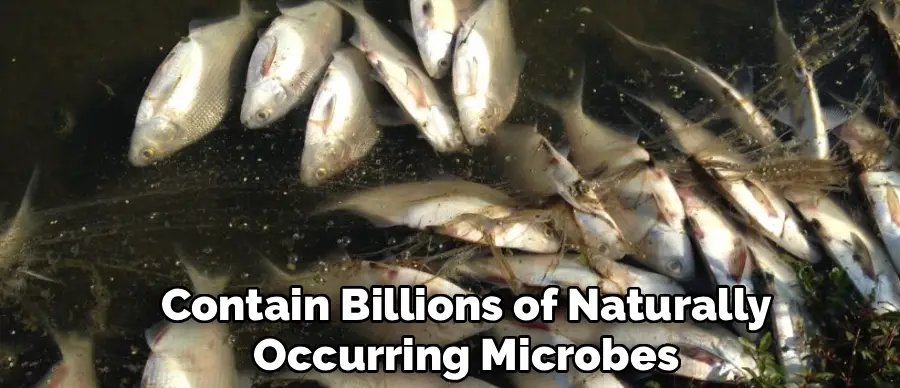
One of the best proactive maintenance tools is the regular addition of beneficial bacteria supplements. These commercially available products contain billions of naturally occurring microbes that are experts at breaking down organic sludge and consuming excess nutrients. By adding these bacteria to your pond on a regular schedule, you are essentially outcompeting the algae for its food source. This natural approach helps to reduce muck, improve water clarity, and create a more balanced ecosystem without the use of harsh chemicals.
Seasonal Strategies for Pond Safety
The risks to your pond’s oxygen levels change with the seasons. Understanding the specific threats associated with summer heat and winter ice will allow you to implement targeted strategies to keep your fish safe year-round.
Preventing Summer Oxygen Crashes
During hot summer weather, ponds can stratify into a warm, oxygen-rich top layer and a cold, oxygen-poor bottom layer. A sudden, heavy summer rainstorm can rapidly cool the surface, causing the pond to “turnover,” where these layers mix violently. This can instantly deplete the oxygen in the entire water column, causing a fish kill. A bottom-diffused aeration system is the best defense against this, as its constant circulation prevents this thermal stratification from occurring in the first place.
Avoiding Winterkill Under Ice
In cold climates, a condition known as “winterkill” can occur. When a pond freezes over completely, the ice creates a seal that prevents gas exchange with the atmosphere. As organic matter continues to decay under the ice, toxic gases like hydrogen sulfide get trapped, and oxygen cannot be replenished. The solution is to always maintain a small opening in the ice. This can be achieved with a floating pond de-icer, which uses a small heating element, or by running your aeration system, as the rising column of bubbles will keep an area ice-free.
What to Do in an Emergency
If you find your fish already piping at the surface, you are in an emergency situation and must act immediately to introduce oxygen into the water. These are temporary triage methods designed to save your fish while you address the underlying cause.
Temporary Agitation Methods
The goal is to agitate the water surface as much as possible to facilitate rapid oxygen transfer. You can do this by spraying water from a garden hose with a nozzle across the surface of the pond. If you have a portable sump pump, place it on a shelf and direct its output to create a temporary fountain. In a large pond, even running an outboard motor can provide the necessary agitation in a crisis.
Chemical Oxygen Boosters
For a rapid, but temporary, increase in dissolved oxygen, you can use an emergency oxygen powder. These products, which are often based on sodium percarbonate, release oxygen when they come into contact with water. While they are a valuable tool to have on hand for a crisis, they are not a long-term solution. They are an emergency measure to keep fish alive while you work to restore the pond’s natural balance, primarily by installing or fixing an aeration system.
Conclusion
The health and survival of your pond fish depend on a stable, well-oxygenated environment. The key to ensuring this stability is proactive management rather than reactive panic. By consistently monitoring your water quality, taking steps to control nutrient levels, and, most importantly, installing and running a proper bottom-diffused aeration system, you can prevent the conditions that lead to catastrophic fish kills.
Understanding how to prevent fish kill in the pond is about recognizing that your aeration system is not just an accessory; it is a vital insurance policy for the lives of your fish. We encourage you to review your current pond maintenance routine and check your aeration system today. A little proactive care will ensure your backyard pond remains a safe, beautiful, and thriving ecosystem for many seasons to come.

About
Outdoor Fixes is a distinguished figure in the world of Diy design, with a decade of expertise creating innovative and sustainable Diy solutions.
His professional focus lies in merging traditional craftsmanship with modern manufacturing techniques,
fostering designs that are both practical and environmentally conscious. As the author of diy,
outdoorfixes delves into the art and science of outdoorfixes-making, inspiring artisans and industry professionals alike.
Education RMIT University
(Melbourne, Australia) Associate Degree in Design (Outdoor Fixes) Focus on sustainable design, industry-driven projects,
and practical craftsmanship. Gained hands-on experience with traditional and digital manufacturing tools, such as CAD and CNC software.
Nottingham Trent University
(United Kingdom) Bachelor’s in outdoorfixes.com and Product Design (Honors) Specialized in product design with a focus on blending creativity with production
techniques. Participated in industry projects, working with companies like John Lewis and Vitsoe to gain real-world insights.
Publications and Impact
In diy, Outdoor Fixes his insights on indoor design processes, materials, and strategies for efficient production.
His writing bridges the gap between artisan knowledge and modern industry needs, making it a must-read for both budding designers and seasoned professionals.