
A muddy pond can be frustrating to look at, especially when you imagine clear water reflecting the sky and fish swimming happily below the surface. Cloudy, brown water often signals something out of balance, whether it’s stirred-up sediment, runoff from rain, or too many nutrients feeding algae. The good news is that fixing it doesn’t require fancy equipment or a science degree. With a little patience and the right approach, learning how to clear up muddy pond water becomes a manageable weekend project rather than an overwhelming chore.
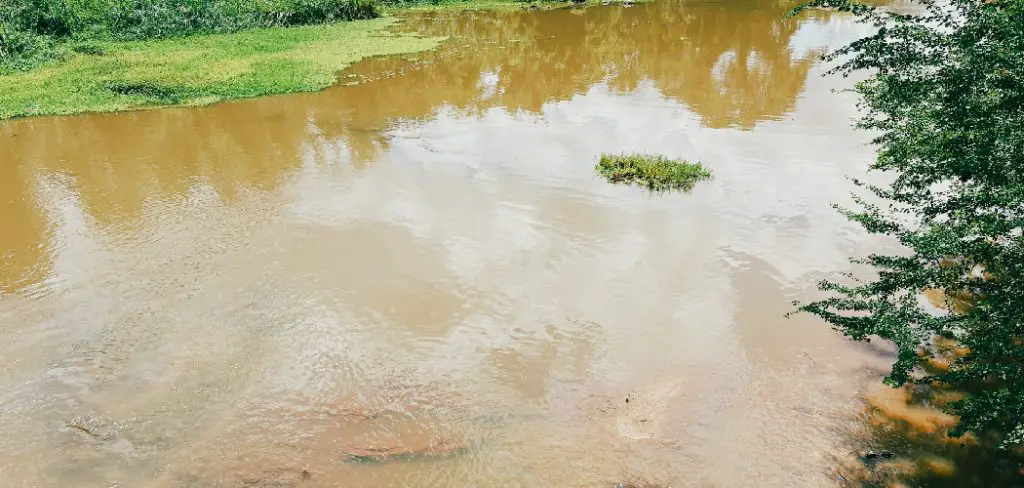
In this guide, we’ll walk through the most common causes of murky water and the practical steps you can take to restore clarity. You’ll discover simple techniques that work for backyard ponds, garden features, and even larger farm ponds. Each method is beginner-friendly and backed by proven results, so you can feel confident every step of the way. By the end, you’ll know exactly what’s clouding your water and how to bring back that healthy, sparkling look your pond deserves.
Why Clearing Up Muddy Pond Water Matters
Clear water isn’t just about looks, though a clean pond certainly adds beauty to any landscape. Cloudy water can harm the entire ecosystem living inside it. When sediment hangs in the water, it blocks sunlight, which underwater plants need to grow and produce oxygen. Low oxygen levels stress fish and can lead to illness or even fish loss.
Murky water also makes it harder to spot problems early, such as sick fish or failing equipment. On top of that, excess mud often points to deeper issues like erosion or poor filtration. Solving these problems protects your investment, supports healthy wildlife, and keeps your pond safe for swimming or fishing. A balanced, clear pond is a thriving pond that everyone can enjoy.
Step-by-Step Guide to How To Clear Up Muddy Pond Water
Step 1: Identify the Root Cause

Before reaching for any product, take time to figure out why your water turned cloudy in the first place. Walk around the pond and look for signs of erosion, runoff channels, or disturbed soil along the banks. Check whether fish like koi or catfish are constantly stirring up the bottom while feeding. Heavy rain, construction nearby, or too many bottom-dwelling creatures can all be culprits. Understanding the source saves you time and money, because treating the symptom without fixing the cause means the mud will return. Spend a few days observing, and you’ll gather the clues you need to choose the right solution.
Step 2: Test Your Water Quality
Once you suspect a cause, confirm it with a simple water test. Affordable test kits measure pH, ammonia, nitrates, and suspended solids, giving you a clear picture of what’s happening beneath the surface. Knowing your numbers helps you decide whether the problem is chemical, biological, or physical. For example, high nutrient levels often point to algae or fertilizer runoff, while clear chemistry with visible particles suggests pure sediment. Testing also creates a baseline you can compare against later, so you’ll know if your efforts are working. Think of it as a health checkup for your pond that guides every decision you make next.
Step 3: Stop Incoming Runoff
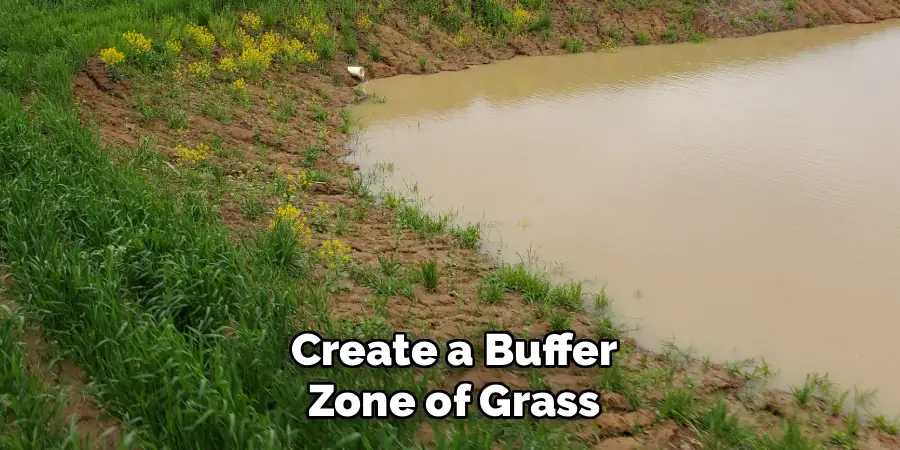
Many ponds stay muddy because dirty water keeps flowing in from surrounding land. After rain, soil, fertilizer, and debris wash downhill and settle into your pond. To break this cycle, create a buffer zone of grass, native plants, or mulch around the edges. These plants act like a natural filter, trapping sediment before it reaches the water. You can also build small berms or swales to redirect runoff away from the pond entirely. Reducing the flow of incoming mud is one of the most effective long-term fixes, and it dramatically lowers how often you’ll need to treat the water going forward.
Step 4: Add Beneficial Bacteria
Knowing how to clear up muddy pond water often comes down to biology. Beneficial bacteria break down organic waste, leftover food, and decaying plant matter that cloud the water and feed algae. You can buy these helpful microbes in liquid or pellet form at most garden and pond supply stores. Simply add them according to the package directions, usually during warmer months when bacteria are most active. Over a few weeks, these tiny workers digest the gunk at the bottom and improve overall water quality. It’s a gentle, natural approach that supports a balanced ecosystem without harsh chemicals or sudden shocks to your fish.
Step 5: Use a Pond Flocculant
When you need faster results, a flocculant can help. This product binds tiny suspended particles together so they grow heavy enough to sink to the bottom, leaving the water above noticeably clearer. Flocculants come as gypsum, alum, or commercial clarifiers, and each works slightly differently. Always follow the recommended dosage, since too much can stress fish or alter your water chemistry. Apply on a calm day and watch the magic happen within hours. While flocculants offer quick clarity, remember they treat the symptom rather than the cause, so pair them with the long-term fixes covered in earlier steps for lasting success.

Step 6: Improve Filtration and Aeration
Good circulation keeps water healthy and clear. Adding a properly sized filter removes debris and sediment, while an aerator pushes oxygen throughout the pond. Oxygen helps beneficial bacteria thrive and prevents the stagnant conditions that lead to murky, smelly water. Bottom-diffused aeration is especially effective because it gently mixes the entire water column without stirring up sediment. If you already own equipment, clean it regularly and check that it matches your pond’s size and volume. Upgrading your filtration and aeration setup might cost a bit upfront, but it delivers steady, reliable clarity that requires far less hands-on maintenance over time.
Step 7: Maintain a Regular Routine
The final piece in learning how to clear up muddy pond water is consistency. Clear water stays clear when you commit to ongoing care. Remove fallen leaves, trim overgrown plants, and avoid overfeeding fish, since excess food quickly becomes waste. Re-test your water every month or two and add bacteria as needed during the growing season. Keep an eye on your buffer zone and repair any erosion before it worsens. A simple maintenance schedule prevents most problems from ever taking hold. Treat these small habits as routine, and you’ll spend less time fixing your pond and more time enjoying it.

Frequently Asked Questions
How Long Does It Take for Pond Water to Clear?
The timeline depends on the cause and method you choose. Flocculants can produce visible results within hours, while beneficial bacteria may take two to four weeks to fully work. Sediment from heavy rain often settles naturally in a few days once runoff stops. For lasting clarity, expect a few weeks of consistent effort. Patience and regular maintenance always deliver the best, longest-lasting results.
Is Muddy Water Harmful to Fish?
Yes, prolonged murky water can stress and harm fish. Suspended particles clog gills, making it harder for fish to breathe, and reduced sunlight lowers oxygen levels in the water. Cloudy conditions also hide early signs of disease. While a temporary cloud after rain is usually harmless, ongoing muddiness deserves attention. Improving water quality protects your fish and keeps your entire pond ecosystem healthy and thriving.
Can I Use Hay or Barley Straw to Clear My Pond?
Barley straw is a popular natural option that helps control algae as it slowly decomposes. It won’t remove existing mud or sediment, but it does prevent new algae growth that contributes to cloudiness. Place a bale or two in mesh bags near moving water for best results. Keep in mind that barley straw works gradually, often taking several weeks, so use it alongside other proven clarity methods.
Why Does My Pond Turn Muddy After Rain?
Rain washes loose soil, leaves, and debris from surrounding land directly into your pond. This runoff stirs up sediment and adds new particles that cloud the water. Steep banks, bare soil, and poor drainage make the problem worse. Creating a buffer zone of plants and redirecting runoff with berms or swales dramatically reduces this issue. Addressing the surrounding landscape often solves repeated muddiness for good.
Do I Need Chemicals to Fix Cloudy Water?
Not always. Many ponds clear up using natural methods like beneficial bacteria, barley straw, improved aeration, and better runoff control. Chemicals such as flocculants offer fast results when you need them, but they aren’t required for long-term success. The best approach combines natural biological balance with good filtration and consistent maintenance. Start gently, monitor your progress, and reach for stronger treatments only when truly necessary.
Conclusion
Restoring clear water doesn’t have to feel overwhelming once you understand what’s causing the problem and which solutions actually work. By identifying the root cause, testing your water, stopping runoff, adding beneficial bacteria, and improving filtration, you set your pond up for lasting success. Quick fixes like flocculants help in a pinch, but real clarity comes from consistent care and a healthy, balanced ecosystem.
Now that you know how to clear up muddy pond water, it’s time to put these steps into action. Start with the method that fits your situation best, stay patient through the process, and commit to a simple maintenance routine. Before long, you’ll enjoy the beautiful, clear pond you’ve been working toward, complete with thriving fish, healthy plants, and water you can finally be proud of.

About
Outdoor Fixes is a distinguished figure in the world of Diy design, with a decade of expertise creating innovative and sustainable Diy solutions.
His professional focus lies in merging traditional craftsmanship with modern manufacturing techniques,
fostering designs that are both practical and environmentally conscious. As the author of diy,
outdoorfixes delves into the art and science of outdoorfixes-making, inspiring artisans and industry professionals alike.
Education RMIT University
(Melbourne, Australia) Associate Degree in Design (Outdoor Fixes) Focus on sustainable design, industry-driven projects,
and practical craftsmanship. Gained hands-on experience with traditional and digital manufacturing tools, such as CAD and CNC software.
Nottingham Trent University
(United Kingdom) Bachelor’s in outdoorfixes.com and Product Design (Honors) Specialized in product design with a focus on blending creativity with production
techniques. Participated in industry projects, working with companies like John Lewis and Vitsoe to gain real-world insights.
Publications and Impact
In diy, Outdoor Fixes his insights on indoor design processes, materials, and strategies for efficient production.
His writing bridges the gap between artisan knowledge and modern industry needs, making it a must-read for both budding designers and seasoned professionals.