
A thin, patchy St. Augustine lawn can feel like a slow puzzle, but the fix is more straightforward than most people expect. Learning how to make st augustine grass spread quickly comes down to giving the grass the right conditions so its runners, called stolons, race across the soil and knit into a thick, green carpet. St. Augustine grows by sending out these horizontal stems above ground, and each one roots down to create new shoots. When you support that natural habit with proper water, food, sunlight, and mowing, the lawn fills in faster than you might think.
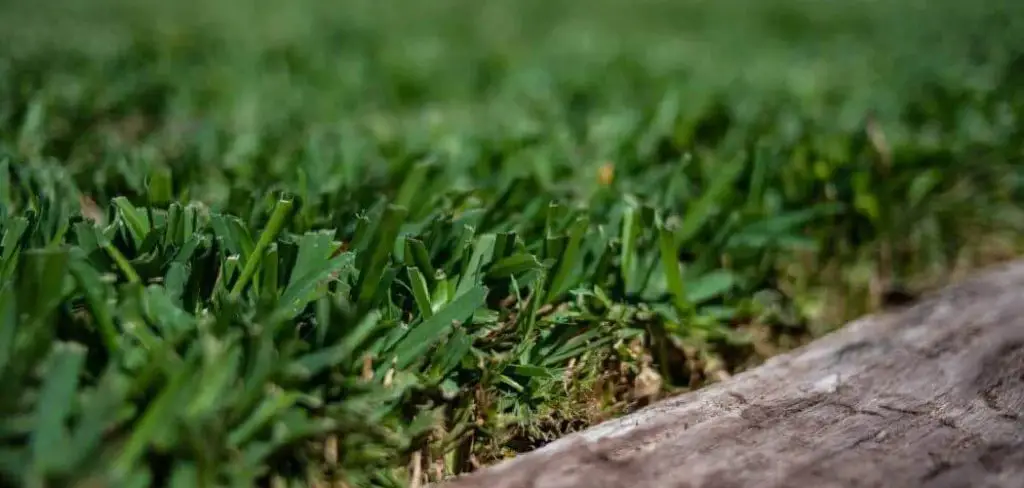
This matters because dense turf does more than look good. It shades out weeds, protects soil from erosion, stays cooler underfoot, and stands up better to pets, kids, and weather. Whether you just laid fresh sod, plugged in a few patches, or you are simply tired of bare spots, the steps ahead will guide you. You do not need a horticulture degree, just a clear plan and a little patience. Take it one stage at a time and watch your yard transform.
Why Spreading St. Augustine Faster Matters
Encouraging your turf to fill in quickly delivers real, lasting benefits beyond a tidy appearance. Thick grass crowds out weeds naturally, which means you spend less time and money on herbicides and hand-pulling. Dense coverage also shields bare soil from heavy rain, reducing erosion and muddy runoff around your home.
A full lawn cools the surrounding air and feels far more comfortable to walk on during hot months. Faster spread saves you cash too, since healthy runners fill gaps on their own instead of forcing you to buy more sod or plugs. Strong, established turf resists pests, disease, and foot traffic with greater ease. Best of all, a lush lawn boosts curb appeal and gives kids and pets a soft, safe place to play, making the effort well worth it.
Tools and Materials
To achieve a vibrant and durable lawn, having the right tools and materials is essential. Start with a high-quality lawn mower to maintain even grass height and promote healthy growth. For planting, you’ll need a rake for clearing debris and leveling the soil, along with a seed spreader to evenly distribute grass seed or fertilizer. Include a garden hose or sprinkler system to ensure consistent watering, especially during germination and dry periods.
High-quality grass seed or sod, lawn fertilizer, and soil amendments, such as compost or topsoil, are vital for nourishing the ground and encouraging strong root development. Additionally, a hand weeder or herbicide can help control unwanted plants, ensuring your lawn stays clear and healthy. Having the right tools not only simplifies the process but ensures your lawn thrives under proper care.

Step-by-Step Guide to How to Make St Augustine Grass Spread Quickly
Step 1: Test and Understand Your Soil
Before you change anything, get to know the ground beneath your grass, because healthy soil is the foundation of fast spread. Grab an inexpensive soil test kit from a garden center or send a sample to your local extension office. The results tell you the pH level and which nutrients your lawn lacks. St. Augustine prefers slightly acidic to neutral soil, generally in the 6.0 to 7.0 range, and grass struggles to absorb food outside that window.
Once you have your numbers, you can make smart adjustments instead of guessing. If the soil reads too acidic, a light application of lime brings it back up, while sulfur lowers a high pH. Compacted, clay-heavy ground also slows runners, so note the texture as you dig. Loosening dense soil and mixing in a thin layer of compost improves drainage and feeds beneficial microbes. This early detective work saves you from wasted fertilizer and frustration down the road, setting your lawn up to thrive.
Step 2: Water Deeply and Consistently
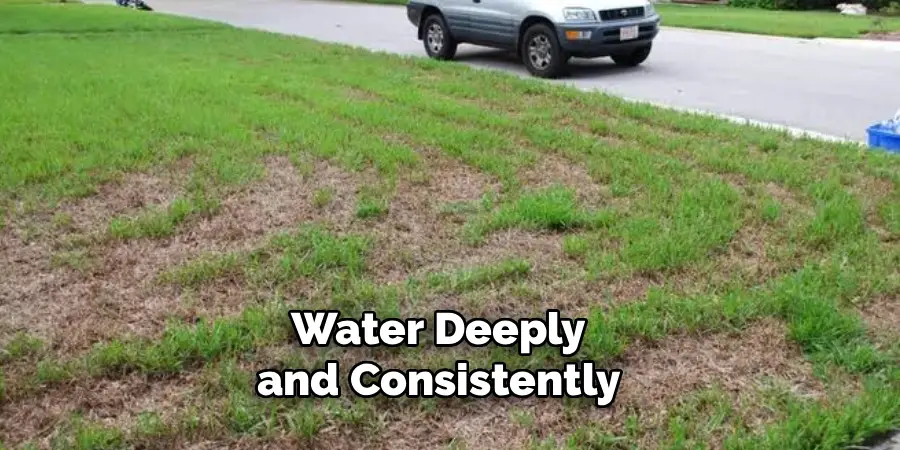
Water is the single biggest lever you can pull to push your grass to grow faster. St. Augustine loves moisture, and its runners need steady hydration to creep outward and root down at each node. Aim for about one inch of water per week, including rainfall, and adjust upward during hot, dry stretches. The trick is to water deeply rather than lightly, since shallow sprinkling encourages weak, surface-level roots that dry out quickly.
For the best results, water early in the morning so the blades dry before evening, which lowers the risk of fungal disease. Try soaking the soil to a depth of around six inches, then let the top layer dry slightly before the next session. This deep-and-infrequent rhythm trains roots to dig down and makes the whole lawn more drought-tolerant over time. Newly planted plugs or sod need gentler, more frequent watering at first, then you can stretch out the schedule as the grass establishes and the runners start reaching across bare patches.
Step 3: Feed With the Right Fertilizer
Proper feeding gives your lawn the fuel it needs to send out vigorous new runners. St. Augustine responds especially well to nitrogen, which drives the lush green growth and rapid spreading you want. Choose a quality lawn fertilizer with a higher first number on the bag, and apply it according to the label rate so you avoid burning the grass. During the active growing season, feeding every six to eight weeks keeps the momentum going.
Timing and balance matter just as much as the product itself. Start feeding in spring once the grass greens up and temperatures stay reliably warm, then continue through summer and taper off as fall arrives. A slow-release formula works wonderfully because it delivers a steady supply of nutrients rather than one quick, fleeting burst. Pair your fertilizer with iron supplements if blades look yellow despite good growth. Always water lightly after applying granular fertilizer so it dissolves and reaches the roots, and never feed stressed, bone-dry turf during a heat wave.
Step 4: Mow at the Correct Height
Mowing might seem like simple maintenance, yet it plays a surprising role in how fast your turf fills in. Cutting St. Augustine too short scalps the lawn, weakens the runners, and exposes soil to weeds and sun stress. Keep your mower blade set high, ideally between three and four inches, so the grass retains enough leaf surface to photosynthesize and pour energy into spreading sideways.
A sharp blade is just as important as the right height. Dull blades tear and shred the grass, leaving ragged edges that invite disease and slow recovery. Sharpen your mower blade at least once or twice a season for clean, healthy cuts. Follow the one-third rule, never removing more than a third of the blade length in a single pass, which prevents shock and keeps growth steady. Mowing regularly also encourages the plant to branch out and thicken rather than grow tall and leggy. Leave the clippings on the lawn when possible, since they return nitrogen and moisture back to the soil naturally.
Step 5: Maximize Sunlight Exposure
Sunlight is non-negotiable when you want quick, healthy spread, because grass converts that light into the energy that powers new growth. St. Augustine tolerates some shade better than many warm-season grasses, but it still craves at least four to six hours of direct sun each day. Thin, struggling patches under trees often point straight to a light shortage rather than a watering or feeding problem.
If shade is holding your lawn back, a little strategic pruning works wonders. Trim back low-hanging tree branches and thin out dense canopies to let more sunlight reach the ground below. Clear away leaves, debris, and any objects casting long shadows over bare areas. In spots that simply cannot get enough light, consider a shade-tolerant variety or accept slower fill-in there. Knowing how to make st augustine grass spread quickly means recognizing that even perfect water and fertilizer cannot fully replace sunshine. Give your runners the light they need, and they will reward you by stretching across the soil with noticeably more speed and vigor.
Step 6: Encourage and Direct the Runners
Once your grass is growing strong, you can actively help the runners colonize bare spots faster. St. Augustine spreads through above-ground stolons that root wherever they touch moist soil, so guiding them is easier than it sounds. Gently train loose runners toward empty patches and pin them down with a small landscape staple or even a rock. Keeping that contact point moist encourages it to root quickly and launch fresh shoots.
You can also speed things along by harvesting and replanting. Snip healthy runners with several nodes from thick areas, then plant them into prepared, loosened soil in the bare zones. Space these plugs or sprigs a few inches apart, water them well, and they will knit together over the coming weeks. This hands-on approach learning how to make st augustine grass spread quickly turns one dense corner into a source for the whole yard. Avoid disturbing newly rooted runners, and resist the urge to walk over fragile areas while the young growth is still anchoring itself into place.
Step 7: Manage Weeds and Pests
Weeds and pests steal the water, nutrients, and space your grass needs to spread, so keeping them in check protects your progress. The healthiest defense is a thick lawn that naturally crowds out invaders, but young, filling-in turf needs extra care. Pull weeds by hand when you spot them, and use a herbicide labeled safe for St. Augustine, since some common products can damage or kill this sensitive grass.
Pests deserve close attention too, especially chinch bugs and grubs, which feed on the very runners you are trying to grow. Watch for irregular brown patches that spread or grass that pulls up easily, both classic warning signs. Treat infestations promptly with the appropriate product and follow the directions carefully to avoid harming the lawn further. Fungal diseases like brown patch can also slow things down, so improve airflow and avoid evening watering. By staying alert and acting early, you keep your turf strong, undamaged, and free to focus all its energy on stretching across the open ground.

Step 8: Aerate and Topdress for Healthy Growth
Over time, soil compacts under foot traffic and rainfall, which squeezes out the air pockets roots depend on. Aerating relieves that pressure by pulling small plugs of soil from the lawn, opening channels for water, oxygen, and nutrients to reach the root zone. For St. Augustine, core aeration during the warm growing season works best, since the grass recovers quickly and spreads into the freshly opened spaces.
Pairing aeration with light topdressing takes your results even further. After aerating, spread a thin quarter-inch layer of quality compost or sandy loam across the surface and rake it in. This topdressing fills the holes, feeds the soil, and creates a smooth, nutrient-rich bed that runners love to root into. The combination improves drainage in clay soils and boosts moisture retention in sandy ones, giving you the best of both worlds. Avoid burying the grass blades under too much material, and water gently afterward to settle everything in. Done once a year, this simple routine keeps your soil loose, lively, and primed for fast, even spread.
Common Mistakes to Avoid
When maintaining your soil for optimal performance, it’s easy to make small missteps that could hinder your efforts. One of the most common mistakes is applying too much topdressing at once. Overloading the soil can suffocate the grass and create an uneven surface. Another error is skipping aeration before topdressing, which limits the material’s ability to settle properly and benefit the roots.
Additionally, using the wrong type of soil or compost can disrupt nutrient balance and soil structure. It’s also important to avoid skipping the step of watering afterward; neglecting this can leave the topdressing loose and ineffective. Finally, timing is crucial—spreading during extreme weather, such as very dry or rainy periods, can lead to wasted effort. By being mindful of these pitfalls, you’ll ensure a healthier, more resilient turf.
Frequently Asked Questions
How Long Does St. Augustine Grass Take to Fill In?
Under good conditions, St. Augustine can fill bare spots within several weeks to a couple of months. Warm temperatures, steady moisture, and proper feeding speed the process considerably. Newly planted plugs spaced a foot apart often knit together in one growing season. Patience helps, since rushing with too much fertilizer or water can stress the grass and actually slow the spread you want.
What Is the Best Time of Year to Encourage Spreading?
Late spring through summer is the ideal window, because St. Augustine is a warm-season grass that thrives in heat. Once soil temperatures stay reliably above 65 degrees, the runners grow most actively. Planting and feeding during this stretch gives your lawn the longest runway to establish before cooler weather arrives. Avoid major projects in late fall or winter, when growth naturally slows and recovery takes much longer.
Can I Speed Things Up With More Fertilizer?
Adding extra fertilizer is tempting, but more is not better and can backfire badly. Overfeeding burns the grass, encourages disease, and pollutes nearby water through runoff. Stick to the label rate and a steady schedule every six to eight weeks during the growing season. A balanced, slow-release product with adequate nitrogen produces stronger, more sustainable growth than heavy doses that shock the lawn and waste your money.

Why Are My Runners Growing on Top Instead of Rooting?
When stolons creep across the surface without rooting, the soil underneath is usually too hard, dry, or compacted. Runners root best when they meet loose, consistently moist ground at each node. Loosen the soil, keep it lightly watered, and gently pin stray runners down to encourage contact. Thatch buildup can also block rooting, so dethatch if a spongy layer has formed above the soil.
Does Mowing Help or Hurt the Spreading Process?
Proper mowing actually helps, as long as you keep the blade high and sharp. Cutting at three to four inches encourages the grass to branch sideways and thicken rather than stretch tall. Mowing too low scalps the lawn and weakens the runners you are trying to grow. Regular, gentle cuts with the one-third rule keep your turf healthy and focused on spreading across the soil.
Conclusion
Turning a thin, patchy yard into a thick green carpet is well within your reach once you understand what St. Augustine truly needs. Start by testing your soil, then water deeply, feed on a steady schedule, mow high with a sharp blade, and make sure the grass gets plenty of sunlight. From there, you can guide the runners, manage weeds and pests, and aerate to keep the soil loose and welcoming. Each step builds on the last, so trust the process and give your lawn time to respond.
Knowing how to make st augustine grass spread quickly is really about working with the grass’s natural habits rather than against them. Consistency beats quick fixes every single time, and small, regular efforts add up to dramatic results. Grab your soil test, set your sprinkler schedule, and pick one step to tackle this week. With a little patience and steady care, those bare spots will soon disappear beneath lush, healthy turf you can be proud of.

About
Outdoor Fixes is a distinguished figure in the world of Diy design, with a decade of expertise creating innovative and sustainable Diy solutions.
His professional focus lies in merging traditional craftsmanship with modern manufacturing techniques,
fostering designs that are both practical and environmentally conscious. As the author of diy,
outdoorfixes delves into the art and science of outdoorfixes-making, inspiring artisans and industry professionals alike.
Education RMIT University
(Melbourne, Australia) Associate Degree in Design (Outdoor Fixes) Focus on sustainable design, industry-driven projects,
and practical craftsmanship. Gained hands-on experience with traditional and digital manufacturing tools, such as CAD and CNC software.
Nottingham Trent University
(United Kingdom) Bachelor’s in outdoorfixes.com and Product Design (Honors) Specialized in product design with a focus on blending creativity with production
techniques. Participated in industry projects, working with companies like John Lewis and Vitsoe to gain real-world insights.
Publications and Impact
In diy, Outdoor Fixes his insights on indoor design processes, materials, and strategies for efficient production.
His writing bridges the gap between artisan knowledge and modern industry needs, making it a must-read for both budding designers and seasoned professionals.