
To bypass a lawn mower brake switch, find the safety switch near the brake pedal or clutch. Unplug the wiring harness, then bridge the two terminal leads with a short jumper wire. This closes the circuit, letting the engine crank without the pedal pressed down.
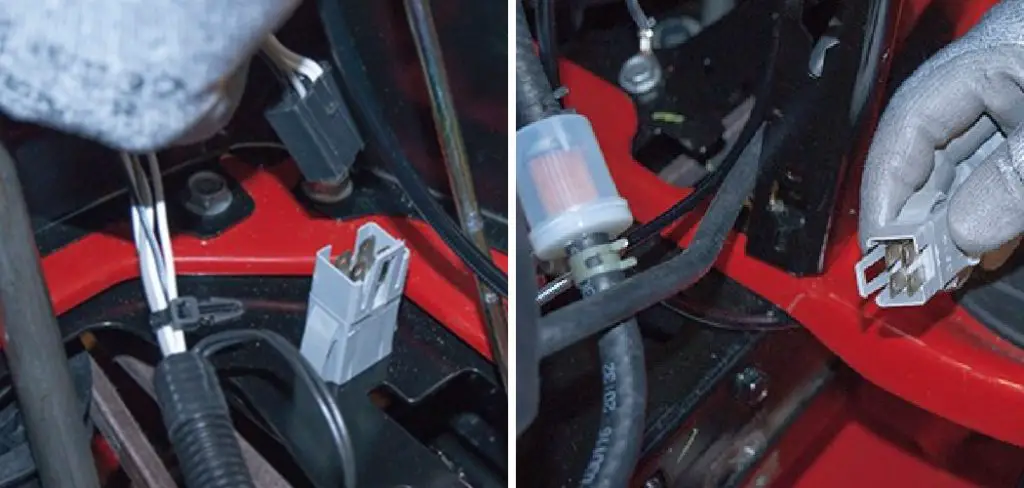
There’s a particular kind of frustration that comes with a mower that won’t start. You turn the key. Nothing. No crank, no cough, just silence—and a lawn that keeps growing whether you’re ready or not. Often, the culprit isn’t the engine at all. It’s a tiny brake safety switch that’s decided to quit.
When that switch fails, the mower assumes the brake pedal is never pressed, so it refuses to send power to the starter. Bridging the switch connection gets you running again, at least for now. Think of it as a stopgap, not a cure. It buys you time while the replacement part ships.
The work itself isn’t complicated. You’ll need a rough sense of how the ignition circuit behaves and a handful of common tools. What follows walks you through the whole process—safely, and without wrecking the wiring harness in the bargain. In this guide on how to bypass brake switch on lawn mower, we’ll provide step-by-step instructions on how to do this procedure safely and effectively.
Understanding the Lawn Mower Brake Safety Circuit
Before you touch any factory wiring, it helps to know what the brake switch actually does. It works as an interrupt. The switch blocks power from reaching the starter solenoid unless the brake pedal is pushed all the way down. Step on the pedal, a mechanical arm presses a plunger, the circuit closes, and voltage travels from the ignition switch straight to the starter motor.
Now, what happens when the switch goes bad? Dirt, moisture, or plain mechanical wear can leave the circuit stuck open. The mower then acts as though the pedal has never been touched. Turn the key and you get a dead ignition every time. Bypassing the switch closes that circuit by hand instead.
One caveat worth sitting with: these switches exist for a reason. They keep the machine from lurching forward unexpectedly. A bypass may be fine for diagnostics or a short emergency fix, but it removes a layer of protection that was built in deliberately. Keep that in the back of your mind throughout.
8 Step-by-step Guidelines on How to Bypass Brake Switch on Lawn Mower
Step 1: Gather the Necessary Tools and Safety Equipment
Start by pulling together everything you’ll need. Wire strippers. Electrical tape. A short length of insulated copper wire—14 to 16 gauge works well. Pliers and a decent pair of work gloves round it out. Keeping these within reach saves you from stopping halfway through with greasy hands.
Add safety glasses to the pile. They’ll shield your eyes from debris, stray battery acid, or the odd spark. Outdoor power equipment tends to hide sharp edges and grime under the chassis, so a tidy workspace and proper gear set you up for a cleaner job.
Step 2: Disconnect the Lawn Mower Battery
This is the step people skip and later regret. Cutting power before you touch any wiring prevents shocks and accidental shorts. The battery usually sits under the operator’s seat or beneath the front hood. Grab the right wrench or socket and loosen the nut on the negative cable—the one marked with a minus sign or colored black.
Pull the loosened cable clear of the terminal and tuck it somewhere it can’t spring back into contact. Removing the negative terminal first breaks the ground connection, which means no dangerous arc if your wrench happens to brush the chassis. Small habit, big payoff.
Step 3: Locate the Brake Safety Switch Mechanism
Finding the switch takes a bit of looking. Follow the metal rod or cable that runs off the back of the brake pedal down into the machine’s chassis. What you’re hunting for is a small black plastic box, roughly rectangular, with a push-button plunger and a wire connector plugged into the rear.
Where it lives depends on the make and model. Some are bolted right to the frame; others sit on a bracket near the transaxle. You might have to pull a deck shield or reach under the floorboards to see it clearly. Once you spot it, watch how the pedal presses against the plunger. That confirms you’ve got the right part.
Step 4: Remove the Wiring Harness from the Switch
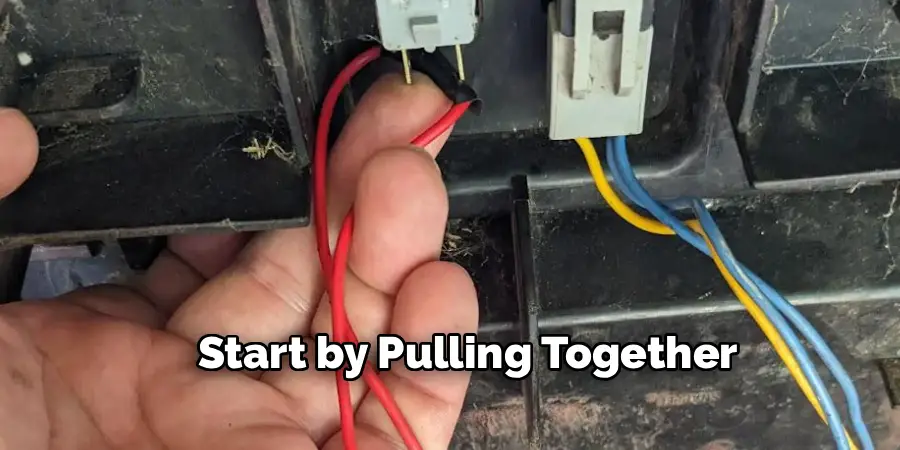
With the switch identified, unplug the wiring. Look at the plastic connector on the back—most have a small locking tab or retaining clip that stops the harness from shaking loose during use. Press that tab down with your thumb or a flathead screwdriver, then pull the connector straight back.
Resist the urge to yank on the wires themselves. That kind of pulling can tear the metal terminals out of their housing. If the connector feels glued in place by old grass clippings and dirt, rock it gently side to side until the grime gives. Once it’s free, you’ll see two female terminal slots inside the plug. Those control the ignition circuit.
Step 5: Prepare the Jumper Wire for the Bypass
Now build your jumper. Cut a piece of that insulated copper wire to roughly two or three inches—long enough to bend comfortably, short enough to stay tidy. Strip about a quarter-inch of insulation from each end with your wire strippers.
Twist the exposed copper strands tight on both ends so nothing frays when you push it in. This little wire is the whole trick: it convinces the mower the brake pedal is permanently held down. A few extra seconds spent stripping and twisting cleanly means a solid connection that won’t rattle apart once the engine fires.
Step 6: Insert the Jumper Wire into the Terminals
Line the finished jumper up with the harness connector you pulled off the switch. Push one stripped end firmly into the first female terminal slot. You want it seated deep, making real contact with the metal inside—that’s the path the current will follow.

Bend the wire into a small U-shape, then press the other end into the neighboring slot. With both slots linked, the circuit is closed and the broken switch is out of the equation. Before moving on, check that no stray copper strands poke out of the housing. A loose strand touching the frame is exactly how shorts start.
Step 7: Secure the Bypassed Connection
A jury-rigged wire dangling under a vibrating machine won’t last long. Protect it. Wrap the whole connector and the U-shaped jumper in several tight layers of good electrical tape. That tape seals out moisture, dust, and the corrosive odds and ends that drift around a yard.
Then take a zip tie and fasten the harness against the frame or alongside another thick bundle of wires. The point is to keep it from dropping into deck belts, steering linkages, or the brake pedal assembly. A snug, well-anchored connection holds up against the steady pounding of engine vibration.
Step 8: Reconnect the Battery and Test the Mower
Time to restore power. Reattach the black negative cable to its terminal and tighten the nut with your wrench. Before you climb aboard, sweep your eyes over the engine bay and moving parts—make sure no tools are left behind.
Settle into the seat, confirm the cutting blades are disengaged, and turn the key to start without pressing the brake. If the bypass took, the engine should crank and catch right away. One thing to hold onto here: the mower can now start and move in gear with no brake applied. That changes how the machine behaves, so stay sharp every time you operate it until the real switch is back in place.
Following these steps on how to bypass brake switch on lawn mower can be helpful in emergency situations where the switch is not working properly or if you need to move the mower without engaging the brake.
Common Mistakes to Avoid
A few errors crop up again and again. Skipping the battery disconnect can blow fuses or hand you a nasty shock. Reaching for a jumper wire that’s too thin—a higher gauge—risks the wire overheating and melting under load.
Tugging the harness by the wires rather than the plug tends to destroy the internal crimps. And leaving the bypass exposed to weather, with no tape, all but guarantees corrosion and eventual failure.

Frequently Asked Questions
Is It Dangerous to Bypass the Brake Safety Switch Permanently?
Yes, and manufacturers strongly advise against it. The switch stops the mower from starting while it’s in gear or poised to move, which protects you from a sudden lurch. A permanent bypass strips that protection away. Treat it as a temporary diagnostic measure only, in place until a proper replacement arrives.
Will Bypassing the Switch Void My Lawn Mower Warranty?
It very likely will. Cutting wires or installing a permanent jumper counts as modifying a factory safety feature, and dealership mechanics tend to spot these alterations during routine service. If your mower is still under warranty, it’s worth contacting the dealer for a proper switch replacement rather than going the bypass route.
What Should I Do if the Mower Still Won’t Start After the Bypass?
If the engine won’t crank even with the jumper correctly seated, the brake switch probably wasn’t the real problem. Look next at the starter solenoid, the ignition switch panel, and the main fuses for signs of damage. The seat safety switch is worth checking too—a fault there can also block the ignition from firing.
Can I Leave the Bypass in Place Long-Term?
You can, but it isn’t wise. The bypass keeps a built-in safeguard switched off, which raises the odds of an accident over time. It also tends to degrade as tape loosens and corrosion creeps in. Ordering and fitting a replacement switch restores the mower to how it was meant to run.

Taking Action on Your Mower Repairs
Bypassing the brake switch gives you a quick way to diagnose a stubborn starting problem and finish the yard work you came out to do. That said, running heavy machinery without its designed safety features asks more of you as an operator. Pay closer attention, and don’t get casual about it.
Order the replacement switch as soon as you’ve confirmed the diagnosis. Putting the mower back to factory spec is what keeps it dependable over the long haul—and keeps everyone around it safe. Thanks for reading this guide on how to bypass brake switch on lawn mower.

About
Outdoor Fixes is a distinguished figure in the world of Diy design, with a decade of expertise creating innovative and sustainable Diy solutions.
His professional focus lies in merging traditional craftsmanship with modern manufacturing techniques,
fostering designs that are both practical and environmentally conscious. As the author of diy,
outdoorfixes delves into the art and science of outdoorfixes-making, inspiring artisans and industry professionals alike.
Education RMIT University
(Melbourne, Australia) Associate Degree in Design (Outdoor Fixes) Focus on sustainable design, industry-driven projects,
and practical craftsmanship. Gained hands-on experience with traditional and digital manufacturing tools, such as CAD and CNC software.
Nottingham Trent University
(United Kingdom) Bachelor’s in outdoorfixes.com and Product Design (Honors) Specialized in product design with a focus on blending creativity with production
techniques. Participated in industry projects, working with companies like John Lewis and Vitsoe to gain real-world insights.
Publications and Impact
In diy, Outdoor Fixes his insights on indoor design processes, materials, and strategies for efficient production.
His writing bridges the gap between artisan knowledge and modern industry needs, making it a must-read for both budding designers and seasoned professionals.