
Nobody wants to interrupt a perfectly good watering session to wrestle with a stubborn kink. A kinked hose restricts water flow, puts stress on the hose material, and can quietly shorten the lifespan of an otherwise dependable tool. The good news? With a few smart habits and the right equipment, kinking is almost entirely preventable.
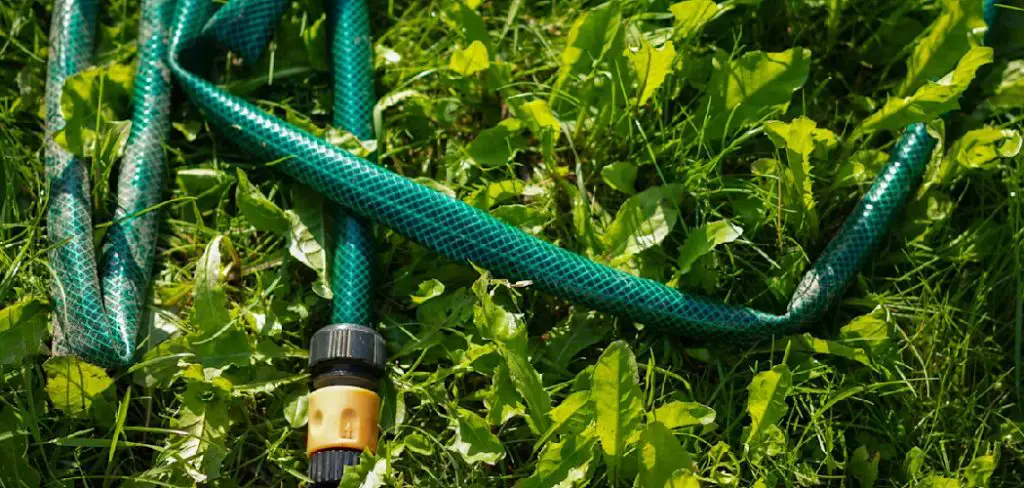
This guide on how to keep a hose from kinking walks you through nine practical, step-by-step strategies to keep your garden hose flowing freely—every single time.
Understanding Why Garden Hoses Kink
Kinking happens when a hose bends sharply enough to fold in on itself, cutting off the flow of water. It usually comes down to a combination of hose quality, storage habits, and how the hose is laid out during use.
Cheaper hoses made from thin or low-quality materials are far more prone to kinking than reinforced alternatives. Leaving a hose coiled tightly—or stored in a heap after use—trains it to hold those shapes, making kinks more likely the next time you unroll it. Temperature plays a role too. A hose left in the sun becomes pliable and prone to folding; a cold hose stiffens and resists lying flat.
Once you understand what causes a kink, stopping one before it starts becomes considerably easier.
9 Step-By-Step Guidelines on How to Keep a Hose from Kinking
Step 1: Choose the Right Hose for Your Needs
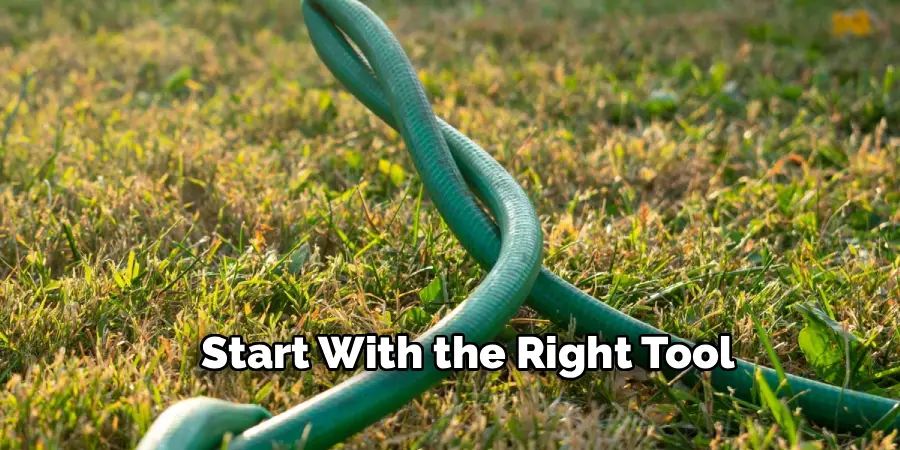
Start with the right tool. Look for hoses labeled “kink-resistant” or “no-kink”—these are typically built with multiple reinforced layers or an expanding inner core. Rubber hoses and reinforced vinyl options sit at the more durable end of the spectrum. They cost more upfront, but their flexibility and resistance to folding may well justify the expense, particularly if you’re using a hose several times a week.
Step 2: Select the Correct Hose Diameter
Hose diameter affects both water pressure and flexibility. A hose that’s too narrow for your water supply will be forced to work harder, which appears to increase the likelihood of kinks forming under stress. For most household garden tasks, a ⅝-inch diameter hose strikes a reasonable balance between flow rate and flexibility. Covering a large yard or working with higher water pressure? A ¾-inch hose could reduce that strain considerably.
Step 3: Uncoil the Hose Fully Before Use
Before turning on the tap, take a moment to fully uncoil and straighten the hose. Leaving sections coiled while water flows through significantly increases tension on those loops—and that tension almost always produces a kink somewhere along the line. Lay the hose out in a gentle, sweeping path rather than sharp corners or tight curves. A few extra seconds of preparation can spare you several frustrating interruptions mid-task.
Step 4: Use a Hose Reel for Proper Storage
A hose reel is one of the more effective tools for preventing kinks. It allows the hose to wind in a large, consistent loop rather than folding or bunching, which helps preserve the hose’s natural shape over time. Wall-mounted reels keep the hose off the ground and out of direct sunlight—both of which contribute to a longer service life. Freestanding reels with a guide arm are especially practical, helping the hose wind evenly without overlapping sections.
Step 5: Avoid Leaving the Hose Bent at Tight Angles
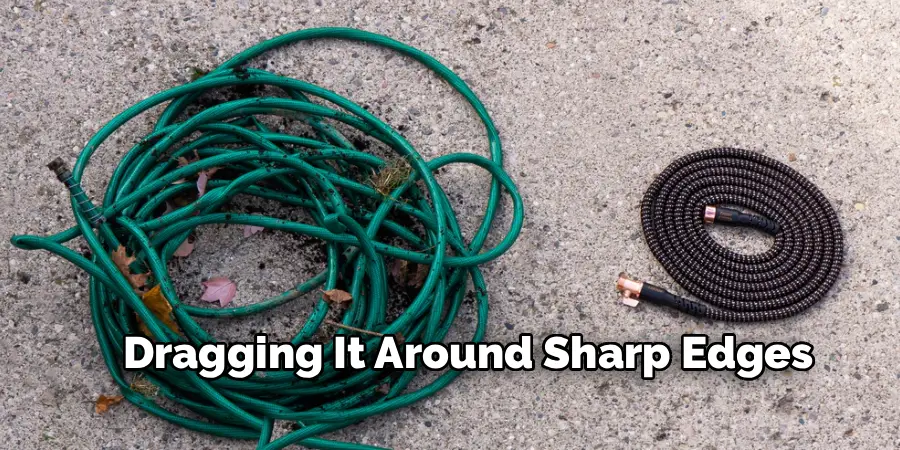
Pay attention to how the hose travels around corners, over pathways, or past garden beds. Dragging it around sharp edges is one of the more common causes of kinking during active use. If your garden layout requires navigating corners, hose guides—small stakes placed in the ground to redirect the hose in a smooth curve—can make a noticeable difference. They’re inexpensive and easy to reposition as your setup changes.
Step 6: Store the Hose in a Figure-Eight Pattern
No hose reel? Storing the hose in a figure-eight pattern is a practical alternative. This method alternates the direction of each loop, counteracting the natural twist that builds up in a standard coil. Left unchecked, a standard coil can develop a kind of muscle memory for certain bends—returning to them even after you’ve straightened the hose out. The figure-eight pattern distributes tension more evenly, helping the hose stay flat and relatively tangle-free.
Step 7: Warm Up a Cold Hose Before Use
Cold hoses—particularly those stored outside during cooler months—become stiff and far more likely to kink when forced into position. Before use, leaving a cold hose in the sun for 10 to 15 minutes or running warm water through it briefly may restore enough flexibility to make a real difference. This matters most in the early morning or during fall and spring, when overnight ground temperatures can drop enough to stiffen even a quality hose.
Step 8: Install a Hose Protector at the Spigot
The section of hose closest to the tap handles the most stress. Every time the hose pulls or changes direction, that force concentrates right at the connection point—which is why kinks most often appear within the first few feet of the spigot. A hose protector (sometimes called a hose saver or coil guard) is a coiled spring attachment that slips over this section and prevents it from bending too sharply. They’re inexpensive, widely available, and tend to make an immediate difference.
Step 9: Drain and Store Properly After Every Use
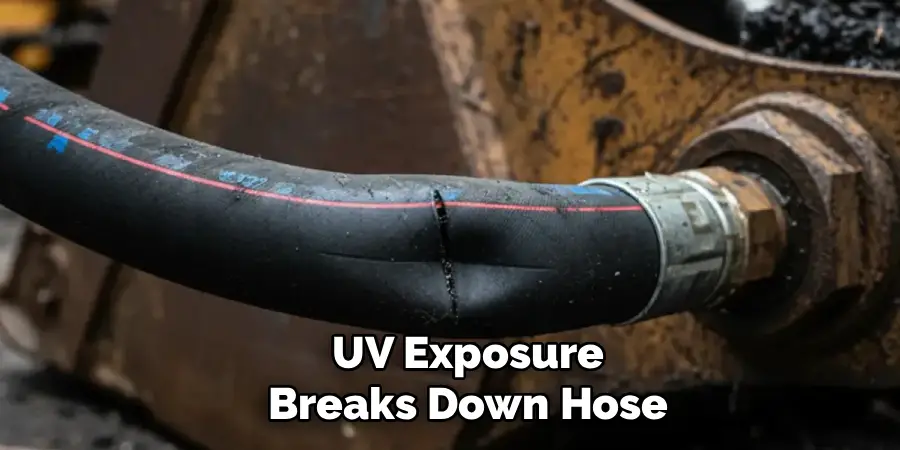
After each use, turn off the water at the tap and walk the length of the hose to let remaining water drain before storing it. Water left sitting in a hose adds weight, which can cause loops to flatten and create creases that eventually become permanent. Once drained, store the hose somewhere shaded and cool. Prolonged UV exposure degrades the outer material of most hoses—making them progressively more brittle, more prone to cracking, and ultimately more likely to kink.
Following these steps on how to keep a hose from kinking will not only prevent potential damage to your hose but also save you time and frustration in the long run. Additionally, proper storage and maintenance of your hose will extend its lifespan and ensure that it continues to function effectively.
In addition to these preventative measures, there are also a few tips for fixing a kinked hose. If you notice a kink in your hose, the first step is to carefully straighten out the kink by hand. Avoid pulling or tugging on the hose too much, as this can potentially cause further damage. Once the kink is straightened out, run water through the hose to flush out any remaining twists or creases.
Common Mistakes to Avoid
Even with good intentions, a few persistent habits can quietly undo your prevention efforts. Watch out for these:
- Yanking the hose to free a kink: This weakens the hose wall and makes that spot a recurring problem.
- Leaving the hose pressurized when not in use: Constant internal pressure stretches and stresses the material over time.
- Storing the hose in direct sunlight: UV exposure breaks down hose materials faster than most people expect.
- Coiling the hose too tightly: Small, tight loops create permanent bends that seem to attract future kinks.
- Using a hose that’s longer than you actually need: Extra length means extra opportunity for tangles, twists, and kinks to develop.
Frequently Asked Questions
Q1: Why Does My Garden Hose Keep Kinking in the Same Spot?
When a hose kinks repeatedly at the same location, that section has likely developed a “memory bend”—a weakened or creased area the hose defaults to folding at. This tends to happen near the spigot connection or where the hose regularly wraps around a fixed corner. A hose protector over the affected area can help. If the damage appears significant, replacing that section—or the entire hose—may be the more sensible long-term solution.
Q2: What Is the Best Type of Hose to Avoid Kinking?
Rubber hoses and multi-layer reinforced hoses are generally the strongest candidates for kink prevention. Rubber hoses stay flexible across a wider temperature range, while reinforced hoses use an inner mesh or braided layer to hold their shape under pressure. Expanding hoses—which shrink when empty and expand under water pressure—are popular for their kink-resistant design, though they tend to be less durable over time than rubber or reinforced alternatives.
Q3: Does Hose Length Affect How Often It Kinks?
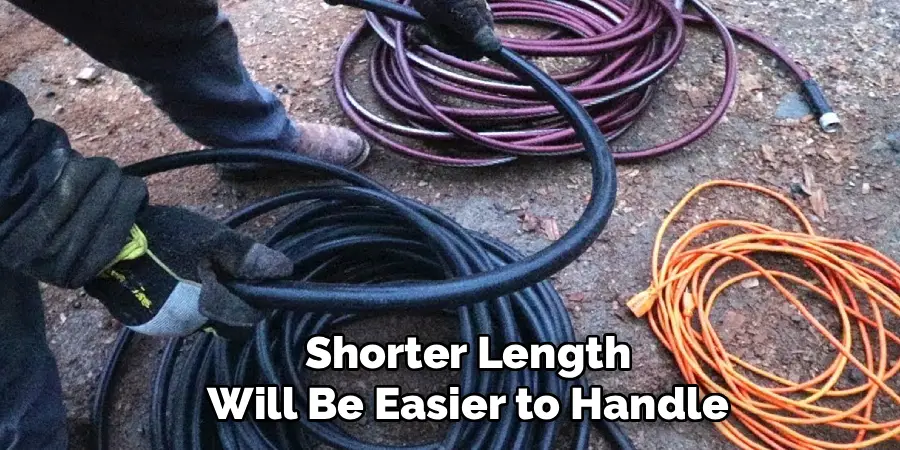
Yes. Longer hoses are more likely to kink simply because there’s more material to manage—and more opportunity for twisting, overlapping, or bending during use and storage. If your outdoor space doesn’t require a 100-foot hose, a shorter length will be easier to handle and considerably less prone to tangling. When extra reach is genuinely needed, connecting two shorter hoses is often more manageable than working with one very long one.
A Little Care Goes a Long Way
Preventing hose kinks mostly comes down to consistent habits and the right equipment. Choosing a quality hose, storing it properly on a reel, and being mindful of how it’s laid out during use will eliminate most kinking problems before they start.
Pick whichever step addresses your biggest current frustration—whether that’s storage, temperature management, or the spot near your spigot that always folds. Even a single change tends to produce a noticeable result. From there, the rest of the habits are easy enough to build on. Thanks for reading this guide on how to keep a hose from kinking.

About
Outdoor Fixes is a distinguished figure in the world of Diy design, with a decade of expertise creating innovative and sustainable Diy solutions.
His professional focus lies in merging traditional craftsmanship with modern manufacturing techniques,
fostering designs that are both practical and environmentally conscious. As the author of diy,
outdoorfixes delves into the art and science of outdoorfixes-making, inspiring artisans and industry professionals alike.
Education RMIT University
(Melbourne, Australia) Associate Degree in Design (Outdoor Fixes) Focus on sustainable design, industry-driven projects,
and practical craftsmanship. Gained hands-on experience with traditional and digital manufacturing tools, such as CAD and CNC software.
Nottingham Trent University
(United Kingdom) Bachelor’s in outdoorfixes.com and Product Design (Honors) Specialized in product design with a focus on blending creativity with production
techniques. Participated in industry projects, working with companies like John Lewis and Vitsoe to gain real-world insights.
Publications and Impact
In diy, Outdoor Fixes his insights on indoor design processes, materials, and strategies for efficient production.
His writing bridges the gap between artisan knowledge and modern industry needs, making it a must-read for both budding designers and seasoned professionals.