
Imagine a perfect summer evening filled with laughter, the sizzle of food on the grill, and shared moments with loved ones in a beautiful outdoor setting. A well-designed backyard serves as the ideal backdrop for creating these lasting memories, transforming from a simple patch of grass into the heart of your home’s social life. Creating this kind of space may seem like a grand undertaking, but it is an achievable and deeply rewarding project. This article will provide a complete guide on how to design a backyard for family gatherings, helping you transform any outdoor space into a functional, comfortable, and inviting hub for entertainment and connection.

The First Step: Defining Your Family’s Needs and Style
A successful backyard design begins not with materials, but with a clear understanding of how your family will use the space. Before you can create the perfect gathering spot, you need a vision. Think about the types of gatherings you love to host. Are they casual weekend barbecues with friends, lively birthday parties for the kids, or more formal alfresco dinners? The nature of your events and the typical number of guests you entertain will guide every decision you make, from the size of the patio to the amount of seating you need.
Assessing Your Space and Budget
With a vision in mind, it is time to ground your project in reality. Start by taking accurate measurements of your yard and creating a simple sketch. Note the location of existing features like trees, slopes, and the position of the sun throughout the day. At the same time, establish a realistic budget for the project. Knowing your financial and spatial constraints from the outset will help you make smart, focused decisions about your layout, materials, and features, ensuring your dream backyard does not become a source of stress.
Choosing a Design Theme
Your backyard should feel like a natural extension of your home, reflecting your family’s unique personality and style. Choosing a design theme can help create a cohesive and intentional look. You might be drawn to the cozy, welcoming feel of a rustic farmhouse retreat with natural wood and stone finishes. Perhaps a modern entertainment zone with clean lines, sleek furniture, and a minimalist color palette is more your speed. Or maybe a kid-centric fun park with durable surfaces and playful elements is the priority. Selecting a theme will guide your choices in furniture, plants, and decor, tying the whole space together.
Creating Zones for Different Activities
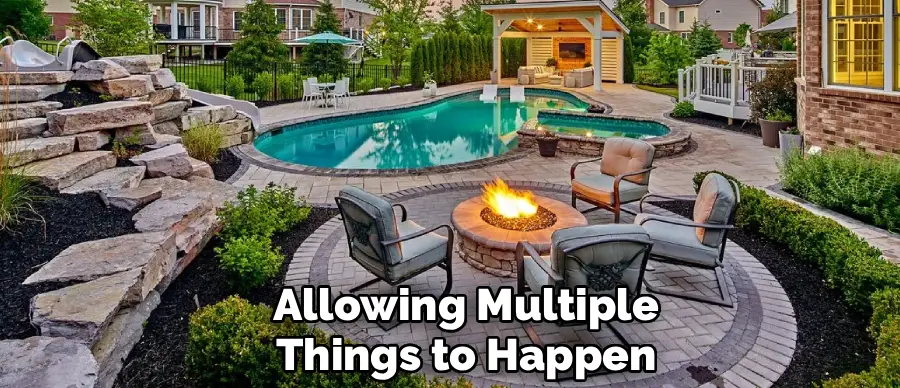
The secret to a highly functional and comfortable backyard for gatherings is the concept of “zoning.” This design strategy involves creating distinct areas for different activities, allowing multiple things to happen at once without guests feeling crowded or chaotic. Zoning ensures a smooth flow throughout the space, accommodating the diverse needs of your family and friends. A well-zoned yard might have a lively dining area, a separate tranquil spot for conversation, and an open space for kids to play freely.
The Core Zones: Dining, Lounging, and Playing
For most family gatherings, three primary zones form the backbone of the design. The dining zone is the hub for meals, centered around a table large enough to accommodate your typical guest list. The lounging zone is a more relaxed area designed for conversation, furnished with comfortable sofas or chairs where people can sit and talk. Finally, the play zone is an open, safe space for kids and adults alike to engage in games and activities. Thoughtfully arranging these three areas is the first step toward a versatile outdoor living space.
Connecting Zones with Pathways
Once you have established your zones, you need to connect them seamlessly. Clear, safe pathways guide foot traffic through the yard, preventing guests from cutting across the lawn or through garden beds. These paths can be constructed from materials like pavers or gravel for a formal look, or they can be more subtly defined with mown grassy routes. Pathways not only improve the flow and function of your backyard but also add to its visual structure, tying the different zones into a cohesive and unified landscape.
Step-by-Step Guide: How to Design a Backyard for Family Gatherings
With a solid plan in place, you are ready to bring your vision to life. This guide breaks down the design process into manageable steps, walking you through the creation of a functional and beautiful backyard from the initial layout to the final, welcoming touches.
Step 1: Create a Master Plan and Layout
Begin by sketching a master plan on paper or using a simple digital design tool. Based on your assessment of the yard, place your primary zones—dining, lounging, and play—in the most logical locations. For instance, the dining and cooking zone should ideally be close to the kitchen door for easy transport of food and supplies. The lounging area might be situated to catch the afternoon shade, while the play zone should be in a highly visible area that can be easily supervised from the other zones. This master plan will be your roadmap for the entire project.
Step 2: Establish the Dining and Cooking Hub
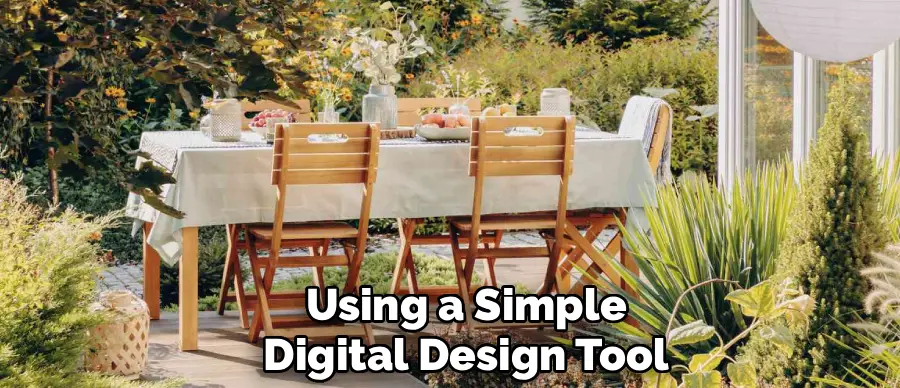
The dining and cooking hub is often the heart of any family gathering. Start by selecting a dining table and chairs that can comfortably accommodate your usual number of guests. When placing your cooking equipment, whether it is a simple freestanding grill or a more elaborate built-in barbecue island, ensure it is on a stable, non-combustible surface. It should have proper ventilation and be positioned a safe distance away from play zones and high-traffic pathways, preventing anyone from accidentally bumping into a hot surface.
Step 3: Design a Comfortable Lounging Area
This zone is all about relaxation and conversation. Arrange comfortable outdoor furniture, such as a sofa, a sectional, or a cluster of deep-seated armchairs, to create an inviting atmosphere. A key design principle here is to arrange the seating to encourage interaction. Placing furniture in a semi-circle or L-shape, often centered around a focal point like an outdoor coffee table or a fire pit, naturally draws people together and facilitates conversation, making it the perfect spot to unwind after a meal.
Step 4: Incorporate a Designated Play Zone
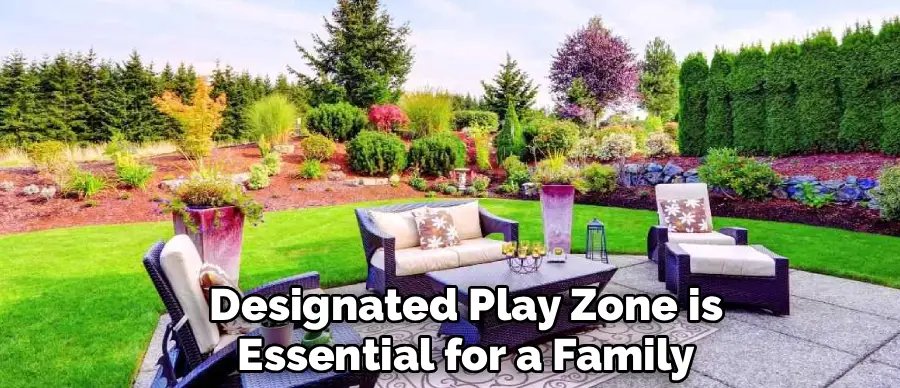
A happy gathering often means happy kids, and a designated play zone is essential for a family-friendly design. This area should be safe, durable, and, most importantly, fun. Consider using a soft surface like rubber mulch or well-maintained turf to cushion falls. You can incorporate features like a swing set, a sandbox, or simply leave a large, open lawn area for games like tag or frisbee. Crucially, position this zone where it can be easily seen and supervised from the adult lounging and dining areas.
Step 5: Layer in Lighting for Ambiance and Safety
Thoughtful lighting is what allows your gatherings to continue comfortably and safely long after the sun goes down. A good lighting plan uses multiple layers and types of light. Install brighter task lighting directly over the grill or food prep area for functionality. Use softer, ambient lighting, such as overhead string lights or “bistro lights,” to create a warm, magical glow over the dining and lounging areas. Finally, install low-voltage path lights along walkways and steps to ensure guests can move around safely in the dark.
Selecting Furniture That’s Both Stylish and Durable
Choosing the right outdoor furniture is a balancing act between finding pieces that match your style and ensuring they can withstand the rigors of weather and frequent use by family and guests. Investing in quality, durable furniture will pay off in longevity and comfort.
Weather-Resistant Materials
Look for furniture made from materials designed to hold up outdoors. Teak is a classic choice that naturally resists rot and insects, developing a beautiful silver patina over time. Powder-coated aluminum is lightweight, rustproof, and available in a wide range of modern styles. All-weather wicker offers the classic look of wicker but is made from a synthetic resin that resists fading, cracking, and moisture.
Flexible Seating Options
To easily accommodate gatherings of different sizes, incorporate flexible seating options into your design. In addition to your primary seating, consider pieces that can be easily moved or stored. Benches can seat more people than individual chairs. Ottomans can double as extra seats or side tables. Having a few stackable chairs stored away allows you to quickly add seating for unexpected guests without cluttering your space day-to-day.

Essential Features for Entertaining
Beyond furniture and plants, certain key features can elevate your backyard from a simple yard to a true entertainment destination. These elements are the investments that make gatherings more comfortable, memorable, and enjoyable for everyone.
A Fire Pit for Year-Round Enjoyment
A fire pit is a magnetic feature that creates a natural and inviting gathering spot. Whether it is a wood-burning pit for a rustic feel or a convenient gas-powered fire table for instant ambiance, the warmth and flickering light draw people together. A fire pit extends the usability of your backyard into cooler evenings and transitional seasons, making it a hub for roasting marshmallows, sharing stories, and relaxing year-round.
Shade Solutions for Daytime Comfort
In the height of summer, shade is not a luxury; it is a necessity. Providing ample protection from the sun ensures your backyard remains a comfortable and safe place to gather during the day. A large, high-quality cantilever umbrella offers flexible shade over a dining or lounging area. For a more permanent solution, a pergola can define a space and provide dappled shade, especially when covered with a retractable canopy or climbing vines. Shade sails offer a modern and stylish way to cool a specific zone.
Creating a Kid-Friendly and Safe Environment
When designing a backyard for family gatherings, the safety of the youngest guests is paramount. Integrating thoughtful safety features into your design ensures that parents can relax while children play freely and securely.
Soft Surfaces and Safe Play Equipment
In designated play zones, prioritize impact-absorbing surfaces. A thick, healthy lawn is a good start, but materials like rubber mulch or wood chips provide superior cushioning under swing sets and climbing structures. When selecting play equipment, always check for current safety ratings and ensure it is installed correctly according to the manufacturer’s instructions, on level ground and with proper clearance.
Securing Pools and Water Features
If your backyard includes a swimming pool or any significant water feature, safety is a non-negotiable priority. Local regulations almost always require a safety fence of a specific height with a self-closing, self-latching gate to prevent unsupervised access by young children. This is the single most important safety feature you can install to prevent tragic accidents.
Adding Greenery and Landscaping
Plants are the final layer that brings your backyard design to life, adding color, texture, and softness to the hardscape elements. For a gathering-focused yard, choose landscaping that is both beautiful and resilient. Focus on low-maintenance, hardy plants that can withstand occasional foot traffic and the occasional stray ball from a game of catch.
Using Plants to Define Spaces
Landscaping can be used to subtly reinforce your activity zones. A low hedge or a row of large, identical potted plants can create a soft, living border around a patio, defining it as a distinct “room” without building a physical wall. This technique enhances the structured feel of your layout while adding natural beauty.
Incorporating Edible Gardens
For a fun and interactive element, consider incorporating a small edible garden into your design. A raised bed filled with vegetables or a collection of pots with fresh herbs near the cooking zone is both practical and engaging. It provides fresh ingredients for your meals and offers a wonderful opportunity to teach children about where their food comes from.
Conclusion
Designing a backyard that serves as the perfect stage for family memories is a project built on thoughtful choices. The key principles involve creating functional zones for different activities, selecting durable and comfortable furnishings, ensuring the safety of all your guests, and adding elements of fun and ambiance like a fire pit and layered lighting.
By now, you know that learning how to design a backyard for family gatherings is ultimately about creating a flexible, welcoming, and resilient space that grows and adapts with your family over time. It is an investment in your home and, more importantly, in a lifestyle of connection and shared joy. We encourage you to start planning your perfect outdoor space today and get ready to make a lifetime of memories.

About
Outdoor Fixes is a distinguished figure in the world of Diy design, with a decade of expertise creating innovative and sustainable Diy solutions.
His professional focus lies in merging traditional craftsmanship with modern manufacturing techniques,
fostering designs that are both practical and environmentally conscious. As the author of diy,
outdoorfixes delves into the art and science of outdoorfixes-making, inspiring artisans and industry professionals alike.
Education RMIT University
(Melbourne, Australia) Associate Degree in Design (Outdoor Fixes) Focus on sustainable design, industry-driven projects,
and practical craftsmanship. Gained hands-on experience with traditional and digital manufacturing tools, such as CAD and CNC software.
Nottingham Trent University
(United Kingdom) Bachelor’s in outdoorfixes.com and Product Design (Honors) Specialized in product design with a focus on blending creativity with production
techniques. Participated in industry projects, working with companies like John Lewis and Vitsoe to gain real-world insights.
Publications and Impact
In diy, Outdoor Fixes his insights on indoor design processes, materials, and strategies for efficient production.
His writing bridges the gap between artisan knowledge and modern industry needs, making it a must-read for both budding designers and seasoned professionals.