
For many of us, our pets are cherished members of the family. Our homes are their homes, and that includes the backyard. This outdoor space is more than just a patch of grass; it is a crucial extension of their world, a place for them to play, explore, and relax safely. As pet owners, we naturally want to provide the best possible environment for our furry companions, and transforming the yard into a space that is both enjoyable and secure is a top priority. This article will serve as your complete guide on how to make a backyard pet-friendly, covering the essential aspects of safety, enrichment, comfort, and cleanliness to create a true haven for your four-legged friends.

The Foundation of a Pet-Safe Yard: Secure Fencing
The absolute, non-negotiable first step in creating a safe outdoor space for your pet is ensuring it is securely enclosed. A reliable fence provides peace of mind, preventing your pet from wandering into traffic or getting lost while keeping other animals out. The type of fencing you choose should be based on the size, temperament, and abilities of your pet. A small, calm dog may be contained by a simple picket fence, but a large, athletic breed or a skilled climber will require a more substantial barrier.
Choosing the Right Fence Height and Material
When selecting a fence, height is a primary consideration. For most medium to large dogs, a six-foot fence is the standard recommendation to prevent them from jumping over. Materials like solid wood or vinyl offer excellent security as they eliminate footholds and visual stimuli that might encourage a dog to try to escape. Chain-link is a durable option, but be aware that determined dogs can sometimes use the links to climb. It is essential to choose a fence that is not only tall enough but also solid and in good repair, with no loose boards or gaps.
Preventing Digging and Escapes
Some dogs are natural “escape artists” who prefer to go under a fence rather than over it. If you have a dedicated digger, you will need to reinforce the base of your fence line. One effective method is to bury chicken wire or hardware cloth at least a foot deep along the fence’s base, angled inward in an “L” shape. This creates an underground barrier that deters digging. Alternatively, placing large rocks, decorative pavers, or a concrete footer along the interior base of the fence can also effectively block escape routes.
Creating a Toxin-Free Environment: Non-Toxic Plants and Landscaping
One of the most overlooked dangers in a backyard is the presence of toxic plants. Many common and beautiful garden plants can be poisonous to cats and dogs if ingested, causing anything from mild digestive upset to severe illness or even death. Before adding any new plants to your landscape or allowing your pet to roam freely, it is critical to research what is growing in your yard and to choose only pet-safe options moving forward.

Safe Plants for a Pet-Friendly Garden
Creating a beautiful and pet-safe garden is entirely possible. Many stunning plants are non-toxic to cats and dogs. For vibrant color, consider planting Snapdragons, Zinnias, or Sunflowers. For interesting textures and ground cover, wide varieties of ferns and ornamental grasses are safe choices. Herbs like rosemary and thyme are generally safe and add wonderful fragrance. For your feline friends, planting a patch of Catnip or Catmint can provide a source of enrichment and enjoyment.
Identifying and Removing Common Toxic Plants
It is equally important to be able to identify and remove common plants that pose a significant threat. Some of the most dangerous backyard toxins include all parts of the Sago Palm, lilies (especially for cats), Oleander, Azaleas, Rhododendrons, and Tulips. If you are unsure about a plant in your yard, it is best to err on the side of caution and remove it. The ASPCA maintains an extensive and searchable database of toxic and non-toxic plants, which is an invaluable resource for any pet-owning gardener.
Step-by-Step Guide: How to Make a Backyard Pet-Friendly
Creating a truly functional and enjoyable pet-friendly yard involves more than just ensuring safety; it is about thoughtfully designing the space to meet your pet’s needs. This practical walkthrough will guide you through setting up key zones and features that build upon each other to create a comprehensive and harmonious outdoor environment for your companion.
Step 1: Designate a Potty Area
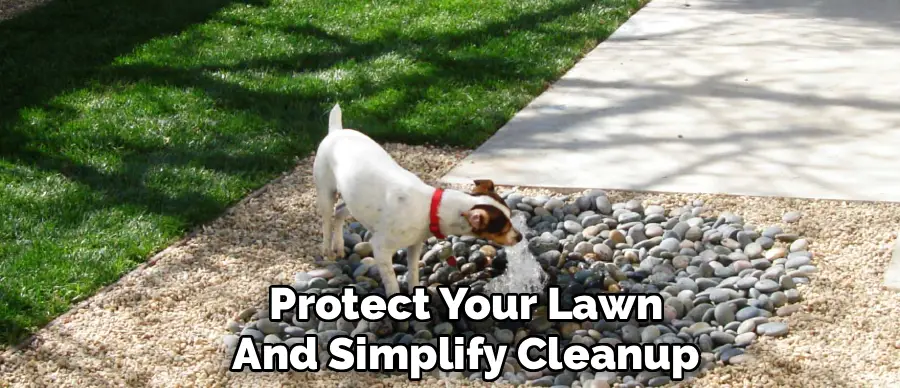
One of the most effective ways to protect your lawn and simplify cleanup is to designate a specific potty area. Choose a spot in the yard that is somewhat out of the way and train your pet to use it exclusively. You can define this area with a low border and fill it with a pet-friendly substrate like pea gravel or cedar mulch. The key to success is positive reinforcement. Consistently lead your pet to the spot on a leash and reward them with praise and treats when they use it. This simple step helps keep the rest of your yard clean and green.
Step 2: Create Paths and Patrol Routes
Dogs, in particular, have an instinct to patrol the perimeter of their territory. If you do not provide a clear path, they will create their own, often resulting in a worn, muddy track along your fence line. You can work with this natural behavior by creating intentional pathways for them. Use durable, pet-friendly materials like smooth flagstone, pavers, or a few inches of mulch to create defined routes. This not only saves your lawn but also gives your pet a designated course for their daily patrols.
Step 3: Set Up a Hydration and Cooling Station
Pets can easily become dehydrated, especially during active play on warm days. It is crucial to provide constant access to fresh, clean water in your backyard. Set up a hydration station in a shaded, easily accessible area. Choose a heavy, tip-proof bowl to prevent spills. For hot climates, consider upgrading your cooling station. A small, durable splash pool can provide a fun way for water-loving dogs to cool off, while a pet-activated water fountain ensures a constant supply of fresh, cool water on demand.
Step 4: Provide Adequate Shade
Just like humans, pets need protection from the sun to prevent overheating and heatstroke. A doghouse can provide shelter, but it can also become hot inside. The best source of shade is natural and allows for airflow. Assess your yard for existing shade from large trees or a covered patio. If your yard is mostly sunny, you must add shade deliberately. A strategically placed shade sail, a sturdy outdoor umbrella, or planting a fast-growing, non-toxic tree can create a comfortable, cool spot for your pet to rest during the hottest parts of the day.
Step 5: Incorporate Enrichment and Play Zones
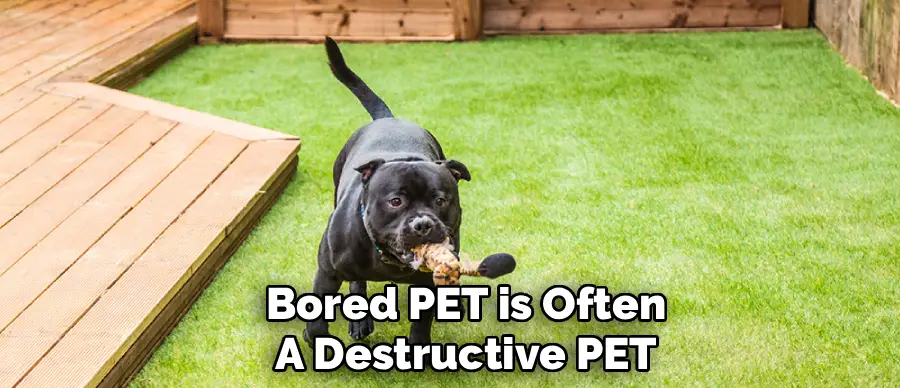
A pet-friendly backyard should stimulate your pet’s mind as well as their body. A bored pet is often a destructive pet. Create a designated zone for enrichment and play to channel their energy positively. For dogs, this could include an open area of durable turf for fetching, a sandbox for sanctioned digging, or even some simple, sturdy agility equipment like a tunnel or a low jump. For cats, a secure “catio” with climbing structures and perches provides the ultimate safe outdoor experience.
Choosing Pet-Safe Lawn Care and Pest Control
A lush green lawn is often the centerpiece of a backyard, but traditional lawn care products can be a minefield of toxins for pets. Fertilizers, pesticides, and herbicides can cause serious harm if ingested or absorbed through the paws. It is essential to adopt a pet-safe approach to lawn care and pest control to protect your companion’s health.
Organic Lawn Treatment Options
Instead of chemical fertilizers, opt for organic, pet-safe alternatives. Compost is an excellent natural fertilizer that enriches the soil without introducing harmful substances. Many lawn care brands now offer organic or “pet-friendly” fertilizer formulas that are safe for use around animals. A healthy lawn is the best defense against weeds, so focus on building strong soil health naturally.
Natural Pest Deterrents
You can also manage common yard pests like fleas, ticks, and mosquitoes without resorting to harsh chemical sprays. Cedar mulch is a wonderful choice for garden beds and pathways as its scent naturally repels insects. Planting herbs like rosemary, mint, and lemongrass can also help deter pests. For grub control in the lawn, beneficial nematodes are a microscopic, pet-safe organism that can be applied to the soil to control grub populations naturally.
Building Designated Zones for Pet Activities
By understanding and accommodating your pet’s natural behaviors, you can create a more harmonious backyard for everyone. Building designated zones for specific activities like digging or lounging helps manage your pet’s impact on the yard and provides them with targeted enrichment.
Creating a “Dig Pit”
If you have a dog that loves to dig, fighting this instinct is often a losing battle. A far more effective approach is to redirect it. Build a designated “dig pit” by constructing a simple wooden frame or using a child’s sandbox and filling it with sand. Bury toys or treats in the pit to encourage your dog to dig there, and praise them when they do. This gives them a fun, appropriate outlet for their natural behavior, saving your garden beds and lawn.
A Secure “Catio” for Feline Friends
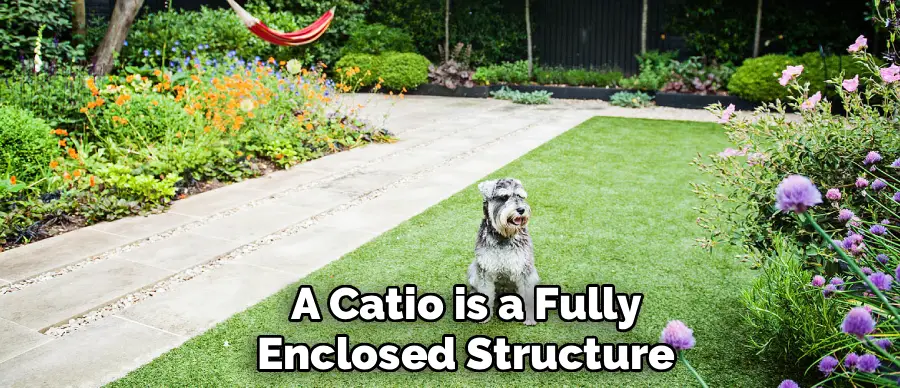
For cat owners, a “catio” (cat patio) is the perfect solution for providing safe outdoor access. A catio is a fully enclosed structure, often attached to a window or door, that allows cats to experience the fresh air and sounds of the outdoors without the risks of free-roaming, such as traffic, predators, or getting lost. These enclosures can be simple window boxes or elaborate screened-in porches, complete with climbing shelves, scratching posts, and comfortable perches.
Managing Pet Waste Effectively
Maintaining a clean yard is crucial for the health and hygiene of both your family and your pets. Accumulated pet waste can kill grass, attract pests, and harbor harmful bacteria and parasites. Establishing a simple and effective waste management routine is a key part of a pet-friendly backyard.
Waste Disposal Systems
While bagging waste is the most common method, other systems can make the process more convenient and sanitary. In-ground pet waste digesters work like miniature septic systems, using enzymes and bacteria to break down waste safely underground. Alternatively, using a dedicated, covered waste bin with a liner can help control odor and keep the waste contained and out of sight until trash day.
Establishing a Cleanup Routine
The key to managing pet waste is consistency. Make it a habit to scoop the yard at least once a day, or even after each time your pet goes out. A quick, regular cleanup prevents waste from accumulating, protects your lawn from burn spots, and ensures the yard is always a pleasant and hygienic space for playing and relaxing.
Comfort and Relaxation for Your Pet
Just as you enjoy a comfortable place to relax in the backyard, so does your pet. Providing them with their own designated spot for lounging and napping makes the yard a more comfortable and inviting place for them to spend their time.
Comfortable Lounging Spots
Consider adding an outdoor pet bed in a shaded, protected area. A raised cot-style bed is an excellent choice as it allows for air circulation underneath, keeping your pet cool and off the damp or hot ground. Placing this comfortable spot near your own patio furniture ensures your pet can relax close to their favorite people.
Conclusion
Creating a backyard that is a true paradise for your pet is a rewarding endeavor that strengthens the bond you share. It is about thoughtfully combining security, safety from toxins, and engaging enrichment with simple comforts.
The core components—a secure fence, non-toxic landscaping, designated zones for pet activities, and safe amenities—all work together to build a harmonious environment where both pets and people can thrive. Knowing how to make a backyard pet-friendly is about making intentional choices that cater to the well-being and happiness of your cherished companion. We encourage you to start implementing these changes to build the ultimate outdoor haven for your best friend.

About
Outdoor Fixes is a distinguished figure in the world of Diy design, with a decade of expertise creating innovative and sustainable Diy solutions.
His professional focus lies in merging traditional craftsmanship with modern manufacturing techniques,
fostering designs that are both practical and environmentally conscious. As the author of diy,
outdoorfixes delves into the art and science of outdoorfixes-making, inspiring artisans and industry professionals alike.
Education RMIT University
(Melbourne, Australia) Associate Degree in Design (Outdoor Fixes) Focus on sustainable design, industry-driven projects,
and practical craftsmanship. Gained hands-on experience with traditional and digital manufacturing tools, such as CAD and CNC software.
Nottingham Trent University
(United Kingdom) Bachelor’s in outdoorfixes.com and Product Design (Honors) Specialized in product design with a focus on blending creativity with production
techniques. Participated in industry projects, working with companies like John Lewis and Vitsoe to gain real-world insights.
Publications and Impact
In diy, Outdoor Fixes his insights on indoor design processes, materials, and strategies for efficient production.
His writing bridges the gap between artisan knowledge and modern industry needs, making it a must-read for both budding designers and seasoned professionals.