
Maintaining your swimming pool is about more than just keeping it clean; it’s about creating a safe and comfortable environment for everyone. A key part of this is managing the water chemistry, specifically the pH and total alkalinity. When these levels are too high, you often need to add an acid to bring them back into the ideal range.
Muriatic acid is a powerful and effective solution for lowering pH and alkalinity, but its strength requires careful handling and precise measurement. Using the right amount is crucial for achieving balanced water without causing damage to your pool surfaces or equipment. This guide on how to measure muriatic acid for pool will walk you through the process, ensuring you can confidently and safely use muriatic acid to keep your pool water perfect.

Understanding pH Levels in Pool Water
The pH level of your pool water is a measure of its acidity or basicity, on a scale from 0 to 14. A pH of 7 is neutral, anything below 7 is acidic, and anything above 7 is basic (or alkaline). For a swimming pool, the ideal pH range is between 7.4 and 7.6. This narrow window is important for several reasons. First, it ensures the swimmer’s comfort. Water that is too acidic can cause skin and eye irritation, while water that is too alkaline can also lead to similar discomfort.
Maintaining the proper pH also directly impacts the effectiveness of your chlorine. When pH levels are too high, chlorine becomes less efficient at sanitizing the water, meaning you’ll need to use more of it to combat algae and bacteria. Over time, high pH can also cause scaling on pool surfaces and equipment, leading to cloudy water and potential damage to your pump and filter system. Conversely, low pH water is corrosive and can damage metal components like ladders, light fixtures, and heat exchangers. Therefore, regular testing and adjustment are fundamental parts of responsible pool ownership.
Tools and Materials You May Need
- Pool water test kit
- pH increaser and decreaser
- Alkalinity increaser and decreaser
- Chlorine or other sanitizer
- Calcium hardness increaser (if necessary)
- Stabilizer/conditioner (if using chlorine as a sanitizer)
- Shock treatment (as needed)
- Pool brush, skimmer net, and vacuum
- Water clarifier or flocculant (if needed)
- Instruction manual for your specific pool equipment
8 Simple Step-By-Step Guidelines on How to Measure Muriatic Acid for Pool
Step 1: Test Your Pool Water
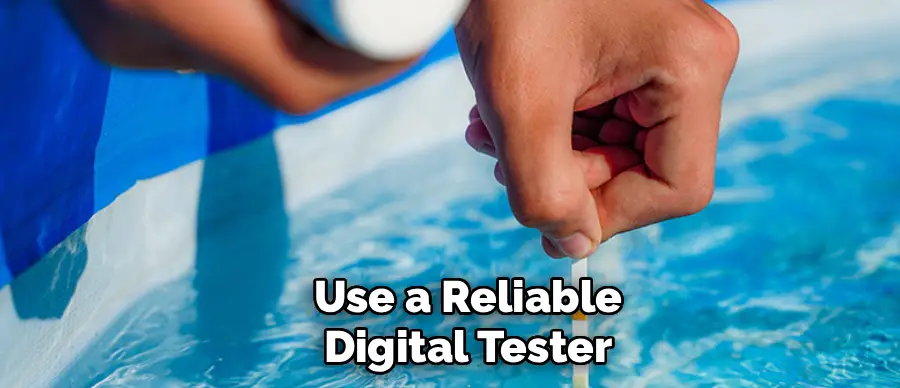
The first and most critical step is to get an accurate reading of your pool’s current pH and total alkalinity levels. Without this baseline, you are just guessing how much acid to add, which can lead to over-correction and further problems. Use a reliable digital tester or a high-quality drop-based test kit for the most precise results. Test strips can provide a general idea, but they often lack the accuracy needed for precise chemical adjustments. Collect your water sample away from any return jets or skimmers, ideally about 18 inches below the surface, to get a representative sample of the main body of water.
Once you have your results, write them down. The ideal range for pH is between 7.4 and 7.6, and for total alkalinity, it is typically between 80 and 120 parts per million (ppm). If your pH is above 7.6, you will need to add muriatic acid to lower it. The amount of acid required will depend not only on the current pH level but also on the size of your pool (in gallons) and its total alkalinity. High alkalinity acts as a buffer, meaning you will need more acid to change the pH.
Step 2: Calculate the Required Amount of Acid
With your test results in hand, you need to determine the correct amount of muriatic acid to add. Guesswork is not an option here, as adding too much can cause the water to become corrosive, while adding too little will not solve the problem. Many pool supply stores offer charts or online calculators that simplify this process. To use these tools, you will need to know your pool’s volume in gallons, your current pH level, and your desired pH level (aim for 7.4). These calculators will then provide a recommended dosage.
For example, a common guideline for a 10,000-gallon pool is that approximately 12-16 ounces of full-strength muriatic acid will lower the pH by about 0.2. However, this is just an estimate, and your total alkalinity will significantly influence the actual amount needed. If you don’t have access to a calculator, a general rule is to start with a smaller amount than you think you need—about 75% of the estimated dosage. You can always add more later if necessary, but you cannot remove acid once it is in the pool.
Step 3: Put on Your Safety Gear
Before you even open the container of muriatic acid, you must put on your personal protective equipment (PPE). Muriatic acid is a highly corrosive substance that can cause severe chemical burns to the skin, permanent eye damage, and respiratory distress if its fumes are inhaled. There is no room for compromise when it comes to safety. Start by putting on your chemical-resistant gloves. Standard latex or vinyl gloves are not sufficient; you need heavy-duty rubber or neoprene gloves.
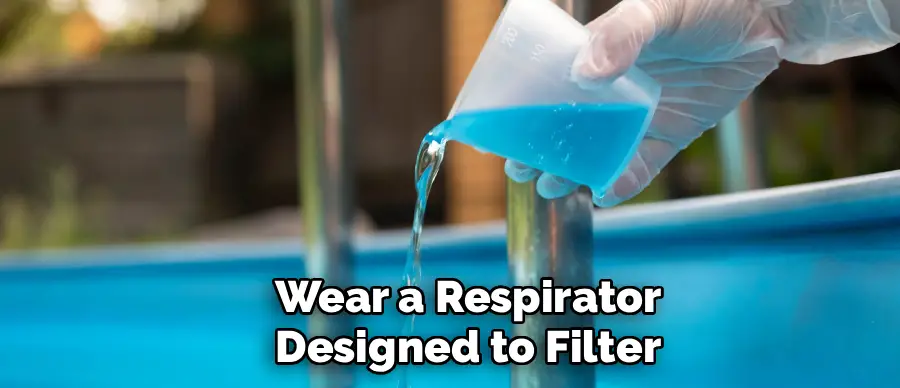
Next, protect your eyes. Safety goggles that form a seal around your eyes are essential to guard against accidental splashes. For even greater protection, a full-face shield is recommended. Finally, wear a respirator designed to filter out acid vapors. The fumes from muriatic acid are potent and can irritate your lungs and respiratory tract. Also, ensure you are wearing long sleeves, long pants, and closed-toe shoes to cover as much skin as possible. Always work in a well-ventilated outdoor area, never in an enclosed space like a garage or shed.
Step 4: Prepare the Dilution Bucket
Never pour muriatic acid directly into your pool. This concentrated acid is heavier than water and can sink to the bottom, damaging your pool’s plaster, vinyl liner, or fiberglass finish. It must always be diluted in a bucket of water before being dispersed. Take your clean 5-gallon plastic bucket and fill it approximately three-quarters full with pool water. Using pool water helps ensure that you are not introducing any foreign elements that could affect your water balance.
A crucial safety rule to remember is to always add acid to water, never the other way around. Pouring water into acid can cause a violent chemical reaction that results in dangerous splashing and the release of toxic fumes. By adding the acid to the water, you allow for a safer, more controlled dilution process. Place the bucket on a stable, flat surface away from children, pets, and foot traffic to minimize the risk of it being knocked over during the process.
Step 5: Carefully Measure the Muriatic Acid
With your dilution bucket ready and all your safety gear on, it is time to measure the calculated amount of muriatic acid. Open the acid container slowly and carefully to prevent any splashing. It is best to place the container on the ground while you open it to keep it stable. Fumes will immediately begin to escape, so ensure your respirator is securely fitted and you are standing upwind if there is a breeze.
Using your dedicated plastic measuring cup, pour the acid slowly and deliberately until you reach the desired amount. Pay close attention to the measurement lines. It is better to be slightly under the mark than over. Pour with a steady hand to avoid spills. Once you have measured the correct amount, securely reseal the main muriatic acid container and move it to a safe location away from your immediate work area. This prevents any accidental spills while you are focused on the next step of diluting the acid.
Step 6: Dilute the Acid in the Bucket
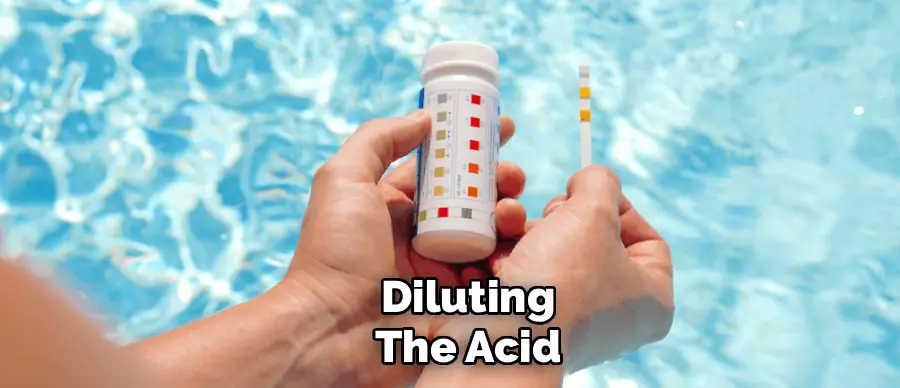
Now it is time to perform the most critical mixing step: diluting the acid. Hold the measuring cup containing the muriatic acid low and close to the surface of the water in your 5-gallon bucket. Pour the acid slowly and carefully into the center of the bucket. This minimizes the risk of splashing. Remember the rule: “Always do as you oughta, add the acid to the water.” Pouring slowly allows the heat generated by the reaction to dissipate gradually.
Once all the measured acid is in the bucket, you may use a plastic or wooden stir stick to gently mix the solution for a few seconds. This is not always necessary, butit can help ensure the acid is evenly distributed throughout the water in the bucket. Be careful not to agitate the water too vigorously, as this could cause it to splash out of the bucket. The solution is now diluted but still highly corrosive, so continue to handle the bucket with extreme care.
Step 7: Pour the Diluted Acid into the Pool
With your diluted acid solution ready, it is time to add it to the pool. It is best to do this with the pool pump running to help circulate the water and distribute the acid more quickly. Walk to the deepest end of your pool. This is the ideal spot to add the acid because it allows for maximum diffusion before the water reaches the more sensitive parts of your pool system, like the skimmers and main drain.
Hold the bucket low to the water’s surface and begin pouring the diluted solution in a steady stream. To aid in distribution, walk slowly around the perimeter of the deep end while you pour, if possible. This helps spread the solution over a wider area rather than concentrating it in one spot. Avoid pouring the solution directly onto steps or benches, and never pour it into the skimmer, as the concentrated mixture could damage your plumbing and filtration equipment.
Step 8: Retest the Water After Circulation
After adding the diluted muriatic acid, you must allow time for it to fully circulate throughout the entire pool. Let your pool pump run for at least four to six hours. This ensures that the acid is thoroughly mixed and that any subsequent water tests will be accurate. Testing the water too soon will give you a false reading, as you may be sampling from a section of the pool where the acid is still concentrated.
After the circulation period, perform another water test to check the new pH and total alkalinity levels. If the pH is still above the ideal 7.4-7.6 range, you may need to repeat the process, but with a much smaller amount of acid. It is always better to make small, incremental adjustments than to risk overshooting your target. Once your pH is balanced, continue with your regular maintenance schedule and test the water chemistry a few times per week to ensure it remains stable.
Following these steps on how to measure muriatic acid for pool maintenance will help keep your pool clean, clear, and safe for swimming. In addition to balancing pH levels, it is important to regularly shock your pool with chlorine or other oxidizers to kill bacteria and algae. Shocking also helps remove any built-up contaminants that may have accumulated in the water.
Safety Precautions and Handling Guidelines
Working with muriatic acid demands the highest level of respect and caution. It is a hazardous chemical that can cause serious harm if mishandled. Always store muriatic acid in its original container with the cap tightly sealed. Keep it in a cool, dry, and well-ventilated area that is inaccessible to children and pets. Never store it near other chemicals, especially chlorine, as mixing them can produce deadly chlorine gas.
When handling the acid, always wear your full PPE: chemical-resistant gloves, splash-proof goggles, a respirator, and protective clothing. If you accidentally spill some acid, neutralize it immediately with a base material like baking soda before washing the area thoroughly with plenty of water. In case of skin contact, flush the affected area with cool water for at least 15-20 minutes and seek medical attention. If acid splashes into your eyes, flush them immediately with an eyewash station or a gentle stream of clean water for at least 20 minutes and go to an emergency room right away.
Troubleshooting pH Imbalance
Sometimes, despite your best efforts, achieving and maintaining the perfect pH can be challenging. One common issue is “pH bounce,” where the pH level fluctuates wildly. This is often caused by low total alkalinity. Alkalinity acts as a buffer for pH, so if it is below 80 ppm, the pH will be unstable. To fix this, first, raise the total alkalinity using an alkalinity increaser (sodium bicarbonate). Once the alkalinity is stable in the 80-120 ppm range, you can adjust the pH more effectively.
Another issue is a pH level that constantly drifts upward. This is common in pools with saltwater chlorine generators or in new plaster pools that are still curing. In these cases, you may need to add small, regular doses of muriatic acid to keep the pH in check. Instead of adding a large amount once a week, try adding a few ounces every other day. This “micro-dosing” approach can help maintain a more stable pH without drastic swings, leading to better water quality and less chemical stress on your pool.

Frequently Asked Questions
Q1: What Is The Difference Between Muriatic Acid And Dry Acid?
A1: The main difference lies in their chemical composition and form. Muriatic acid (hydrochloric acid) is a liquid that is very powerful and acts quickly, but requires extreme caution due to its corrosive nature and potent fumes. Dry acid (typically sodium bisulfate) comes in a granular form. It is considered safer to handle, store, and transport because it does not splash or produce fumes. However, it generally works more slowly than muriatic acid and you may need to use a larger quantity to achieve the same pH drop.
Q2: How Long Should I Wait To Swim After Adding Muriatic Acid?
A2: After adding diluted muriatic acid to your pool, you should wait for it to be completely circulated. It is recommended to let the pump run for at least four to six hours to ensure the acid is evenly distributed throughout the water. To be extra safe, it is a good practice to retest the water to confirm the pH is within the safe swimming range (7.4-7.6) before allowing anyone to enter the pool. Swimming too soon could lead to skin and eye irritation.
Q3: Can I Use Muriatic Acid To Lower Total Alkalinity?
A3: Yes, muriatic acid is effective at lowering both pH and total alkalinity. However, the method for lowering alkalinity is different from just adjusting pH. To lower total alkalinity without causing a drastic drop in pH, you need to turn off the pool pump, add the diluted muriatic acid to one spot in the deep end, and let it sit for about an hour before turning the pump back on. This allows the acid to work on the alkalinity in that concentrated area. This process, sometimes called “slugging,” should be done carefully and in stages to avoid over-correction.
Q4: What Should I Do If I Add Too Much Muriatic Acid?
A4: If you add too much muriatic acid, your pool’s pH and alkalinity will drop to a corrosive level. To correct this, you will need to raise the pH and alkalinity using a pH increaser (soda ash/sodium carbonate) and an alkalinity increaser (baking soda/sodium bicarbonate). The process involves aeration—pointing your return jets upward to agitate the water surface—which helps raise the pH naturally. Then, add the appropriate chemicals in small increments, allowing for full circulation and retesting between additions until the levels are back within the ideal range.
Conclusion
Mastering the use of muriatic acid is a valuable skill for any pool owner. It is one of the most effective and economical ways to manage your pool’s pH and total alkalinity, which are the cornerstones of balanced water chemistry. By understanding the process, gathering the right tools, and prioritizing safety above all else, you can confidently maintain a sparkling clean and comfortable swimming environment.
Remember that precision and patience are your best allies. Always test your water before making adjustments, calculate your dosages carefully, and never rush the process. Following the step-by-step guidelines on how to measure muriatic acid for pool and adhering to all safety precautions will ensure that both you and your pool remain safe. With consistent care and attention, you can spend less time worrying about water chemistry and more time enjoying your beautiful pool.

About
Outdoor Fixes is a distinguished figure in the world of Diy design, with a decade of expertise creating innovative and sustainable Diy solutions.
His professional focus lies in merging traditional craftsmanship with modern manufacturing techniques,
fostering designs that are both practical and environmentally conscious. As the author of diy,
outdoorfixes delves into the art and science of outdoorfixes-making, inspiring artisans and industry professionals alike.
Education RMIT University
(Melbourne, Australia) Associate Degree in Design (Outdoor Fixes) Focus on sustainable design, industry-driven projects,
and practical craftsmanship. Gained hands-on experience with traditional and digital manufacturing tools, such as CAD and CNC software.
Nottingham Trent University
(United Kingdom) Bachelor’s in outdoorfixes.com and Product Design (Honors) Specialized in product design with a focus on blending creativity with production
techniques. Participated in industry projects, working with companies like John Lewis and Vitsoe to gain real-world insights.
Publications and Impact
In diy, Outdoor Fixes his insights on indoor design processes, materials, and strategies for efficient production.
His writing bridges the gap between artisan knowledge and modern industry needs, making it a must-read for both budding designers and seasoned professionals.