
Spring has finally arrived. The birds are chirping, the sun is shining, and the grass is growing at an alarming rate. It is the perfect weekend to get out there and reclaim your yard, but there is just one problem: your lawn mower has been sitting in a cold, dark shed for months, and now it refuses to wake up. We have all been there—yanking the starter cord until our shoulders ache, pleading with a silent engine. It is a frustrating ritual that can dampen the excitement of the new season.
However, your mower isn’t broken; it is likely just suffering from the side effects of long-term storage. Gas engines are sensitive machines that require a specific wake-up routine to clear out the cobwebs of winter. This comprehensive guide removes the mystery and frustration from the process. We will walk you through exactly how to start lawn mower after winter, turning a potential mechanical headache into a smooth, satisfying start to your spring landscaping.
As the winter months come to an end and spring begins, it’s time to start thinking about lawn care again. One of the most important tasks for lawn maintenance is using your lawn mower. However, after a long winter of non-use, your mower may not be as eager to start as you are.
Gas-powered mowers in particular can experience issues with starting up after being stored away for several months. This is because gas engines require a specific routine to bring them back to life and clear out any built-up gunk or debris from sitting idle.
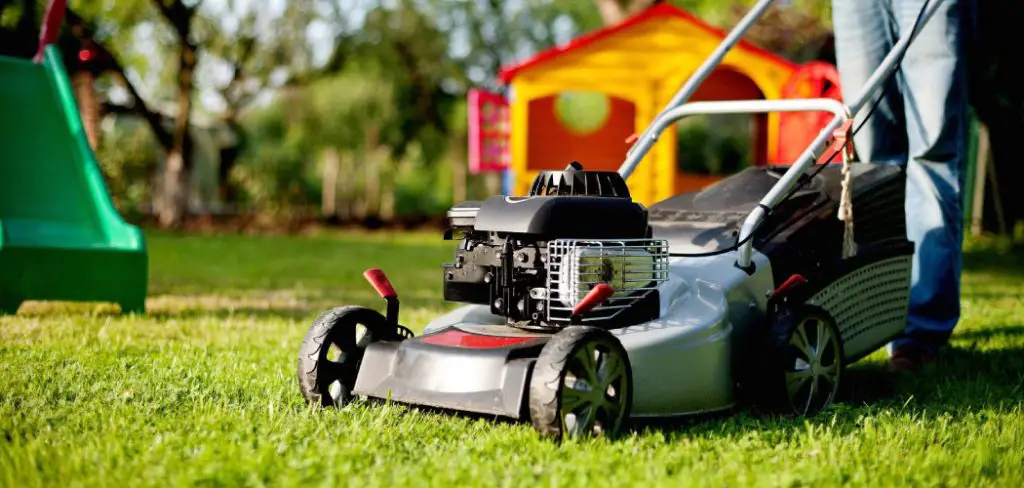
Essential Lawn Care Tools
To maintain a healthy and vibrant lawn, having the right tools is crucial. Here are some essential lawn care tools every homeowner should have:
- Lawn Mower – A reliable mower is essential for keeping your grass at an even, healthy height. Choose from gas-powered, electric, or manual models based on your lawn size and preferences.
- Rake – Useful for removing leaves, debris, and thatch to allow your lawn to breathe and absorb water more effectively.
- Garden Hose and Sprinkler – Proper watering is key to lawn health, and a quality hose or sprinkler ensures even distribution of water.
- Aerator – Aerating the soil helps improve root growth and allows better access to water, air, and nutrients.
- Weed Remover – A hand weeder or a stand-up weeding tool can make it easy to tackle invasive weeds without using harsh chemicals.
- Fertilizer Spreader – Whether using granular or liquid fertilizers, a good spreader ensures even application for optimal lawn nourishment.
- Grass Trimmer/Edger – For clean edges and hard-to-reach spots, a trimmer or edger keeps your lawn looking neat and well-groomed.
- Pruning Shears – Perfect for maintaining hedges, shrubs, and small branches around your yard.
- Gloves and Protective Gear – Essential for comfort and safety while handling lawn care tasks.
With these tools in your arsenal, you’ll be well-prepared to keep your lawn in top condition all season long.
When it comes to maintaining
A healthy and vibrant lawn, timing is everything. Pay attention to the seasons and the specific needs of your grass type. For instance, spring is an ideal time for fertilizing and overseeding, as the weather encourages growth. Summer requires consistent watering, especially during dry spells, to prevent stress on the grass.
Fall is perfect for aeration and applying pre-winter fertilizers, giving your lawn the strength it needs to endure colder months. By aligning your lawn care tasks with the seasonal changes, you can ensure a lush, thriving yard year-round.
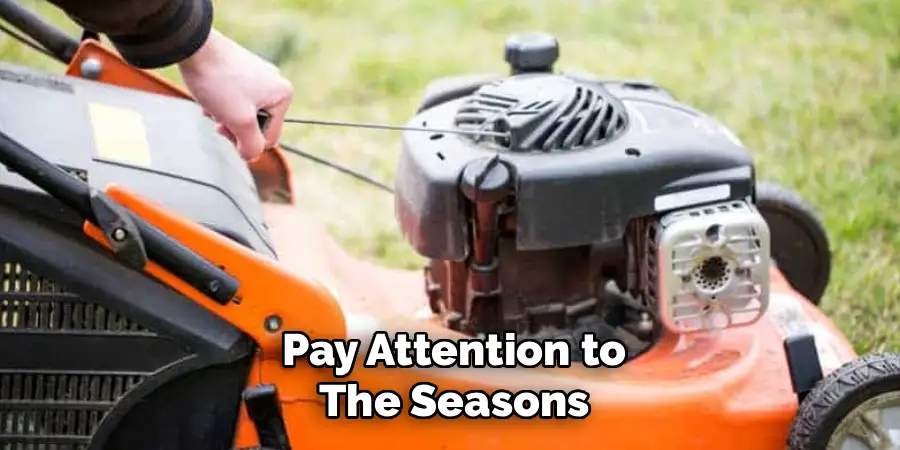
Step-by-Step Guide on How to Start Lawn Mower After Winter
Step 1: Inspect and Refresh the Fuel System
The single most common reason a mower fails to start after hibernation is bad gasoline. Fuel is a perishable product that begins to degrade in as little as thirty days. Over the winter, volatile components evaporate, leaving behind a thick, varnish-like residue that clogs the tiny jets inside your carburetor.
Before you even attempt to pull the cord, open the fuel cap and smell the tank. If it smells like stale varnish or old paint thinner, that fuel is dead. You must siphon out the old gas completely into an approved container. Once empty, refill the tank with fresh, high-octane gasoline.
Ideally, use ethanol-free fuel or add a fuel stabilizer to the fresh mix. This ensures that the combustion chamber receives a clean, potent vapor capable of igniting, rather than a gummy sludge that will only choke the engine.
Step 2: Check the Oil Level and Quality
Just like the blood in your veins, oil is the lifeblood of your mower’s engine, and sitting stagnant for months can affect its condition. Before starting the engine, pull out the dipstick, wipe it clean, reinsert it, and check the level.
If it is low, top it off with the manufacturer-recommended oil type, usually SAE 30 for warmer weather. However, level isn’t the only factor; look at the color and consistency. If the oil is pitch black, gritty, or milky, it is time for a change before you run the machine. Starting an engine with contaminated oil can cause catastrophic internal friction and overheating.
Fresh, amber-colored oil ensures that when the piston starts moving, it is properly lubricated and protected against the high heat of combustion. This simple check protects your investment and ensures the engine spins freely when you try to start it.
Step 3: Examine and Clean the Spark Plug
The spark plug is the tiny component responsible for the big bang that powers your machine. Without a strong, timed spark, you have zero power. Locate the black rubber boot on the front or side of the engine and gently pull it off. Use a spark plug socket wrench to unscrew the plug.
Examine the tip closely. If it is covered in black carbon buildup, oily residue, or white corrosion, it cannot generate a clean spark. You can try cleaning it with a wire brush and a little brake cleaner, but spark plugs are inexpensive, so replacing it is often the smarter choice.

Check the gap between the metal electrode tip and the curved arm using a gapping tool to ensuring it matches your manual’s specifications. A fresh or clean plug guarantees that the fuel you just added actually ignites when you pull the cord.
Step 4: Clear the Air Intake
An engine needs to breathe just as much as it needs to eat. During the winter, mice and insects often view the air filter housing as a perfect, cozy home.
They may pack it with nesting materials like insulation, acorns, or dried grass. Open the air filter cover and inspect the paper or foam filter element. If it is clogged with debris, dust, or oil, the engine will suffocate and fail to start. A foam filter can often be washed with warm soapy water, dried, and lightly oiled.
A paper filter should simply be replaced if it is dirty. Ensure the air intake passage behind the filter is also clear of obstructions. By ensuring a clear path for oxygen, you are maximizing the combustible mixture in the engine, which is a critical part of understanding how to start lawn mower after winter successfully.
Step 5: Prime the Engine Correctly
Now that you have fresh fuel, clean oil, spark, and air, you need to introduce the gas to the carburetor. Locate the primer bulb, which is usually a small, flexible red or black rubber button near the air filter.
Its job is to manually pump a small amount of gasoline directly into the carburetor throat to help the engine fire while it is cold. Press the bulb firmly three to five times. You should feel a slight resistance or hear a squishing sound, which indicates fuel is moving.
Be careful not to overdo it; pressing it ten or twenty times can flood the engine, wetting the spark plug and making ignition impossible. If your mower does not have a primer bulb, it likely has an automatic choke or a manual choke lever. If it is manual, ensure the lever is set to the “Full Choke” or “Start” position to restrict air and enrich the fuel mixture.
Step 6: The Safety Lever
Many homeowners overlook the most basic safety mechanism in their frustration to get the machine running. Almost all modern walk-behind mowers are equipped with a “dead man’s switch” or a flywheel brake safety bar. This is the metal bar that you must hold down against the handle while mowing.
This lever does two things: it disengages the mechanical brake holding the engine flywheel and it closes the electrical circuit to allow the spark plug to fire. If you do not hold this bar down firmly against the handle before and during the pull, the engine is physically locked and electrically grounded.
It will never start. Grip the bar securely with your non-dominant hand. It sounds simple, but ensuring this safety interlock is fully engaged is often the missing piece of the puzzle when learning how to start lawn mower after winter.
Step 7: The Proper Pull Technique
Position yourself safely behind or beside the mower handle, ensuring your feet are planted firmly and away from the mower deck. Grip the starter cord handle with your dominant hand.
Do not simply jerk the cord wildly from the fully retracted position. Instead, pull the cord out slowly a few inches until you feel a distinct resistance. This is the compression stroke of the piston. Once you feel that catch, give the cord a sharp, rapid, and smooth pull straight back. Engage your core and use your arm strength.
If it doesn’t start on the first pull, repeat the process: finding the resistance point, then pulling. If it sputters but dies, try pressing the primer bulb one more time. Once the engine roars to life, let it idle for a minute or two to warm up and circulate the oil before engaging the blade or heading into the tall grass.
Troubleshooting Common Issues
If the lawnmower refuses to start even after following the steps above, here are some common issues to check:
- Fuel Problems: Ensure the gas tank has fresh fuel. Old or stale gas can prevent the engine from starting. If necessary, empty the tank and refill with new fuel. Also, verify that the fuel shutoff valve, if equipped, is in the “on” position.
- Spark Plug Issues: A dirty or faulty spark plug may be the culprit. Remove the spark plug, inspect for dirt or damage, and clean it. If the problem persists, consider replacing the spark plug entirely.
- Carburetor Blockages: Over time, the carburetor can become clogged with dirt and debris. Clean it thoroughly, ensuring the jets and passages are clear. If cleaning doesn’t help, a full rebuild or replacement may be required.
- Air Filter Problems: A clogged air filter restricts air flow, making it difficult for the engine to fire up. Inspect the air filter and clean or replace it as needed.
- Primer Bulb Issues: If the primer bulb isn’t filling with fuel or is cracked, it may need replacing to ensure proper fuel delivery to the engine.
- Flooded Engine: If the engine was over-primed, it might be flooded with fuel. To fix this, remove the spark plug, pull the cord a few times to expel excess fuel, then reinstall the spark plug and try again.
By systematically addressing these potential problems, most common startup issues can be identified and resolved quickly.
Frequently Asked Questions
Why Is Smoke Coming Out of My Mower After Starting?
Seeing white or blue smoke can be alarming, but it is often temporary. It usually means oil has leaked into the cylinder during storage, perhaps because the mower was tilted incorrectly.
- Burn Off: Let the engine run for a few minutes; the smoke often clears as the oil burns off.
- Check Oil Level: Ensure you didn’t overfill the oil reservoir.
- Tilt Direction: Always tilt the mower with the air filter facing up to prevent oil from soaking the filter.
What If My Mower Has a Battery Start and Won’t Work?
Electric start mowers rely on a small lead-acid or lithium battery that naturally loses charge over cold winter months.
- Charge It: Locate the battery charger and plug the battery in for 24 hours.
- Check Connections: Ensure the battery terminals are free of corrosion and the wires are tight.
- Fuse Check: Look for a small fuse near the battery housing; if it’s blown, the starter won’t turn.
How Do I Know If My Carburetor Is Clogged?
If you have fresh gas and spark but the engine only runs for a second after using starting fluid, your carburetor is likely gummed up.
- Symptoms: The engine surges (revs up and down), dies under load, or won’t idle.
- The Fix: You can try a fuel system cleaner additive, but often the carburetor needs to be removed and cleaned manually with carburetor spray or replaced entirely.
Can I Use Start-Up Fluid to Help?
Yes, starting fluid (ether) is a useful diagnostic tool and helper for stubborn cold engines.
- Application: Remove the air filter and spray a small burst (1-2 seconds) directly into the carburetor intake.
- Diagnosis: If the mower starts briefly and then dies, you have confirmed you have a spark but are lacking fuel delivery (carburetor issue).
- Caution: Do not use too much, as ether is highly volatile and can strip oil from cylinder walls.
What Should I Do with the Old Gas I Removed?
Never pour old gasoline down the drain, onto the ground, or into a storm sewer. It is a hazardous waste material.
- Recycling Centers: Most county recycling centers or hazardous waste disposal facilities accept old fuel.
- Auto Shops: Some local auto repair shops may accept small amounts of old fuel for disposal.
- Dilution: If the gas isn’t too old, you can sometimes dilute it in your car’s large gas tank (check your car manual first), but disposal is safer for small engines.
Conclusion
Getting your lawn mower ready for the season doesn’t require a degree in mechanical engineering; it simply requires a bit of patience and attention to detail. By addressing the “big three”—fuel, air, and spark—you eliminate the vast majority of issues that keep engines silent in the spring. Remember that the effort you put into this initial startup maintenance pays dividends all summer long.
A well-maintained mower runs more efficiently, cuts cleaner, and lasts years longer than one that is neglected. So, take the time to drain that old fuel, check that plug, and clear the air intake. When you pull that cord and hear the steady, powerful hum of the engine, you will know you are ready to tackle whatever your yard throws at you.
Now that you have mastered how to start lawn mower after winter, you can look forward to a season of lush, perfectly manicured lawns and a machine that starts on the first pull, every time.

About
Outdoor Fixes is a distinguished figure in the world of Diy design, with a decade of expertise creating innovative and sustainable Diy solutions.
His professional focus lies in merging traditional craftsmanship with modern manufacturing techniques,
fostering designs that are both practical and environmentally conscious. As the author of diy,
outdoorfixes delves into the art and science of outdoorfixes-making, inspiring artisans and industry professionals alike.
Education RMIT University
(Melbourne, Australia) Associate Degree in Design (Outdoor Fixes) Focus on sustainable design, industry-driven projects,
and practical craftsmanship. Gained hands-on experience with traditional and digital manufacturing tools, such as CAD and CNC software.
Nottingham Trent University
(United Kingdom) Bachelor’s in outdoorfixes.com and Product Design (Honors) Specialized in product design with a focus on blending creativity with production
techniques. Participated in industry projects, working with companies like John Lewis and Vitsoe to gain real-world insights.
Publications and Impact
In diy, Outdoor Fixes his insights on indoor design processes, materials, and strategies for efficient production.
His writing bridges the gap between artisan knowledge and modern industry needs, making it a must-read for both budding designers and seasoned professionals.