
To get water out of a lawn mower’s gas tank, you must first disconnect the spark plug. Next, use a siphon pump to remove the contaminated fuel, completely dry the empty tank, clean the carburetor bowl, and replace the fuel filter before adding fresh gasoline.
Discovering that your lawn equipment refuses to start can quickly ruin a Saturday morning. A sputtering engine often points toward moisture contaminating the fuel system. Water and gasoline simply do not mix. Because water carries a specific gravity of 1.0, while gasoline sits at roughly 0.75, the heavier liquid sinks directly to the lowest point of the fuel container. This pooling effect means the intake line pulls pure water into the combustion chamber. Naturally, the engine stalls.

Fixing this problem might seem intimidating to a novice. You do not actually need to visit a small engine mechanic to clear the lines. Flushing the system requires only a few basic hand tools and a careful, methodical approach. In this guide on how to get water out of lawn mower gas tank, we will share with you the easiest and safest way to get your lawn mower up and running again.
Understanding How Water Contaminates Small Engine Fuel Systems
How does moisture get there in the first place? Environmental factors play a surprisingly large role. Condensation appears to be the most common offender. When you store a mower in an unheated shed, rapid temperature shifts cause the surrounding air to cool. Moisture droplets then form along the exposed internal walls of a partially empty gas tank. Gravity eventually drags those droplets down into your fuel supply.
Another potential factor involves the chemical composition of modern fuel itself. Ethanol-blended gasoline is inherently hygroscopic. It actively attracts moisture from the surrounding atmosphere. Leaving a gas can improperly sealed during a humid week could be enough to saturate the fuel before it even reaches your mower. Recognizing these chemical vulnerabilities might encourage better storage habits moving forward.
Tools Needed
To flush out water from your lawn mower’s gas tank, you will need the following tools:
- A pair of pliers
- Jack or lift (optional)
- Drain pan
- A funnel
- Gasoline can or container
8 Simple Step-By-Step Guidelines On How To Get Water Out Of Lawn Mower Gas Tank
Step 1: Gather The Necessary Safety Gear And Equipment
Before unscrewing any caps, you need to prepare the workspace. Gathering the right tools beforehand usually prevents frustrating delays mid-repair. You will need a basic siphon pump, socket wrenches, and some lint-free microfiber rags. A replacement fuel filter and an approved disposal container are also necessary. Safety goggles and nitrile gloves might seem overly cautious for yard work. They do, however, protect your skin from chemical exposure and accidental splashes.
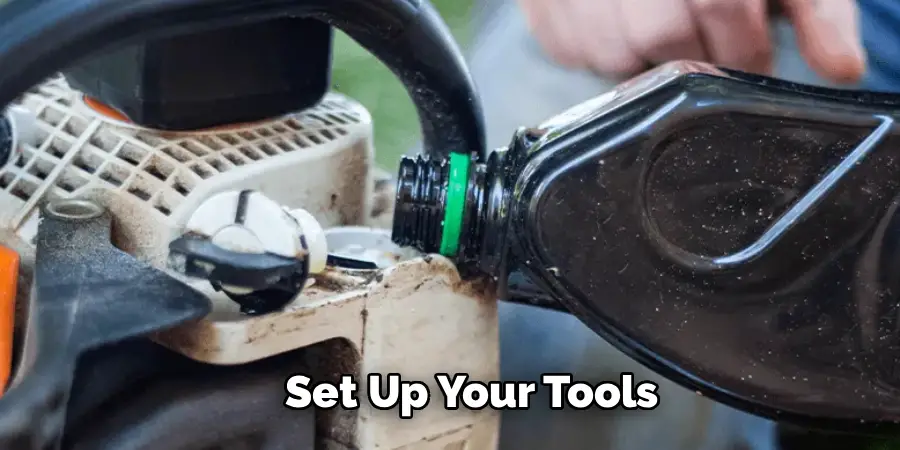
Set up your tools on a flat concrete driveway. Working outdoors provides adequate ventilation to disperse heavy gasoline fumes. Keep an extinguisher nearby, just in case.
Step 2: Disconnect The Spark Plug For Engine Safety
Mechanical safety requires isolating the ignition source. Your very first action should be pulling the spark plug wire away from its terminal. This physical separation breaks the electrical circuit. It virtually eliminates the possibility of an accidental engine firing while your hands rest near the cutting blade.
To do this, grasp the thick rubber boot at the front of the engine block and pull firmly. Tuck that wire somewhere it cannot spring back into contact with the metal tip. Skipping this precaution invites unnecessary risk.
Step 3: Drain The Contaminated Fuel From The Gas Tank
With the ignition disabled, you can extract the compromised gasoline. Insert the intake tube of your manual siphon pump into the very bottom of the mower’s tank. That lowest point is exactly where the water tends to collect. Direct the output hose into your labeled disposal container. You should keep that can positioned lower than the mower to let gravity assist the flow.
Pump until the liquid drains completely. Some owners feel tempted to simply tip the mower sideways to pour out the bad gas. Do not do this. Tipping forces crankcase oil into the upper engine cylinder. That mistake often results in severe mechanical complications. Take the extracted liquid to a hazardous waste facility, as it cannot be legally poured down a residential drain.
Step 4: Dry The Inside Of The Lawn Mower Gas Tank
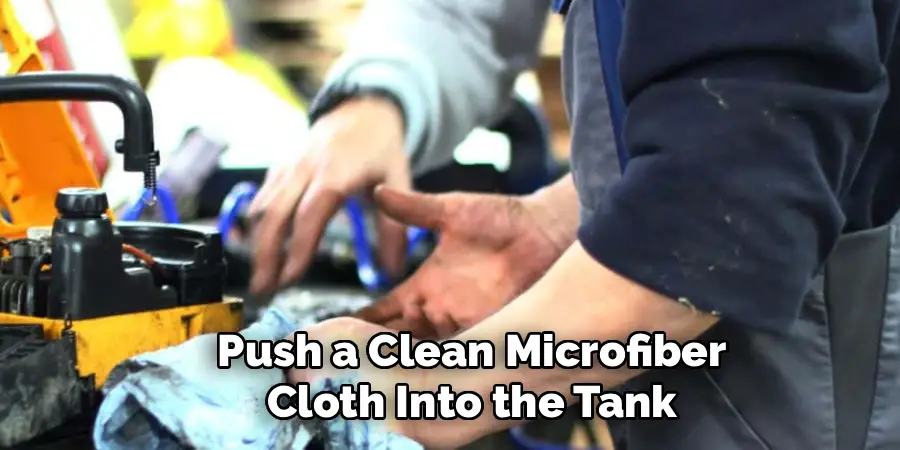
Siphoning rarely removes every single drop of liquid. Tiny beads of moisture will likely cling to the interior plastic. You need to physically dry the chamber. Push a clean microfiber cloth into the tank using a wooden dowel. Gently swab the bottom edges to absorb any lingering droplets.
If the tank opening restricts your access, park the mower in direct sunlight with the cap removed. Evaporation could take several hours depending on the ambient humidity. Regardless of the method you choose, the interior needs to be entirely dry before new fuel goes in.
Step 5: Inspect And Replace The Fuel Filter If Necessary
Fuel filters catch physical debris, yet they also suffer when exposed to excess moisture. You will typically find the inline filter clipped along the rubber hose connecting the tank to the carburetor. Examine the paper element inside the clear plastic casing. A dark or swollen filter suggests heavy water saturation.
Replacing a compromised filter requires minimal effort. Squeeze the metal retaining clips with pliers, slide them back, and pull the rubber hoses free. Snap the new filter into the line. You just need to ensure the printed arrow points toward the carburetor so the fuel flows in the correct direction.
Step 6: Drain The Carburetor Bowl To Remove Residual Water
Any moisture that managed to escape the main tank almost certainly settled in the carburetor bowl. This small metal reservoir acts as a final holding area before combustion. Find the drain nut located at the absolute bottom of this bowl assembly. Slide a shallow catch pan underneath it.
Loosening that bolt with a socket wrench allows the trapped water to drip out. Wait for the flow to stop entirely. Inspecting the rubber bowl gasket for signs of cracking at this stage is usually a good idea. Tighten the bolt back up. Failing to drain the carburetor seems to be the main reason a mower will refuse to start even after a full tank cleaning.
Step 7: Refill The Tank With Fresh Gas And Fuel Stabilizer
Now you can introduce uncontaminated gasoline. Buy fresh, unleaded fuel with at least an 87 octane rating. Try to avoid ethanol blends exceeding E10. Pour the liquid slowly through a funnel to avoid spilling over the engine deck.
Adding a liquid fuel stabilizer directly to your storage can is highly recommended. These chemical treatments bind with the gasoline to resist atmospheric moisture absorption. Consistent use of a stabilizer appears to dramatically lower the chances of water-related engine failure in the future.
Step 8: Reconnect The Spark Plug And Test The Mower
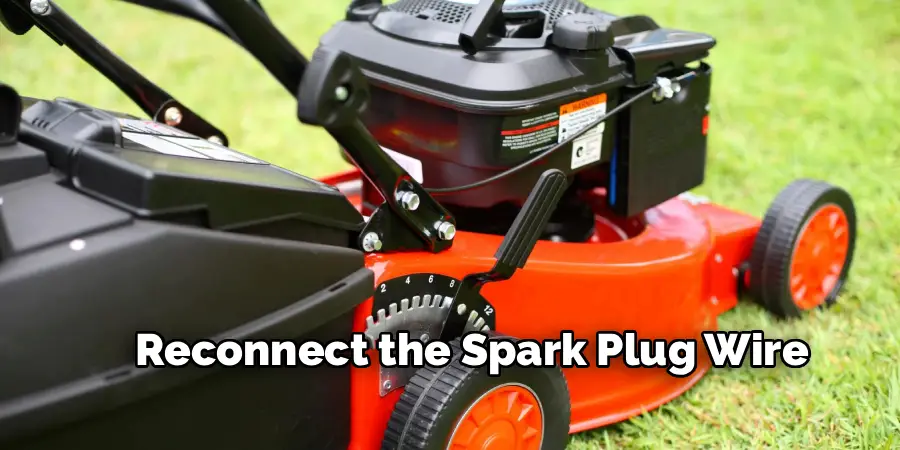
The mechanical work is finished. Reconnect the spark plug wire by pushing the rubber boot over the terminal until you feel a definitive click. Wipe down the machine to remove any traces of fuel spills.
Press the soft primer bulb three times to pull fresh gas into the dry carburetor. Pull the starter cord. The engine might require a few extra pulls to clear the empty fuel lines. Once it catches, let the machine idle for a minute or two. A smooth, continuous idle suggests the water contamination issue is completely resolved.
Following these steps on how to get water out of lawn mower gas tank, your machine should be back to running smoothly and efficiently.
Frequently Asked Questions
Q1: What Are The Symptoms Of Water In A Lawn Mower Gas Tank?
A waterlogged fuel system typically presents as an engine that cranks endlessly without firing. If it does manage to turn over, the idle will sound rough and uneven. You might observe white smoke drifting from the exhaust muffler. The engine will almost certainly stall the moment you engage the cutting deck or push the machine into tall grass.
Q2: Can A Lawn Mower Run If There Is Water In The Gas?
Internal combustion requires a precise ratio of air and vaporized gasoline. Water does not burn under the spark plug’s electrical arc. Even a fraction of an ounce entering the carburetor disrupts this delicate chemical balance. Forcing a motor to run on compromised fuel can cause internal cylinder rusting, which often leads to expensive mechanical repairs down the line.
Q3: How Can I Prevent Water From Entering My Lawn Mower Gas Tank?
Storage habits dictate fuel health. Keeping your equipment inside a dry garage limits exposure to temperature fluctuations and rain. Adding a stabilizing agent to your main gas can counteract the moisture-attracting properties of ethanol. Storing the mower with an entirely full tank leaves no empty surface area for condensation to form in the first place.

Protecting Your Small Engine Investments Long-Term
Addressing fuel contamination requires a bit of patience. Taking immediate action, however, protects the internal mechanics of your yard equipment. Removing moisture from the tank prevents rust from taking hold in the metal lines.
Looking ahead, modifying how you store gasoline might be the most practical takeaway here. Treat your supply with stabilizers. Keep containers tightly sealed. By maintaining a clean fuel delivery system, your equipment should remain reliable whenever the grass needs cutting. Thanks for reading this guide on how to get water out of lawn mower gas tank.

About
Outdoor Fixes is a distinguished figure in the world of Diy design, with a decade of expertise creating innovative and sustainable Diy solutions.
His professional focus lies in merging traditional craftsmanship with modern manufacturing techniques,
fostering designs that are both practical and environmentally conscious. As the author of diy,
outdoorfixes delves into the art and science of outdoorfixes-making, inspiring artisans and industry professionals alike.
Education RMIT University
(Melbourne, Australia) Associate Degree in Design (Outdoor Fixes) Focus on sustainable design, industry-driven projects,
and practical craftsmanship. Gained hands-on experience with traditional and digital manufacturing tools, such as CAD and CNC software.
Nottingham Trent University
(United Kingdom) Bachelor’s in outdoorfixes.com and Product Design (Honors) Specialized in product design with a focus on blending creativity with production
techniques. Participated in industry projects, working with companies like John Lewis and Vitsoe to gain real-world insights.
Publications and Impact
In diy, Outdoor Fixes his insights on indoor design processes, materials, and strategies for efficient production.
His writing bridges the gap between artisan knowledge and modern industry needs, making it a must-read for both budding designers and seasoned professionals.