
For many homeowners, the routine of mowing the lawn is followed by the tedious chore of emptying a heavy, messy bag full of grass clippings. It’s a cycle of cut, collect, and dispose that can feel inefficient and wasteful.
But what if you could skip that last step entirely and actually benefit your lawn in the process? Operating your mower without a collection bag, a method often associated with mulching or side-discharging, can save you significant time and effort. More importantly, it returns valuable nutrients to your soil, promoting a healthier, greener, and more resilient turf. This guide is designed for beginners who are ready to break free from the bag. We will show you precisely how to use lawn mower without bag, turning a routine chore into a beneficial act of lawn care.
When it comes to mowing your lawn, many people automatically reach for the collection bag, assuming it’s the only way to keep their yard clean and tidy. However, mowing without a bag offers surprising benefits that go beyond just saving time. By allowing grass clippings to remain on the lawn, you create a natural cycle where nutrients are recycled back into the soil, reducing the need for additional fertilizers.
Additionally, this method is eco-friendly and can simplify your overall lawn care routine. The clippings act as a natural mulch, helping to retain moisture in the soil and prevent weed growth. This means less time spent watering and pulling weeds, giving you more time to simply enjoy your lawn.

Why should you consider this approach to lawn care?
Not only does it support the environment by reducing waste and chemical usage, but it also promotes healthier soil and grass. Grass clippings decompose quickly, releasing essential nutrients like nitrogen back into the ground, which helps maintain a lush and vibrant lawn naturally.
This sustainable practice saves money on fertilizers and reduces the carbon footprint associated with lawn maintenance, making it a simple yet impactful choice for both your garden and the planet.
Caring for your lawn in an eco-friendly way not only enhances your outdoor spaces but also contributes to a healthier environment.
Making small changes in your lawn care routine can have a significant impact, from conserving resources to promoting biodiversity. By adopting sustainable practices, you can create a vibrant, thriving lawn while minimizing harm to the ecosystem.
Reducing Water Usage
Water is a precious resource, and it’s essential to conserve it. Traditional lawn care practices like frequent watering can waste water and contribute to water scarcity in some regions.
Adopting water-saving techniques such as using drought-resistant grass species, installing rain barrels or drip irrigation systems, and watering during the early morning or late evening when evaporation rates are lower can help reduce your water usage.
Choosing Native Plants
Native plants are adapted to the local climate and soil conditions, making them more resilient to pests and diseases. They also require less maintenance compared to non-native plants, reducing the need for harmful pesticides or fertilizers. Moreover, native plants promote biodiversity by providing food and shelter for local wildlife.
When choosing native plants for your garden, consider the sunlight and soil conditions of your yard. Certain plants thrive in specific environments, so it’s important to select species that will do well in your particular area. You can also consult with a local gardening center or online resources to find out which native plants are best suited for your region.

Step-by-Step Guide on How to Use Lawn Mower Without Bag
Step 1: Assess Your Mower’s Capabilities
Before you simply detach the bag and start mowing, it is crucial to understand what your machine is designed to do. Most modern lawn mowers are “3-in-1” models, meaning they are capable of bagging, side-discharging, and mulching. Check your owner’s manual or look for markings on the mower deck.
If you intend to mulch, you will need a specific mulching blade and a “mulch plug”—a plastic insert that blocks the discharge chute, forcing the grass clippings to be chopped up repeatedly inside the deck.
If your goal is to side-discharge, you will need a side chute attachment that directs the clippings out and away from the mower. Using a mower without the correct setup can result in clumps and an uneven cut.
Step 2: Prepare the Mower for Bagless Operation
Once you have determined your strategy—mulching or side-discharging—you need to configure your mower. For mulching, start by disconnecting the spark plug for safety. Then, remove your standard blade and install a dedicated mulching blade, which has a more curved design with extra cutting edges.
After that, insert the mulch plug into the rear discharge opening where the bag would normally attach. For side-discharging, you will remove the mulch plug (if installed) and attach the side-discharge chute to the designated opening on the side of the mower deck.
Ensure all attachments are securely locked into place. This preparation is the most critical step for anyone learning how to use lawn mower without bag safely and effectively.
Step 3: Choose the Right Mowing Conditions
Mowing without a bag requires more care when it comes to timing. The ideal time to mulch or side-discharge is when the grass is completely dry. Wet grass is heavy, sticky, and clumps together easily.
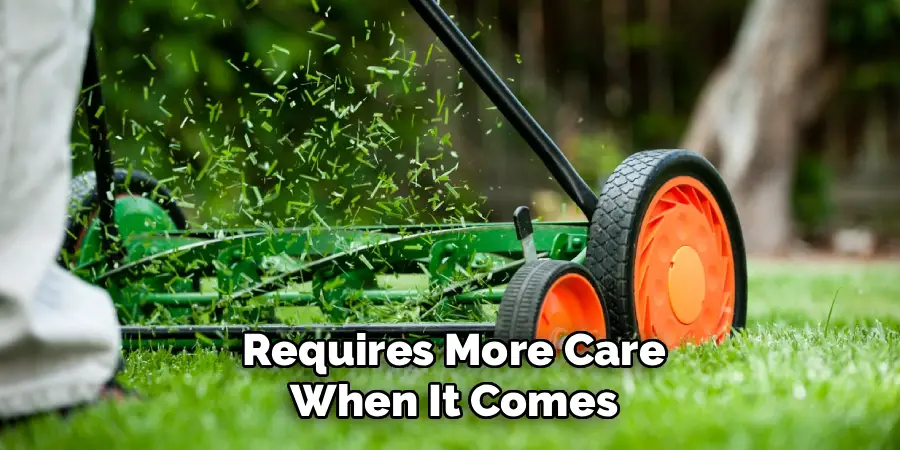
Attempting to mow wet grass without a bag will result in large, unsightly green clumps that can smother and kill the turf underneath. Furthermore, you should avoid letting the grass grow too long between cuts. The “one-third rule” is especially important here: never remove more than one-third of the grass blade’s total height in a single mowing session.
Taller grass creates too much volume for the mower to process effectively, leading to a messy finish and strain on the engine.
Step 4: Adjust the Mower Deck Height
Proper cutting height is vital for a healthy lawn and is even more critical when you are not bagging the clippings. Set your mower deck to one of the higher settings.
Mowing tall not only promotes deeper root growth and better drought resistance but also ensures that the clippings you leave behind are shorter and less noticeable. Shorter clippings decompose much more quickly, releasing their nutrients back into the soil faster.
If you cut the grass too short, you stress the plant and create longer clippings that can form a thick layer of thatch. A higher cut gives you a greener lawn and makes the bagless process work as intended.
Step 5: Plan Your Mowing Pattern
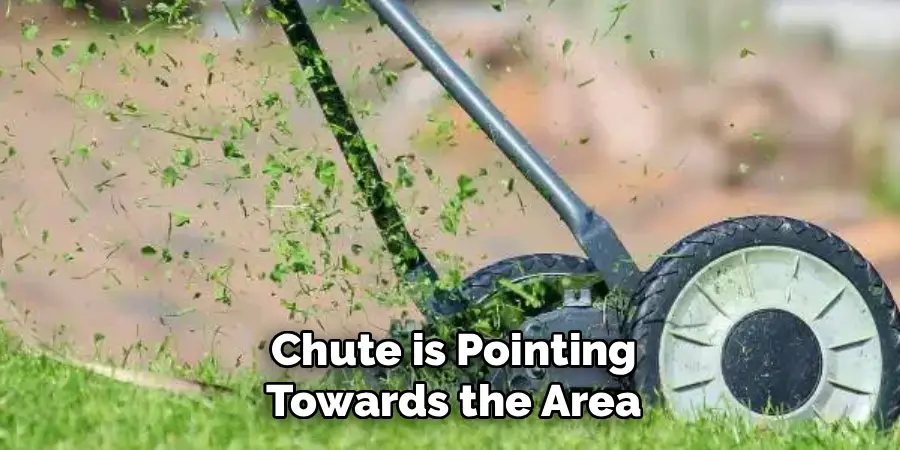
When you are not collecting the clippings, your mowing pattern matters. If you are using a side-discharge mower, you should always plan your route so that the chute is pointing towards the area you have already cut, not onto uncut grass.
This prevents you from having to run over thick layers of discharged clippings on your next pass, which can bog down the mower.
Overlap each pass by about one-quarter of the mower’s width to ensure an even cut and to help distribute the clippings more uniformly. A planned, consistent pattern results in a much cleaner look and prevents the clumping that can detract from your lawn’s appearance.
Step 6: Mow at a Consistent and Moderate Pace
It can be tempting to rush through your yard work, but speed is your enemy when mowing without a bag. Pushing the mower too fast does not give the blades enough time to properly chop the grass, especially when mulching.
A hurried pace will overload the deck, resulting in an uneven cut and leaving behind long, uncut strips or clumps of poorly mulched grass. Instead, walk at a steady, moderate pace.
This allows the blades to perform multiple cuts on each blade of grass, turning them into the fine, nutrient-rich particles that will nourish your lawn. Let the machine do its work; your patience will be rewarded with a superior cut and healthier turf.
Step 7: Clean the Mower Deck After Each Use
Leaving clippings on the lawn is great, but letting them build up under your mower deck is not. After you finish mowing, it is essential to clean the underside of the deck. Disconnect the spark plug for safety, then tip the mower on its side (with the air filter and carburetor facing up to prevent fuel and oil leaks).
Use a hose, a putty knife, or a deck scraper to remove the caked-on grass. A thick layer of old grass can obstruct airflow, impede blade rotation, and harbor moisture that leads to rust. A clean deck ensures optimal performance and is a cornerstone of proper lawn care, especially when you use lawn mower without bag.
When using a lawn mower without a bag, it is important to regularly clean the deck to prevent any buildup of grass and debris. Not only does this help with the overall performance of the mower, but it also ensures that your lawn is being cut evenly and efficiently.
Environmental Benefits
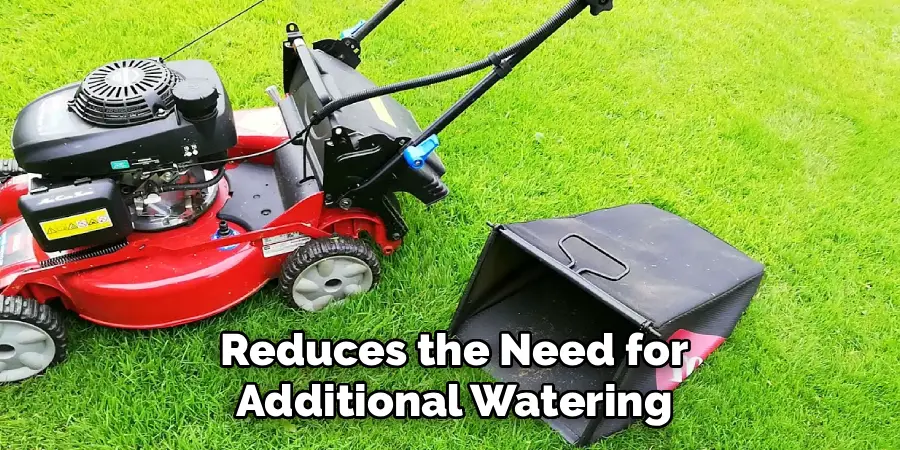
Using a lawn mower without a bag offers several environmental benefits. By allowing grass clippings to remain on the lawn, you contribute to natural mulching, which helps retain soil moisture and reduces the need for additional watering.
The clippings also decompose over time, returning valuable nutrients like nitrogen back into the soil, promoting healthier grass growth without the need for synthetic fertilizers.
This practice reduces yard waste and minimizes landfill contributions, aligning with sustainable lawn care practices. Additionally, when paired with an electric or manual mower, this method further decreases the environmental footprint of maintaining a lush, green lawn.
Benefits of Sustainable Lawn Care
Maintaining a green and healthy lawn not only enhances the aesthetic appeal of your property, but it also has numerous benefits for both the environment and your wallet. By adopting sustainable lawn care practices, you can reap these benefits while also reducing your carbon footprint.
1. Reduced Water Usage
Water is a precious resource, and traditional methods of watering lawns such as sprinklers or irrigation systems can be wasteful. By following sustainable practices like using drought-resistant grass varieties and mulching grass clippings, you can significantly reduce water usage and save money on utility bills.
2. Promotes Biodiversity
Lawns are often seen as monotonous green spaces, but by incorporating sustainable practices, you can promote biodiversity in your yard. Planting native plants and creating habitats for pollinators and beneficial insects can increase the diversity of plant and animal life in your lawn.
3. Chemical-Free Lawns
Traditional lawn care often involves the use of harmful chemicals such as pesticides and herbicides. These chemicals not only harm the environment but can also be dangerous to human health. By adopting organic and natural methods of lawn care, you can create a chemical-free lawn that is safe for your family, pets, and local wildlife.
Frequently Asked Questions
Is It Better to Mulch or Side-Discharge Grass Clippings?
It depends on your goal and the condition of your lawn.
- Mulching is generally the best option. It chops clippings into fine particles that decompose quickly, acting as a natural fertilizer. It is ideal for routine mowing on a healthy, dry lawn.
- Side-discharging is better when the grass is slightly too long or damp. It prevents the mower deck from getting clogged and spreads the clippings out, though they will be less fine than mulched clippings.
Will Leaving Grass Clippings on the Lawn Cause Thatch?
This is a common myth. Thatch is a layer of dead roots and stems that accumulates at the soil surface, not grass clippings. Grass clippings are about 85% water and decompose very quickly, returning valuable nitrogen to the soil.
As long as you are mowing regularly and following the one-third rule, the clippings will break down long before they could ever contribute to a thatch problem. In fact, the microbes that break down clippings also help manage existing thatch.
How Often Should I Mow If I’m Not Bagging?
Because you should only be removing the top third of the grass blade, you may need to mow more frequently during peak growing seasons. For most cool-season grasses, this means mowing at least once a week in the spring.
If you have a fast-growing turf type or are fertilizing regularly, you might even need to mow every 4-5 days to keep up. More frequent mowing results in shorter clippings that are much easier for your mower to process and for your lawn to absorb.
Can I Mulch Leaves in the Fall with My Lawn Mower?
Yes, absolutely! Using your mower to mulch leaves is a fantastic way to clear your lawn and create a nutrient-rich amendment for your soil. Simply mow over the fallen leaves as you would with grass.
It may take a couple of passes to chop them into fine, dime-sized pieces. These shredded leaves will break down over the winter, feeding your lawn’s root system. Just be sure not to let the leaf layer get too thick before mowing, as this can smother the grass.
Do I Need a Special Blade for Mulching?
For the best results, a dedicated mulching blade is highly recommended. While a standard blade will chop up grass, a mulching blade is specifically designed for the task.
It typically has a more curved shape and multiple cutting surfaces that create more lift and suction inside the deck. This keeps the grass clippings airborne longer, allowing them to be cut several times into very fine pieces before they fall back onto the lawn.
Conclusion
Embracing a bag-free mowing strategy is one of the simplest and most effective ways to improve the health of your lawn while saving yourself time and labor.
By returning nutrient-rich clippings to the soil, you are essentially giving your turf a free, natural dose of fertilizer with every cut. The keys to success are preparation and consistency: use the right mower setup, mow when the grass is dry, maintain a proper cutting height, and clean your equipment regularly.
By following these steps, you can transform your lawn care routine from a chore of collection and disposal into a sustainable cycle of growth and nourishment. Now that you know how to use lawn mower without bag, you are ready to build a greener, healthier, and more self-sufficient lawn.

About
Outdoor Fixes is a distinguished figure in the world of Diy design, with a decade of expertise creating innovative and sustainable Diy solutions.
His professional focus lies in merging traditional craftsmanship with modern manufacturing techniques,
fostering designs that are both practical and environmentally conscious. As the author of diy,
outdoorfixes delves into the art and science of outdoorfixes-making, inspiring artisans and industry professionals alike.
Education RMIT University
(Melbourne, Australia) Associate Degree in Design (Outdoor Fixes) Focus on sustainable design, industry-driven projects,
and practical craftsmanship. Gained hands-on experience with traditional and digital manufacturing tools, such as CAD and CNC software.
Nottingham Trent University
(United Kingdom) Bachelor’s in outdoorfixes.com and Product Design (Honors) Specialized in product design with a focus on blending creativity with production
techniques. Participated in industry projects, working with companies like John Lewis and Vitsoe to gain real-world insights.
Publications and Impact
In diy, Outdoor Fixes his insights on indoor design processes, materials, and strategies for efficient production.
His writing bridges the gap between artisan knowledge and modern industry needs, making it a must-read for both budding designers and seasoned professionals.