
If you want fewer spiders on your porch, start by making the space less appealing to the insects they feed on. Cut back on outdoor lighting that draws bugs, clear away clutter, knock down webs often, and use simple repellents such as peppermint oil or vinegar. It also helps to trim nearby plants and seal cracks where spiders may slip in and settle.
Few things spoil a quiet evening outside faster than a web across the face. It is a small annoyance, admittedly, but an irritating one. A porch is supposed to feel livable. When spiders start treating it as a hunting platform, that sense of comfort disappears rather quickly.
The good news is that spider prevention is usually less about killing spiders and more about changing the conditions that suit them. That distinction matters. If you deal only with the webs you can see, the problem often returns within days. If you reduce food, shelter, and access points, the porch may become far less attractive over time. The methods below are practical, mostly low-cost, and manageable through regular upkeep rather than constant intervention. In this guide on how to keep spiders off your porch, we will cover everything from natural deterrents to preventative measures that will help you keep your porch spider-free.
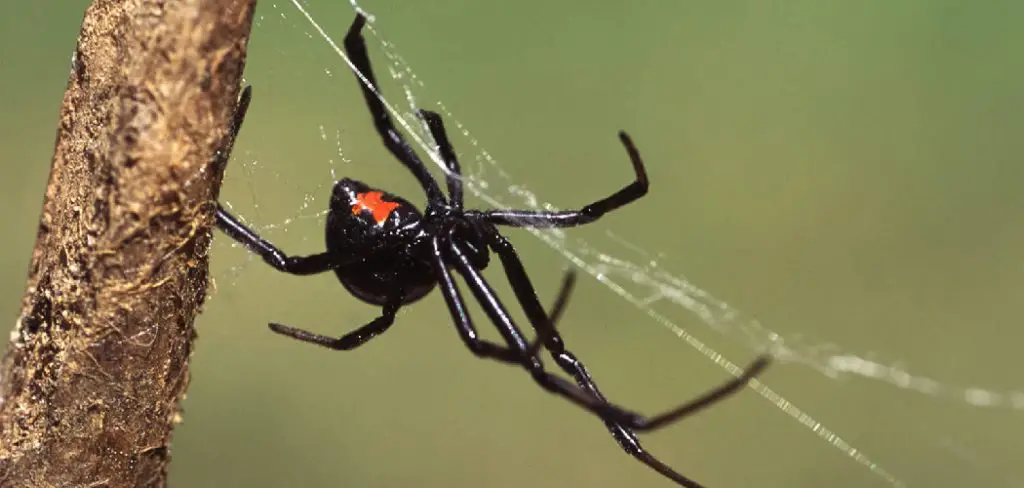
Understand Why Spiders Are Attracted to Porches
Spiders are not showing up out of spite. They are there because porches tend to offer exactly what they need: cover, structure, and prey. Look at a typical porch for a moment. You have corners, eaves, beams, railings, shaded recesses, and light fixtures. For a web-building spider, that layout can work remarkably well. It provides anchor points, some protection from wind and rain, and a stable place to wait.
Food is usually the bigger issue, though. Porch lights attract moths, gnats, beetles, mosquitoes, and other flying insects. Once those insects start circling the entryway each night, spiders have every reason to move in. In that sense, the porch becomes less a spider problem than an insect problem, with spiders following close behind. Add potted plants, stored firewood, unused furniture, or damp corners, and the area begins to function like a small habitat. If you understand that basic chain—light attracts bugs, bugs attract spiders—you are already most of the way toward a workable prevention plan.
7 Simple Step-by-step Guidelines on How to Keep Spiders Off Your Porch
Step 1: Change Your Outdoor Lighting to Deter Insects
One of the most effective ways to reduce spider activity is to reduce the number of bugs gathering on your porch at night. Lighting plays a larger role here than many people realize. Standard incandescent bulbs and some compact fluorescent bulbs emit wavelengths that attract nocturnal insects in noticeable numbers. If your light fixture becomes a nightly cloud of moths and small flying bugs, spiders will not be far behind.
Switching to yellow bug lights or warm-toned LED bulbs may help cut down insect activity around the door. These bulbs tend to be less attractive to many flying insects, likely because of how they emit light across the spectrum. It is not a perfect fix, and results can vary depending on the setting, but many homeowners notice a difference. You can take it further by using motion sensors or timers so the porch light is on only when needed. Less light often means fewer insects hovering in place for spiders to catch.
Step 2: Clear Away Clutter and Debris Regularly
Spiders generally prefer places that are quiet, dark, and rarely disturbed. A cluttered porch gives them plenty of those. Old planters, gardening supplies, stacked wood, cardboard boxes, kids’ toys, folded tarps, and rarely used furniture can all create sheltered pockets where spiders may rest, hide, or leave egg sacs.
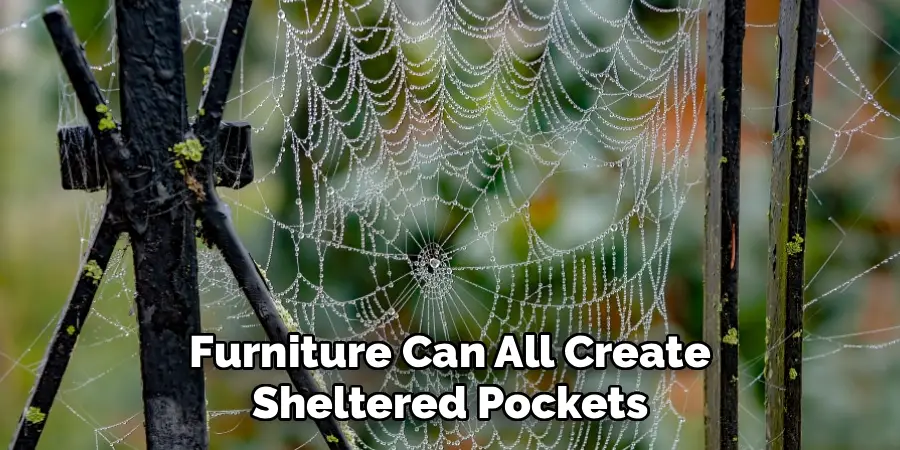
So yes, basic tidying helps—more than people sometimes expect. Try storing outdoor items in sealed plastic bins rather than cardboard, which breaks down easily and offers plenty of creases and protected spaces. Shake out mats. Check under chairs and tables. Move decorative items once in a while instead of letting them sit untouched for months. Firewood is especially worth relocating if it is stored near the house; keeping it well away from the porch and off the ground may reduce shelter for both spiders and the insects they feed on. A neater porch is not just nicer to look at. It leaves fewer places for pests to settle.
Step 3: Sweep and Destroy Existing Webs Routinely
If spiders repeatedly build webs on your porch, the simplest response is often the right one: remove them, and keep removing them. Web-building takes energy. When a spider finds that its web is gone every morning or every few days, that location may begin to seem unreliable.
Use a broom, cobweb duster, or vacuum to check ceiling corners, light fixtures, railings, and the spaces around doors and windows at least once a week. During peak seasons, you may need to do it more often. Pay attention to egg sacs as well. They are easy to overlook, and one sac can contain a surprisingly large number of spiderlings. Clearing those out early may help prevent a much larger problem later. This is not glamorous work, certainly, but it is one of the more direct non-chemical ways to discourage repeat webbing.
Step 4: Apply Natural Essential Oil Repellents
For people who would rather avoid conventional pesticide sprays, essential oils are a common alternative. The evidence on exactly how well they work in outdoor conditions is mixed, especially after rain or heat exposure, but many homeowners use them as part of a broader prevention routine. Peppermint oil is the usual favorite, though tea tree, eucalyptus, and some citrus oils are also often mentioned.
A simple spray can be made by mixing 15 to 20 drops of peppermint essential oil with 1 cup of water and a small amount of dish soap in a spray bottle. The soap helps the oil disperse and stick to surfaces more evenly. Spray around door frames, window trim, corners, railings, and other spots where webs tend to appear. Reapplication matters here. Outdoor surfaces do not hold scent for long, especially in the sun or after heavy rain, so a weekly schedule is usually more realistic than a one-time treatment. The smell is pleasant to many people, though perhaps not to everyone, and it may serve as a mild deterrent rather than a complete barrier.
Step 5: Seal Cracks, Gaps, and Entry Points
Some spiders remain outside. Others move between the porch and the house through small openings that barely register until you go looking for them. That is why exterior maintenance matters. Check the area where the porch joins the main structure, along with siding seams, foundation cracks, gaps around utility lines, loose trim, and worn weather stripping around doors and windows.
Seal visible cracks with a suitable exterior caulk, such as silicone-based caulk, where appropriate. Repair torn screens. If there are vents opening into crawlspaces or enclosed areas beneath the porch, adding fine mesh may help reduce access. No house is perfectly sealed, of course, and “impenetrable” is usually too strong a word for home maintenance. Still, reducing easy entry points can make a noticeable difference. At a minimum, it limits traffic between outdoor websites and indoor hiding spaces.
Step 6: Utilize White Vinegar as a Deterrent Spray
White vinegar is another home remedy that people often use against spiders. Its strong smell appears to be unpleasant to many pests, and it doubles as a household cleaner, which gives it some practical appeal. Whether it works equally well in every situation is harder to say, but it is inexpensive and easy to try.
Mix equal parts white vinegar and water in a spray bottle, then apply it to corners, baseboards, railings, door thresholds, and the undersides of outdoor furniture. Some people also use it to wipe down siding, trim, or hard porch surfaces where insects gather. The smell is sharp at first—there is no point pretending otherwise—but it fades fairly quickly for most people once dry. As with essential oil sprays, consistency matters more than intensity. One heavy application followed by weeks of neglect is unlikely to do much.

Step 7: Introduce Spider-Repelling Plants to the Area
There is a certain appeal to solving part of the problem with plants rather than products. Whether the effect is dramatic or modest, aromatic plants may help make the porch less inviting to spiders and some of the insects around them. Peppermint, lavender, lemon balm, and citronella are often recommended for this reason.
They also have the obvious advantage of making the porch look better. You can place them in pots near entry points, along railings, or in hanging baskets where webs tend to appear. Marigolds and chrysanthemums are often included in these discussions as well, partly because chrysanthemums contain pyrethrum, a compound used in some insect-control products. That does not mean a few potted flowers will solve a serious spider problem on their own. Still, as part of a larger plan—cleaning, lighting changes, sealing gaps—they may contribute something useful while improving the space aesthetically.
Following these steps on how to keep spiders off your porch, you can also take additional measures to prevent spiders from entering your home.
Common Mistakes to Avoid
A few habits tend to undermine all of the steps above. Overwatering porch plants, for example, can create the kind of damp environment that attracts insects first and spiders soon after. Leaving pet food outside overnight is another common mistake; it brings in flies, beetles, and other scavengers, which then become prey. Natural sprays are also easy to misuse. People apply them once, see a short-term improvement, and assume the issue is solved, even though rain, heat, and direct sun break them down quickly.
Bug zappers deserve a brief note of skepticism here. Many people buy them expecting a clean solution, but they can attract insects toward the porch in the first place, which may not help if spiders are your actual concern. Dead insects left near lights or walls can also become a food source for other pests. So the broader lesson is simple enough: avoid creating insect activity while trying to treat spider activity.
Natural Landscaping Around the Porch
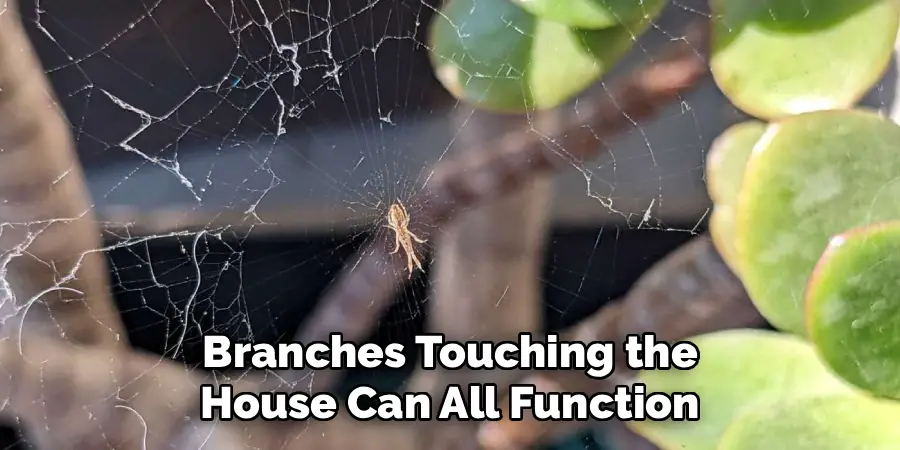
What happens in the yard does not stay in the yard. If the area around your porch is overgrown, spiders may have an easy route inward. Tall grass, dense shrubs, ivy, groundcover, and branches touching the house can all function as travel paths and shelter.
Keeping the lawn cut and trimming vegetation back from the porch may reduce those pathways. Aim for some open space between the foundation and thick plant growth if possible. A two-foot buffer is often suggested, and while exact distances depend on the property, the principle is sound: less dense contact means fewer hiding places right against the structure. Some homeowners also swap wood mulch near the porch for gravel or river rock. The reasoning is fairly straightforward. Dry stone tends to hold less moisture and may be less hospitable to the insects and cover conditions spiders prefer. It is not a cure-all, but it can support the rest of your prevention efforts.
When to Call Professional Pest Control?
For ordinary porch spiders, routine cleaning and habitat reduction are often enough. Not always, but often. There are cases, however, when professional help makes more sense than repeated DIY attempts.
If you see a sharp increase in spider numbers despite regular web removal, lighting adjustments, and repellents, there may be a larger issue nearby—an insect population you have not located, a sheltered breeding area, or structural gaps you missed. The same is true if you suspect medically significant species such as black widows or brown recluses. In those situations, caution is warranted. A licensed pest control professional can identify the species, inspect hidden spaces such as crawlspaces or wall voids, and use products that are not available over the counter. They may also apply residual treatments around the perimeter, which can offer longer-lasting control than homemade sprays.
Frequently Asked Questions
Q1: What Is The Best Time Of Day To Spray Spider Repellents?
Late afternoon or early evening is usually the best time. Spiders tend to become more active as daylight fades, so applying a repellent shortly before that period may give it the best chance of working when they begin moving out to hunt or rebuild webs. It also helps avoid spraying some products in intense midday sun, when they may evaporate more quickly.
Q2: Will A Pressure Washer Help Keep Spiders Away?
It can help, especially as a reset. A pressure washer removes webs, egg sacs, dirt buildup, and insect remains from siding, railings, and corners that are hard to reach by hand. That said, washing alone rarely solves the problem for long. Once the area dries, spiders may return unless you also address lighting, clutter, food sources, and shelter.
Q3: Do Ultrasonic Pest Repellers Actually Work On Spiders?
The evidence is inconsistent. Ultrasonic devices are marketed widely, but spiders do not hear in the way many people assume; they respond more to vibration than to airborne sound. Some studies and expert opinions suggest these devices may have limited effects on certain insects, yet they are generally not considered a dependable stand-alone solution for spiders. If you use one, it is probably best treated as an experiment rather than a main strategy.
Enjoying a Spider-Free Outdoor Living Space
Keeping spiders off a porch usually comes down to persistence, not a miracle product. Reduce the insects, remove the webs, cut back the hiding places, and close obvious entry points. Do that steadily, and the porch may become less worth their effort.
That is really the theme running through all of this: consistency beats intensity. A weekly sweep, a few lighting changes, some smarter storage, and occasional spray treatments often do more than one dramatic weekend of deep cleaning followed by neglect. With regular upkeep, your porch can feel like a place to sit again—not a place to duck. Thanks for reading this guide on how to keep spiders off your porch.

About
Outdoor Fixes is a distinguished figure in the world of Diy design, with a decade of expertise creating innovative and sustainable Diy solutions.
His professional focus lies in merging traditional craftsmanship with modern manufacturing techniques,
fostering designs that are both practical and environmentally conscious. As the author of diy,
outdoorfixes delves into the art and science of outdoorfixes-making, inspiring artisans and industry professionals alike.
Education RMIT University
(Melbourne, Australia) Associate Degree in Design (Outdoor Fixes) Focus on sustainable design, industry-driven projects,
and practical craftsmanship. Gained hands-on experience with traditional and digital manufacturing tools, such as CAD and CNC software.
Nottingham Trent University
(United Kingdom) Bachelor’s in outdoorfixes.com and Product Design (Honors) Specialized in product design with a focus on blending creativity with production
techniques. Participated in industry projects, working with companies like John Lewis and Vitsoe to gain real-world insights.
Publications and Impact
In diy, Outdoor Fixes his insights on indoor design processes, materials, and strategies for efficient production.
His writing bridges the gap between artisan knowledge and modern industry needs, making it a must-read for both budding designers and seasoned professionals.