
Spotting a few wiggly black creatures clinging to your pond plants or your dog’s paws can be unsettling. Those slimy little visitors are most likely leeches, and while they’re a natural part of many water habitats, an overgrown population can quickly turn your peaceful pond into a problem zone. Learning how to remove leeches from a pond is something every pond owner should understand, whether you keep koi, frogs, or simply enjoy a clean water feature in your backyard. The good news is that you don’t need to be an expert to handle them. With the right approach, you can take back control safely and effectively.

Leeches are small, segmented worms that feed on blood and decaying matter. A handful of them won’t harm a healthy ecosystem, but when their numbers explode, they can stress fish, irritate pets, and signal that your water quality needs attention. This guide walks you through clear, beginner-friendly steps to reduce and prevent leeches. You’ll also find practical answers to common questions, so you can feel confident tackling the issue from start to finish.
Why Removing Leeches From Your Pond Matters
Leeches do more than give you the creeps. When their population grows out of control, they latch onto fish, amphibians, and even your pets, causing stress, wounds, and possible infections. For fish in particular, heavy leech activity weakens their immune systems and makes them prone to disease.
A leech boom usually points to deeper issues, too. These pests thrive in ponds packed with decaying leaves, excess muck, and poor circulation. By tackling them, you also improve your overall water quality and create a healthier home for everything that lives there. Keeping leech numbers low protects your fish, keeps swimming safe, and helps your pond look and smell fresh. Think of leech control as a window into the wellbeing of your entire aquatic ecosystem.
Step-by-Step Guide to How to Remove Leeches From a Pond
Step 1: Confirm You’re Dealing With Leeches
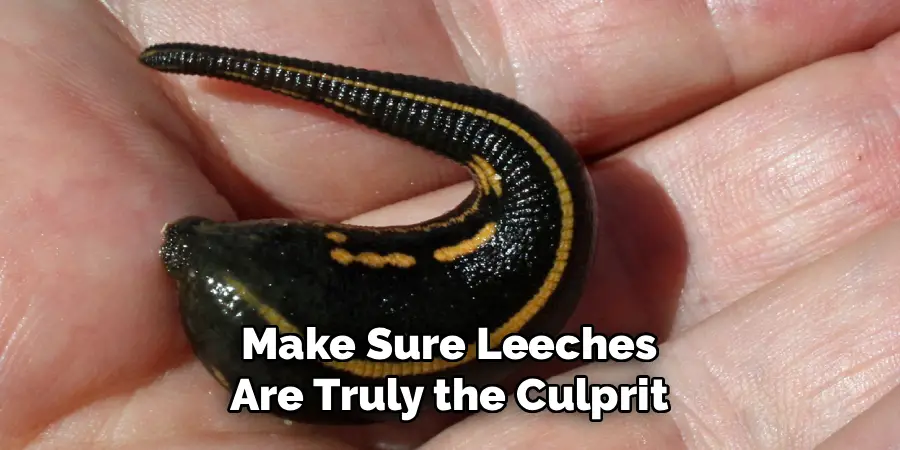
Before taking action, make sure leeches are truly the culprit. Look for flat, segmented worms that range from brown to black and move with a stretching, looping motion. Check the underside of lily pads, rocks, and debris where they like to hide during the day. You might also notice them attached to your fish or floating near the surface at dusk. Correctly identifying the pest saves you time and prevents you from treating the wrong problem. Once you confirm their presence, you can plan your removal strategy with confidence and avoid wasting effort on unnecessary treatments.
Step 2: Set a Simple Bait Trap
One of the easiest ways to learn how to remove leeches from a pond is by trapping them. Take an empty coffee can or jar, poke small holes in the lid, and place a piece of raw meat or liver inside. Leeches are drawn to the scent and crawl in, but they struggle to find their way out. Lower the trap into the water near the edge overnight, then remove it in the morning. You’ll often catch dozens in a single sitting. Repeat this for several nights to make a noticeable dent in the population.
Step 3: Remove Debris and Muck
Leeches love to hide in rotting leaves, sludge, and organic buildup at the bottom of your pond. Grab a pond net or rake and gently clear out decaying matter, taking care not to disturb your fish too much. This step removes both the leeches themselves and the hiding spots they depend on. Less debris means fewer places for them to breed and shelter. Make this a regular habit, especially in autumn when falling leaves pile up fast. A cleaner bottom layer discourages new infestations and supports better water quality overall.

Step 4: Manually Pick and Relocate
For smaller ponds, hands-on removal works surprisingly well. Wearing gloves, pick off any leeches you spot on rocks, plants, or pond walls and drop them into a bucket of salty water, which kills them quickly. Inspect your fish gently and remove any attached leeches with tweezers if needed. This method is tedious but effective when paired with trapping. Doing this during daylight, when many leeches rest in shaded spots, increases your success. Regular manual checks keep numbers down and give you a chance to monitor your pond’s health up close.
Step 5: Introduce Natural Predators
Nature offers helpful allies in your fight against leeches. Many fish, including certain types of koi, goldfish, and especially predatory species, happily snack on leeches and their eggs. Ducks are another reliable option, as they forage along the shallows and shoreline. Adding these natural predators creates a balanced ecosystem that keeps leech populations in check without chemicals. Just be sure any new fish or animals are compatible with your existing setup. This gentle, long-term approach reduces your workload over time and rewards you with a more self-sustaining, lively pond environment.

Step 6: Improve Water Quality and Circulation
Stagnant, dirty water is a leech paradise. Installing a pump, fountain, or aerator boosts oxygen levels and keeps water moving, both of which make conditions less welcoming for these pests. Test your water regularly and address high nutrient levels caused by overfeeding fish or excess plant decay. Trimming back overgrown vegetation also opens up the space and removes shelter. When your pond is clean, oxygenated, and well-circulated, leeches struggle to thrive. These improvements not only discourage pests but also create a healthier habitat for your fish and beneficial organisms.
Step 7: Maintain and Prevent Future Infestations
Knowing how to remove leeches from a pond is only half the battle; keeping them away is just as important. Make removal and cleaning part of your routine maintenance, checking traps and clearing debris every few weeks. Inspect new plants before adding them, since leeches and their eggs often hitch a ride. Keep your fish population healthy and avoid overfeeding, which fuels the muck leeches love. Consistent care and a watchful eye prevent small problems from becoming big ones. With steady effort, you’ll enjoy a clear, balanced pond season after season.

Frequently Asked Questions
Are Pond Leeches Dangerous To Fish Or Pets?
Most pond leeches are harmless in small numbers, but a large population can cause real trouble. They attach to fish and pets to feed, leaving behind wounds that may become infected. Stressed fish are more likely to fall ill, and pets can pick up leeches while swimming or drinking. While rarely life-threatening, heavy infestations deserve prompt attention to protect the health of every creature in your pond.
What Naturally Attracts Leeches To A Pond?
Leeches are drawn to ponds rich in decaying organic matter, such as fallen leaves, uneaten fish food, and bottom sludge. Stagnant water with poor circulation and low oxygen levels also creates ideal breeding conditions. They feed on small organisms and blood, so a pond full of fish and amphibians offers an appealing food source. Reducing debris and improving water movement makes your pond far less inviting to them.
How Long Does It Take To Get Rid Of Leeches?
The timeline depends on the size of your pond and how severe the infestation is. With consistent trapping, manual removal, and cleaning, you can noticeably reduce numbers within one to two weeks. Fully clearing a heavy population may take several weeks of repeated effort. Patience and routine maintenance are key. The cleaner and more balanced your pond becomes, the faster and more lasting your results will be.
Can I Use Chemicals To Kill Pond Leeches?
Chemical treatments exist, but they should be a last resort. Many products that target leeches can also harm fish, plants, and beneficial insects, throwing your ecosystem off balance. If you choose this route, research carefully and follow instructions exactly, ideally consulting a pond specialist first. In most cases, natural methods like trapping, cleaning, and introducing predators are safer, more affordable, and just as effective for everyday pond owners.
Will Leeches Come Back After Removal?
Leeches can return if the conditions that attracted them remain unchanged. Eggs may linger in debris or arrive on new plants, restarting the cycle. The best defense is ongoing prevention: keep your pond clean, maintain good circulation, and inspect anything you add to the water. Regular monitoring lets you catch a few stragglers before they multiply. With steady upkeep, you can keep recurrences rare and manageable over the long term.
Conclusion
Dealing with a leech-filled pond can feel overwhelming at first, but as you’ve seen, the process is far more manageable than it appears. By identifying the problem early, setting bait traps, clearing debris, removing leeches by hand, and inviting natural predators, you create a layered defense that works. Pair these efforts with better water circulation and consistent maintenance, and you’ll address both the symptoms and the root causes. The whole point of learning how to remove leeches from a pond is to restore balance, so your fish stay healthy and your water stays clear.
Don’t wait for a small population to spiral out of control. Start with one or two steps today, whether that’s setting a simple trap tonight or scooping out built-up muck this weekend. Each action brings you closer to a thriving, leech-free pond you can enjoy with confidence. With a little patience and regular care, you’ll protect your aquatic friends and keep your backyard oasis looking its best all year round. Your pond and everything living in it will thank you for it.

About
Outdoor Fixes is a distinguished figure in the world of Diy design, with a decade of expertise creating innovative and sustainable Diy solutions.
His professional focus lies in merging traditional craftsmanship with modern manufacturing techniques,
fostering designs that are both practical and environmentally conscious. As the author of diy,
outdoorfixes delves into the art and science of outdoorfixes-making, inspiring artisans and industry professionals alike.
Education RMIT University
(Melbourne, Australia) Associate Degree in Design (Outdoor Fixes) Focus on sustainable design, industry-driven projects,
and practical craftsmanship. Gained hands-on experience with traditional and digital manufacturing tools, such as CAD and CNC software.
Nottingham Trent University
(United Kingdom) Bachelor’s in outdoorfixes.com and Product Design (Honors) Specialized in product design with a focus on blending creativity with production
techniques. Participated in industry projects, working with companies like John Lewis and Vitsoe to gain real-world insights.
Publications and Impact
In diy, Outdoor Fixes his insights on indoor design processes, materials, and strategies for efficient production.
His writing bridges the gap between artisan knowledge and modern industry needs, making it a must-read for both budding designers and seasoned professionals.