
Water granular fertilizer into the soil within 24 hours of application—ideally within 30 to 60 minutes on warm days. Apply a quarter to half an inch of water to dissolve granules and move nutrients toward the root zone, without over-saturating the soil and leaching those nutrients away.
Fertilizing your lawn is one of the better investments you can make in its long-term health. But here’s what most guides won’t tell you upfront: the fertilizer itself is almost beside the point if the watering that follows is off. Too little water, and concentrated nitrogen sits on the grass surface, scorching it. Too much, and you flush nutrients past the root zone entirely, wasting your money and stressing your lawn in the process.
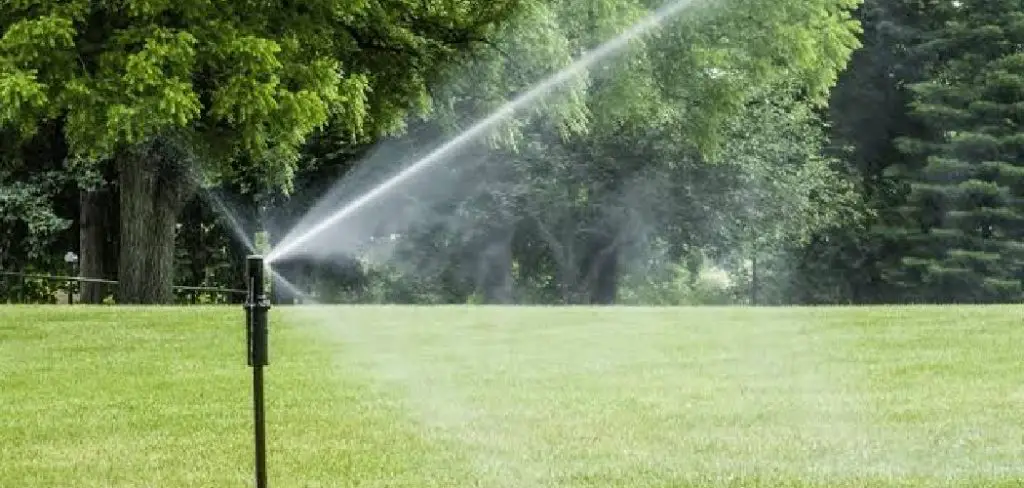
Getting this step right isn’t complicated—but it does require some attention to timing, quantity, and seasonal conditions. This guide on how to water after fertilizing lawn walks through exactly how to water after fertilizing, including the most common mistakes, what healthy post-fertilization recovery looks like, and how to adjust your routine across the seasons.
Why Watering After Fertilizing Actually Matters?
Fertilizer granules don’t activate the moment they land on your lawn. The nutrients locked inside each granule need water to dissolve and travel down through the soil profile to reach the root zone—where grass can actually absorb them. Without that initial watering, granules sit exposed on the surface, baking in the sun, concentrating in dry soil, and never delivering what your lawn needs.
There’s also the burn risk to consider. Fertilizer burn—the yellowing and browning caused by excess nitrogen in direct contact with grass blades—can happen even with high-quality products. A prompt, well-measured watering session dissolves granules quickly, moves nitrogen away from the leaf surface, and sets the stage for even, healthy growth.
The type of fertilizer you’re using shapes how urgent this step is. Granular fertilizers need water to activate at all. Liquid fertilizers absorb faster but still benefit from a light post-application water to push nutrients below the surface. Slow-release formulas are more forgiving—they’re designed to meter nutrients gradually—but consistent moisture still affects how efficiently they work.
7 Steps on How to Water After Fertilizing Lawn
Step 1: Read the Product Label Before You Begin
This sounds obvious, but most people skip it. Fertilizer labels include specific watering windows and recommended application quantities that vary between products. Some slow-release granules allow a longer window before watering; others specify watering within a few hours. Working with the manufacturer’s guidance removes guesswork and ensures the product performs as intended.
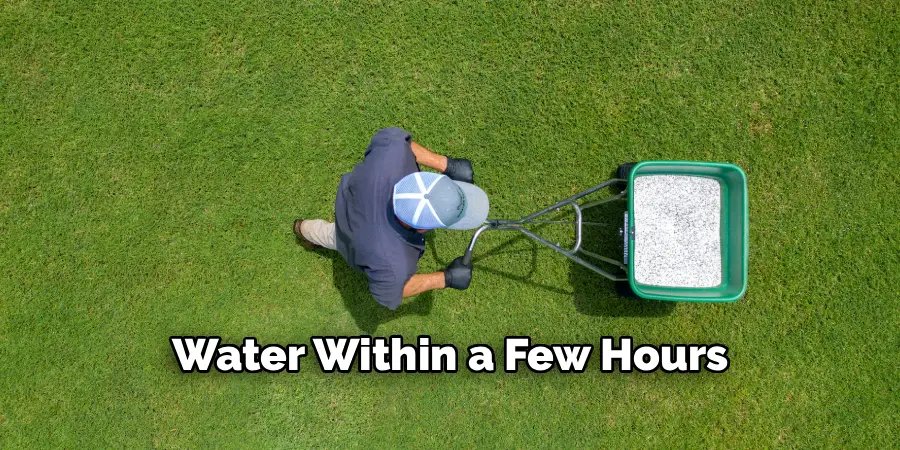
Step 2: Choose the Right Time of Day to Apply
Early morning or late afternoon applications work best. Cooler temperatures reduce evaporation, the sun is less intense, and the soil tends to absorb water more efficiently. Midday applications on hot days are worth avoiding—water evaporates before it can soak in, and the combination of heat and dry granules raises the burn risk considerably.
One more thing: check the forecast before you apply. A light shower after application can actually help activate granules. A heavy downpour, though, may suggest you should hold off—runoff can carry fertilizer off your lawn entirely before absorption has a chance to begin.
Step 3: Water Promptly After Applying Granular Fertilizer
For most granular products, watering within 24 hours is the minimum. On warm days—say, above 80°F—watering within 30 to 60 minutes is worth prioritizing. The longer the granules sit on dry grass in heat, the higher the burn risk becomes. This first watering session has one goal: dissolve the granules and move nutrients toward the root zone, not just wet the surface.
Step 4: Apply the Right Amount of Water—Not More
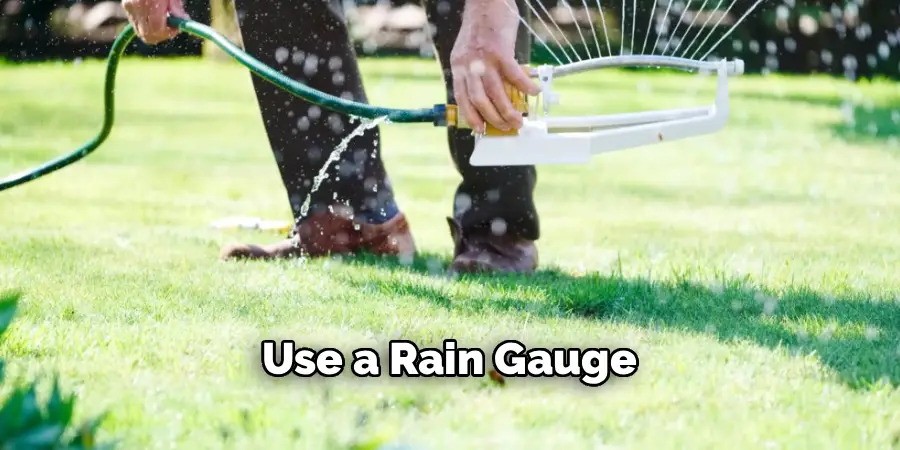
A quarter to half an inch of water is generally sufficient to activate granular fertilizer. That’s enough to dissolve granules and begin moving nutrients downward, without saturating the soil to the point of leaching. Measure output using a rain gauge or a flat-bottomed container placed on your lawn during irrigation. If you’re guessing, you’re probably either under- or over-watering.
Step 5: Follow Up With Deep, Infrequent Watering
After the initial activation watering, shift to a deep watering schedule. Deep, infrequent sessions—rather than light, daily sprinkles—encourage grass roots to grow downward in search of moisture, which produces a stronger, more drought-tolerant lawn over time. Target roughly one inch of water per week total, accounting for rainfall. Consistency here matters more than volume.
Step 6: Let the Surface Dry Between Sessions
Letting the top layer of soil dry slightly between waterings serves two purposes. It discourages the damp surface conditions that favor fungal disease, and it signals to roots that deeper moisture is where the reward lies. The finger test is low-tech but reliable: push your finger about an inch into the soil. Dry to the touch? Water. Still moist? Wait a day.

Step 7: Adjust Based on Current Weather
A fixed irrigation schedule is convenient, but it rarely reflects what your lawn actually needs. During hot, dry spells, soil dries faster, and fertilizer can concentrate in the upper soil layer—more frequent watering may be necessary. During cooler or wetter stretches, scaling back significantly is important to avoid waterlogging. A smart irrigation controller that factors in local weather data can handle much of this automatically.
Following these steps on how to water after fertilizing lawn will help ensure that your lawn stays healthy and balanced.
Common Mistakes That Undermine Your Fertilizer Investment
Overwatering is the most frequently made error. It may seem like a safe choice, but excess water moves nutrients below the root zone, where grass can’t reach them. Underwatering does the opposite—granules stay on the surface too long and risk scorching. Watering at night extends the period that moisture sits on grass blades, which creates the warm, damp conditions that fungal disease thrives in.
Applying fertilizer to already drought-stressed grass without immediate follow-up watering is another scenario where burn damage tends to be significant, since dry roots are especially vulnerable.
Signs Your Post-Fertilization Watering Routine Is Working
Consistent, even greening across the lawn within one to two weeks of fertilizing is a good indicator that watering has been adequate. Uneven or patchy greening often points to inconsistent irrigation. The soil should feel firm underfoot—not spongy—and slightly moist a few inches below the surface.
A simple tug test can confirm healthy root development: grip a small handful of grass and pull gently. Resistance suggests the roots are anchoring deeply, which reflects good deep watering practice. Absence of yellowing, streaking, or brown patches indicates the fertilizer activated evenly without burning the surface.
What to Do If You’ve Overwatered?
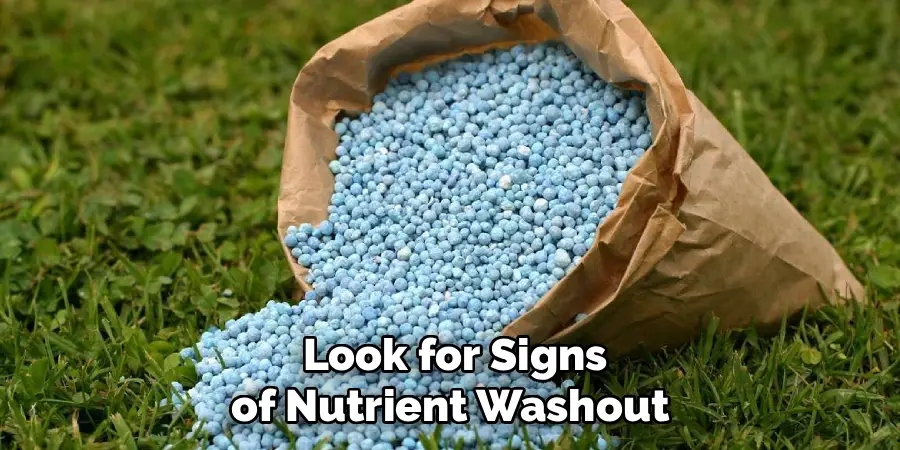
Stop irrigating immediately and let the soil drain naturally. Avoid walking on a saturated lawn, as compaction makes drainage worse. Once the lawn dries out, look for signs of nutrient washout—particularly pale or persistently yellowing grass.
If washout appears likely, a light follow-up application of balanced fertilizer once the soil has recovered could help compensate. Going forward, use a rain gauge to measure irrigation output precisely, and avoid running your system on a fixed timer during wet periods.
Seasonal Watering Considerations
Spring and fall are the most straightforward seasons for post-fertilization watering. Mild temperatures, active grass growth, and moderate evaporation rates mean a standard deep watering schedule works well. Summer fertilization demands more vigilance—heat accelerates evaporation and amplifies burn risk, so prompt, deep watering becomes especially important.
In cooler climates, fall fertilization prepares grass for winter dormancy, and lighter watering is often sufficient given the lower evaporation rates. Fertilizing just before frost is generally inadvisable; frozen ground can’t effectively absorb either water or nutrients.
Frequently Asked Questions
How Long After Fertilizing Should You Water Your Lawn?
For granular fertilizers, water within 24 hours of application—ideally within 30 to 60 minutes if temperatures are high. Liquid fertilizers generally absorb faster and may only need a light watering to help push nutrients into the soil. Slow-release fertilizers offer a slightly wider window, but prompt watering still produces better results. Always refer to the product label for the most accurate timing guidance, as formulations vary between brands and nutrient profiles.
Can You Fertilize and Water on the Same Day?
Yes, and in most cases, you should. Watering on the same day as fertilizer application is strongly recommended for granular products, as it dissolves the granules and reduces the risk of fertilizer burn. Apply fertilizer first, then water afterward—never water first and immediately fertilize, as wet grass can cause granules to stick to blades rather than falling through to the soil. Apply in the morning, then water a short time later for the best results.
How Much Water Does a Lawn Need After Fertilizing?
A quarter to half an inch of water is generally enough to activate granular fertilizer and push nutrients toward the root zone. Applying more than this in a single session risks leaching nutrients too deep for roots to reach. Use a rain gauge or a shallow container placed on your lawn to measure sprinkler output accurately. In the days following application, continue with approximately one inch of water per week, adjusting based on rainfall and seasonal temperature conditions.
What Does Fertilizer Burn Look Like?
Fertilizer burn appears as yellow or brown streaks and patches across the lawn, typically within a few days of application. It tends to occur where granules were over-applied or where watering was delayed on a hot day. Affected areas may feel dry and brittle to the touch. In mild cases, consistent deep watering can help the lawn recover over two to four weeks. In severe cases, reseeding the damaged patches may be necessary.
Is It Okay to Fertilize Before Rain?
A light rain shortly after fertilizing can help activate granules and is generally fine. Heavy rainfall is the concern—significant runoff can carry fertilizer off the lawn entirely, wasting your application and potentially contributing to waterway pollution. As a rule, avoid fertilizing if heavy rain is forecast within 24 hours.
Give Your Lawn the Follow-Through It Deserves
Fertilizing your lawn is only half the job. The watering that follows determines whether all that effort—and investment—actually pays off. Apply the right amount at the right time, adjust for the seasons, and stay alert to how your grass responds. A lawn that receives consistent, well-timed watering after fertilization tends to show it: denser growth, stronger roots, and fewer stress symptoms from one season to the next.
Start with the seven steps on how to water after fertilizing lawn above, measure what you’re applying, and refine your routine from there.

About
Outdoor Fixes is a distinguished figure in the world of Diy design, with a decade of expertise creating innovative and sustainable Diy solutions.
His professional focus lies in merging traditional craftsmanship with modern manufacturing techniques,
fostering designs that are both practical and environmentally conscious. As the author of diy,
outdoorfixes delves into the art and science of outdoorfixes-making, inspiring artisans and industry professionals alike.
Education RMIT University
(Melbourne, Australia) Associate Degree in Design (Outdoor Fixes) Focus on sustainable design, industry-driven projects,
and practical craftsmanship. Gained hands-on experience with traditional and digital manufacturing tools, such as CAD and CNC software.
Nottingham Trent University
(United Kingdom) Bachelor’s in outdoorfixes.com and Product Design (Honors) Specialized in product design with a focus on blending creativity with production
techniques. Participated in industry projects, working with companies like John Lewis and Vitsoe to gain real-world insights.
Publications and Impact
In diy, Outdoor Fixes his insights on indoor design processes, materials, and strategies for efficient production.
His writing bridges the gap between artisan knowledge and modern industry needs, making it a must-read for both budding designers and seasoned professionals.