
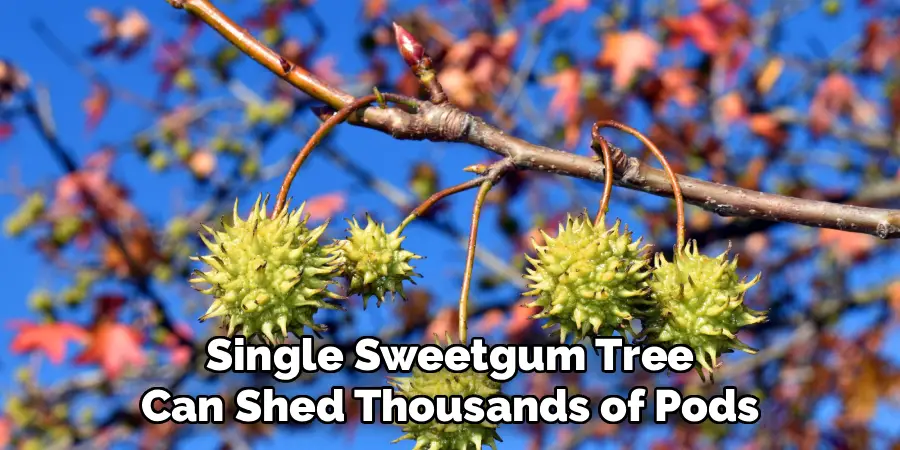
If you’ve ever walked barefoot across your lawn in October, you probably don’t need an explanation of what gumballs are. That sharp, immediate pain underfoot is unforgettable. Those spiky seed pods—dropped by sweetgum trees (Liquidambar styraciflua) by the thousands each fall—can turn a well-kept lawn into something resembling a medieval obstacle course.
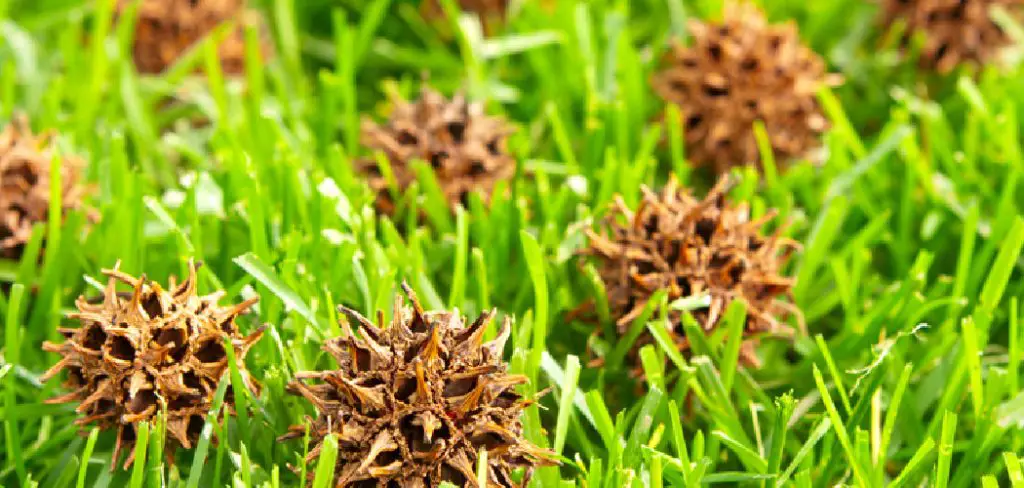
The frustrating part? They don’t decompose quickly. Unlike leaves, which break down over a season or two, gumballs can linger for months, smothering grass, clogging mowers, and creating real hazards for children and pets. But removing them doesn’t have to be a miserable afternoon.
This guide on how to get gumballs out of yard covers exactly how to get gumballs out of your yard—the right tools, the right timing, and a few things most people get wrong the first time around.
What Are Gumballs, Exactly?
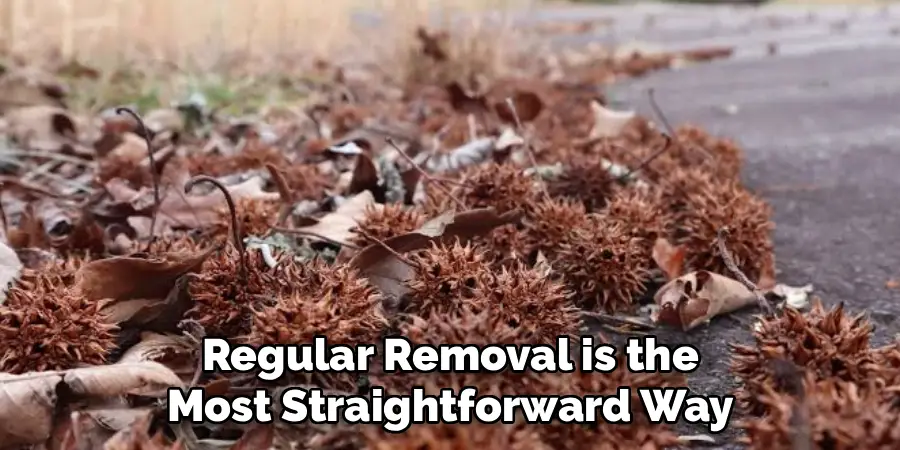
Each pod is roughly one to two inches in diameter, covered in stiff woody spines, and far harder than it looks. A single sweetgum tree can shed thousands of these pods in a season. Their outer shell resists decomposition well—so while your leaves are long gone by December, the gumballs may still be sitting there come spring.
Beyond the obvious tripping hazard, gumballs left on a lawn can trap moisture against the soil, block sunlight from reaching the grass, and create pockets where mold and fungal growth may take hold over time. Running a mower over a thick layer of them puts unnecessary strain on the blades—and, at certain speeds, can send a pod flying like a projectile.
Worth dealing with, in other words.
What Tools Do You Need Before You Start?
Before beginning any project, it’s important to have the right tools and equipment on hand. This is especially true when it comes to lawn care and maintenance. Here are some essential tools that you should have before starting any lawn-related tasks:
- Lawn Mower
- Rake
- Garden Hoe
- Shovel
- Water Hose or Sprinkler
- Wheelbarrow or Cart
- Fertilizer and/or Pesticides (if needed)
7 Simple Steps on How to Get Gumballs Out of Yard
Step 1: Wait for the Right Time
Rushing the cleanup may mean doing it twice. Gumballs are far easier to collect after the tree has dropped the majority of its pods—typically mid-to-late fall—rather than attempting multiple partial cleanups throughout the season. One thorough pass at peak drop is more efficient than five half-hearted ones.
Dry conditions also matter more than most people realize. Wet pods clump, sink slightly into soil, and resist rolling tools entirely.
Step 2: Dry Out the Area If Needed
Give the lawn a day or two to dry after rain before starting. Dry gumballs sit on the surface. Wet ones press into the grass and make sweepers and rollers far less effective—they push pods into the ground rather than picking them up.
A bit of patience at this stage saves a disproportionate amount of effort later.
Step 3: Clear Leaves and Debris With a Leaf Blower
Before any raking or rolling, blow away the leaf layer sitting on top of the gumballs. This exposes the pods and makes collection dramatically easier—you’d be surprised how many get hidden under just a thin layer of leaves.
Pay particular attention to fence lines, the undersides of shrubs, and edges of garden beds. These spots tend to collect pods that are easy to overlook until you’re done and realize you missed them.
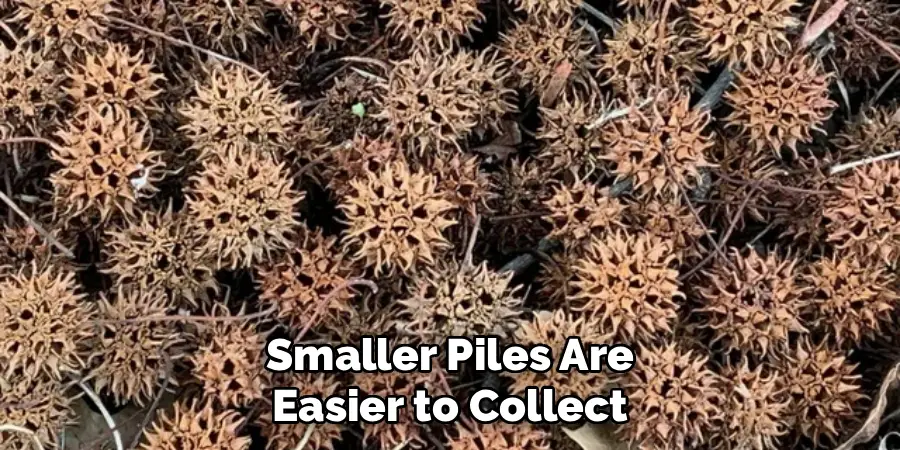
Step 4: Rake Gumballs Into Smaller Piles
Using a sturdy leaf rake, gather the exposed pods into several smaller piles distributed across your yard rather than trying to drag everything into one central heap. Smaller piles are easier to collect from, and working in sections—clearing one area fully before moving on—keeps the job organized without backtracking.
Rake in a consistent direction when possible. Raking back and forth just redistributes pods you’ve already moved.
Step 5: Roll the Lawn With a Nut Roller
A nut roller—sometimes sold as a lawn roller or nut gatherer—is arguably the best investment you can make if you have a sweetgum tree. The rolling cage picks up gumballs as you push it across the lawn and deposits them into an attached container. One pass covers far more ground than manual raking, and it collects pods that are too small or scattered to bother raking individually.
Work in overlapping passes across the yard in a grid pattern. Empty the collector regularly; a full container loses pick-up efficiency and gets heavy quickly. In a single afternoon, a nut roller can collect what would otherwise take hours by hand.
Step 6: Bag and Dispose of the Pods
Transfer your piles and rolled collection into heavy-duty yard bags or onto a tarp. Standard plastic bags will puncture—opt for thick paper yard bags or reinforced plastic. Most municipalities allow gumballs to be disposed of with regular yard waste.
If you’d rather not bag them at all, gumballs can be composted in large outdoor bins, though they take considerably longer to break down than leaves or clippings due to their dense structure. Shredding or crushing the pods before composting speeds this up. Some gardeners use whole gumballs as mulch around trees or along pathways where foot traffic is low—their spiky surface may also deter small animals.
Step 7: Finish With a Mower Pass
Once the bulk is cleared, run your mower over the yard with the bag attachment fitted. This picks up smaller pods and debris that the rake and roller missed, and it lifts any grass that was matted down underneath the pod layer.
Keep the deck at a standard cutting height. The goal is a clean finish, not a deep cut—lowering the deck just to catch stragglers risks scalping the lawn.
Following these steps on how to get gumballs out of yard should leave you with a clean, debris-free lawn. Remember to dispose of the pods and debris responsibly, and consider implementing preventive measures in the future to avoid this problem altogether.
Common Mistakes That Slow You Down
A few missteps come up repeatedly, and most are easy to avoid once you know to watch for them:
- Starting before the tree finishes dropping — this almost guarantees you’ll have to repeat the process
- Running a mower without a bag — scatters pods rather than collecting them
- Working in wet conditions — wet gumballs resist every tool you’ll try
- Skipping the border areas — pods collect along fences and driveways, and if you leave those, they roll back onto the lawn within days.
- Using thin plastic bags — they puncture on the first handful
How to Care for Your Lawn After Removing Gumballs
Once the pods are gone, the lawn may need some attention. Check for bare or matted patches where pods have been sitting—these areas likely need raking to loosen compacted soil and allow air to reach the grass again.
Thin or stressed patches may benefit from overseeding with a grass variety suited to your region. Water-seeded areas consistently over the following weeks. A light application of balanced fertilizer after cleanup helps the lawn recover before winter dormancy, and aerating heavily compacted areas isn’t a bad idea either.
Keeping Gumballs Manageable Year After Year
For a longer-term approach, applying a growth regulator spray to your sweetgum tree in early spring—before it flowers—can reduce pod production significantly. Products containing ethephon appear to work best when applied by a professional arborist, and annual reapplication is typically required. This won’t eliminate gumballs entirely, but it could reduce the volume to something far more manageable.
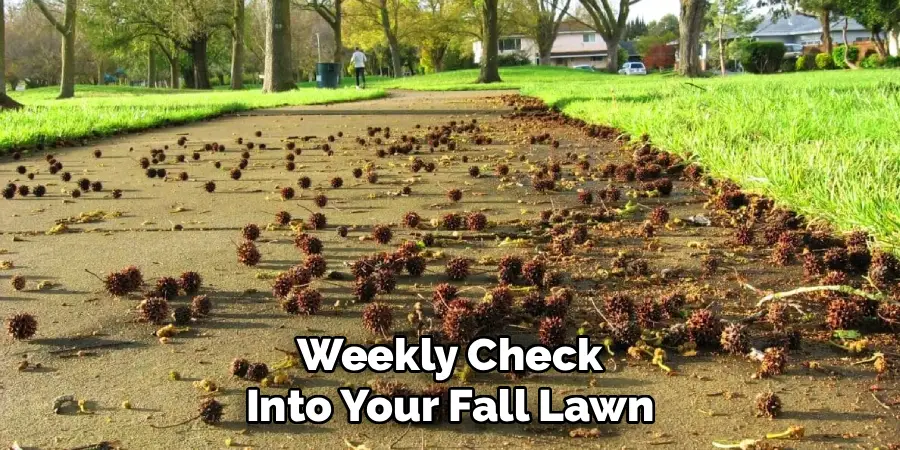
Building a simple weekly check into your fall lawn routine also helps. Catching smaller accumulations early means each session takes twenty minutes rather than half a day.
Frequently Asked Questions
What Is The Best Tool For Removing Gumballs From A Large Yard?
For large yards, a nut roller or tow-behind lawn sweeper is the most practical choice. Nut rollers are specifically sized for sweetgum pods and collect them in a rolling cage as you push. For very large properties, a tow-behind sweeper attached to a riding mower covers ground much faster.
Can Gumballs Be Composted Or Reused In The Garden?
Yes, though they decompose slowly due to their dense woody structure. Shredding or crushing them before adding to a compost bin speeds up breakdown. Whole gumballs also work as a low-maintenance mulch in areas with little foot traffic, where their spiky surface may help deter pests.
How Can I Prevent Gumballs From Becoming A Problem Every Year?
A spring growth inhibitor spray is the most effective long-term strategy, reducing—though not eliminating—pod production for that season. Pairing consistent seasonal cleanups with a lawn sweeper as part of your regular mowing routine keeps annual effort manageable without requiring any single major session.
Are Gumballs Harmful To Pets?
The spines on gumballs can injure paws, and pets that chew on pods risk mouth or digestive irritation. Regular removal is the most straightforward way to reduce risk, particularly in yards where dogs or cats spend significant time.
Gumballs Don’t Have to Own Your Yard
With the right tools and a clear process, gumball removal moves from dreaded seasonal chore to a predictable part of fall lawn care. Work in dry conditions, invest in a nut roller if you haven’t already, and don’t skip the finishing mower pass. A little consistency each autumn goes a long way toward keeping your lawn clean, safe, and healthy through winter.
The sweetgum tree may be a nuisance by October—but with this approach, it doesn’t have to be. Thanks for reading this guide on how to get gumballs out of yard.

About
Outdoor Fixes is a distinguished figure in the world of Diy design, with a decade of expertise creating innovative and sustainable Diy solutions.
His professional focus lies in merging traditional craftsmanship with modern manufacturing techniques,
fostering designs that are both practical and environmentally conscious. As the author of diy,
outdoorfixes delves into the art and science of outdoorfixes-making, inspiring artisans and industry professionals alike.
Education RMIT University
(Melbourne, Australia) Associate Degree in Design (Outdoor Fixes) Focus on sustainable design, industry-driven projects,
and practical craftsmanship. Gained hands-on experience with traditional and digital manufacturing tools, such as CAD and CNC software.
Nottingham Trent University
(United Kingdom) Bachelor’s in outdoorfixes.com and Product Design (Honors) Specialized in product design with a focus on blending creativity with production
techniques. Participated in industry projects, working with companies like John Lewis and Vitsoe to gain real-world insights.
Publications and Impact
In diy, Outdoor Fixes his insights on indoor design processes, materials, and strategies for efficient production.
His writing bridges the gap between artisan knowledge and modern industry needs, making it a must-read for both budding designers and seasoned professionals.