
To keep birds off your lawn, combine physical barriers, visual repellents, and habitat modifications. Covering grass seed with netting, installing reflective deterrents, and eliminating food sources are the most effective starting points. No single method works alone—layering strategies consistently delivers the best long-term results.
A lawn takes real effort to maintain. So when birds start ripping up freshly seeded patches or drilling holes across your turf in search of grubs, it’s frustrating in a way that feels disproportionate to the size of the culprit. The damage is real, though, and if left unchecked, it compounds quickly.
The good news is that you don’t need harsh chemicals or expensive interventions. A few well-chosen tools and some consistency will do most of the work. This guide on how to keep birds off lawn covers why birds target lawns in the first place, how to identify what you’re dealing with, and seven practical steps to stop the damage before it gets worse.
Why Are Birds Attracted to Your Lawn?
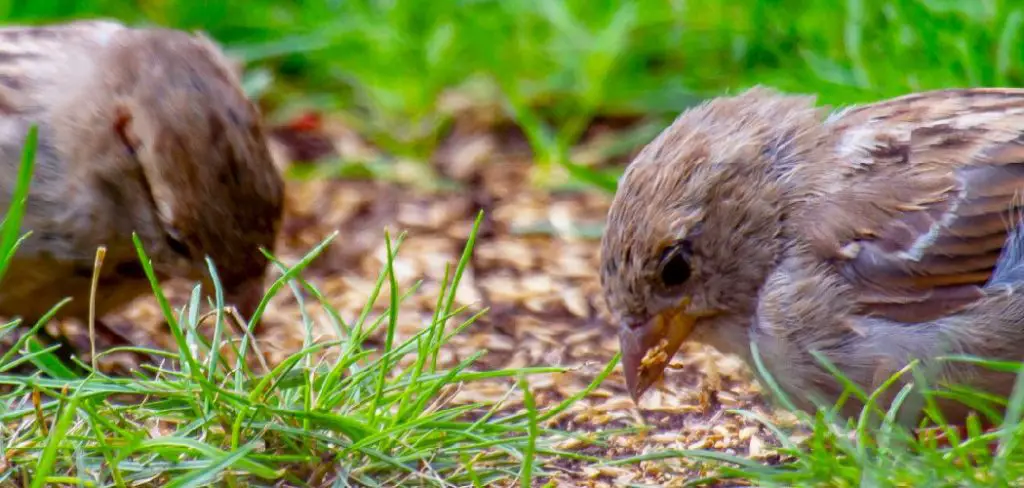
Birds don’t wander onto your grass by chance—they’re following a food signal. Freshly laid grass seed is an obvious draw, particularly for sparrows, finches, and starlings, which forage actively on open ground. But seeds are only part of the story.
Beneath the surface of most lawns lies a secondary food source: insects, grubs, and earthworms. Robins and crows are especially skilled at detecting larval movement underground, and they’ll return to the same patch repeatedly until it’s exhausted. Moist or recently irrigated lawns are particularly vulnerable, since soft soil makes it far easier for birds to access what’s underneath.
Signs Birds Are Damaging Your Lawn
If you’re not sure whether birds are the primary cause, look for these patterns:
- Bare or patchy areas in freshly seeded sections
- Small holes or divots are scattered across the lawn
- Pulled-up turf near garden bed edges
- Droppings concentrated in specific feeding zones
- Consistent bird activity during early morning or late afternoon hours
Several of these appearing together is a reasonable indicator that birds—not foot traffic or disease—are responsible.
Tools and Materials You’ll Need
Before starting, gather the following:
- Bird netting or mesh
- Reflective tape or foil strips
- Pinwheels or wind-activated spinners
- Fake predator decoys (owl or hawk shapes)
- Garden stakes or poles
- Landscape fabric or mulch
- Motion-activated sprinkler system (optional)
- Commercial bird repellent spray (optional)
Most of these are available at garden centers or online, and the majority can be reused season after season.
7 Simple Step-by-step Guidelines on How to Keep Birds Off Lawn
Step 1: Cover Newly Seeded Areas With Netting
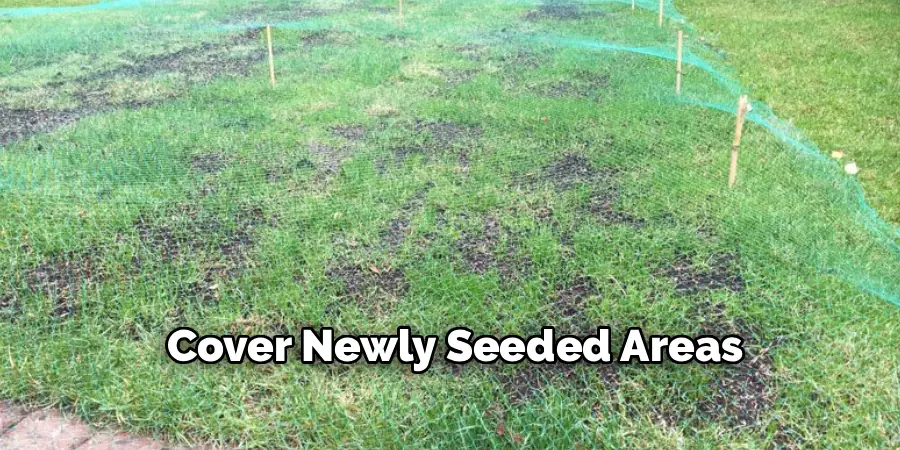
Bird netting is the most reliable physical barrier for newly seeded lawns. Lay it directly over affected patches and secure the edges with garden stakes so birds can’t slip underneath. The mesh should sit close to—but not touching—the soil surface to allow airflow while blocking access.
Leave netting in place until grass reaches at least one inch tall, which typically takes seven to fourteen days depending on variety and weather. For larger areas, lightweight row cover fabric is easier to manage and just as effective.
Step 2: Use Reflective Deterrents to Disorient Birds
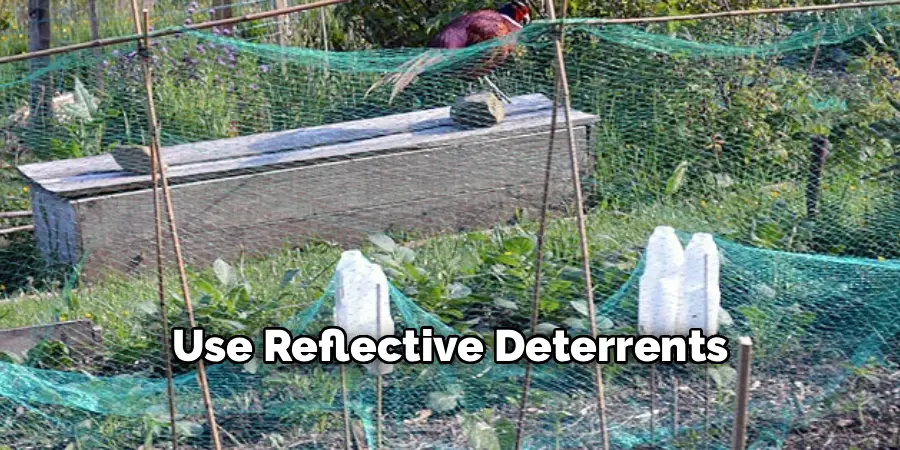
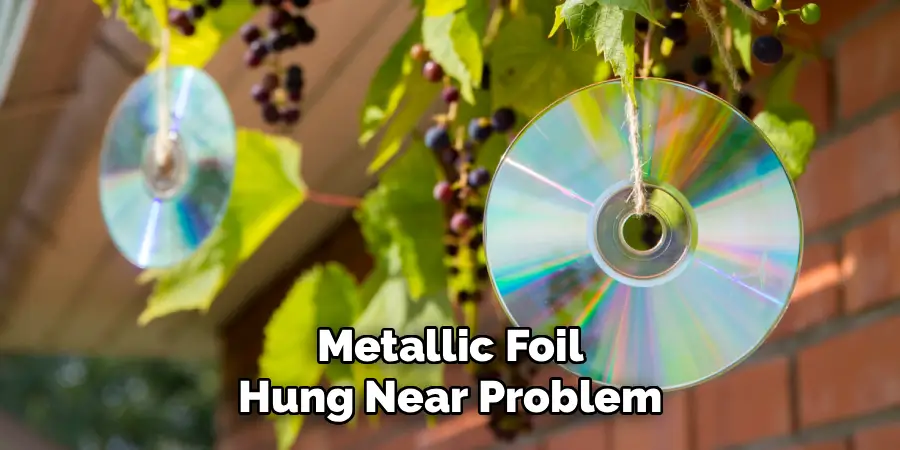
Birds react strongly to unpredictable light and movement. Strips of reflective tape, old CDs, or metallic foil hung near problem areas create shifting flashes that disorient birds and discourage them from landing.
Space strips every two to three feet along garden borders or above seeded zones, varying the height for better coverage. These work best in open, sunny spots where light can bounce freely throughout the day.
Step 3: Install Visual Predator Decoys
A fake owl or hawk placed at an elevated, visible point—a fence post, a shepherd’s hook—triggers a natural fear response in most small and medium-sized bird species. The keyword is visible. If the decoy is tucked behind foliage or sitting at ground level, it loses most of its effect.
More importantly, move the decoy every few days. Birds learn fast. A stationary “predator” that never shifts position will be ignored within a week.
Step 4: Add Motion-Activated Sprinklers
A motion-activated sprinkler is one of the cleaner solutions for larger or established lawns where netting isn’t practical. When a bird triggers the sensor, a short burst of water startles it—harmlessly, but effectively. Most birds associate the experience with danger and avoid the area going forward.
Set sensor sensitivity to detect smaller movements, and position the head to cover the zones with the most feeding activity. Standard garden hose connections make setup relatively simple.
Step 5: Apply a Bird Repellent Spray
Commercial bird repellent sprays typically use methyl anthranilate—a grape-derived compound that birds find deeply unpleasant—without harming the grass or nearby plants. Apply it to lawn edges, garden borders, and areas with concentrated feeding activity.
This method works better as a complement to physical deterrents than as a standalone solution. Reapply after rain or irrigation, since moisture dilutes the active compound fairly quickly.
Step 6: Remove Attractants From Your Yard
Deterrents become far more effective when the underlying draw is reduced. During the lawn recovery period, consider removing bird feeders entirely. Fix irrigation leaks that create persistently wet soil patches, and treat your lawn for grubs if digging birds keep returning to the same spots.
A grub control product applied to affected areas eliminates the subsurface food source—often resolving the problem more directly than any surface-level barrier.
Step 7: Create a Designated Bird-Friendly Zone Away From Your Lawn
Rather than simply pushing birds away, give them somewhere else to go. A bird feeder, birdbath, or cluster of native plants positioned in a corner of your yard away from the lawn can redirect foraging behavior without eliminating birds from your garden entirely.
When birds have a reliable food and water source elsewhere, they’re far less motivated to tear up your grass. It’s a small shift in thinking—deterrence alongside coexistence rather than deterrence alone.
Following these steps on how to keep birds off the lawn can not only help protect your yard but also support local bird populations and create a more harmonious relationship between humans and nature.
Common Mistakes to Avoid
When attempting to keep birds off your lawn, certain missteps can undermine your efforts or even cause unintended harm. One common mistake is relying solely on harmful deterrents like chemical repellents or sharp objects, which can injure wildlife or damage the environment.
Another pitfall involves neglecting to address the root causes, such as an abundance of grubs or other pests in your grass, which naturally attract birds. Additionally, inconsistent application of deterrent strategies—such as forgetting to regularly refill bird feeders or reposition decoys—can diminish their effectiveness over time. Lastly, disregarding the importance of creating alternative habitats or food sources can lead to a short-term solution rather than fostering long-term coexistence. By avoiding these errors, you can achieve more sustainable results in protecting your lawn.
When Should You Seek Professional Help?
Most bird-related lawn problems are manageable with DIY methods. A few situations, however, may warrant professional input.
If the bird species causing damage is federally or state-protected, attempting to trap or disturb it without proper authorization can carry legal consequences. A licensed wildlife control professional can advise on what’s permissible and provide humane, compliant solutions.
If bird activity points to a severe grub infestation beneath the surface, a lawn care specialist can assess the scope of the problem and recommend treatments that aren’t available to the general public. And if the lawn has sustained real structural damage—dead sections, compacted soil, or uprooted turf—a landscaping professional can restore it properly rather than just treating what’s visible.
Frequently Asked Questions
What Is the Most Effective Way to Keep Birds Off a Newly Seeded Lawn?
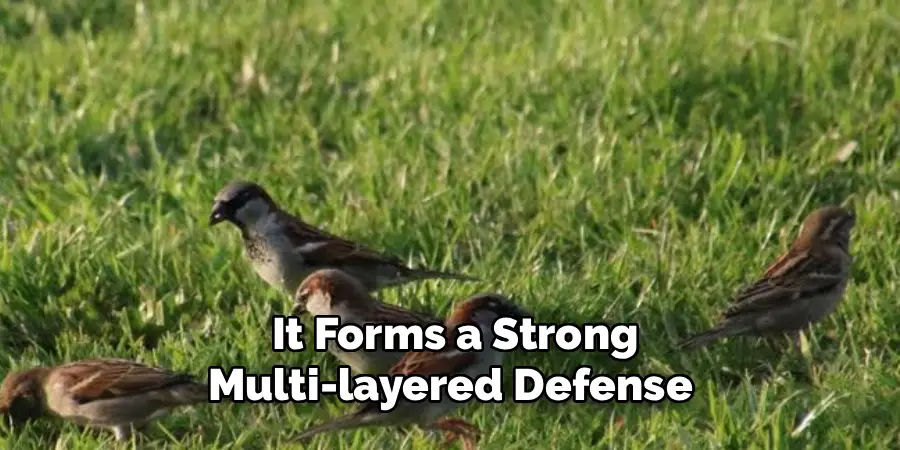
Bird netting remains the single most effective method for protecting newly seeded lawns. Secured tightly around all edges and left in place until new grass reaches at least one inch in height, it physically prevents access without the need for chemicals or ongoing effort. Combined with reflective deterrents and the removal of nearby attractants, it forms a strong multi-layered defense that’s difficult for birds to navigate around.
Are Bird Repellent Sprays Safe for Pets and Children?
Most commercially available bird repellent sprays use food-grade compounds such as methyl anthranilate, which is generally considered safe for humans and animals when applied as directed. Allow the spray to dry fully before letting children or pets onto the treated area, and choose a formula explicitly labeled as pet-safe if that’s a concern. Reading the product label carefully before application is always worth the few extra minutes.
How Long Does It Take to Stop Birds From Damaging Your Lawn?
With consistent application of multiple deterrents, most homeowners see a meaningful reduction in bird activity within two to four weeks. Birds are persistent, particularly when a food source has been reliable—but they’re also adaptable, and once a location becomes consistently unrewarding, they shift their foraging elsewhere. Staying consistent with deterrent rotation and attractant removal throughout this window gives you the strongest chance of a lasting outcome.
Protect Your Lawn for the Long Haul
Keeping birds off your lawn is a process, not a one-time fix. Identify the species responsible, reduce the attractants drawing them in, and layer your deterrents so that removing one doesn’t leave a gap.
The seven steps on how to keep birds off lawn covered here—netting, reflective materials, predator decoys, motion-activated sprinklers, repellent sprays, attractant removal, and habitat redirection—form a complete toolkit. Apply them consistently, rotate what birds might habituate to, and your lawn will both recover and stay protected through the seasons ahead.

About
Outdoor Fixes is a distinguished figure in the world of Diy design, with a decade of expertise creating innovative and sustainable Diy solutions.
His professional focus lies in merging traditional craftsmanship with modern manufacturing techniques,
fostering designs that are both practical and environmentally conscious. As the author of diy,
outdoorfixes delves into the art and science of outdoorfixes-making, inspiring artisans and industry professionals alike.
Education RMIT University
(Melbourne, Australia) Associate Degree in Design (Outdoor Fixes) Focus on sustainable design, industry-driven projects,
and practical craftsmanship. Gained hands-on experience with traditional and digital manufacturing tools, such as CAD and CNC software.
Nottingham Trent University
(United Kingdom) Bachelor’s in outdoorfixes.com and Product Design (Honors) Specialized in product design with a focus on blending creativity with production
techniques. Participated in industry projects, working with companies like John Lewis and Vitsoe to gain real-world insights.
Publications and Impact
In diy, Outdoor Fixes his insights on indoor design processes, materials, and strategies for efficient production.
His writing bridges the gap between artisan knowledge and modern industry needs, making it a must-read for both budding designers and seasoned professionals.