
If algae blooms have turned your beautiful pond into a green, murky mess, you’re not alone. Many pond owners face this frustrating problem every season, and the good news is there’s a reliable solution. Learning how to apply copper sulfate crystals to a pond gives you a powerful tool to control algae, clear cloudy water, and restore the healthy balance your fish and plants depend on.
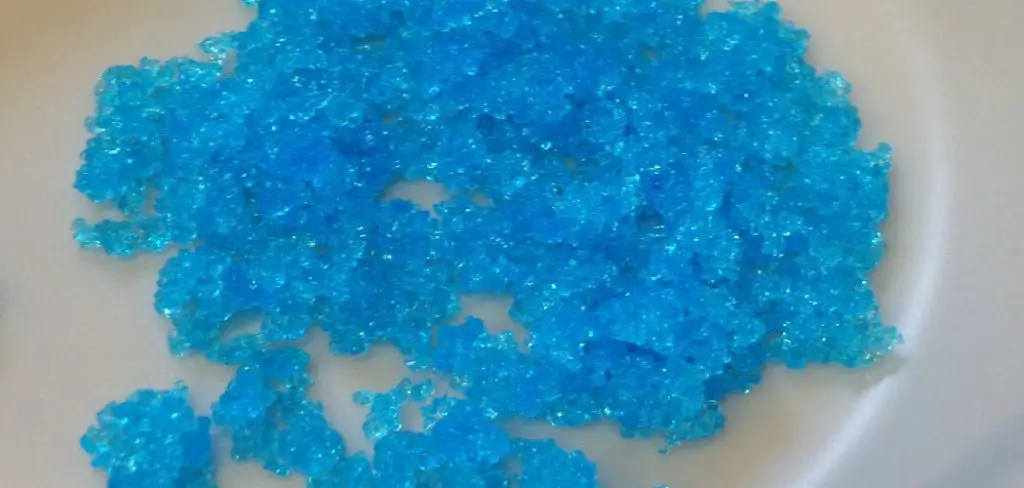
Copper sulfate is an affordable, widely used treatment that targets unwanted algae and certain aquatic weeds. When used correctly, it works fast and delivers visible results within days. But here’s the important part. Using too much, or applying it the wrong way, can harm fish and disrupt your pond’s ecosystem.
That’s exactly why this guide exists. We’ll walk you through everything step by step, from calculating your pond’s volume to spreading the crystals safely and monitoring the results. Whether you’re a complete beginner or simply want to refresh your approach, you’ll finish this article feeling confident and ready to treat your water the right way.
Why Applying Copper Sulfate Crystals to a Pond Matters
Treating your pond with copper sulfate isn’t just about appearances, though clearer water certainly looks great. Algae overgrowth steals oxygen from your water, especially at night, which can stress or even kill fish. Thick mats of algae also block sunlight, smother beneficial plants, and create foul odors that ruin your outdoor space.
Copper sulfate stops this cycle quickly. It controls algae at the source, helping oxygen levels recover and giving your fish and plants room to thrive. Used responsibly, it keeps maintenance costs low and saves you hours of manual scooping and scrubbing.
The key word here is responsibly. Correct dosing protects your fish while still wiping out the problem, so understanding the process empowers you to get results without unwanted side effects.
Step-by-Step Guide to How to Apply Copper Sulfate Crystals to a Pond
Step 1: Measure Your Pond Volume
Before you do anything else, you need to know how much water you’re treating. Accurate volume is the foundation of safe dosing, so take your time here. For a rectangular pond, multiply length by width by average depth in feet, then multiply that figure by 7.48 to get gallons. For round ponds, use the radius squared, multiply by 3.14, then by depth and 7.48.
Knowing your exact volume prevents dangerous over-application. Too much copper can harm fish, while too little won’t solve your algae problem. Write your final number down somewhere safe, because you’ll reference it again when measuring out the right amount of crystals.
Step 2: Test Your Water Quality
Copper sulfate behaves differently depending on your water chemistry, so testing first is non-negotiable. The most important factor is alkalinity, sometimes labeled as total hardness on test kits. Water with low alkalinity, under 50 parts per million, makes copper far more toxic to fish, which means you’ll need to reduce your dose or avoid treatment entirely.
Pick up an inexpensive test kit from any garden or pet store and check alkalinity, pH, and temperature. Warm water below 60 degrees slows copper’s effectiveness, while extremely hot water raises fish stress. Recording these readings helps you treat confidently and gives you a baseline to compare against later.
Step 3: Calculate the Correct Dosage
Now you’ll combine your volume and water test results to find the right amount. A common safe rate is roughly 0.3 parts per million of copper, which usually translates to about one pound of copper sulfate per 100,000 gallons in water with healthy alkalinity. Always check the product label, since concentrations vary between brands.
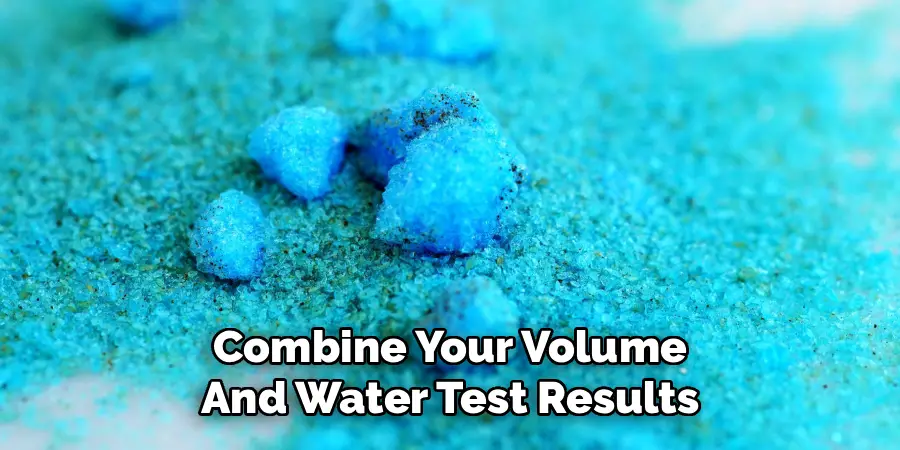
This is the heart of how to apply copper sulfate crystals to a pond correctly, because the right math protects your fish. If your alkalinity sits on the lower end, cut your dose in half and watch closely. When in doubt, start conservative. You can always add a little more later, but you cannot remove copper once it’s in.
Step 4: Choose the Right Day and Conditions
Timing matters more than most beginners realize. Treat your pond early in the morning on a calm, sunny day when water temperatures sit between 60 and 80 degrees. Morning application gives algae the full day to break down while oxygen levels are naturally rising, which reduces stress on your fish.
Avoid treating during heatwaves or when water is already low on oxygen, since dying algae consumes oxygen as it decomposes. Skip windy days too, because gusts make even distribution difficult. Picking the right conditions sets the stage for a smooth, effective treatment and dramatically lowers the risk of any fish loss.
Step 5: Dissolve and Distribute the Crystals
Never toss dry crystals directly into the water, as they sink and create concentrated hot spots that can scorch plants and harm bottom-dwelling fish. Instead, dissolve your measured crystals in a bucket of warm pond water first, stirring until they fully break down. This simple step is central to how to apply copper sulfate crystals to a pond safely and evenly.
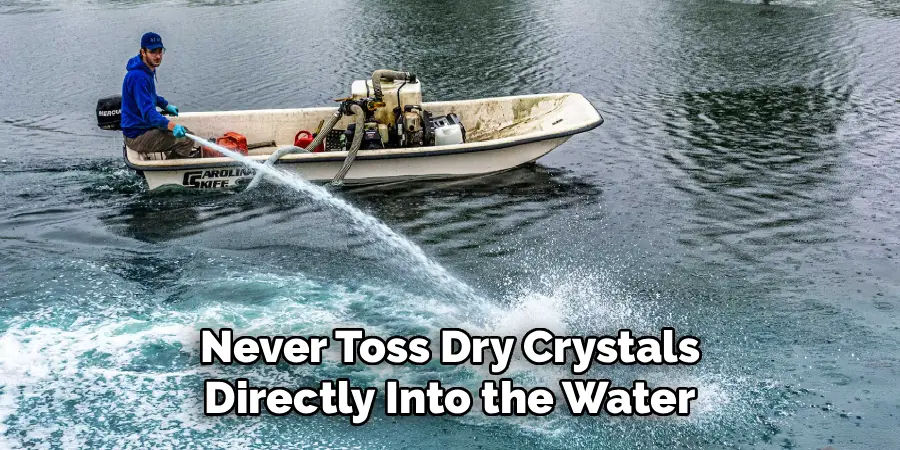
Once dissolved, pour the solution around the edges of your pond as you walk the perimeter, or distribute it from a boat for larger water bodies. Focus on areas with the heaviest algae growth. Spreading the mixture widely ensures every section receives a fair, balanced dose rather than one overwhelming patch.
Step 6: Monitor Fish and Water Closely
Your job isn’t finished once the crystals are in the water. For the next 24 to 48 hours, keep a close eye on your fish for signs of distress, such as gasping at the surface or unusual lethargy. These behaviors signal low oxygen, which can happen as algae dies off and decomposes.
If you notice trouble, run an aerator, fountain, or even a garden hose spray to boost oxygen immediately. Treating only half your pond at a time, then waiting a few days before the rest, is a smart safety trick for heavily infested water. Staying attentive during this window protects your fish and confirms the treatment is working as intended.
Step 7: Maintain and Prevent Future Blooms
After algae clears, shift your focus to prevention so you don’t repeat the cycle every few weeks. Remove decaying leaves, uneaten fish food, and excess debris that feed algae growth. Adding aquatic plants like water lilies provides natural shade and competes with algae for nutrients.
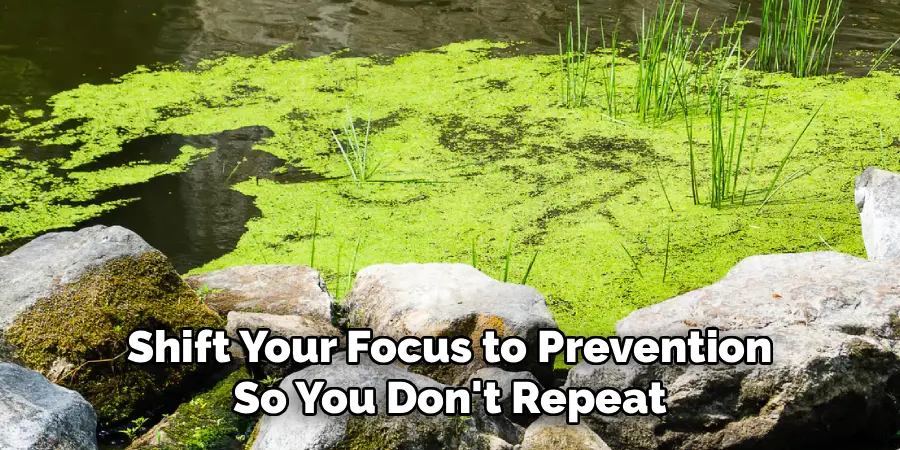
Regular, light maintenance beats heavy emergency treatments every time. Test your water monthly, keep an aerator running during hot spells, and avoid overfeeding fish. With consistent care, you’ll need copper sulfate far less often, saving money while keeping your pond clear, healthy, and enjoyable all season long.
Frequently Asked Questions
How Long Does Copper Sulfate Take to Work?
Most pond owners see visible results within one to three days. Algae begins changing color, often turning brown or white, before breaking apart and settling. Cooler water slows this process, while warm, sunny conditions speed it up. Be patient and avoid adding more product too soon, as overlapping doses can stress fish and push copper levels into a harmful range.
Will Copper Sulfate Harm My Fish?
When dosed correctly for your water’s alkalinity, copper sulfate is generally safe for most pond fish. Problems arise from over-application or treating water with very low alkalinity. Always test first, follow label directions, and treat in sections if you have heavy algae. Trout and koi tend to be more sensitive, so research your specific species before applying any treatment.
How Often Can I Treat My Pond?
This depends on algae severity and water conditions, but most experts recommend spacing treatments at least two weeks apart. Frequent applications allow copper to accumulate in sediment, which can eventually reach toxic levels. Instead of repeated dosing, focus on prevention through aeration, debris removal, and adding shade plants. A well-maintained pond rarely needs more than a few treatments each year.
Is It Safe for Pets and Wildlife?
At proper concentrations, treated pond water poses minimal risk to pets, birds, and visiting wildlife. Still, it’s wise to keep dogs from drinking large amounts immediately after application. Copper sulfate does not linger heavily in the water once it disperses and binds with sediment. If you raise ducks or other waterfowl, double-check current guidelines for your region first.
Can I Use Copper Sulfate in a Pond With Plants?
Yes, but with care. Copper sulfate can damage sensitive aquatic plants, particularly submerged varieties, if doses run high. Hardy plants like water lilies usually tolerate correct concentrations well. To protect valued vegetation, stick to the lowest effective dose and avoid pouring concentrated solution directly onto plant beds. Monitoring your plants after treatment helps you adjust future applications wisely.
Conclusion
Clearing a green, algae-choked pond doesn’t have to feel overwhelming. By measuring your water volume, testing alkalinity, calculating a safe dose, and distributing dissolved crystals evenly, you set yourself up for clear, healthy water without putting your fish at risk. The real secret to knowing how to apply copper sulfate crystals to a pond is balance, using just enough to control algae while protecting the living ecosystem you’ve worked hard to build.
Remember that prevention is your best long-term friend. Regular maintenance, good aeration, and a few shade-providing plants will keep blooms from coming back and reduce how often you reach for treatment. Start with the steps above, monitor your results closely, and adjust as you learn what works for your unique pond. With patience and the right approach, you’ll enjoy beautifully clear water all season long. Grab your test kit, do the math, and take that first confident step today.

About
Outdoor Fixes is a distinguished figure in the world of Diy design, with a decade of expertise creating innovative and sustainable Diy solutions.
His professional focus lies in merging traditional craftsmanship with modern manufacturing techniques,
fostering designs that are both practical and environmentally conscious. As the author of diy,
outdoorfixes delves into the art and science of outdoorfixes-making, inspiring artisans and industry professionals alike.
Education RMIT University
(Melbourne, Australia) Associate Degree in Design (Outdoor Fixes) Focus on sustainable design, industry-driven projects,
and practical craftsmanship. Gained hands-on experience with traditional and digital manufacturing tools, such as CAD and CNC software.
Nottingham Trent University
(United Kingdom) Bachelor’s in outdoorfixes.com and Product Design (Honors) Specialized in product design with a focus on blending creativity with production
techniques. Participated in industry projects, working with companies like John Lewis and Vitsoe to gain real-world insights.
Publications and Impact
In diy, Outdoor Fixes his insights on indoor design processes, materials, and strategies for efficient production.
His writing bridges the gap between artisan knowledge and modern industry needs, making it a must-read for both budding designers and seasoned professionals.