
Ant hills form when underground colonies push excavated soil to the surface. To remove them, identify the ant species, choose an appropriate treatment (boiling water, diatomaceous earth, bait stations, or insecticide), apply it directly to each mound, flatten the area, then water and monitor for several weeks. Most infestations are manageable without professional help.
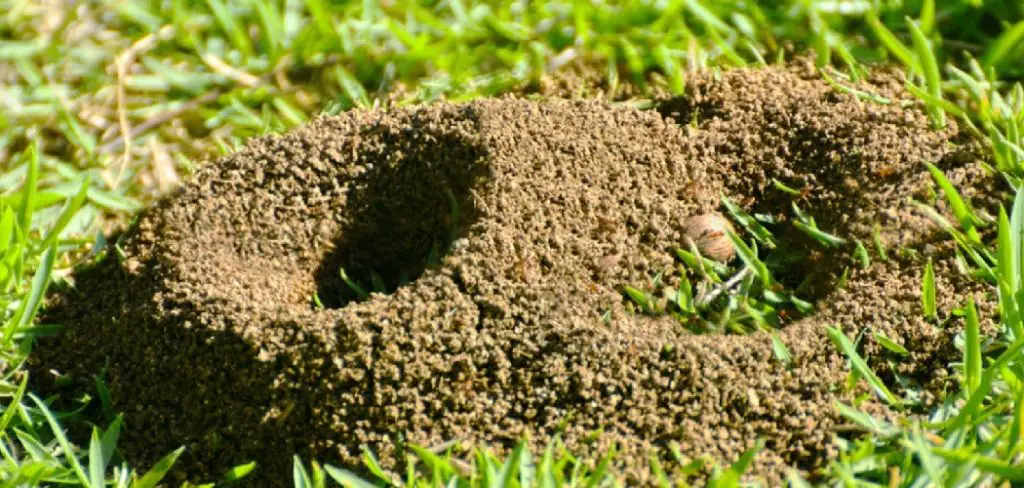
Ant hills have an uncanny way of appearing overnight. One morning, your lawn looks fine; the next, there are half a dozen sandy mounds poking up through the grass. If you’ve spotted these telltale lumps scattered across your yard, the situation is almost certainly more manageable than it looks.
This guide on how to deal with ant hills in lawns covers why ant hills form, whether they’re actually doing harm, and a practical step-by-step process for getting rid of them. By the end, you’ll know exactly what to do—and, just as importantly, what not to do.
Why Do Ant Hills Form in Lawns?
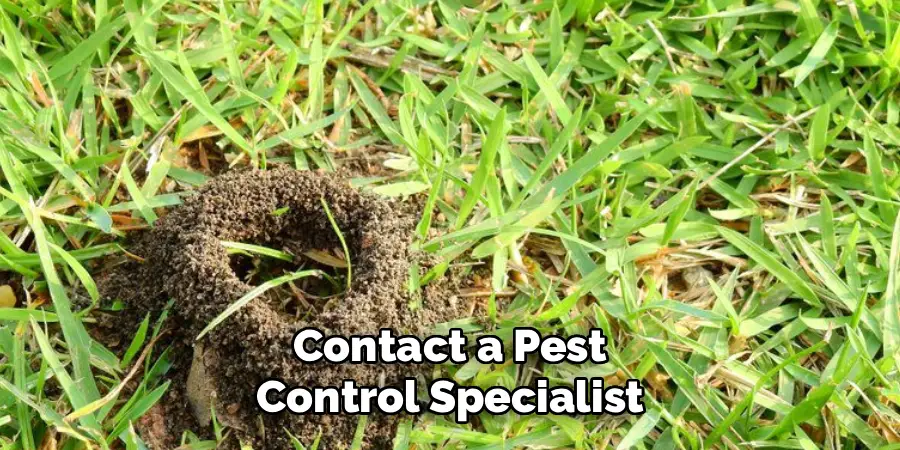
Worker ants tunnel deep into the soil to expand their colony’s underground network, pushing displaced dirt to the surface as they go. The result? Those familiar mounds of loose, granular soil. What looks like a minor surface issue may actually indicate tunneling that extends several feet down.
Lawns are particularly hospitable to ants. Warm, loose soil is easy to excavate. Moisture levels tend to be consistent. Food sources—insects, organic debris, plant matter—are rarely far away. Compacted or dry patches near garden beds, walkways, or fence lines are common hotspots, since these areas tend to retain warmth and provide the shelter a new colony needs when establishing itself.
Are Ant Hills Harmful to Your Lawn?
Mostly a nuisance, but not always a harmless one. The mounds themselves create uneven surfaces that complicate mowing and can gradually smother the grass beneath them. Large colonies may also disrupt root systems over time, which shows up as thinning or dead patches.
There’s another indirect risk worth knowing about: certain ant species actively protect aphids—small, sap-sucking insects that damage garden plants. An established ant colony can, in effect, shield a separate pest problem from natural predators. Ants do aerate the soil, which has genuine benefits, but that advantage tends to get outweighed when a colony grows large enough to visibly affect your lawn’s surface and structure.
Tools and Materials You’ll Need
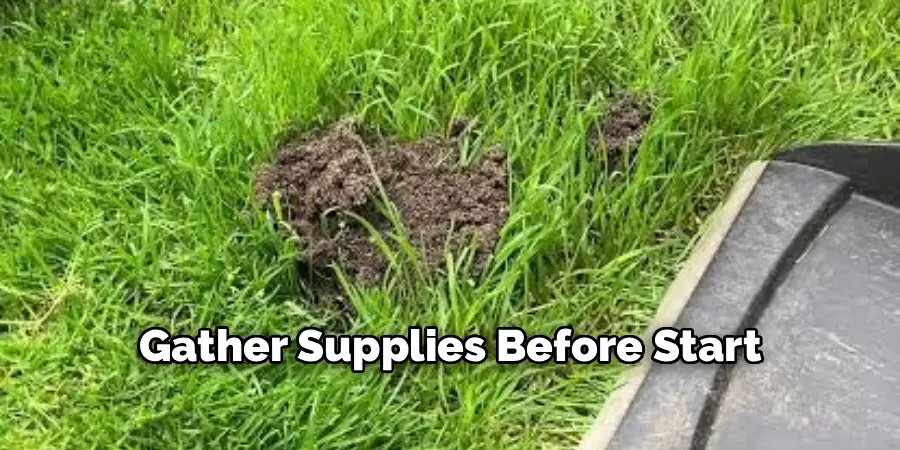
Gathering supplies before you start saves time and avoids mid-treatment interruptions. Here’s a practical list:
- Garden rake or flat shovel
- Garden hose or watering can
- Boiling water (for natural treatment)
- Diatomaceous earth or boric acid
- Ant bait stations or granular ant killer
- Insecticide spray (for persistent infestations)
- Protective gloves and closed-toe shoes
- Lawn repair seed mix for patching damaged areas
7 Simple Steps on How to Deal With Ant Hills in Lawns
Step 1: Locate All Active Ant Hills
Walk the full perimeter of your lawn before doing anything else. Ants frequently build satellite colonies close to the main nest, so a single visible mound may be just one part of a wider network. Check along fence lines, garden beds, and anywhere with loose or dry soil.
Mark each mound. Treating only some of the hills leaves the colony a base to rebuild from, which tends to undo most of your effort.
Step 2: Avoid Disturbing the Mounds Before Treatment
Stomping on or scattering mounds before applying treatment is a common mistake. Disturbing the nest can cause the colony to sense danger and relocate the queen within hours—spreading the problem rather than solving it. Keep pets and children away from affected areas while you prepare, and let the colony stay calm until you’re ready to act.
Step 3: Choose Your Treatment Method
Several approaches work well, depending on the severity of the infestation and your preference for natural versus chemical solutions:
- Boiling water – Poured slowly into the center of the mound, this is chemical-free and effective for small colonies. It typically requires multiple applications.
- Diatomaceous earth – Sprinkled around and into the mound, this natural powder damages ants’ exoskeletons and dehydrates them over days.
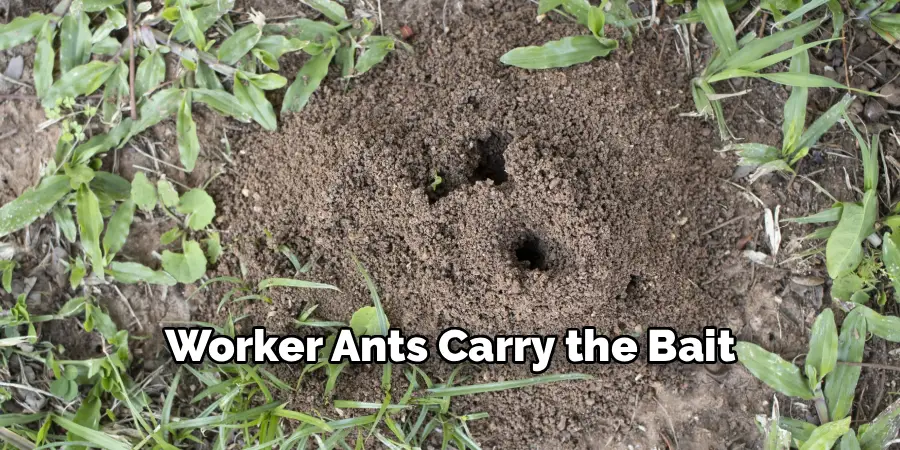
- Bait stations – Worker ants carry the bait back to the colony, eventually reaching and killing the queen. Slower than other methods, but highly effective for large or persistent infestations.
- Granular or liquid insecticide – Best suited for serious infestations, particularly fire ants. Follow label instructions carefully and keep pets off treated areas until the product has dried.
Step 4: Apply Treatment Directly to the Mound
Apply your chosen method to the center of each mound, not just the surface. For liquid treatments, aim for the heart of the colony. For granular products, spread evenly around the mound and water lightly afterward to push the treatment deeper into the soil.
Timing matters here. Early morning or late evening, when ants are most active near the surface, gives any treatment the best chance of reaching worker ants—and eventually the queen.
Step 5: Flatten and Disperse the Mound
After treating, use a flat shovel or garden rake to break up and spread the mound. This exposes the tunnels and removes the loose soil that ants rely on for shelter. Spreading the displaced soil also prevents it from sitting on and smothering the surrounding grass.
If you’re dealing with fire ant mounds specifically, wear thick gloves and closed-toe shoes, and work quickly. Fire ants respond aggressively to disturbance.
Step 6: Water the Treated Area
A thorough watering after flattening helps push liquid or granular treatments deeper into the soil, reaching tunnels that extend well below the surface. It also helps the surrounding grass recover and encourages the soil to settle evenly.
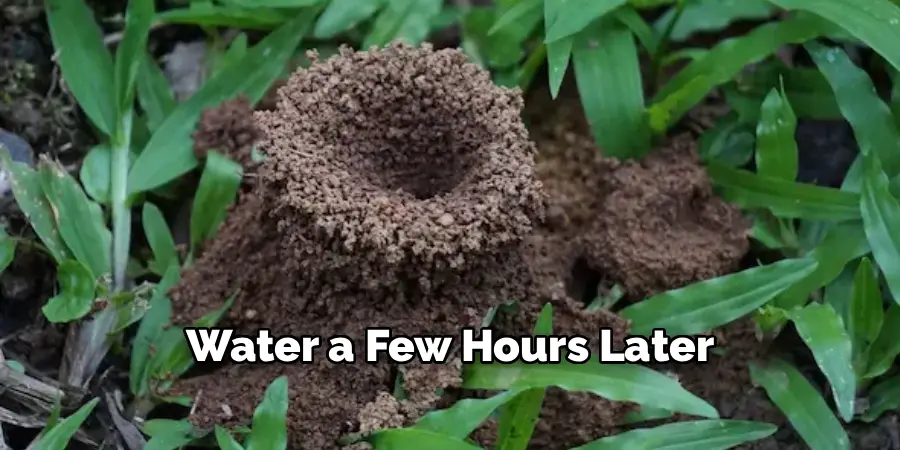
If boiling water was your chosen treatment, a follow-up rinse with room-temperature water a few hours later may help protect nearby grass roots from residual heat.
Step 7: Monitor and Repeat if Necessary
Check treated areas every two to three days. Some colonies—particularly larger ones—may need a second or even third round of treatment before activity stops entirely. New mounds appearing nearby suggest the colony has partially relocated, so treat those promptly.
Keeping a simple record of where mounds appeared and when can help you track progress and catch any resurgence early.
Following these steps on how to deal with ant hills in lawns will help you maintain the beauty of your lawn and keep it ant-free.
How to Prevent Ant Hills from Coming Back
A healthy, dense lawn is genuinely harder for ants to colonize. Keep grass well-watered and properly fertilized, aerate annually to break up the compacted dry patches that ants prefer, and clear organic debris—wood piles, leaf litter, decaying mulch—from lawn edges.
Sealing cracks in nearby pathways and foundations also reduces entry points for new colonies before they get established.
When Should You Call a Professional Pest Control Service?
If multiple treatment rounds haven’t made a noticeable dent, or if the infestation covers a large portion of your lawn, a licensed pest control professional can assess the situation and apply more targeted solutions. Fire ant infestations in particular may warrant professional attention—especially in yards used regularly by children or pets.
A professional can also map the colony’s underground network, which may extend well beyond what’s visible on the surface. If any activity appears to be moving toward your home’s foundation or into indoor spaces, contacting a pest control specialist sooner rather than later is the right call.
Frequently Asked Questions
How Do I Know If an Ant Hill Is Active or Abandoned?
An active mound will show visible ant movement, particularly in the morning or evening, and may have freshly disturbed soil added to it daily. An abandoned mound tends to look dry and compacted with no movement. Lightly tap the mound with a stick—if ants emerge within a minute or two, the colony is still active and needs treatment.
Is It Safe to Use Chemical Ant Killers Around Pets and Children?
Most commercial ant killers are considered safe once they’ve dried or been absorbed into the soil, provided label instructions are followed carefully. Keep pets and children off treated areas for the period stated on the packaging—typically 24 to 48 hours for granular products, and less for sprays once dry. For households with young children or sensitive pets, diatomaceous earth and bait stations are generally the lower-risk options.
How Long Does It Take to Completely Get Rid of Ants in a Lawn?
It depends on the colony size and method used. Boiling water and diatomaceous earth may require one to three weeks of repeated application. Bait stations, which work by targeting the queen, typically take two to six weeks for full elimination. Chemical insecticides can show results within a few days, though a follow-up treatment is often still needed for complete control.
Do Ant Hills Always Mean There’s a Serious Infestation?
Not necessarily. A single mound may indicate a small, early-stage colony that’s straightforward to treat. Multiple mounds appearing in quick succession, or mounds returning shortly after treatment, may suggest a larger or more established colony that needs a more thorough approach.
Take Back Your Lawn, One Mound at a Time
Ant hills are frustrating, but they’re a solvable problem. With the right identification, a consistent treatment approach, and a few preventive habits built into your lawn care routine, the situation is well within reach. The key is acting early and following through—don’t stop at the first sign of progress.
Work through the steps above, stay consistent with follow-up checks, and call a professional if the colony proves too large to manage on your own. A little effort now will save you a lot of mounds—and a lot of headaches—down the track. Thanks for reading this guide on how to deal with ant hills in lawns.

About
Outdoor Fixes is a distinguished figure in the world of Diy design, with a decade of expertise creating innovative and sustainable Diy solutions.
His professional focus lies in merging traditional craftsmanship with modern manufacturing techniques,
fostering designs that are both practical and environmentally conscious. As the author of diy,
outdoorfixes delves into the art and science of outdoorfixes-making, inspiring artisans and industry professionals alike.
Education RMIT University
(Melbourne, Australia) Associate Degree in Design (Outdoor Fixes) Focus on sustainable design, industry-driven projects,
and practical craftsmanship. Gained hands-on experience with traditional and digital manufacturing tools, such as CAD and CNC software.
Nottingham Trent University
(United Kingdom) Bachelor’s in outdoorfixes.com and Product Design (Honors) Specialized in product design with a focus on blending creativity with production
techniques. Participated in industry projects, working with companies like John Lewis and Vitsoe to gain real-world insights.
Publications and Impact
In diy, Outdoor Fixes his insights on indoor design processes, materials, and strategies for efficient production.
His writing bridges the gap between artisan knowledge and modern industry needs, making it a must-read for both budding designers and seasoned professionals.