
Few things are as frustrating as watching your hard work disappear overnight. You plant fresh lettuce, tend your flower beds, and wake up to chewed stems and missing greens. Rabbits may look adorable, but they can wreck a garden fast. If you have been searching for how to get rid of rabbits in backyard spaces without harming them or breaking the bank, you are in the right place.
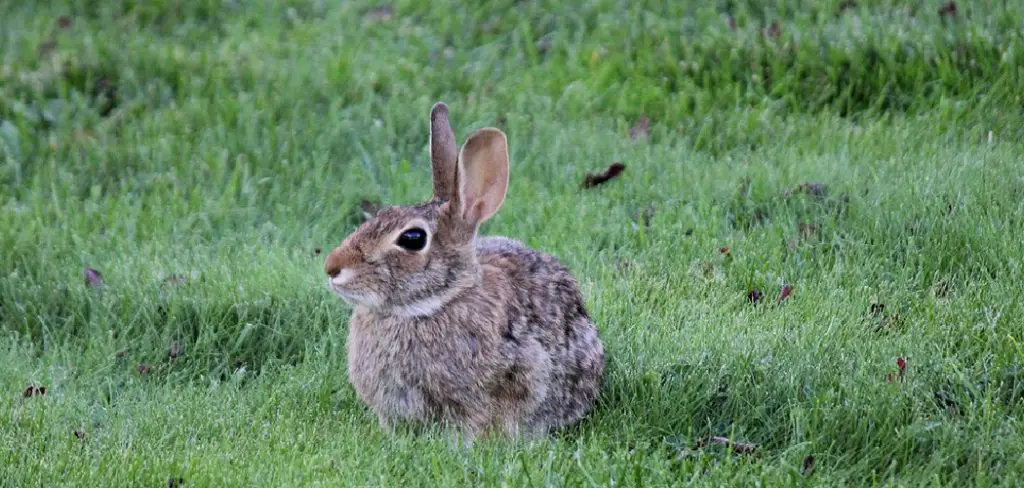
The good news is that rabbits follow predictable patterns, which means you can outsmart them with a few proven methods. You do not need expensive equipment or professional training to protect your plants. With the right mix of barriers, repellents, and habitat changes, you can reclaim your yard and keep it that way.
This guide walks you through everything step by step, from spotting the early signs to building lasting defenses. Whether you garden as a hobby or grow your own food, these techniques work for all skill levels. Grab a notebook, take a quick look around your yard, and let us get started on a practical, humane plan that actually works.
Why Getting Rid Of Rabbits In Your Backyard Matters
Rabbits breed quickly and eat constantly, so a small problem can grow into a serious one in just a few weeks. A single pair can produce dozens of offspring in one season, and each hungry mouth targets your vegetables, flowers, and young tree bark.
Beyond the plants themselves, rabbits can damage your investment of time and money. Replacing chewed seedlings adds up fast, and their burrows can disturb soil and lawn structure. Taking early action protects your harvest, keeps your landscaping healthy, and saves you from constant replanting. It also helps you maintain a balanced yard where wildlife and your garden can coexist peacefully. By acting now, you set yourself up for a thriving, low-stress growing season with far fewer surprises waiting for you each morning.
Step-by-Step Guide To How To Get Rid Of Rabbits In Backyard
Step 1: Confirm The Signs Of Rabbit Activity
Before you take action, make sure rabbits are truly the culprits. Look for clean, angled cuts on plant stems, since rabbits nibble at a sharp 45-degree angle rather than tearing leaves like deer or insects. Round droppings the size of peas are another clear giveaway.
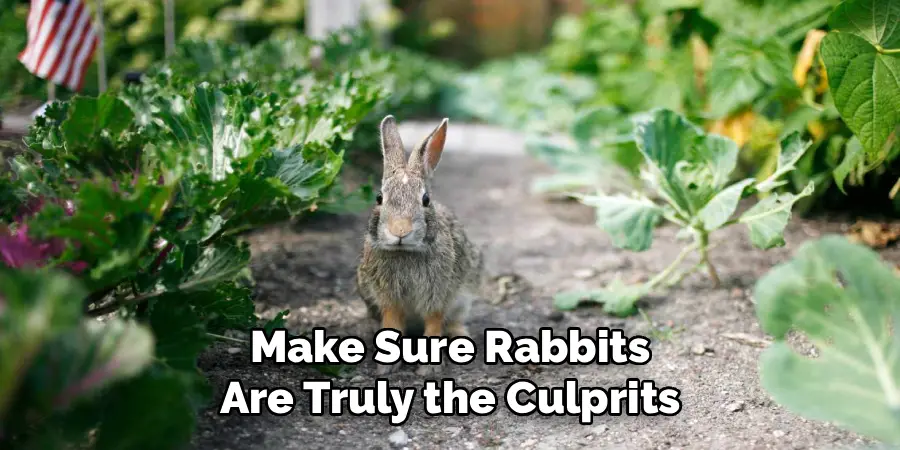
You should also scan for shallow burrows, tufts of fur caught on fences, and worn paths through your grass. Early morning and dusk are prime feeding times, so a quick patrol then can reveal the visitors in action. Identifying the problem accurately saves you from wasting effort on the wrong solution. Once you confirm rabbits are present, you can move forward with a targeted, confident plan.
Step 2: Remove Their Favorite Hiding Spots
Rabbits crave shelter, so a tidy yard becomes far less inviting. Start by clearing brush piles, tall weeds, and overgrown shrubs where they like to hide and nest. Stack firewood off the ground and seal gaps under sheds, decks, and porches with sturdy mesh.
Keeping your grass trimmed short removes cover and makes rabbits feel exposed to predators, which encourages them to move along. Pay attention to quiet corners and fence lines, since these spots often become favorite resting areas. By taking away comfortable hiding places, you make your backyard a much riskier choice for them. This single habitat change often does more than any spray or gadget you might try later.
Step 3: Install A Rabbit-Proof Fence
A well-built fence is one of the most reliable defenses you can set up. Use chicken wire or hardware cloth with openings no larger than one inch, since young rabbits can squeeze through bigger gaps. Make the fence at least two feet tall to stop them from jumping over.

Because rabbits dig, bury the bottom edge six to ten inches underground and bend it outward in an L-shape to block tunneling. This extra step takes more effort, but it pays off with years of protection. Surround vegetable beds or your entire garden depending on the size of the problem. A solid fence gives you peace of mind and a strong physical barrier they simply cannot beat.
Step 4: Use Natural And Store-Bought Repellents
Repellents work by making your plants smell or taste unpleasant to rabbits. Commercial sprays often contain garlic, capsaicin, or dried blood, all of which signal danger or distaste. You can also make a homemade mix with garlic, hot pepper, and a little dish soap to help it stick to leaves.
Apply repellents in the evening and reapply after rain or watering, since they wash away over time. Rotating between different scents prevents rabbits from getting used to one product. Knowing how to get rid of rabbits in backyard areas often comes down to consistency here, because steady reapplication keeps your defenses fresh and your plants protected throughout the entire growing season.
Step 5: Add Plants Rabbits Dislike
You can turn your garden into a natural deterrent by choosing plants rabbits tend to avoid. Strong-smelling herbs like lavender, mint, sage, and oregano often keep them at a distance. Marigolds, geraniums, and onions also rank low on a rabbit’s menu.
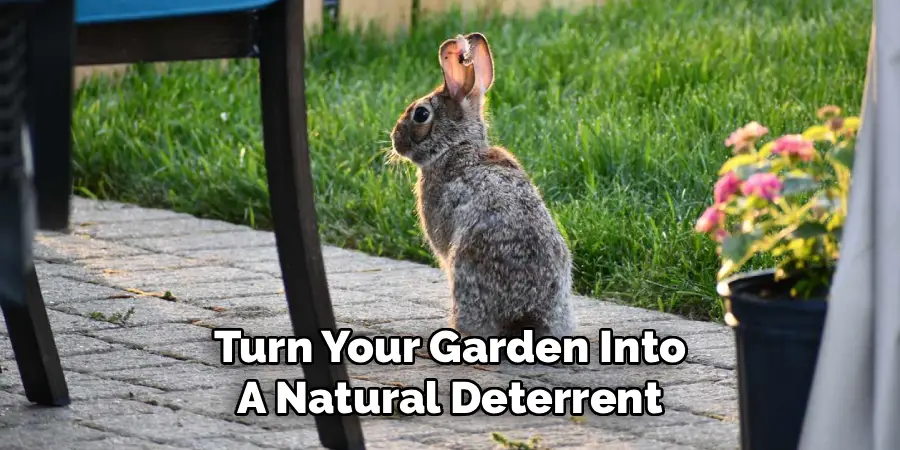
Plant these around the border of your beds to create a fragrant barrier that discourages nibbling. While no plant is completely rabbit-proof, surrounding your prized vegetables with unappealing options makes your garden less tempting overall. This approach blends beauty and function, giving you a yard that looks great while quietly protecting your harvest. Combining repellent plants with other methods strengthens your overall defense and reduces how often rabbits even bother to visit.
Step 6: Try Scare Tactics And Motion Deterrents
Rabbits are naturally cautious, so sudden movement and noise can send them running. Motion-activated sprinklers are a favorite tool, since they deliver a harmless burst of water the moment a rabbit wanders near. The surprise quickly teaches them to avoid the area.
You can also use shiny objects like aluminum pinwheels, reflective tape, or old discs that flash in the breeze. Fake predators such as owl or snake decoys help too, especially when you move them every few days so rabbits do not catch on. Mastering how to get rid of rabbits in backyard zones often means layering these scare tactics, because variety keeps the animals guessing and far less comfortable settling in.
Step 7: Maintain And Monitor Your Defenses
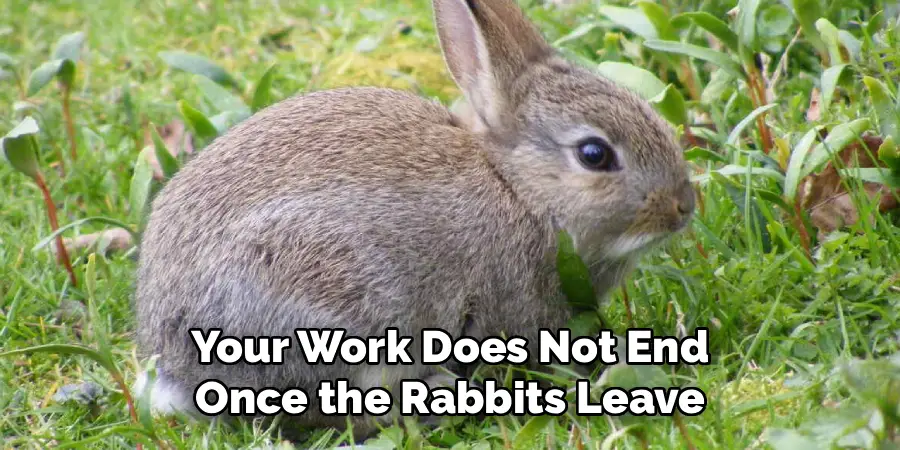
Your work does not end once the rabbits leave. Regular upkeep keeps them from returning and spotting new weak points in your setup. Walk your yard weekly to check fences for gaps, reapply repellents, and trim any regrowth that could offer fresh cover.
Stay alert during spring and early summer, when rabbit populations peak and pressure on your garden rises. If you notice new droppings or chewed plants, respond right away before a few visitors turn into a whole family. Keeping detailed notes on what works best for your yard helps you fine-tune your approach each season. Consistent monitoring turns your initial effort into long-term, dependable protection you can count on.
Frequently Asked Questions
What Smell Do Rabbits Hate The Most?
Rabbits strongly dislike sharp, pungent scents that signal danger or distaste. Garlic, hot pepper, vinegar, and the smell of predator urine top the list. Many gardeners also report success with strong herbs like mint, lavender, and sage planted around their beds. Combining these scents and refreshing them regularly creates a powerful, layered barrier that keeps curious rabbits hesitant to enter your space.
Are Rabbits Active All Year Round?
Yes, rabbits stay active throughout the entire year, though their behavior shifts with the seasons. They feed most heavily during spring and summer when food is plentiful and they are breeding. In winter, they often turn to bark, twigs, and woody stems when greens are scarce. Because they never fully disappear, year-round vigilance helps you protect both your tender plants and your trees from constant nibbling.
Will One Method Be Enough To Keep Rabbits Away?
Usually not, since rabbits adapt quickly to a single deterrent. The most effective approach layers several methods together, such as fencing, repellents, habitat removal, and scare tactics. When you combine physical barriers with sensory deterrents, you cover more angles and reduce the chance rabbits find a workaround. Rotating your tactics also prevents them from growing comfortable, giving you stronger and longer-lasting results overall.
Is It Safe To Use Repellents Around Vegetables?
Most repellents are safe for edible gardens, but you should always read the label first. Choose products clearly marked for use on food crops, and avoid spraying directly onto the parts you plan to eat. Natural mixes with garlic and pepper are generally gentle, though you should still wash your produce thoroughly before eating. When in doubt, apply repellents to surrounding soil and borders instead of the plants themselves.
How Do I Stop Rabbits From Digging Under My Fence?
Burrowing rabbits need an underground barrier to stop them. Bury the bottom of your fence six to ten inches deep, then bend the buried edge outward into an L-shape facing away from the garden. This blocks their natural digging path and discourages tunneling. Check the base regularly for loosened soil or fresh holes, and pack down any disturbed areas promptly to keep your barrier strong and secure.
Conclusion
Reclaiming your yard from hungry rabbits comes down to a smart, layered plan rather than a single quick fix. By confirming the signs, removing hiding spots, installing solid fencing, and using repellents, deterrent plants, and scare tactics together, you build defenses that truly last. Regular monitoring keeps those efforts working season after season.
The best part is that none of these steps require special expertise, just a little consistency and care. Now that you understand how to get rid of rabbits in backyard spaces, you can protect your plants while keeping your approach humane and budget-friendly. Start with one or two methods today, then add more as needed until your garden feels secure. Your vegetables, flowers, and peace of mind are well worth the effort, so head outside and put these proven techniques to work.

About
Outdoor Fixes is a distinguished figure in the world of Diy design, with a decade of expertise creating innovative and sustainable Diy solutions.
His professional focus lies in merging traditional craftsmanship with modern manufacturing techniques,
fostering designs that are both practical and environmentally conscious. As the author of diy,
outdoorfixes delves into the art and science of outdoorfixes-making, inspiring artisans and industry professionals alike.
Education RMIT University
(Melbourne, Australia) Associate Degree in Design (Outdoor Fixes) Focus on sustainable design, industry-driven projects,
and practical craftsmanship. Gained hands-on experience with traditional and digital manufacturing tools, such as CAD and CNC software.
Nottingham Trent University
(United Kingdom) Bachelor’s in outdoorfixes.com and Product Design (Honors) Specialized in product design with a focus on blending creativity with production
techniques. Participated in industry projects, working with companies like John Lewis and Vitsoe to gain real-world insights.
Publications and Impact
In diy, Outdoor Fixes his insights on indoor design processes, materials, and strategies for efficient production.
His writing bridges the gap between artisan knowledge and modern industry needs, making it a must-read for both budding designers and seasoned professionals.