
Few things ruin a relaxing evening outdoors like a cloud of tiny gnats swarming around your face. These small flying pests show up near moist soil, standing water, rotting plants, and even your favorite potted flowers. They bite, they buzz, and they multiply fast. If you have ever wondered how to get rid of gnats in the backyard, you are not alone, and the good news is that the solution is simpler than you might think.

Gnats are drawn to moisture and organic matter, so most of the battle comes down to changing the environment that lets them thrive. With a few smart habits and natural fixes, you can reclaim your outdoor space and enjoy it again. This guide breaks everything into clear, beginner-friendly steps that anyone can follow, no special tools or experience required.
We will explain why these pests matter, walk through seven practical steps, and answer the questions people ask most. By the end, you will feel confident tackling the problem head-on. Grab a notepad, and let us turn your gnat-filled yard back into the peaceful retreat it should be.
Why Getting Rid of Gnats in the Backyard Matters
Gnats are more than a minor annoyance. Large swarms can make outdoor meals, gardening, and playtime miserable, driving you back indoors before you are ready. Some species bite and leave itchy welts, while others damage plants by feeding on roots and spreading disease through your garden beds.
Tackling the problem early also protects your home. Gnats that breed outside often drift indoors through open doors and windows, settling near houseplants and kitchen drains. By controlling them at the source, you stop a small issue from becoming a full infestation. On top of that, the same steps that reduce gnats, like fixing drainage and clearing rotting debris, create a healthier, cleaner yard overall. A little effort now means more comfortable evenings, happier plants, and far fewer pests buzzing around you all season long.
Step-by-Step Guide to How To Get Rid of Gnats in the Backyard
Step 1: Find And Eliminate Standing Water
Standing water is the number one reason gnats settle in your yard. They lay eggs in damp soil and stagnant pools, so your first job is to hunt down every hidden source. Walk your property and check clogged gutters, plant saucers, birdbaths, buckets, old tires, and low spots in the lawn where rain collects.
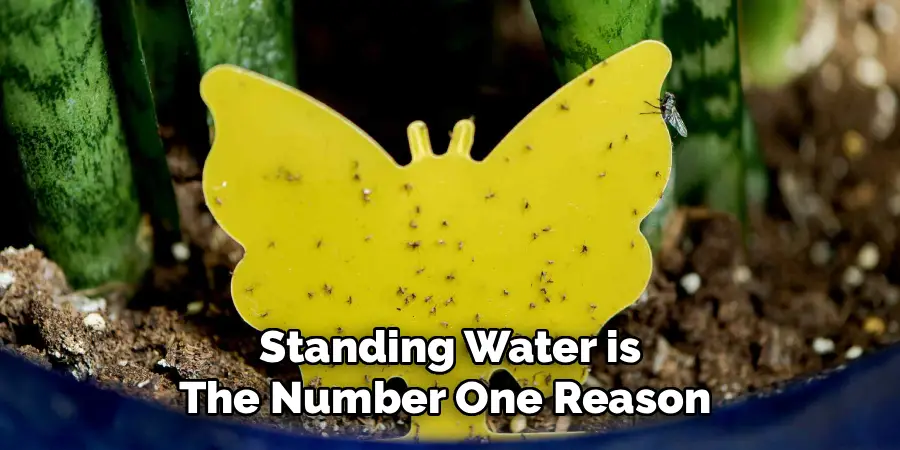
Once you spot these wet zones, drain them right away. Empty containers, flip them over, and store them where they cannot fill up again. Refresh birdbath water every couple of days, and improve drainage in soggy areas by adding soil or gravel. Removing moisture cuts off the breeding ground gnats depend on, which dramatically shrinks their numbers within days.
Step 2: Clear Away Rotting Organic Matter
Gnats feast on decaying plants, fallen fruit, grass clippings, and damp leaf piles. These materials give them both food and a moist place to breed, so cleaning them up is a powerful way to learn how to get rid of gnats in the backyard for good. Start by raking up leaves, pulling dead plants, and collecting any fruit that has dropped from trees.
Pay special attention to compost piles, since open, wet compost attracts swarms quickly. Turn your compost regularly and cover it with a lid or a layer of dry material like shredded paper or dry leaves. Keeping your yard tidy removes the buffet gnats rely on, making your space far less inviting to them.
Step 3: Set Up Simple Vinegar Traps
Homemade traps are cheap, safe, and surprisingly effective. To make one, fill a shallow container or jar with apple cider vinegar, add a few drops of dish soap, and stir gently. The vinegar smell lures gnats in, while the soap breaks the surface tension so they sink instead of flying away.
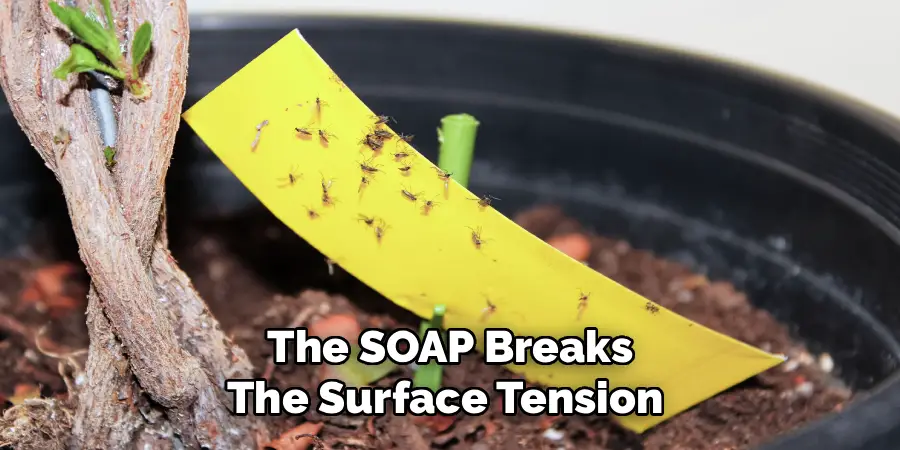
Place several traps around problem areas, especially near plants, patios, and seating spots where gnats gather. Check them every day and refresh the mixture when it fills up. You can also cover the jar with plastic wrap and poke small holes in the top, which makes it even harder for trapped gnats to escape. These traps quietly thin out the adult population while you tackle the root causes.
Step 4: Treat Your Soil And Mulch
Gnats love rich, damp soil, so treating the ground directly can break their life cycle. Let the top inch or two of soil in garden beds and potted plants dry out between waterings, since dry surfaces discourage egg-laying. Avoid overwatering, which is one of the most common mistakes that fuels a gnat problem.
For stubborn spots, sprinkle food-grade diatomaceous earth over the soil surface. This natural powder is harmless to people and pets but deadly to soft-bodied larvae. You can also water plants with a mild solution of beneficial nematodes, tiny organisms that hunt gnat larvae underground. Refreshing old, soggy mulch with a thinner, drier layer adds another barrier against breeding.
Step 5: Use Plants And Natural Repellents
Nature offers some excellent allies in the fight against gnats. Certain plants give off scents that pests dislike, so adding them to your yard works as a gentle, ongoing deterrent. Try planting lavender, marigolds, basil, lemongrass, or citronella around patios and entryways where you spend the most time.

You can also mix simple repellent sprays at home. Combine water with a few drops of essential oils like peppermint, eucalyptus, or tea tree, then mist it around seating areas. Burning citronella candles during outdoor gatherings adds another layer of protection. These natural options smell pleasant to you while quietly keeping gnats at a comfortable distance, making your time outside far more enjoyable.
Step 6: Apply Targeted Yard Treatments
When natural methods are not enough, targeted treatments can help you knock down a heavy infestation. Look for outdoor insecticides labeled for gnats and flying pests, and always read the directions carefully before you spray. Focus on shaded, damp areas where gnats rest during the day rather than coating your entire lawn.
For a gentler route, many gardeners swear by Bti, a natural bacteria sold in granules or dunks that targets gnat larvae in soil and water without harming pets or pollinators. Apply treatments in the early morning or evening when gnats are most active and beneficial insects like bees are less likely to be around. Reapply as the label recommends for lasting results.
Step 7: Maintain A Gnat-Free Yard Long Term
Knowing how to get rid of gnats in the backyard is only half the battle, since lasting success comes from steady upkeep. Build a few simple habits into your weekly routine to keep these pests from returning. Empty standing water after every rain, mow regularly, and clear debris before it has a chance to rot.
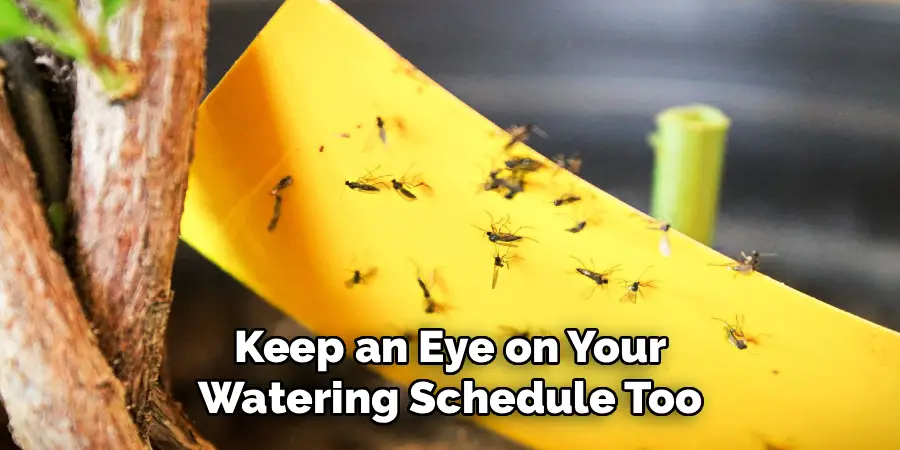
Keep an eye on your watering schedule too, letting soil dry between sessions so gnats never get a foothold. Inspect your gutters each season and trim back dense, shady vegetation that traps moisture. By staying consistent, you create an environment that simply does not support gnats. A few minutes of maintenance each week protects all the progress you have made.
Frequently Asked Questions
What Causes Gnats To Swarm In My Yard?
Gnats are drawn to moisture, decaying plants, and rich organic matter. Standing water in gutters, saucers, or low spots gives them the perfect place to breed, while rotting leaves and fallen fruit provide food. Overwatered gardens and damp compost piles often make the problem worse. Removing these conditions is the fastest way to reduce a swarming gnat population around your home.
How Long Does It Take To See Results?
Most people notice fewer gnats within a few days of removing standing water and setting up traps. Fully clearing an infestation usually takes one to two weeks, since you need to break the breeding cycle and eliminate existing larvae. Staying consistent with your efforts speeds things up. The drier and cleaner your yard becomes, the faster those buzzing numbers will drop.
Are Gnats Harmful To People Or Pets?
Most gnats are more annoying than dangerous, but some species do bite and leave itchy, irritated welts. Others can spread plant diseases or stress your pets when swarms are heavy. While they rarely pose a serious health threat, large populations are uncomfortable and disruptive. Controlling them early keeps your family, pets, and garden happier and far more comfortable outdoors.
Do Natural Remedies Really Work Against Gnats?
Yes, natural remedies are very effective, especially when combined. Vinegar traps catch adult gnats, repellent plants and essential oils keep them away, and beneficial nematodes or Bti target larvae in the soil. The key is using several methods together rather than relying on just one. For most backyards, this layered, chemical-free approach handles gnat problems without any harsh treatments at all.
How Can I Stop Gnats From Coming Back?
Prevention comes down to consistency. Empty standing water after rain, fix drainage issues, and avoid overwatering your plants. Clear away rotting leaves, fallen fruit, and grass clippings before they break down. Keep compost covered and mow your lawn regularly. By maintaining a dry, tidy yard every week, you remove the conditions gnats need to breed, which keeps them from returning season after season.
Conclusion
Reclaiming your outdoor space from gnats is completely doable once you understand what attracts them. The core takeaways are simple. Eliminate standing water, clear away rotting debris, set up easy traps, treat your soil, and lean on natural repellents to keep these pests at bay. When the problem is heavy, targeted treatments and steady weekly maintenance seal the deal.
Now that you know how to get rid of gnats in the backyard, you have everything you need to enjoy bite-free evenings again. Start with the quickest wins, like draining water and tidying up, then layer in the other steps as you go. Each small effort adds up to a cleaner, calmer, more comfortable yard. So grab a few supplies, put these tips into action today, and take back your backyard one simple step at a time.

About
Outdoor Fixes is a distinguished figure in the world of Diy design, with a decade of expertise creating innovative and sustainable Diy solutions.
His professional focus lies in merging traditional craftsmanship with modern manufacturing techniques,
fostering designs that are both practical and environmentally conscious. As the author of diy,
outdoorfixes delves into the art and science of outdoorfixes-making, inspiring artisans and industry professionals alike.
Education RMIT University
(Melbourne, Australia) Associate Degree in Design (Outdoor Fixes) Focus on sustainable design, industry-driven projects,
and practical craftsmanship. Gained hands-on experience with traditional and digital manufacturing tools, such as CAD and CNC software.
Nottingham Trent University
(United Kingdom) Bachelor’s in outdoorfixes.com and Product Design (Honors) Specialized in product design with a focus on blending creativity with production
techniques. Participated in industry projects, working with companies like John Lewis and Vitsoe to gain real-world insights.
Publications and Impact
In diy, Outdoor Fixes his insights on indoor design processes, materials, and strategies for efficient production.
His writing bridges the gap between artisan knowledge and modern industry needs, making it a must-read for both budding designers and seasoned professionals.