
Growing salvia divinorum successfully means replicating its native cloud forest conditions—shade, humidity, warmth, and well-draining soil. Start from a stem cutting, root it carefully, and transplant only once roots are established. The eight steps below cover everything from sourcing quality cuttings to troubleshooting the most common problems.
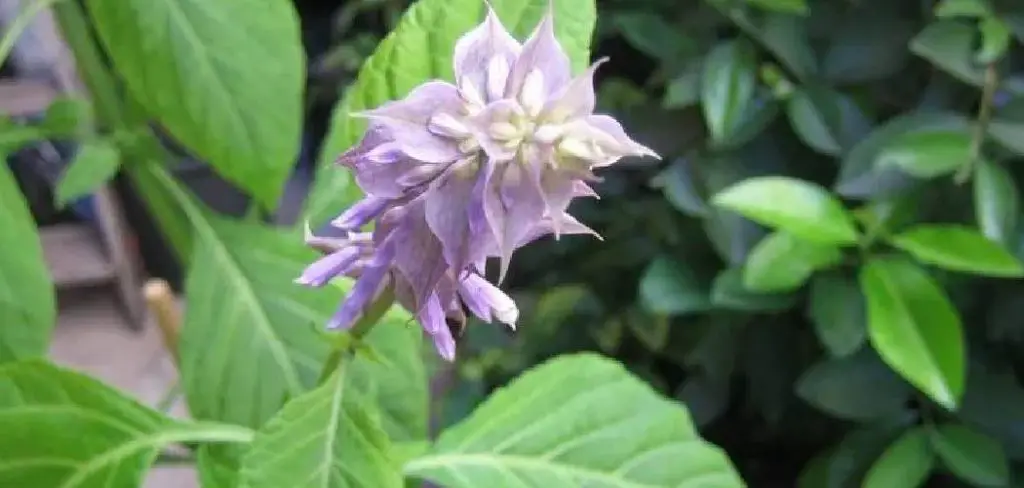
Salvia divinorum is, by most measures, a peculiar plant to find in a backyard garden. Native to the cloud forests of Oaxaca, Mexico, it carries centuries of ceremonial significance among the Mazatec people—and a reputation for being notoriously difficult to keep alive outside its native habitat. Neither of those things should put you off growing it. What they should do is set expectations.
This guide on how to grow salvia divinorum in yard walks you through cultivation from the ground up: understanding the plant’s biology, navigating legal considerations, and following eight clear steps to give your salvia divinorum the best possible chance. No invented shortcuts, no vague advice—just what the plant actually needs.
Understanding Salvia Divinorum
Salvia divinorum belongs to the mint family (Lamiaceae) and grows naturally in humid, shaded mountain environments at elevations between 300 and 1,800 meters. The plant can exceed one meter in height, with large oval leaves and the hollow, square stems typical of its family. Here’s the detail most gardeners miss early on: Salvia divinorum almost never produces viable seed. That means virtually all cultivation depends on cuttings and vegetative propagation—there’s no scattering seeds and hoping for the best.
What separates this species from most salvias is its sensitivity. Direct sunlight scorches the leaves fast. Dry air causes wilting within days. Temperature extremes stress the plant before visible symptoms even appear. Mimic the conditions of its native cloud forest—warm, humid, and filtered light—and growth tends to be steady. Deviate significantly from those conditions, and the decline can be surprisingly quick.
Legal and Ethical Considerations
Before sourcing a single cutting, research the legal status of Salvia divinorum in your location. The plant may be legal to grow in many parts of the United States, but several states—including Florida, Kansas, and Missouri—classify it as a controlled or restricted substance. International laws vary considerably, with some countries banning it outright and others placing no restrictions on cultivation at all. This is worth verifying carefully rather than assuming.
The ethical dimension matters too. Salvia divinorum holds deep cultural and spiritual significance for the Mazatec people of Mexico. Growing it mindfully, rather than treating it as a novelty or commercial opportunity, is something widely encouraged in ethnobotanical communities. If you’re uncertain about local laws, consult a legal professional before proceeding.
8 Step-by-step Guidelines on How to Grow Salvia Divinorum in Yard
Step 1: Source a Healthy Cutting or Plant
Start with quality plant material—everything downstream depends on it. Reputable ethnobotanical suppliers and established growers are your best sources for healthy, disease-free cuttings. Avoid anything showing yellowing, wilting, or pest damage. A good cutting should have at least two to three nodes, feel firm to the touch, and measure roughly 10–15 cm in length.
Step 2: Prepare the Right Soil Mix
Salvia divinorum needs soil that drains freely but retains enough moisture to stay consistently damp. A mix of equal parts perlite, peat moss, and quality potting soil tends to hit that balance. Target a pH between 6.0 and 7.0. Heavy clay holds too much water; overly sandy mixes drain too fast. Neither gives the roots what they need.
Step 3: Choose an Appropriate Growing Location
The plant wants bright, indirect light throughout the day—not full sun. Dappled shade under a tree canopy works well, as does a north-facing garden bed in most climates. In regions with hot summers, a shadecloth blocking 50–70% of direct light is worth the effort. Keep temperatures between 60°F and 85°F (15°C–29°C). Salvia divinorum has no cold hardiness whatsoever, so gardeners in frost-prone areas should plan for indoor overwintering from the outset.
Step 4: Root Your Cutting Properly
Place the cutting in clean, filtered water with at least one node submerged. Change the water every two to three days to prevent bacterial buildup. White roots should appear within two to four weeks. Wait until they reach approximately 2–3 cm before transplanting. Moving the cutting too early almost always leads to transplant shock—patience here isn’t optional, it’s functional.
Step 5: Transplant With Care
Handle the roots gently during transplanting; they’re fragile at this stage. Dig a hole slightly larger than the root system, position the cutting centrally, and firm the soil around the base without compacting it. Water thoroughly straight after transplanting, then let the top inch of soil dry slightly before watering again. A clear plastic dome or humidity tent placed over the plant for the first week helps it adjust without losing moisture through the leaves.

Step 6: Water Consistently and Correctly
The goal is consistently moist soil, not saturated. Water when the top inch feels dry, and use filtered or rainwater where possible—tap water high in chlorine or fluoride appears to stress the plant gradually over time. In warm months, that often means watering every two to three days, though your local climate will be the real guide. Yellowing lower leaves typically signal overwatering; crispy edges usually mean the plant needs more moisture.
Step 7: Maintain Humidity and Airflow
Salvia divinorum originates in cloud forests where relative humidity commonly exceeds 70%. In drier climates, that gap needs to be actively managed. Daily misting, a pebble tray filled with water beneath the pot, or a small garden humidifier all help. At the same time, stagnant air invites fungal problems—gentle airflow from a fan or natural breeze keeps conditions healthy without drying the plant out.
Step 8: Feed and Prune for Optimal Growth
During the growing season, apply a balanced liquid fertilizer every two to four weeks. A 10-10-10 formula (equal nitrogen, phosphorus, and potassium) works reliably. Over-fertilizing causes root burn and leaf discoloration, so dilute appropriately. Prune leggy stems just above a leaf node to encourage denser, bushier growth—and keep those cuttings, since each one can become a new plant.
Following these steps on how to grow Salvia divinorum in yard, you will have a healthy plant that will provide beautiful flowers and foliage year after year.
Common Mistakes to Avoid
Even experienced gardeners hit the same walls with this species. Direct sunlight causes rapid leaf scorch, often before the gardener realizes what’s happening. Overwatering leads to root rot, which is harder to reverse than prevent. Tap water with heavy chemical treatment stresses the plant subtly and persistently.

Skipping humidity management—especially in dry or air-conditioned spaces—produces wilting and leaf curl that can look like other problems entirely. And transplanting cuttings before roots are well-established almost always ends in failure.
Troubleshooting Common Issues in Salvia Divinorum Cultivation
Yellowing leaves typically indicate overwatering or poor drainage. Check soil moisture, ensure your container drains freely, and consider adding more perlite to the mix.
Brown, crispy edges usually point to low humidity or heat stress. Increase misting frequency, relocate the plant away from afternoon sun, and check the temperature range.
Wilting despite adequate water may suggest root rot. Gently remove the plant, inspect the roots, trim any blackened sections, and repot in fresh, well-draining soil.
Leggy, stretched growth happens when light is insufficient. Move the plant to a brighter location with filtered indirect light, and prune back long stems to encourage denser foliage.
Pest issues, particularly aphids and spider mites, can appear in humid environments. A diluted neem oil solution applied to the undersides of leaves is a practical first response.
Frequently Asked Questions
How Long Does It Take for Salvia Divinorum to Grow to Full Size?
From a rooted cutting, Salvia divinorum typically reaches 30–60 cm within three to six months under good conditions. Full maturity—where the plant can exceed one meter—generally takes one to two years of consistent care. Growth rate depends heavily on temperature, humidity, light, and feeding regularity.
Can Salvia Divinorum Be Grown Indoors Year-Round?
Yes, with the right setup. The plant needs bright, indirect light—a south- or east-facing window works well, or a full-spectrum grow light running 12–14 hours per day. Indoor growers should monitor humidity closely, since heated and air-conditioned homes tend to be considerably drier than this plant prefers. A small humidifier placed nearby can make a meaningful difference in growth rate and overall health.
What Is the Best Time of Year to Start Growing Salvia Divinorum Outdoors?
Late spring is the most practical starting point—once frost risk has passed and nighttime temperatures consistently stay above 60°F (15°C). This gives the plant a full warm season to establish before autumn arrives. In frost-prone regions, plan for indoor overwintering from the beginning, as Salvia divinorum has no cold hardiness and will not survive freezing temperatures.

Is Salvia Divinorum Legal to Grow?
Legality varies by location. The plant may be legal in many U.S. states, but is classified as a controlled or restricted substance in others, including Florida, Kansas, and Missouri. International laws differ considerably. Always verify your local regulations before sourcing or cultivating the plant, and consult a legal professional if there’s any uncertainty.
Growing Salvia Divinorum Takes Patience—But It’s Worth It
This isn’t a low-maintenance plant, and it rarely forgives neglect. But gardeners who take the time to understand what Salvia divinorum actually needs—rather than what they assume it needs—tend to find it surprisingly manageable. Replicate the cloud forest conditions it evolved in, address problems before they compound, and start with a healthy cutting from a reputable source.
For anyone serious about ethnobotanical gardening, this species is among the most rewarding you’ll work with. The learning curve is real. So are the results. Thanks for reading this guide on how to grow salvia divinorum in yard.

About
Outdoor Fixes is a distinguished figure in the world of Diy design, with a decade of expertise creating innovative and sustainable Diy solutions.
His professional focus lies in merging traditional craftsmanship with modern manufacturing techniques,
fostering designs that are both practical and environmentally conscious. As the author of diy,
outdoorfixes delves into the art and science of outdoorfixes-making, inspiring artisans and industry professionals alike.
Education RMIT University
(Melbourne, Australia) Associate Degree in Design (Outdoor Fixes) Focus on sustainable design, industry-driven projects,
and practical craftsmanship. Gained hands-on experience with traditional and digital manufacturing tools, such as CAD and CNC software.
Nottingham Trent University
(United Kingdom) Bachelor’s in outdoorfixes.com and Product Design (Honors) Specialized in product design with a focus on blending creativity with production
techniques. Participated in industry projects, working with companies like John Lewis and Vitsoe to gain real-world insights.
Publications and Impact
In diy, Outdoor Fixes his insights on indoor design processes, materials, and strategies for efficient production.
His writing bridges the gap between artisan knowledge and modern industry needs, making it a must-read for both budding designers and seasoned professionals.