
Peat moss is a soft, spongy material harvested from decomposed sphagnum moss found in bogs. Gardeners love it because it holds moisture, loosens compacted soil, and gives grass seed a cozy place to take root. If your lawn looks patchy, dries out too fast, or struggles with hard, clay-heavy ground, this humble material can make a real difference. Learning how to spread peat moss on lawn surfaces correctly helps you turn thin, tired grass into a thick, healthy carpet you will be proud of.
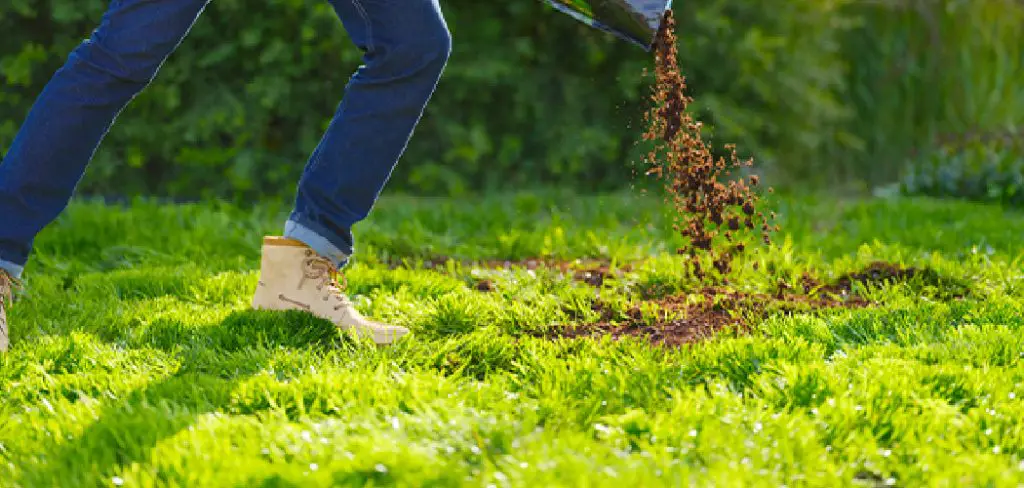
The best part is that this is a beginner-friendly task. You do not need fancy equipment or years of experience to get great results. With a little planning and the right technique, you can apply an even layer that nourishes your soil without smothering your grass. This guide walks you through everything in clear, simple steps. We will explain why it matters, share a detailed seven-step process, and answer the questions people ask most. By the end, you will feel ready to tackle the project with confidence.
Why Spreading Peat Moss on Your Lawn Matters
Spreading peat moss does more than fill bare patches. It improves your soil’s structure, helping sandy ground hold water and loosening dense clay so roots can breathe. This balance creates the perfect environment for seeds to sprout and existing grass to thrive.
It also acts as a gentle protective blanket. A thin top dressing shields new seed from hungry birds and harsh sun, while locking in the moisture young roots crave. Over time, the organic matter breaks down and feeds your soil naturally, reducing how often you need to water or fertilize. For anyone chasing a lush, even lawn, this simple step delivers reliable, long-lasting benefits. Best of all, the results show up fast, keeping you motivated as your grass fills in.
Step-by-Step Guide to How To Spread Peat Moss on Lawn
Step 1: Test And Prepare Your Soil
Before you open a single bag, take a moment to understand your soil. A basic test kit from any garden center tells you the pH level and whether your ground leans acidic or alkaline. Peat moss is naturally acidic, so knowing your starting point helps you avoid pushing the balance too far in one direction.
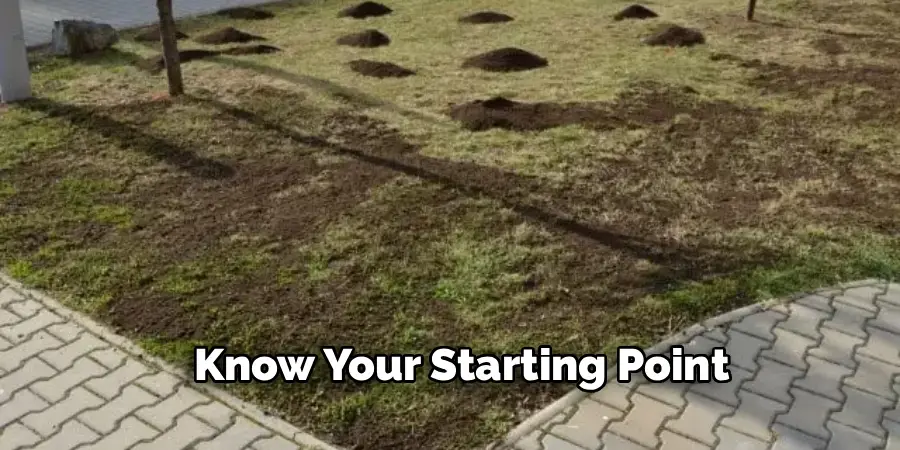
Once you have your reading, clear the area of weeds, rocks, and stray debris. Mow your existing grass a little shorter than usual so the material can reach the soil surface. Loosening compacted spots with a rake or aerator also helps. This early prep work sets the stage for even coverage and gives your lawn the best chance to absorb every benefit.
Step 2: Choose The Right Type And Amount
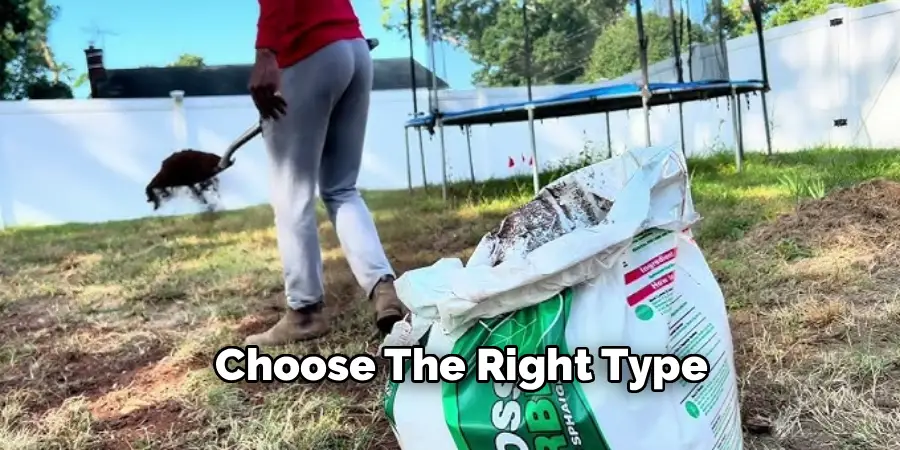
Not all peat moss is created equal, so pick a product that suits your goal. Finely milled sphagnum peat spreads easily and blends well into the soil, making it ideal for top dressing a lawn. Check the bag for any added fertilizers if you want a little extra feeding power built in.
Measuring the right amount keeps your project on budget and your grass safe. As a general rule, plan for one bale to cover roughly 300 to 400 square feet at a quarter-inch depth. Measure your lawn area first, then buy slightly more than you think you need. Running short halfway through leaves uneven patches that are tricky to blend later.
Step 3: Moss On Lawn Evenly By Hand
For small or medium lawns, your hands and a sturdy rake are all you need. Scoop the material into a wheelbarrow or bucket, then toss small handfuls across the grass using a gentle sweeping motion. Aim for a light, even scattering rather than thick clumps that can suffocate the blades beneath.
After tossing a section, switch to your rake to smooth everything out. Work the material gently into the grass so it settles down near the soil rather than sitting on top of the leaves. Keep your layer thin, around a quarter inch, so you can still see the green poking through. This patient approach rewards you with smooth, consistent coverage every time.
Step 4: Using A Spreader For Larger Areas
If you are covering a big lawn, a spreader saves your back and speeds things up. Both broadcast and drop spreaders work, though a drop spreader gives you tighter control along edges and walkways. Fill the hopper only halfway at first, since peat moss is light and can bridge or clog if packed too tightly.
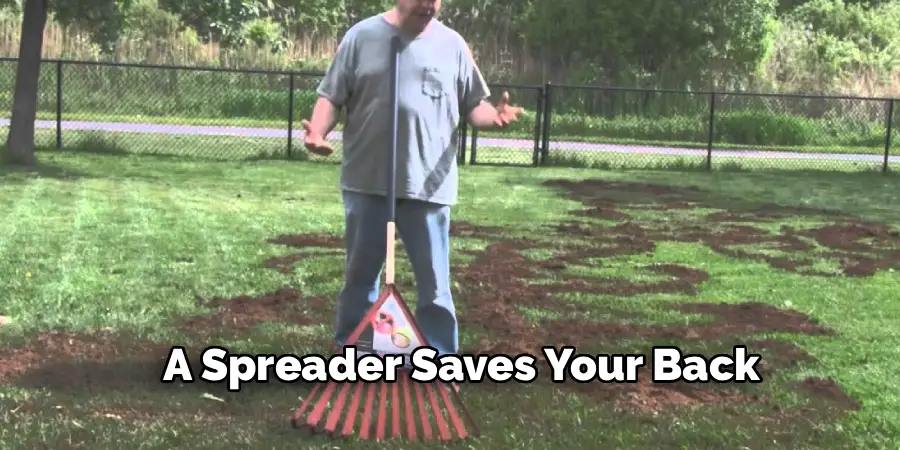
Walk at a steady, even pace and overlap each pass slightly to avoid bare stripes. Lightly fluff the material in the hopper if it stops flowing freely. Take your time and resist the urge to dump heavy loads. Several thin passes always beat one thick layer, giving you the uniform finish that helps your grass flourish.
Step 5: Water Thoroughly After Application
Watering is the step that locks everything in place. Once your layer is spread and raked smooth, give the lawn a gentle, thorough soak. This settles the dry material into the soil, prevents it from blowing away, and kick-starts the moisture-holding magic that makes this amendment so useful.
Use a soft spray rather than a forceful blast, which can wash the light particles into uneven piles. Aim to moisten the soil a few inches down without creating puddles or runoff. If you have just overseeded, keep the area lightly damp for the next couple of weeks. Consistent moisture during this window helps both the seeds and the surrounding grass establish strong, healthy roots.
Step 6: Blend With Compost Or Topsoil For Best Results
Peat moss works wonderfully on its own, but pairing it with compost or quality topsoil takes your lawn even further. Compost adds nutrients and beneficial microbes that the moss alone does not provide, creating a richer, more balanced foundation for your grass to grow.
Mix your materials in a wheelbarrow before spreading, using roughly equal parts for a well-rounded blend. Spread this mixture the same way you would the moss by itself, keeping the layer thin and even. This combination feeds your soil while improving its texture, giving you the best of both worlds. Many experienced gardeners swear by this duo for transforming dull, struggling lawns into thick, vibrant turf.
Step 7: Monitor And Maintain Your Lawn
Your work does not end once the material is down. Over the following weeks, keep an eye on how your grass responds. Watch for healthy new growth, steady moisture levels, and an even green color. If certain spots look thin, you can lightly top them up rather than redoing the whole lawn.
Stick to a sensible watering schedule and avoid heavy foot traffic while everything settles. Hold off on mowing until new grass reaches about three inches tall, then cut gently with sharp blades. Regular, gentle care during this period pays off enormously. With a little ongoing attention, you will watch your lawn grow thicker, greener, and more resilient season after season.
Frequently Asked Questions
How Thick Should The Peat Moss Layer Be?
Keep your layer thin, ideally about a quarter inch deep. You should still see grass blades poking through after application. A thicker layer can smother existing grass and block air and light, slowing growth instead of helping it. Spreading several light passes gives you far better results than one heavy coat, so resist the temptation to pile it on for faster coverage.
Will Peat Moss Change My Soil’s pH?
Yes, peat moss is naturally acidic and can gradually lower your soil’s pH over time. This is great if your ground is too alkaline, but it can be a problem for lawns that already lean acidic. Testing your soil before you start helps you avoid surprises. If needed, you can balance things out later with a light application of garden lime.
How Often Should I Apply Peat Moss?
Once or twice a year is usually plenty for most lawns. Many gardeners apply a light top dressing in spring or fall, when grass is actively growing and conditions are mild. Applying too frequently can over-acidify your soil and waste money. Monitor how your lawn looks and feels, then reapply only when you notice the soil needs a moisture or texture boost.
Can I Spread Peat Moss Over New Grass Seed?
Absolutely, and many people do exactly that. A thin layer over freshly sown seed holds in moisture and protects it from birds and drying wind. Keep the covering light, around a quarter inch, so seedlings can still push through easily. Water gently and consistently afterward, and you will give your new grass an excellent head start toward thick, even growth.
What Is The Best Time Of Year To Apply It?
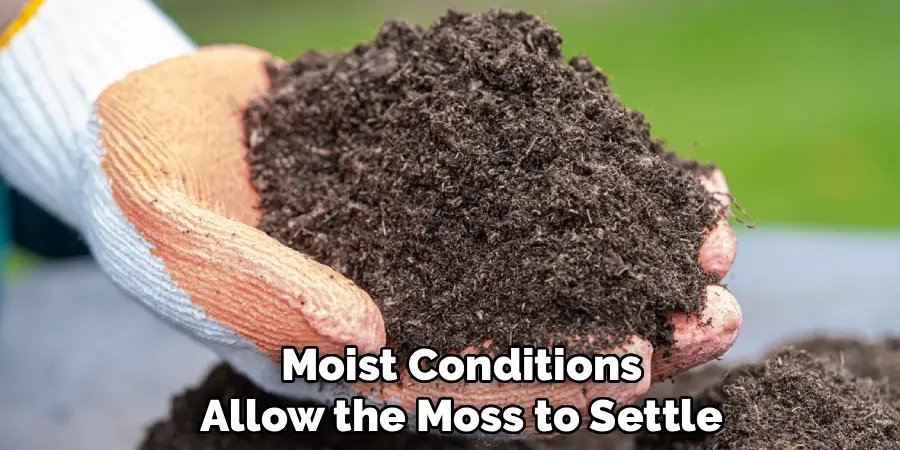
Spring and early fall are the sweet spots. During these seasons, temperatures are mild and grass is actively growing, which helps it recover and establish quickly. Avoid the peak heat of summer, when fresh material can dry out and stress your lawn. Cool, moist conditions allow the moss to settle in and start improving your soil with minimal effort on your part.
Conclusion
A thicker, healthier lawn is well within your reach, and the process is simpler than it looks. The key takeaways are to test your soil first, choose the right product, apply a thin and even layer, and water thoroughly to lock everything in. Pairing the moss with compost and keeping up with gentle maintenance will reward you with grass that grows greener and stronger over time.
Now that you understand how to spread peat moss on lawn areas the right way, you have everything you need to get started with confidence. Remember that patience and light, even coverage matter far more than rushing the job. So grab your rake, prepare your soil, and put these steps into action. Your healthiest, lushest lawn yet is just a weekend project away.

About
Outdoor Fixes is a distinguished figure in the world of Diy design, with a decade of expertise creating innovative and sustainable Diy solutions.
His professional focus lies in merging traditional craftsmanship with modern manufacturing techniques,
fostering designs that are both practical and environmentally conscious. As the author of diy,
outdoorfixes delves into the art and science of outdoorfixes-making, inspiring artisans and industry professionals alike.
Education RMIT University
(Melbourne, Australia) Associate Degree in Design (Outdoor Fixes) Focus on sustainable design, industry-driven projects,
and practical craftsmanship. Gained hands-on experience with traditional and digital manufacturing tools, such as CAD and CNC software.
Nottingham Trent University
(United Kingdom) Bachelor’s in outdoorfixes.com and Product Design (Honors) Specialized in product design with a focus on blending creativity with production
techniques. Participated in industry projects, working with companies like John Lewis and Vitsoe to gain real-world insights.
Publications and Impact
In diy, Outdoor Fixes his insights on indoor design processes, materials, and strategies for efficient production.
His writing bridges the gap between artisan knowledge and modern industry needs, making it a must-read for both budding designers and seasoned professionals.