
Few things ruin a tidy yard faster than tire tracks across your grass. Whether it’s a neighbor, a delivery driver, or a stranger looking for an easy spot, uninvited parking can flatten your turf, kill the roots, and leave behind muddy ruts that take weeks to repair. If you’ve been searching for how to keep cars from parking on my lawn, you’re in the right place.
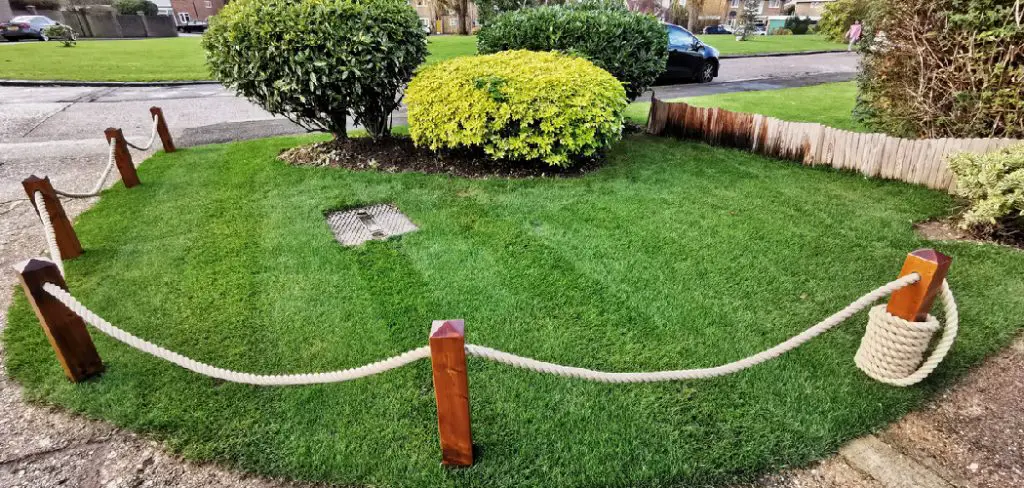
The good news is that you don’t need a fence or an expensive contractor to solve the problem. With a few smart, friendly, and affordable strategies, you can protect your green space and send a clear message without starting a feud. This guide walks you through simple steps that work for any yard, no matter your skill level. From visual barriers to gentle signage and a little landscaping creativity, you’ll learn proven methods to reclaim your lawn and keep it looking its best all year long.
Why Keeping Cars From Parking on Your Lawn Matters
Your lawn is more than decoration. It’s a living surface that absorbs rainwater, cools your home, and adds real value to your property. When cars roll over it, the weight compacts the soil and crushes the grass roots, leaving bare patches that invite weeds and erosion. Repairing that damage costs time and money, and repeated parking can ruin a yard for an entire season.
There’s also a safety angle. Vehicles parked on grass can hide hazards, block sightlines for drivers, and create drainage problems. Protecting your lawn keeps your home looking cared for, helps you avoid arguments with neighbors, and saves you from constant reseeding. A little prevention now pays off in a healthier, greener yard later.
Step-by-Step Guide to How to Keep Cars From Parking on My Lawn
Step 1: Identify Where the Parking Happens
Before you fix anything, spend a few days watching how and where cars end up on your grass. Note the times, the entry points, and whether the same vehicles keep returning. This helps you understand if you’re dealing with a one-time visitor or a repeat habit from someone nearby.
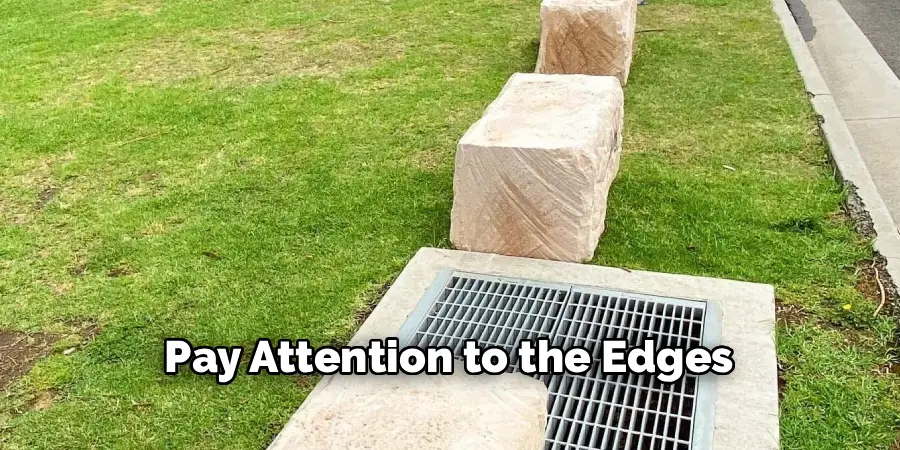
Pay attention to the edges of your driveway and any gaps along the curb, since these are common spots where drivers drift onto the lawn. Once you know the pattern, you can target your efforts where they matter most. A quick sketch of the trouble zones makes planning your next steps much easier and more effective.
Step 2: Install Visible Boundary Markers
Clear visual cues do a lot of the work for you. Decorative rocks, garden stakes, or low edging along the lawn line tell drivers exactly where the grass begins. Most people park on lawns by accident, so a defined border often solves the issue right away without any confrontation.
Choose markers that match your yard’s style so the solution looks intentional rather than defensive. Large landscaping boulders work well because they’re heavy, attractive, and impossible to ignore. Space them evenly along the vulnerable edge, and make sure they’re tall enough to be seen from a car. This is one of the simplest ways to keep cars from parking on my lawn while boosting curb appeal.
Step 3: Add Friendly Signage
A polite sign can prevent a lot of frustration. A small, weatherproof sign that reads “Please Keep Off the Grass” or “No Parking on Lawn” gives drivers a gentle nudge and removes any excuse about not knowing the rule. Keep the wording courteous so it encourages cooperation instead of resentment.
Place the sign where it’s easy to read from the street or driveway, ideally at eye level for someone behind the wheel. Reflective lettering helps at night when most accidental parking happens. Pairing signage with your boundary markers reinforces the message twice, making it far more likely that visitors and neighbors will respect your space.
Step 4: Plant Strategic Landscaping
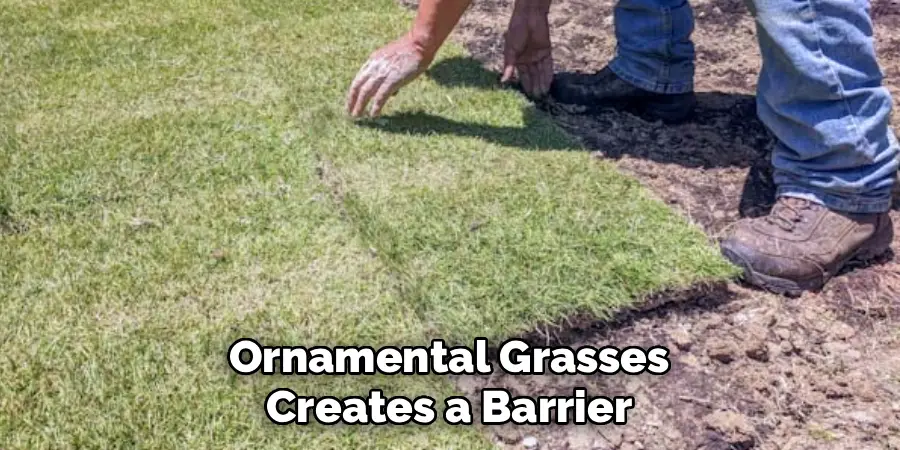
Nature offers some of the best deterrents. Dense shrubs, ornamental grasses, or a row of hardy perennials along the lawn’s edge create a natural barrier that cars simply can’t drive through. This approach looks beautiful while quietly doing its job, and it blends protection with the charm of a well-designed garden.
Choose plants suited to your climate and the amount of sunlight the area receives so they thrive with little maintenance. Thorny varieties like barberry or roses add an extra layer of discouragement near problem spots. Over time, these plantings fill in and become a living wall that protects your turf far better than any temporary fix could manage.
Step 5: Use Removable Physical Barriers
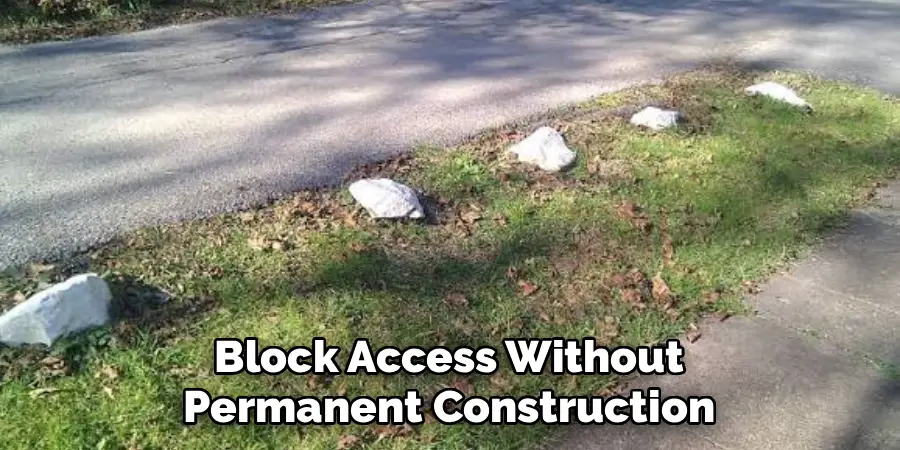
Sometimes you need something firmer than plants. Portable bollards, decorative chains between posts, or even a few sturdy planters can block access without permanent construction. These barriers are perfect if you rent your home or want flexibility to move things around as needed.
Removable options let you open the space when you actually need it, such as for guests or deliveries, then close it off again afterward. Look for bollards with locking bases or weighted planters that won’t tip easily. Positioned at the entry points you identified earlier, these barriers physically stop vehicles and make it clear that the lawn is off-limits to parking.
Step 6: Improve Lighting and Visibility
Many accidental parking incidents happen at night when drivers can’t see your lawn’s edge. Adding solar pathway lights or a motion-activated floodlight makes the boundary obvious after dark and discourages anyone hoping to sneak a quick park while nobody’s watching.
Lighting also improves overall safety and security around your home, so it’s a smart upgrade beyond just protecting the grass. Position lights to highlight your markers and signage so everything works together as one clear system. Solar models are inexpensive and easy to install, making this a beginner-friendly way to keep cars from parking on my lawn without any wiring or professional help.
Step 7: Talk With Neighbors and Repeat Offenders
Communication often solves what barriers can’t. If the same person keeps parking on your grass, a calm, friendly conversation can clear up misunderstandings quickly. Many people don’t realize they’re causing damage, and a respectful chat usually leads to a fast resolution that keeps the relationship intact.
Approach the discussion with kindness and explain how the parking affects your yard. Offer alternatives, such as pointing them toward street parking or a shared space if one exists. If the problem continues despite your efforts, you can document the incidents and check local ordinances, since many areas have rules that support property owners dealing with persistent trespass.
Frequently Asked Questions
Is It Legal to Block Cars From Parking on My Lawn?
Yes, in most areas you have the right to protect your own property from unwanted parking. You can install markers, signs, and barriers within your property line as long as they don’t obstruct public sidewalks or roads. Check your local ordinances first, since some neighborhoods have rules about fence height or structures. When in doubt, a quick call to your city office clears things up.
What Is the Cheapest Way to Stop Lawn Parking?
Friendly signage and a few well-placed rocks are the most budget-friendly solutions. A weatherproof sign costs only a few dollars, and large landscaping stones are often free or inexpensive from local suppliers. These low-cost options work surprisingly well because most parking happens by accident. Pairing the two creates a visible boundary that discourages drivers without requiring any major investment or construction work.
Will Plants Really Stop a Car?
Dense, mature shrubs and thorny plants make excellent deterrents because drivers won’t risk scratching their vehicles. While young plants need time to grow, a thick row of established hedges or ornamental grasses creates a barrier most people won’t cross. For immediate protection, combine plantings with sturdy planters or rocks until the greenery fills in and forms a reliable natural wall.
How Do I Handle a Neighbor Who Keeps Parking on My Grass?
Start with a calm, respectful conversation, since many people don’t realize they’re causing harm. Explain the damage and suggest alternative parking spots. If the behavior continues, keep a simple record of dates and photos. You can then contact local authorities or your homeowners association, as many areas have rules protecting property owners from repeated trespass on their land.
Do Motion Lights Actually Deter Parking?
Motion-activated lights are effective, especially for nighttime parking that happens when visibility is low. A sudden burst of light startles drivers and signals that someone is paying attention to the property. Lights also reveal your boundary markers clearly after dark. While not a standalone fix, they work well alongside signs and physical barriers to create a complete, around-the-clock deterrent system.
Conclusion
Protecting your yard from unwanted vehicles doesn’t have to be stressful or expensive. By watching for problem spots, adding clear boundary markers, posting friendly signs, and planting smart landscaping, you can create a defense that’s both attractive and effective. Removable barriers, better lighting, and open communication round out a complete plan that works for any home and any budget. The key is layering a few of these strategies together so the message is impossible to miss. Now that you know how to keep cars from parking on my lawn, you can take action today and enjoy a healthier, greener yard for seasons to come. Start with one simple step, build from there, and watch your lawn stay pristine and protected.

About
Outdoor Fixes is a distinguished figure in the world of Diy design, with a decade of expertise creating innovative and sustainable Diy solutions.
His professional focus lies in merging traditional craftsmanship with modern manufacturing techniques,
fostering designs that are both practical and environmentally conscious. As the author of diy,
outdoorfixes delves into the art and science of outdoorfixes-making, inspiring artisans and industry professionals alike.
Education RMIT University
(Melbourne, Australia) Associate Degree in Design (Outdoor Fixes) Focus on sustainable design, industry-driven projects,
and practical craftsmanship. Gained hands-on experience with traditional and digital manufacturing tools, such as CAD and CNC software.
Nottingham Trent University
(United Kingdom) Bachelor’s in outdoorfixes.com and Product Design (Honors) Specialized in product design with a focus on blending creativity with production
techniques. Participated in industry projects, working with companies like John Lewis and Vitsoe to gain real-world insights.
Publications and Impact
In diy, Outdoor Fixes his insights on indoor design processes, materials, and strategies for efficient production.
His writing bridges the gap between artisan knowledge and modern industry needs, making it a must-read for both budding designers and seasoned professionals.