
Purslane (Portulaca oleracea) is a fast-spreading succulent weed that can take over a lawn within a single growing season. The most effective removal strategy combines early identification, manual or chemical removal, improved soil health, and consistent mowing practices to prevent regrowth.
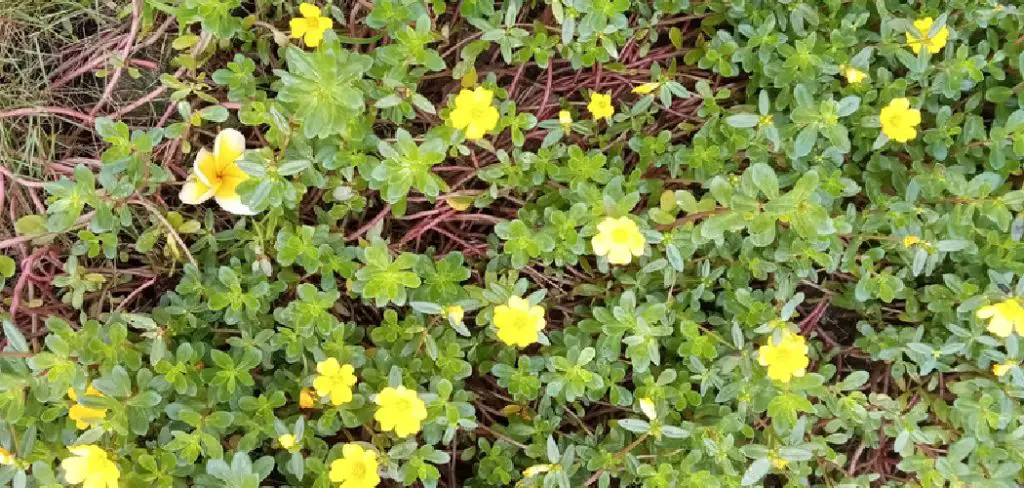
Purslane might look harmless at first glance—almost decorative, with its thick, fleshy leaves and reddish stems hugging the ground. But left alone for even a few weeks in warm weather, it spreads at a speed that catches most homeowners off guard.
The plant produces up to 240,000 seeds per plant, and here’s the part that surprises people: even after you’ve pulled it out of the ground, an uprooted purslane plant can still flower and set seed. A half-finished removal job doesn’t just fail—it can actively make the problem worse.
The good news is that purslane is manageable with the right approach. This guide on how to get rid of purslane in lawn walks you through eight practical steps to eliminate it from your lawn, what to do once it’s gone, and how to troubleshoot the situations where things don’t go to plan.
Understanding Purslane Before You Fight It
Purslane (Portulaca oleracea) is a low-growing succulent weed that thrives in warm, dry conditions—typically between 77°F and 95°F—and prefers compacted, nutrient-poor soils with full sun exposure. It spreads through both seeds and stem fragments, which is why disturbing the plant carelessly during removal can sometimes scatter the problem rather than solve it.
What makes purslane particularly tricky is its resilience. The waxy coating on its leaves helps it retain moisture and resist herbicide absorption. Catching it early, ideally before it flowers, dramatically reduces how much of its seed bank ends up in your soil.
8 Steps on How to Get Rid of Purslane in Lawn
Step 1: Identify Purslane Early Before It Spreads
Look for smooth, paddle-shaped leaves arranged alternately along thick reddish stems that lie flat against the ground. Purslane typically emerges in late spring and early summer when soil temperatures climb above 60°F.
Check your lawn regularly during warmer months—especially in thin or bare patches, where purslane tends to establish first. A single mature plant left unchecked can contaminate your lawn’s seed bank for years.

Step 2: Pull Purslane by Hand for Small Infestations
For small patches, manual removal works well. Grasp the stem near the base and pull firmly upward, making sure to extract the entire root. Even a fragment of the stem left in the soil may reroot.
Work when the soil is moist—after rain or irrigation—to make pulling easier. Do not leave removed plants sitting on the lawn surface. They can still produce viable seeds after being uprooted. Bag them and put them in the trash, not the compost.
Step 3: Use a Hoe or Cultivator for Larger Patches
When purslane has spread across a wider area, a sharp hoe or cultivator is more practical than pulling by hand. Slice through the stems just below the soil surface, severing the root. Work methodically and disturb the soil as little as possible—unnecessary digging can bring dormant seeds to the surface.
Rake up all plant debris after cultivation. Any pieces left on the soil can reroot, particularly in humid conditions. Revisit the area one to two weeks later to catch any regrowth before it matures.
Step 4: Apply Pre-Emergent Herbicide To Prevent New Seedlings
Pre-emergent herbicides form a chemical barrier in the soil that prevents purslane seeds from germinating. They have no effect on plants that are already growing, so timing matters.
Apply in early spring, before soil temperatures consistently reach 60°F. Products containing trifluralin or oryzalin are commonly recommended for purslane control. When applied correctly, pre-emergents typically provide three to five months of protection. Always follow label instructions—over-application can damage desirable grass.
Step 5: Spot-Treat With Post-Emergent Herbicide for Active Growth
Once purslane is actively growing, post-emergent herbicides are the appropriate tool. Broadleaf herbicides containing 2,4-D, dicamba, or triclopyr are effective against purslane and generally safe for most turfgrass types.

Spot-treat affected areas rather than applying broadly to minimize chemical exposure. Apply on a calm, dry day with no rain expected for at least 24 hours. Young purslane responds best—older plants with thick, waxy leaves can resist treatment and may require a second application seven to ten days later.
Step 6: Improve Soil Health To Make Your Lawn Less Hospitable
Purslane favors compacted, nutrient-poor soil. When your lawn’s soil conditions improve, grass thrives and weeds lose their foothold.
Aerate annually to reduce compaction and allow water, air, and nutrients to reach the root zone. Follow aeration with a soil test to identify nutrient deficiencies, then adjust pH and apply appropriate fertilizer. A dense, healthy lawn is arguably the most reliable long-term defense against purslane and other opportunistic weeds.
Step 7: Mow at the Correct Height To Encourage Dense Grass Growth
Mowing height has a bigger impact on weed control than most people expect. Cutting grass too short weakens it and opens space where purslane seeds can germinate. Most cool-season grasses perform best at 3 to 4 inches; warm-season varieties typically prefer 1.5 to 2.5 inches.
During summer heat, raise your mower blade to the upper end of the recommended range. Taller grass shades the soil surface and deprives purslane seeds of the sunlight they need to sprout.
Step 8: Mulch Garden Beds Around Your Lawn To Stop Spread
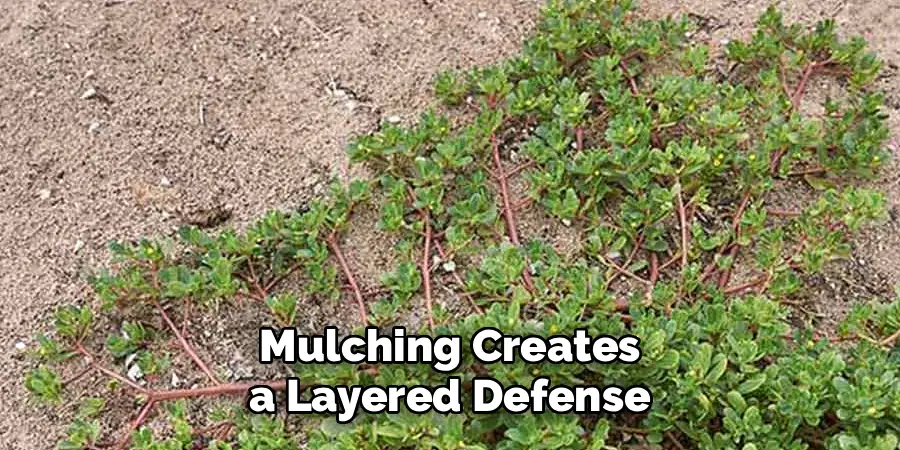
Purslane often originates in garden beds and migrates into adjacent lawn areas. A two- to three-inch layer of organic mulch over bare soil in garden beds suppresses weed germination and blocks purslane from establishing near your lawn’s edge.
Dense mulches like wood chips or shredded bark block light effectively. Replenish mulch annually as it decomposes. Combined with the other steps in this guide, mulching creates a layered defense that makes re-infestation significantly less likely.
Following these steps on how to get rid of purslane in lawn areas can greatly improve the health and appearance of your lawn.
Post-Eradication: How To Restore Your Lawn After Purslane Removal
Once purslane has been removed, your lawn may show bare patches, thinned grass, or areas of compacted soil. These need attention quickly—bare soil is an open invitation for purslane (and other weeds) to return.
Overseed bare areas with a grass variety suited to your climate and existing lawn type. Lightly rake the soil beforehand to improve seed-to-soil contact, and water consistently until the new grass establishes. In heavily compacted areas, aerate before seeding to improve root penetration.
Apply a balanced, slow-release fertilizer to support new growth and continue mowing at the appropriate height. Within four to six weeks, a recovering lawn should begin to fill in noticeably.
Troubleshooting: When Purslane Keeps Coming Back
Even with a thorough effort, purslane can persist. Regrowth often comes from seeds already present in the soil before treatment began. If purslane returns despite your work, apply a pre-emergent herbicide earlier in the following season to target seeds before they have a chance to germinate.
Purslane appearing in new areas may indicate that soil disturbance during aeration or overseeding has brought dormant seeds to the surface. To minimize this, avoid unnecessary soil disruption during peak germination periods in late spring and early summer.
If herbicides are underperforming, confirm that the product is labeled for broadleaf weeds and that application conditions were met—correct temperature, dry weather, and appropriate dosage. Adding a surfactant to your spray solution can improve contact and absorption through purslane’s waxy leaf coating.
Frequently Asked Questions
What Is the Fastest Way To Kill Purslane?
The fastest method for killing actively growing purslane is a targeted application of a broadleaf post-emergent herbicide containing 2,4-D or dicamba. These products can begin showing results within 24 to 48 hours. Apply during warm, dry conditions when purslane is actively growing, and ensure thorough coverage of all leaf surfaces to maximize absorption.
Can Purslane Come Back After Being Removed?
Yes—and this is one of the most common frustrations homeowners face. Purslane seeds can remain viable in the soil for years. Even a thorough removal effort may not eliminate seeds that were already in the ground. Consistent use of pre-emergent herbicides each spring, combined with good lawn care practices, is the most effective way to prevent future flare-ups.
Is Purslane Harmful to Lawn Grass?
Purslane competes directly with grass for water, nutrients, and sunlight. In thin or stressed lawns, it can spread quickly and crowd out desirable grass. Purslane itself is not toxic to grass, but its presence often signals underlying soil conditions—compaction, low fertility, or poor drainage—that are already weakening your lawn.
When Is the Best Time To Treat Purslane?
Pre-emergent herbicides should be applied in early spring, before soil temperatures reach 60°F. Post-emergent treatments are most effective during late spring and early summer when purslane is young and actively growing. Manual removal can be done at any time, but it is easiest when the soil is moist.

Is Purslane Edible?
Purslane is edible and is, in fact, consumed in many parts of the world as a leafy green. It contains omega-3 fatty acids and various vitamins. That said, purslane growing in lawns treated with herbicides or pesticides should never be consumed. If removal is your goal, standard lawn treatment methods apply regardless of its edibility.
Conclusion
Purslane can be both a gardener’s challenge and a unique opportunity. While its rapid growth and resilience may require consistent management, its nutritional benefits and culinary uses make it an intriguing plant to consider.
Whether you choose to control it or incorporate it into your diet, understanding its characteristics is key to making the most of this tenacious plant. Ultimately, the approach you take will depend on your personal preferences and goals for your garden. Thanks for reading this guide on how to get rid of purslane in lawn.

About
Outdoor Fixes is a distinguished figure in the world of Diy design, with a decade of expertise creating innovative and sustainable Diy solutions.
His professional focus lies in merging traditional craftsmanship with modern manufacturing techniques,
fostering designs that are both practical and environmentally conscious. As the author of diy,
outdoorfixes delves into the art and science of outdoorfixes-making, inspiring artisans and industry professionals alike.
Education RMIT University
(Melbourne, Australia) Associate Degree in Design (Outdoor Fixes) Focus on sustainable design, industry-driven projects,
and practical craftsmanship. Gained hands-on experience with traditional and digital manufacturing tools, such as CAD and CNC software.
Nottingham Trent University
(United Kingdom) Bachelor’s in outdoorfixes.com and Product Design (Honors) Specialized in product design with a focus on blending creativity with production
techniques. Participated in industry projects, working with companies like John Lewis and Vitsoe to gain real-world insights.
Publications and Impact
In diy, Outdoor Fixes his insights on indoor design processes, materials, and strategies for efficient production.
His writing bridges the gap between artisan knowledge and modern industry needs, making it a must-read for both budding designers and seasoned professionals.